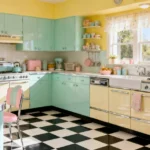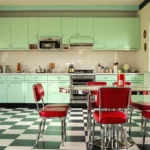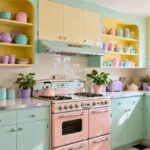
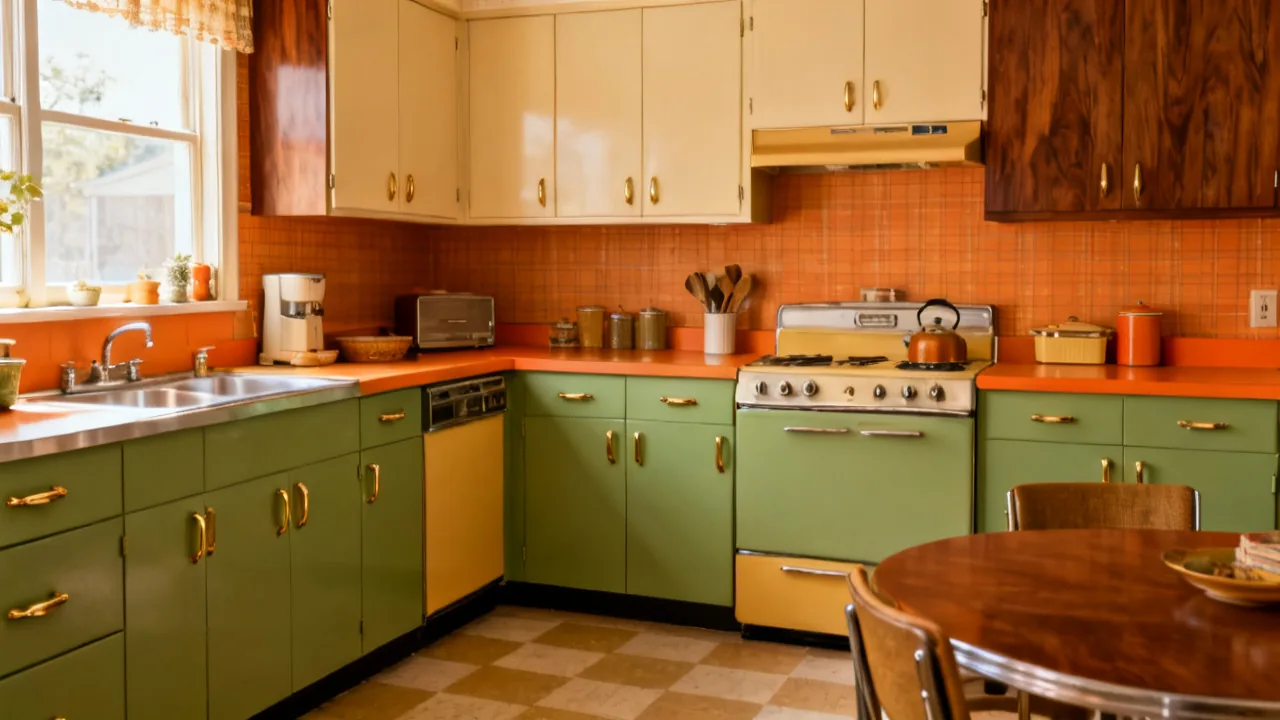
There is something about a 60s kitchen that makes you slow down and smile. Maybe it is the warm avocado green, the cheerful pop of harvest gold, or the way a wood-paneled wall just feels like home. If you grew up visiting a grandmother who had a kitchen like this, you already know the cozy, lived-in pull of it. The good news is you can bring that same groovy charm into your own space without a full remodel.
Quick answer: To get a 60s kitchen look, lean into bold retro colors like avocado green and harvest gold, add warm wood cabinets, mix in geometric or atomic patterns, and finish with mod lighting and a few playful vintage accents.
&# 10024; New here? Start with the big picture:our favorite retro kitchen ideas→1. Go All In on Avocado Green Cabinets
 Shop this look: INNOD 3 Drawer Fluted Mobile Filing Cabinet…
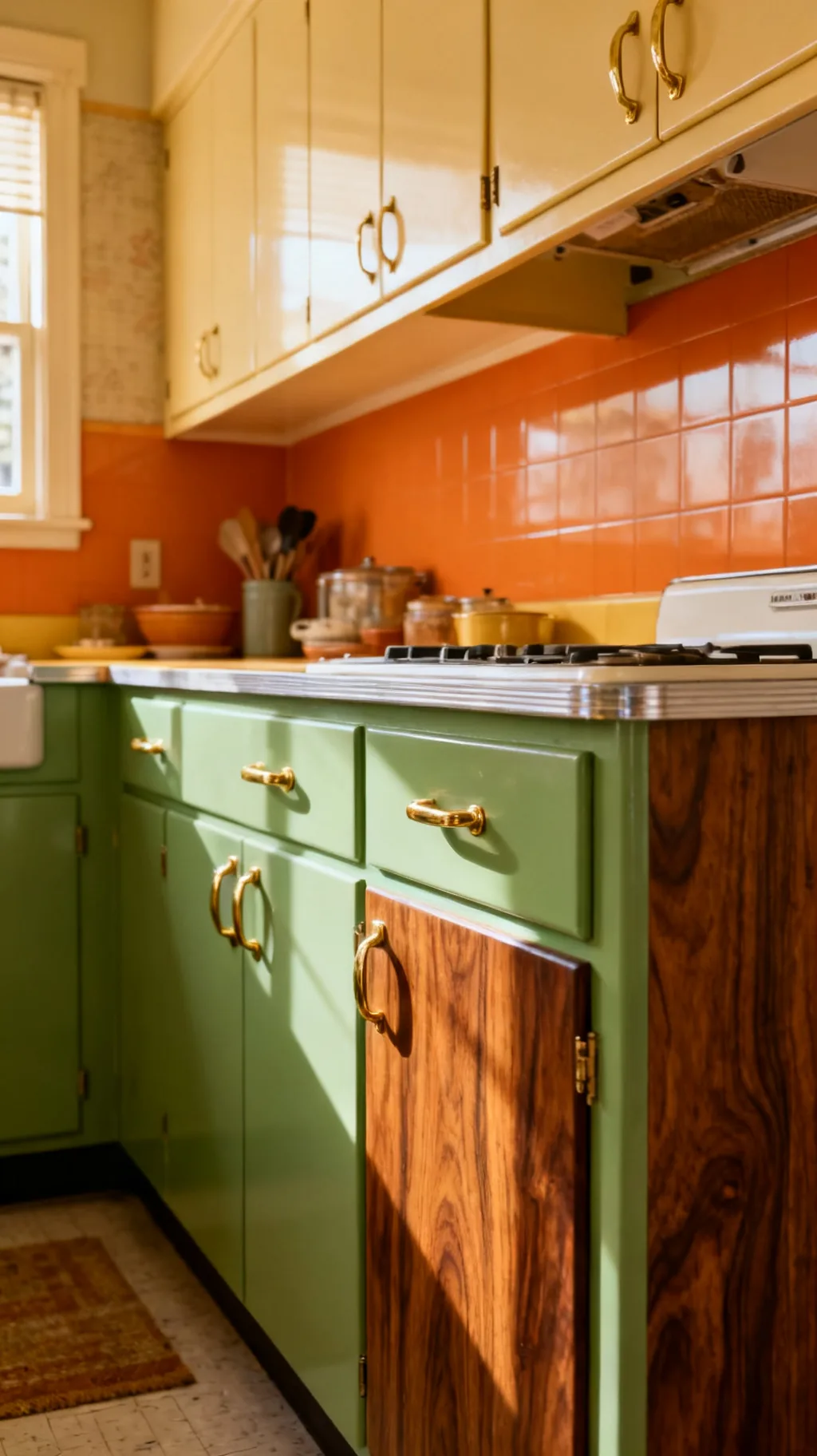
Nothing says vintage quite like avocado green, and it was everywhere in the 1960s for good reason. The shade is earthy and warm, so it feels cozy rather than loud. Painting your lower cabinets in this color is one of the fastest ways to set the tone for the whole room.
How to Pull It Together
- Start low: paint just the base cabinets green and keep uppers light for balance.
- Add brass: warm gold or brass pulls make the green feel intentional.
- Test first: tape a paint swatch up for a day to see it in your light.
A single coat of avocado green can carry the whole retro mood.
2. Bring Back Warm Harvest Gold Accents
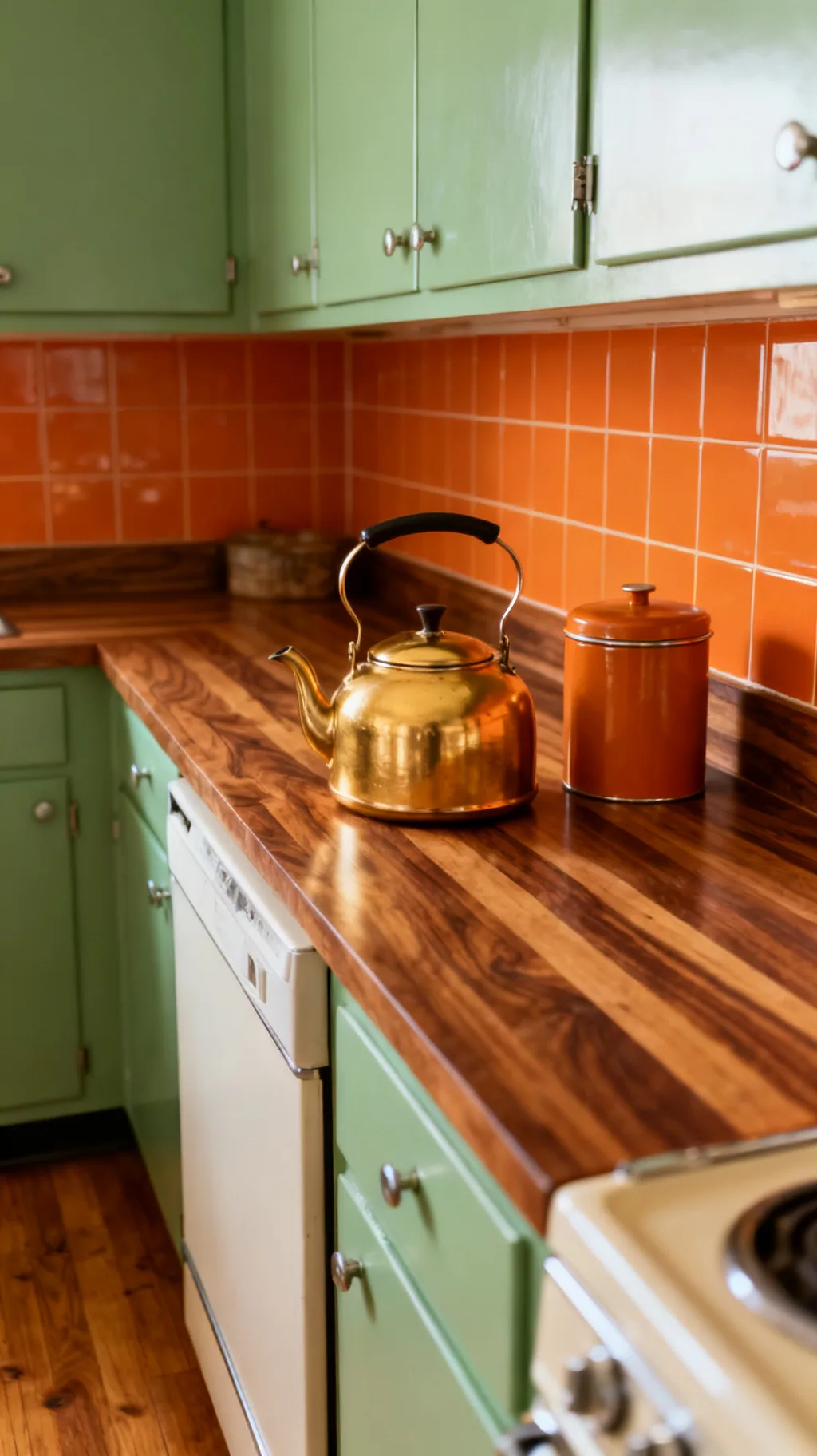
Harvest gold was the sunny sister to avocado green, and the two played beautifully together. You do not have to commit to a full gold kitchen to get the feel. A few well-placed touches in this mustardy shade warm the room right up.
Where to Start
- Small swaps: a gold kettle or canister set adds instant warmth.
- Textiles count: dish towels and curtains in harvest gold tie it in softly.
- Pair it: set gold against wood tones for that classic combo.
A little harvest gold goes a long way toward that nostalgic glow.
3. Add Rich Walnut Wood Cabinets
 Shop this look: Smart FENDEE Sideboard Cabinet, 31.5″ W… · Bamboo Freestanding Bathroom Floor Storage… · Homhedy 67″ H Tall Bathroom Storage Cabinet…
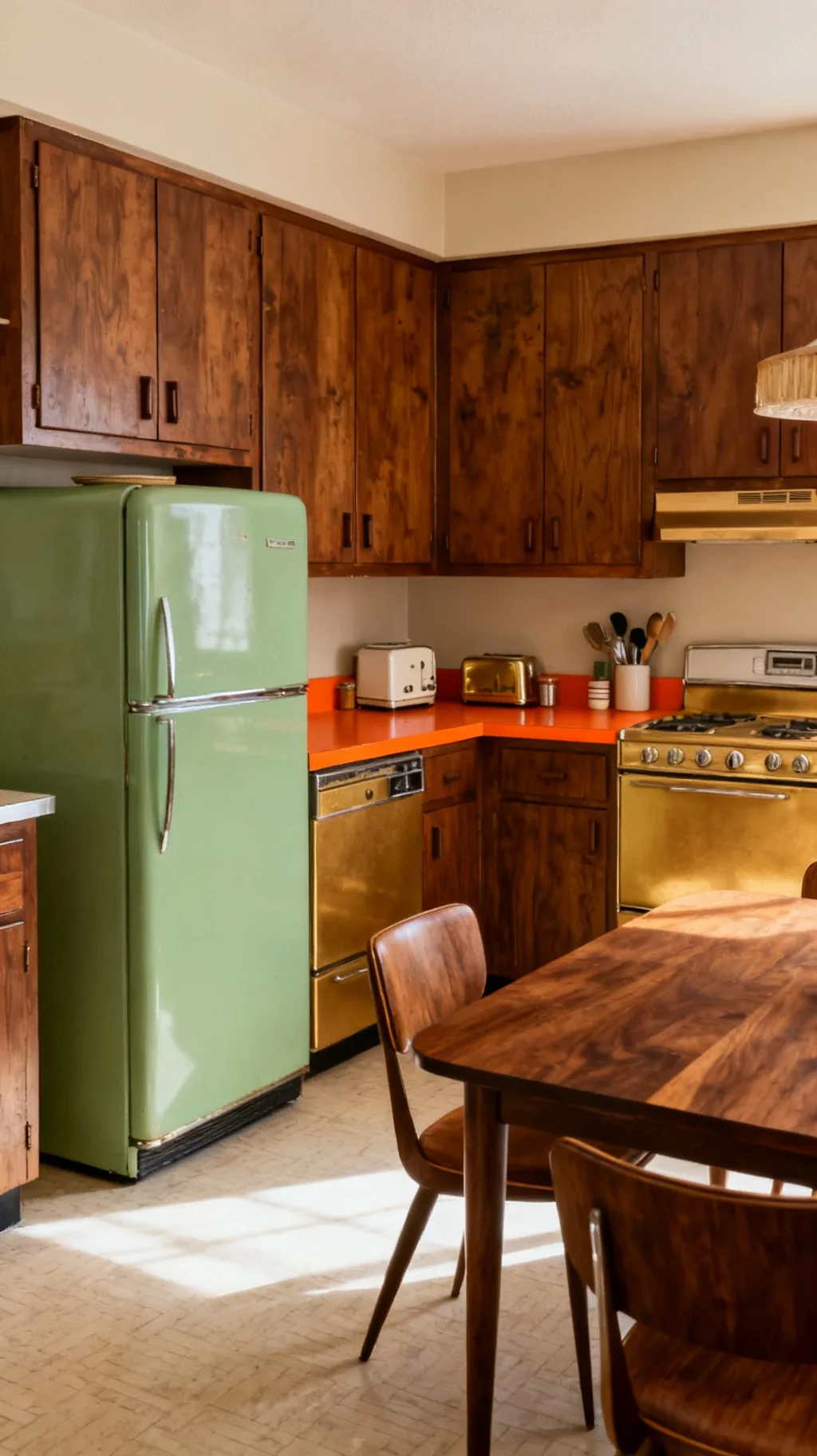
Wood was the backbone of the 60s kitchen, and warm walnut tones still feel timeless today. The grain adds depth and softness that painted finishes cannot match. If you have older wood cabinets, you may already be halfway there.
What to Look For
- Refinish, do not replace: a fresh stain revives tired wood beautifully.
- Flat fronts: simple slab or shaker doors read most authentic.
- Mix tones: a slightly darker island grounds lighter walnut uppers.
Real wood grain brings instant warmth and that lived-in 60s feel.
4. Hang a Mod Sputnik Light Fixture
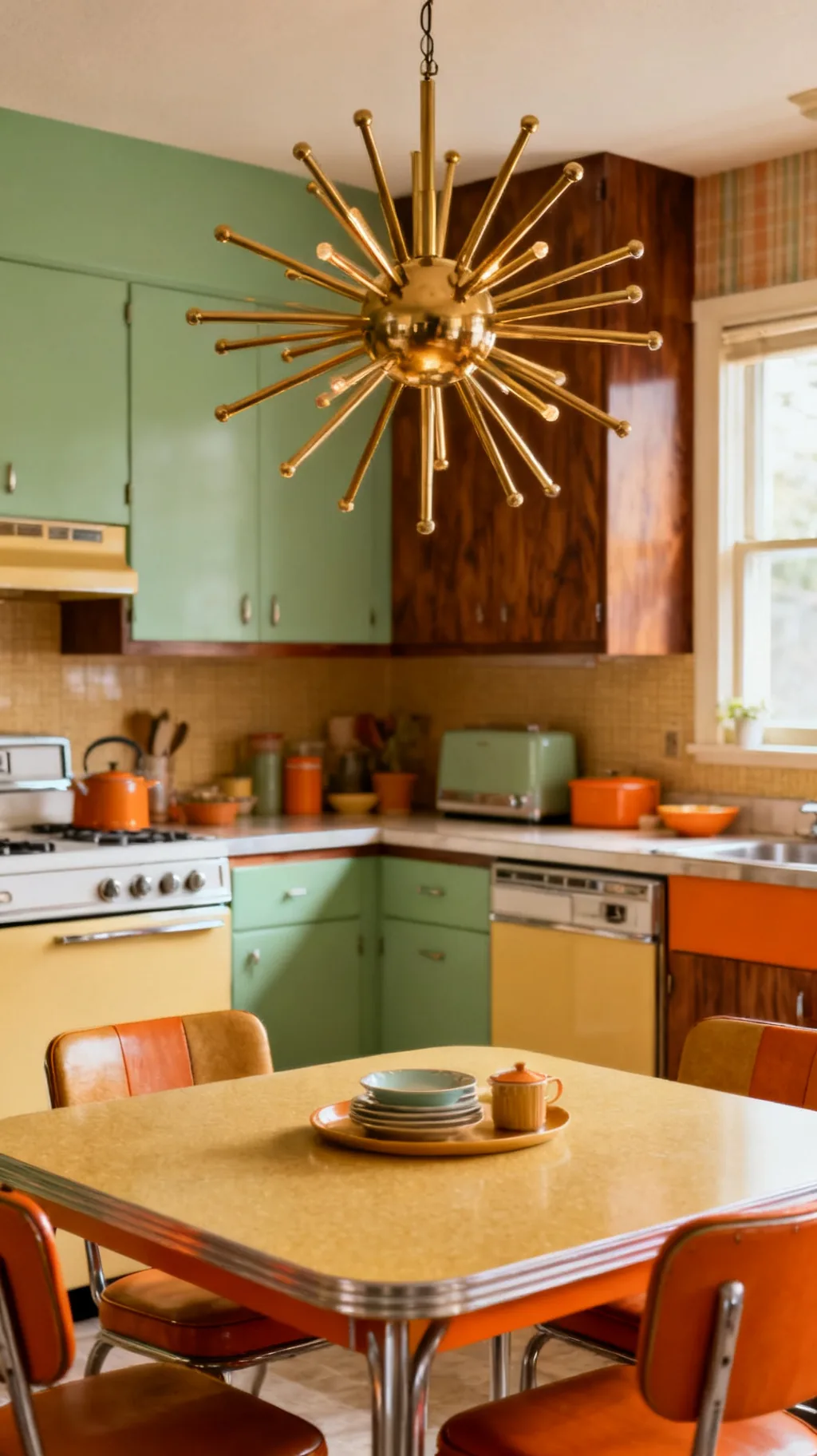 Shop this look: a sputnik chandelier
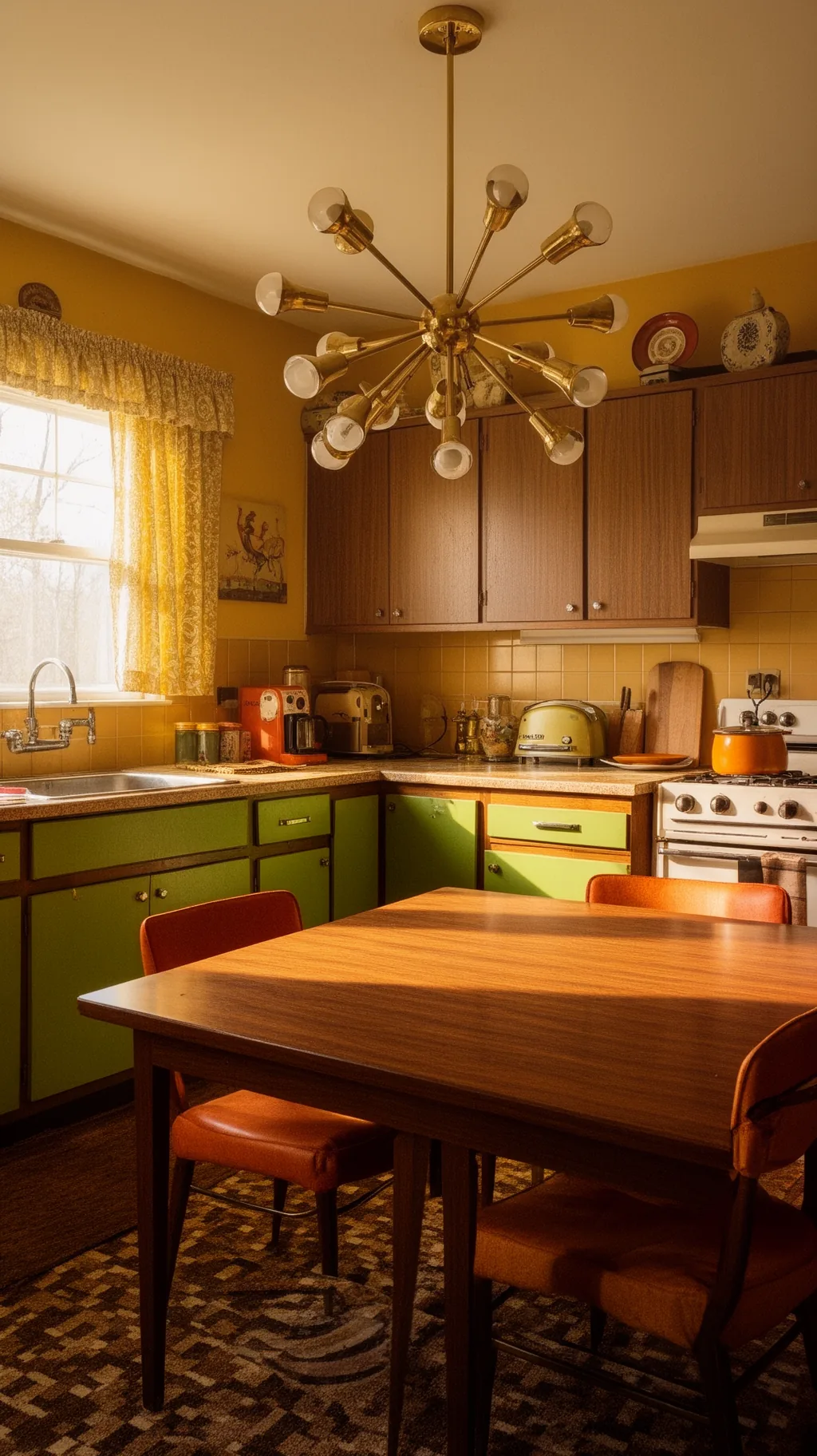
Lighting was where the space age really showed up in the home. A starburst or sputnik fixture instantly says mid-century and draws the eye upward. I keep coming back to this idea because one bold light can do the work of a whole renovation.
How to Pull It Together
- Center it: hang the fixture over your table or island as a focal point.
- Pick a finish: brass or matte black both feel period-correct.
- Mind the height: leave clear headroom so it reads sculptural, not in the way.
One groovy fixture overhead changes the entire personality of the room.
5. Lay Down a Checkerboard Vinyl Floor
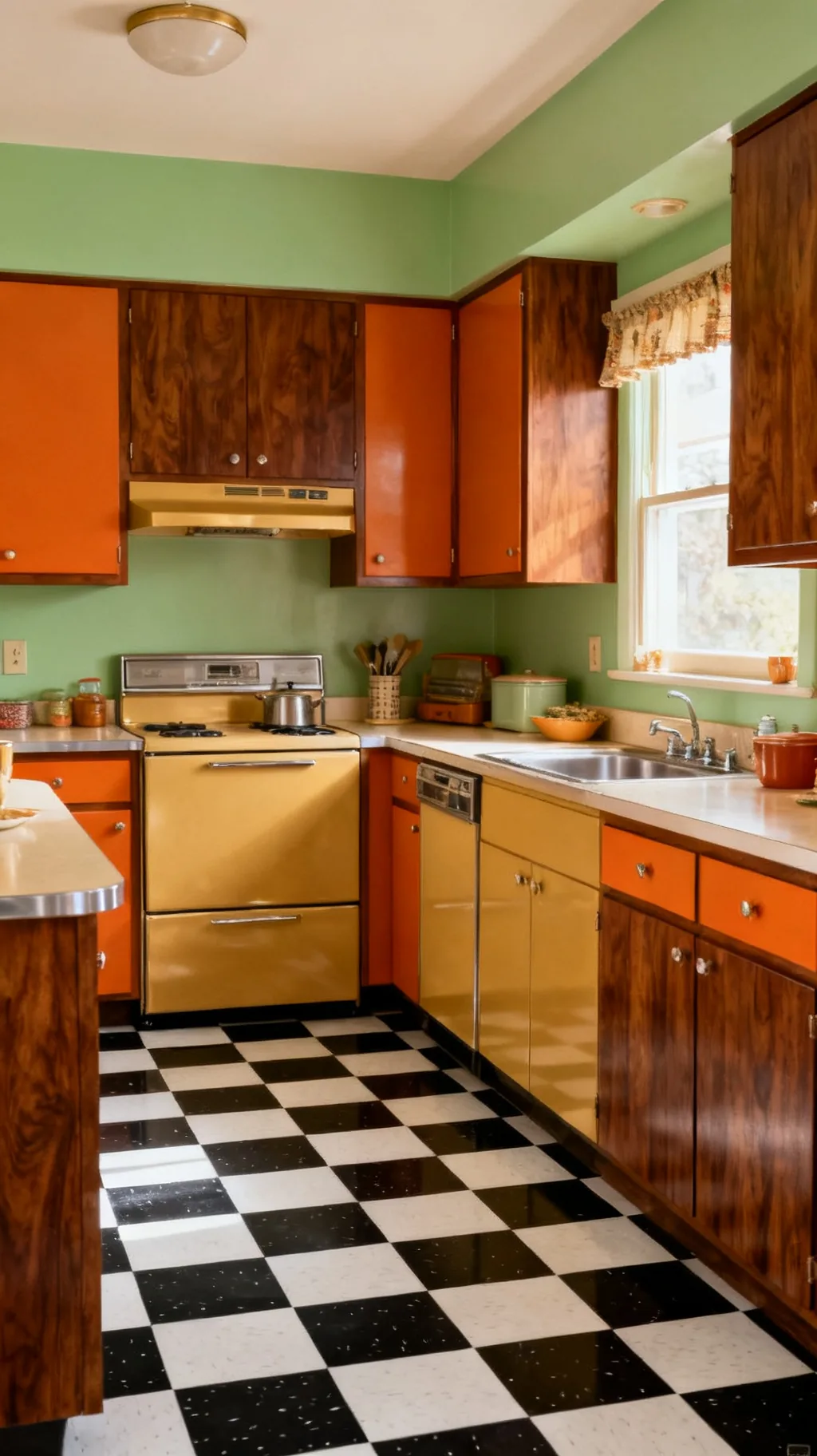
A black and white checkerboard floor is one of those looks that never really left, and it was a 60s staple. Vinyl tile is forgiving underfoot and easy to live with in a busy kitchen. The pattern adds energy without needing any color commitment.
Where to Start
- Peel and stick: modern vinyl tiles go down over most existing floors.
- Run it diagonal: turning the squares on point feels extra retro.
- Soften it: a woven runner by the sink keeps it from feeling stark.
A checkerboard floor grounds the whole space with playful contrast.
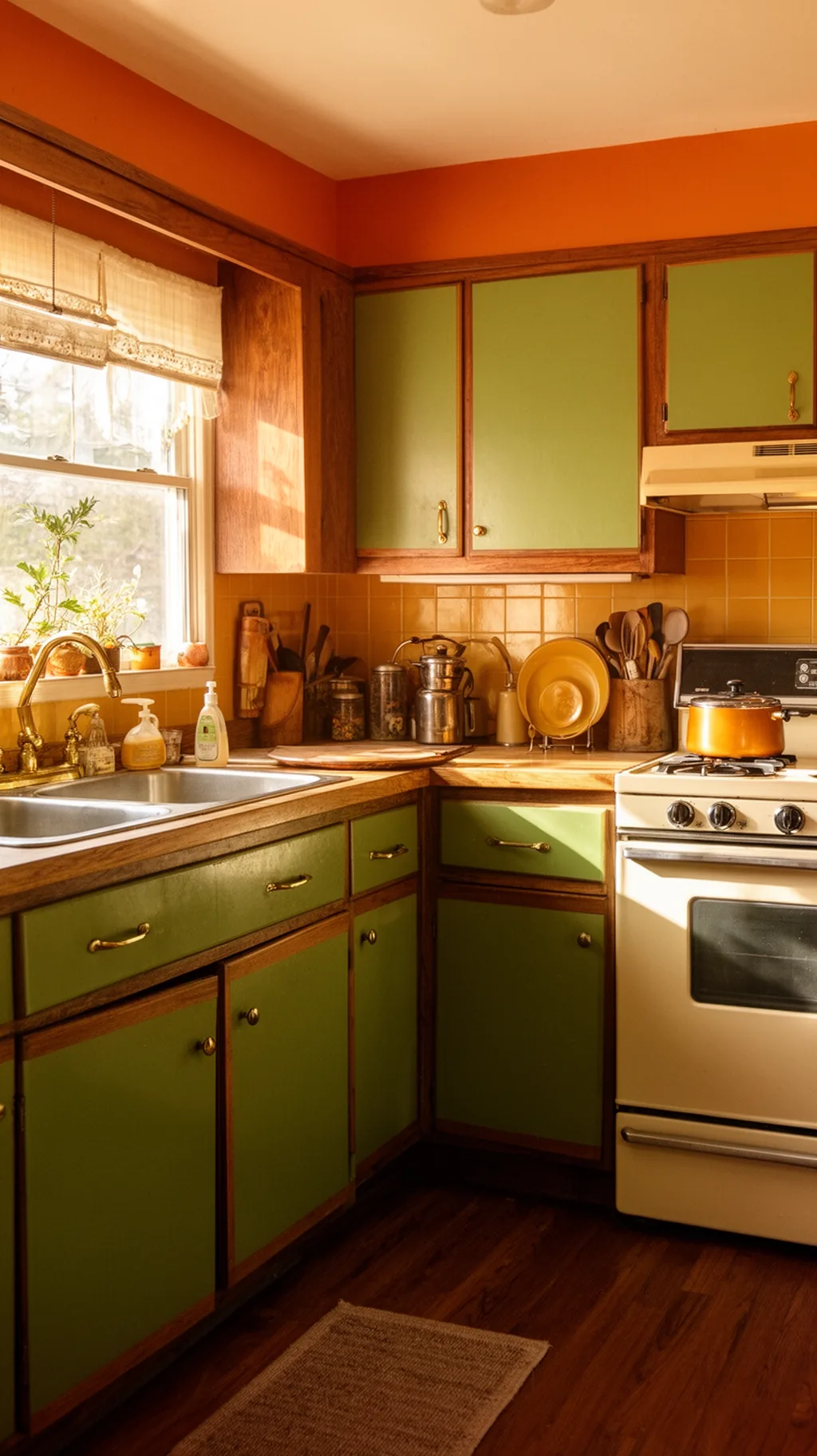
Swipe through these for a little inspiration.
 1 / 5
1 / 5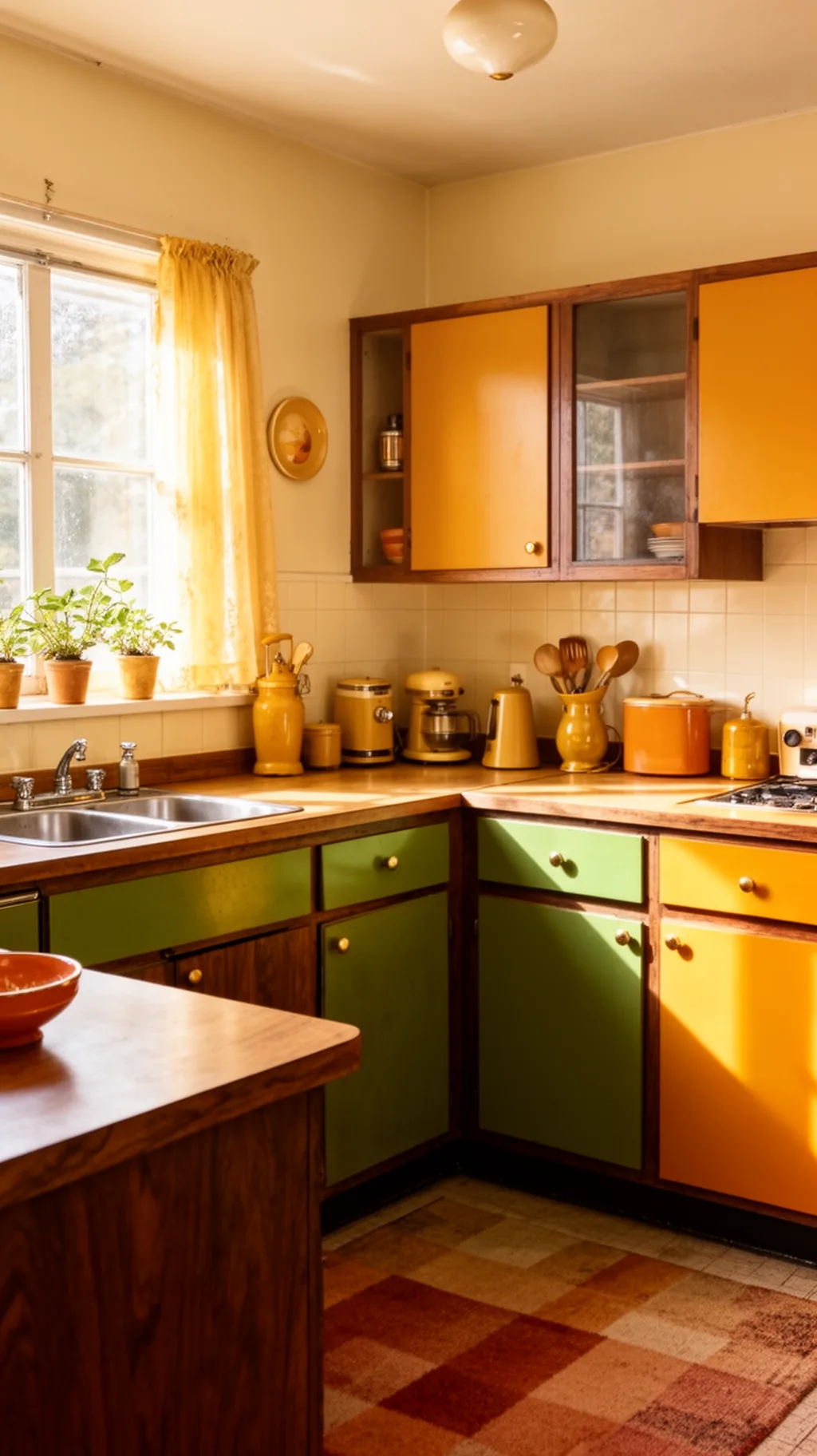 2 / 5
2 / 5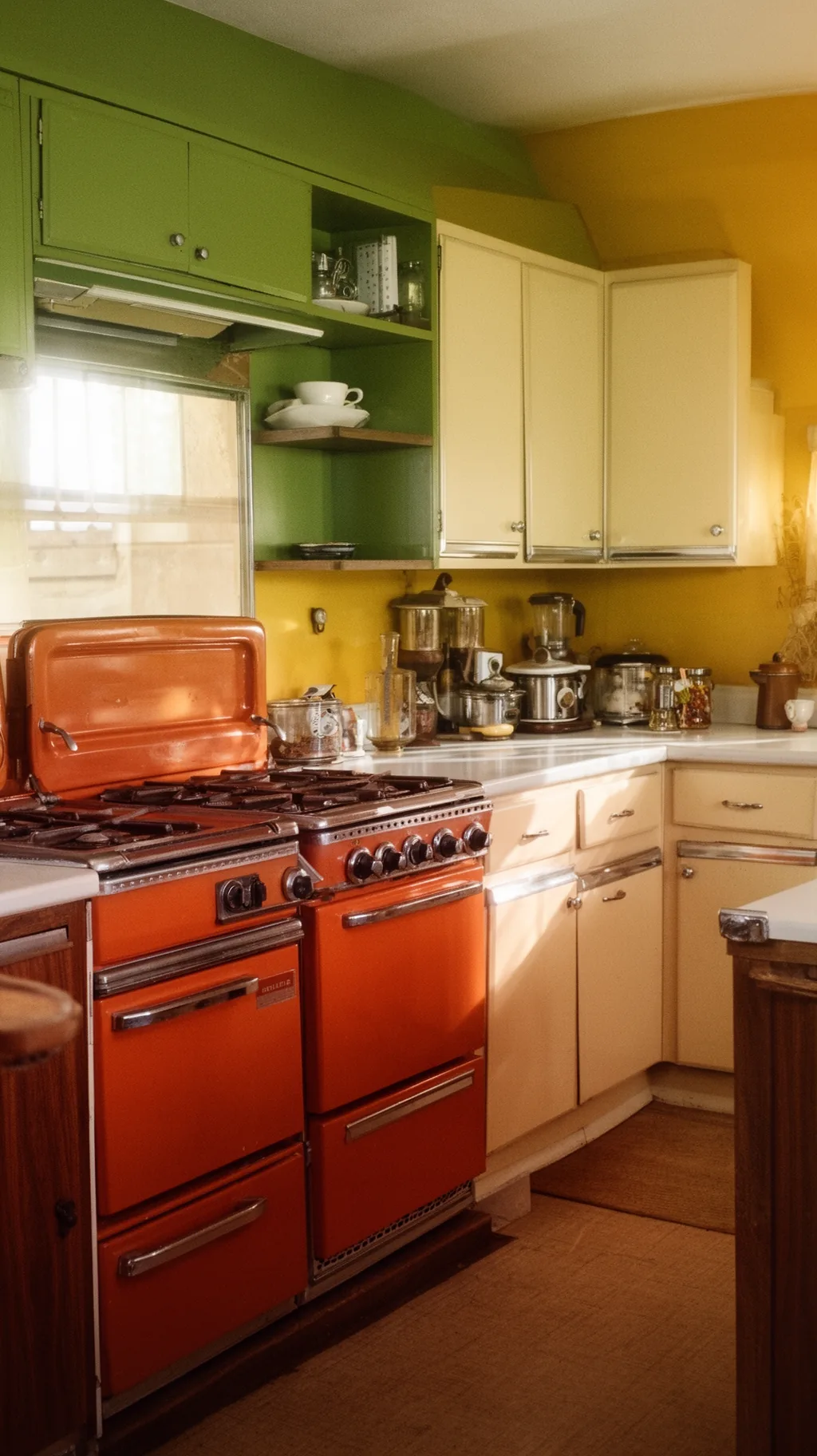 3 / 5
3 / 5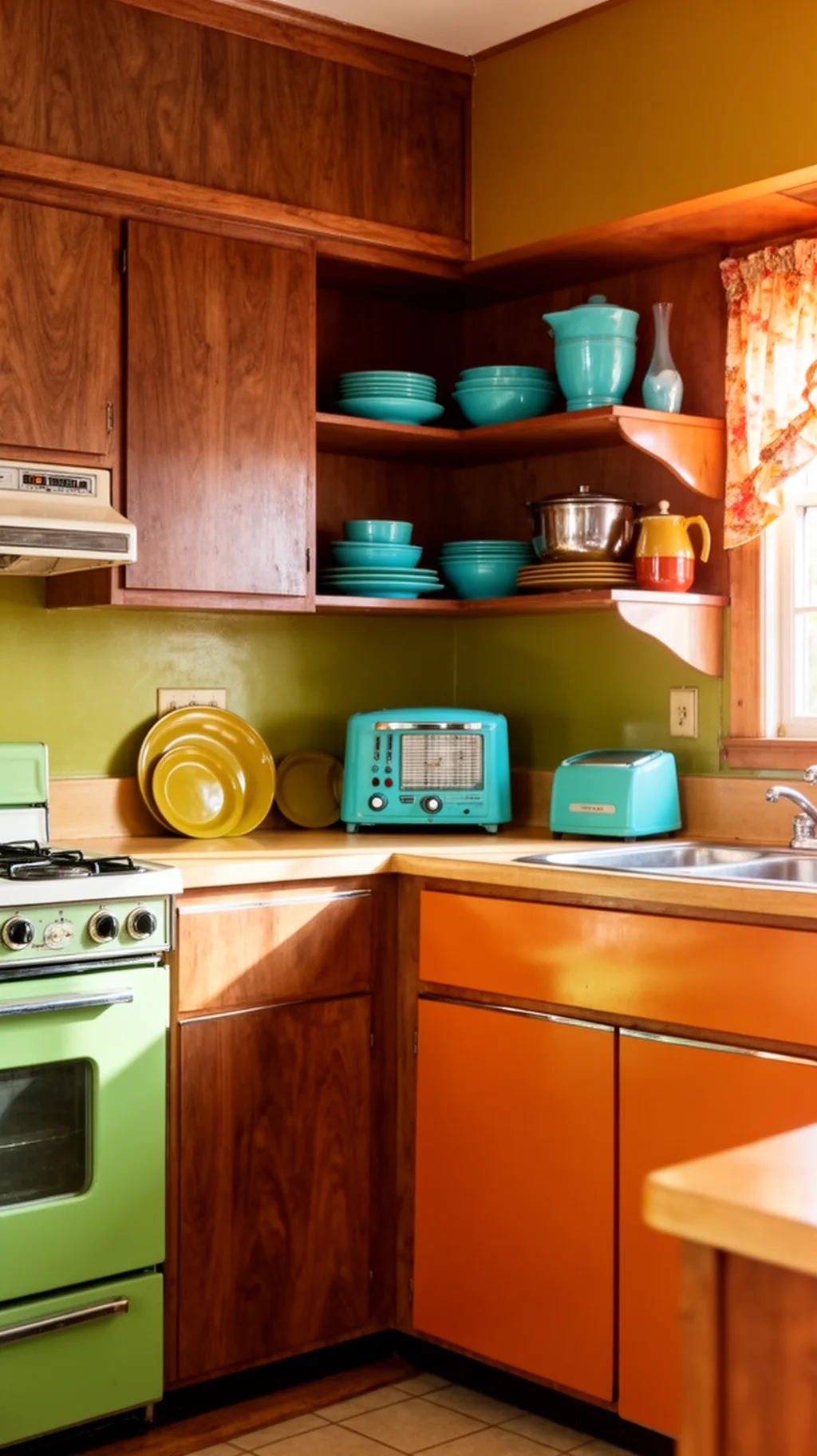 4 / 5
4 / 5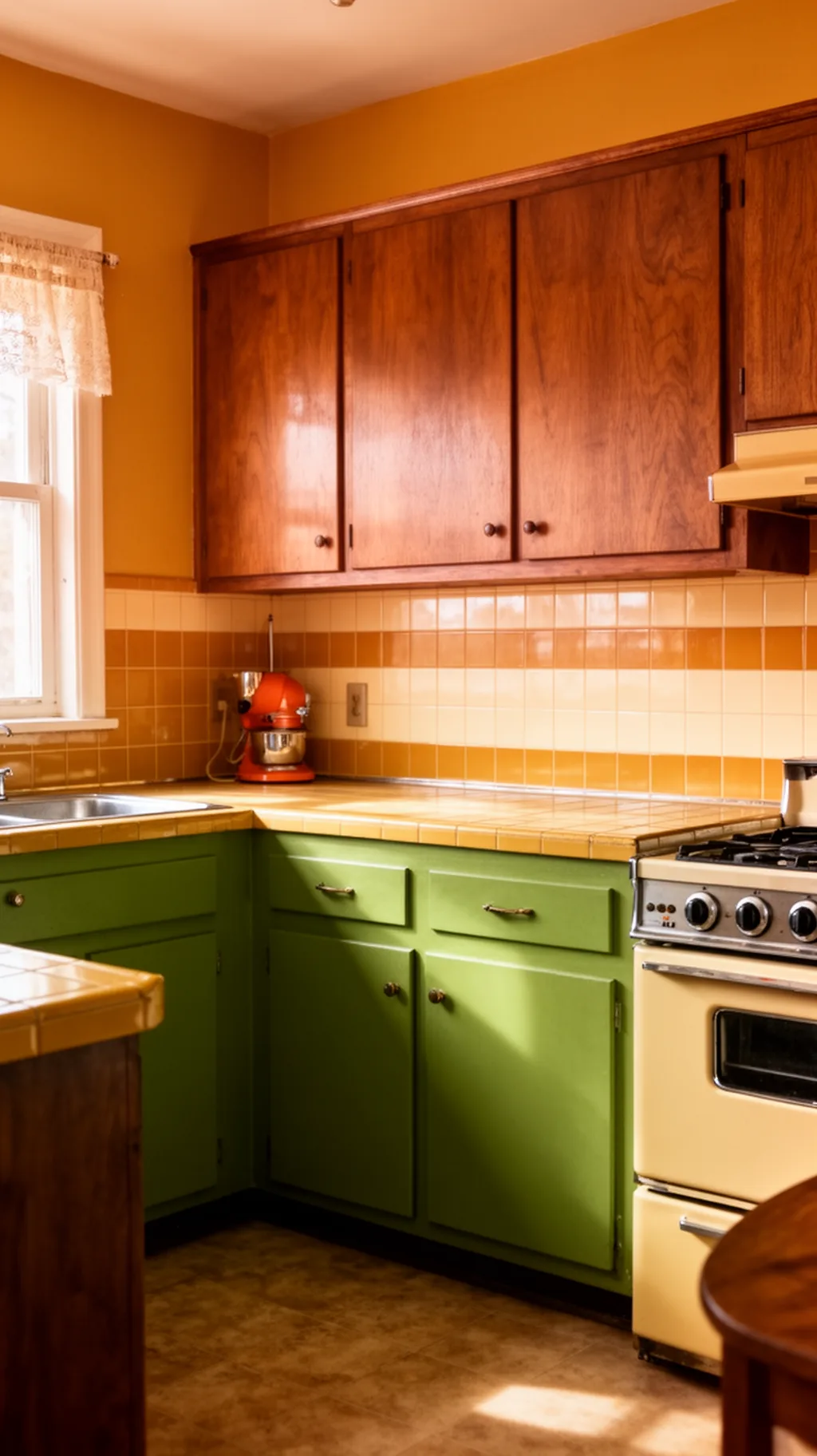 5 / 5
5 / 56. Choose a Bold Burnt Orange Range
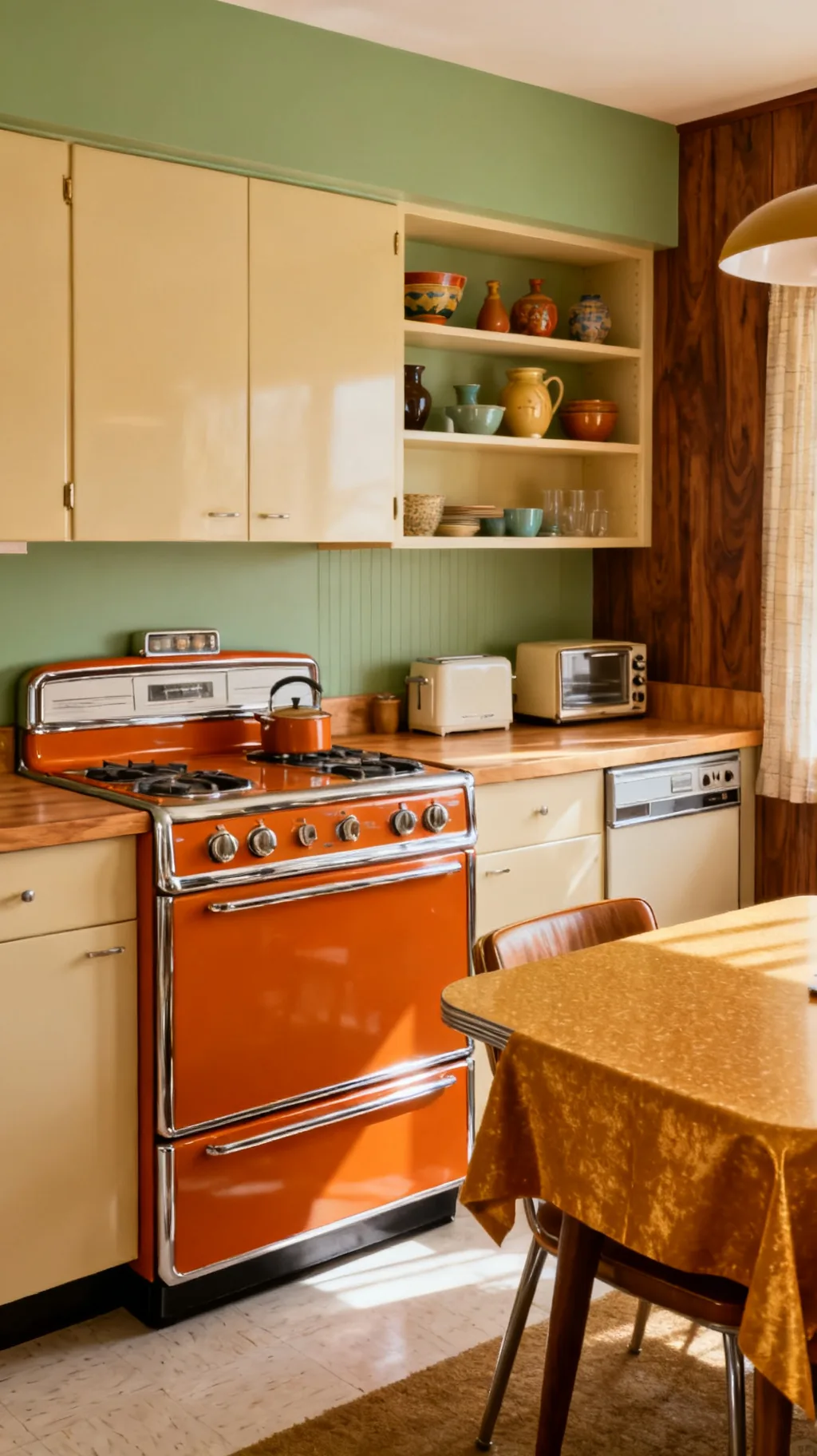
Colored appliances were a point of pride in the 1960s, and burnt orange was a favorite. A retro-styled range in this shade becomes a happy little centerpiece. From what I have gathered, this is the swap people fall in love with the fastest.
What to Look For
- Retro lines: rounded edges and chrome trim sell the era.
- One hero piece: let the range be the star and keep nearby colors calm.
- Match the metals: chrome or brass hardware echoes the appliance trim.
A warm orange range turns cooking into a cheerful daily ritual.
7. Cover a Wall in Geometric Wallpaper
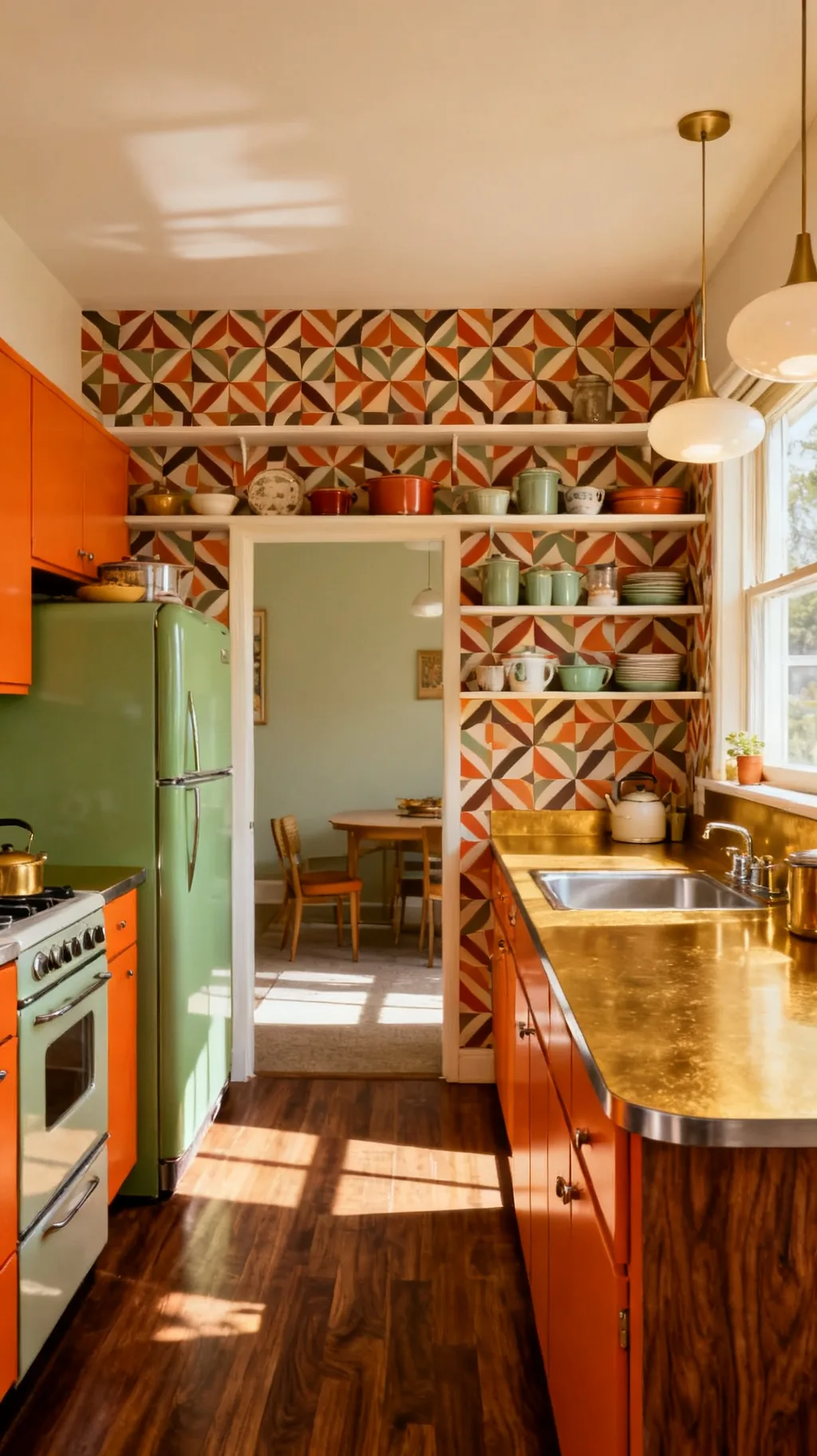 Shop this look: retro peel-and-stick wallpaper
Pattern was fearless in the 60s, and bold geometric wallpaper led the charge. A single accent wall keeps things lively without overwhelming the room. A friend of mine papered just the wall behind her open shelving and it changed the whole mood.
How to Pull It Together
- One wall: stick to a single feature wall so the pattern stays fun.
- Pull a color: match your cabinet or accent shade to the paper.
- Peel-and-stick: removable options make it low risk to try.
A patterned accent wall adds that fearless 60s spirit in an afternoon.
8. Style a Classic 60s Kitchen Dinette Set
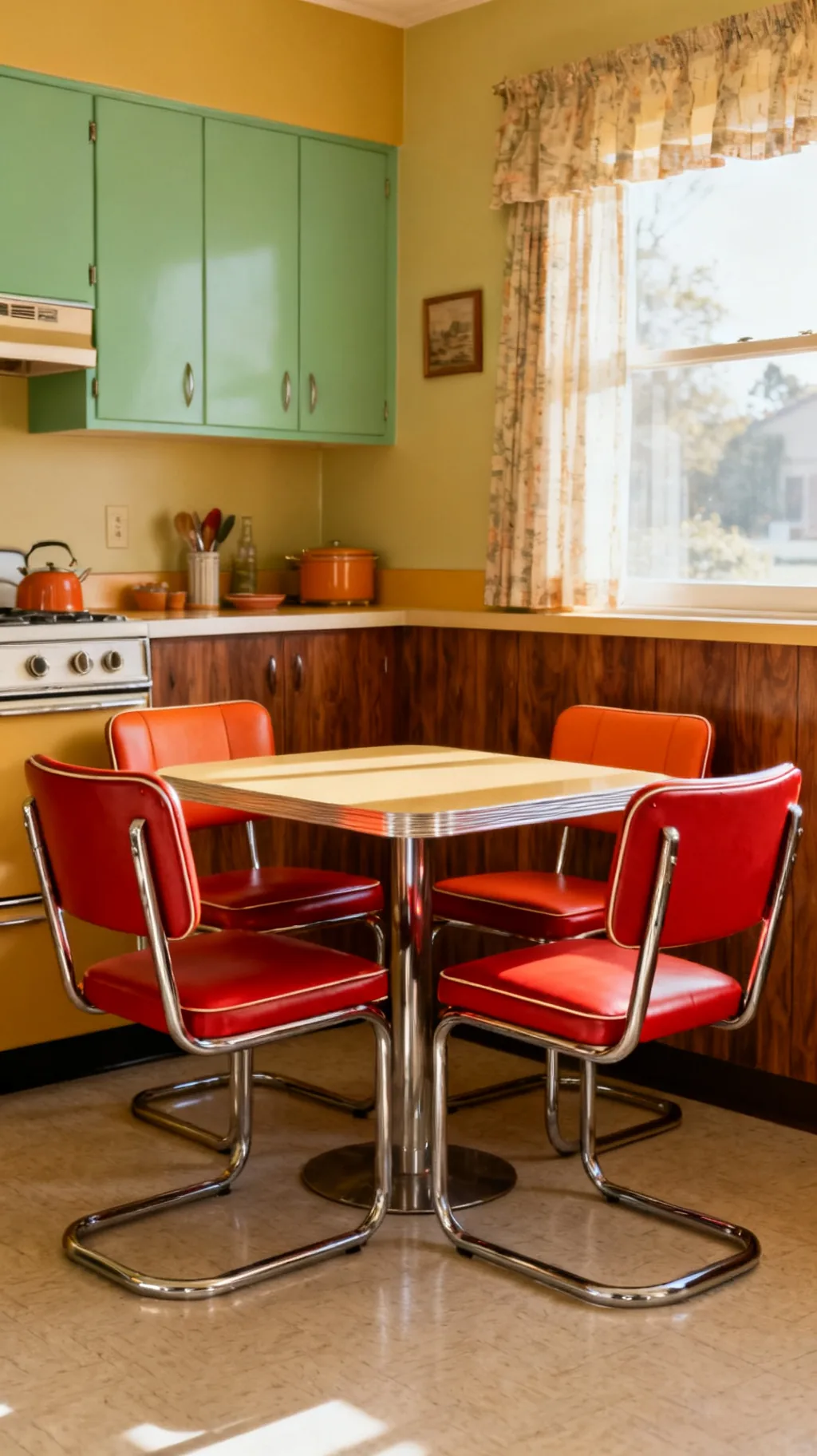
The chrome and vinyl dinette set was the heart of family life in this era. Those padded seats and shiny legs feel friendly and inviting the moment you sit down. If you can find one secondhand, it instantly anchors the whole look of a 60s kitchen.
What to Look For
- Vinyl seats: wipeable upholstery in red, teal, or cream reads true to era.
- Chrome legs: polished metal bases catch the light and feel period-right.
- Check thrift stores: estate sales often hide these sets at gentle prices.
A vintage dinette set gives your kitchen a warm gathering spot.
9. Display Atomic-Era Starburst Patterns
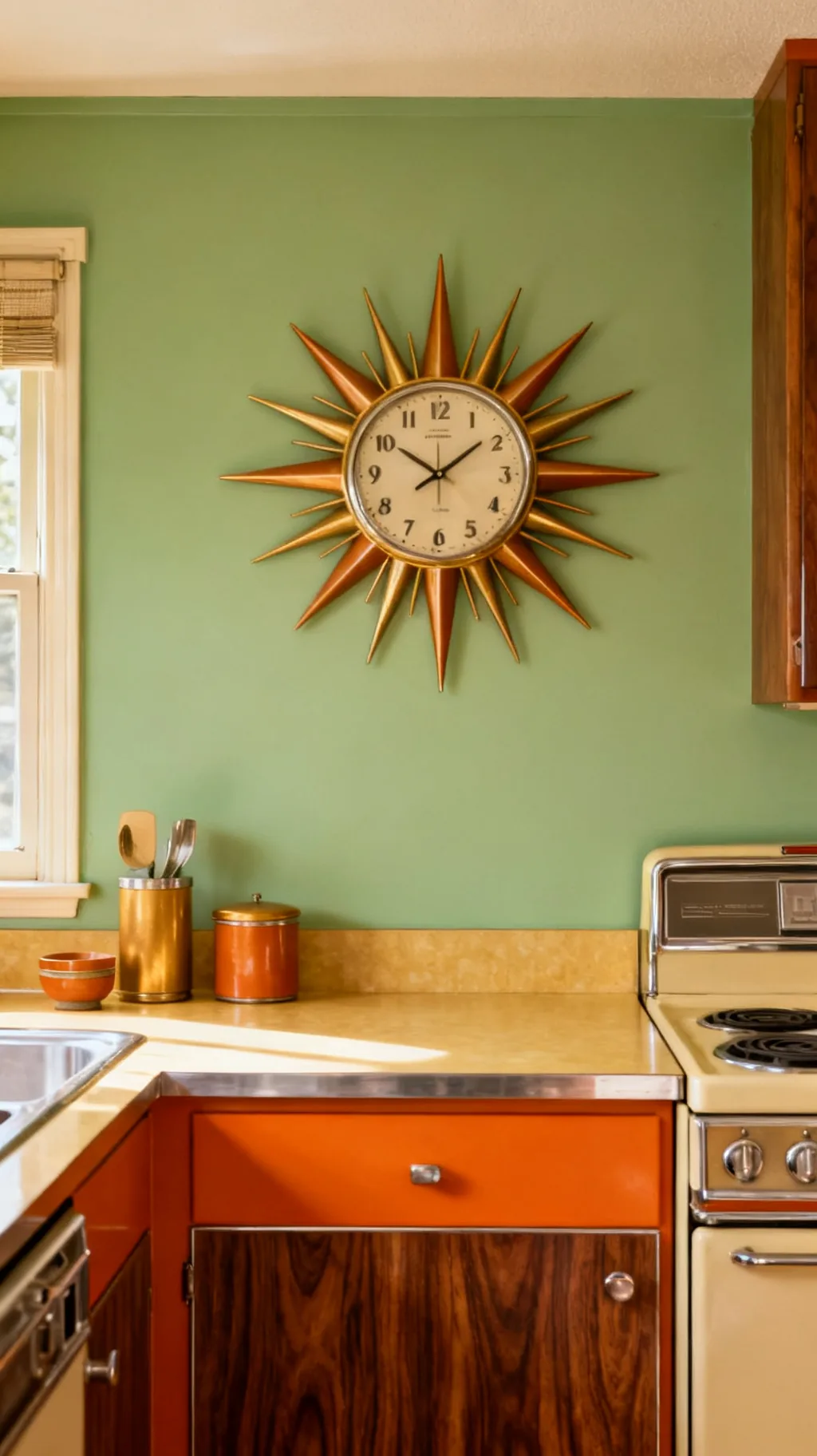
The atomic motif, with its starbursts and tiny dots, captured the optimism of the space age. You can sprinkle it through small pieces rather than redoing anything big. I remember spotting a starburst clock at a flea market and it pulled a whole plain wall together.
Where to Start
- Wall clock: a starburst clock is the easiest atomic touch to add.
- Printed textiles: a tea towel or apron with atomic dots layers it in.
- Keep it light: one or two pieces feel charming, not themed.
Atomic accents add playful, optimistic energy to the room.
&# 10024; More vintage flavor:vintage kitchen aesthetic ideas with a 70s vibe→10. Install Boomerang Laminate Countertops
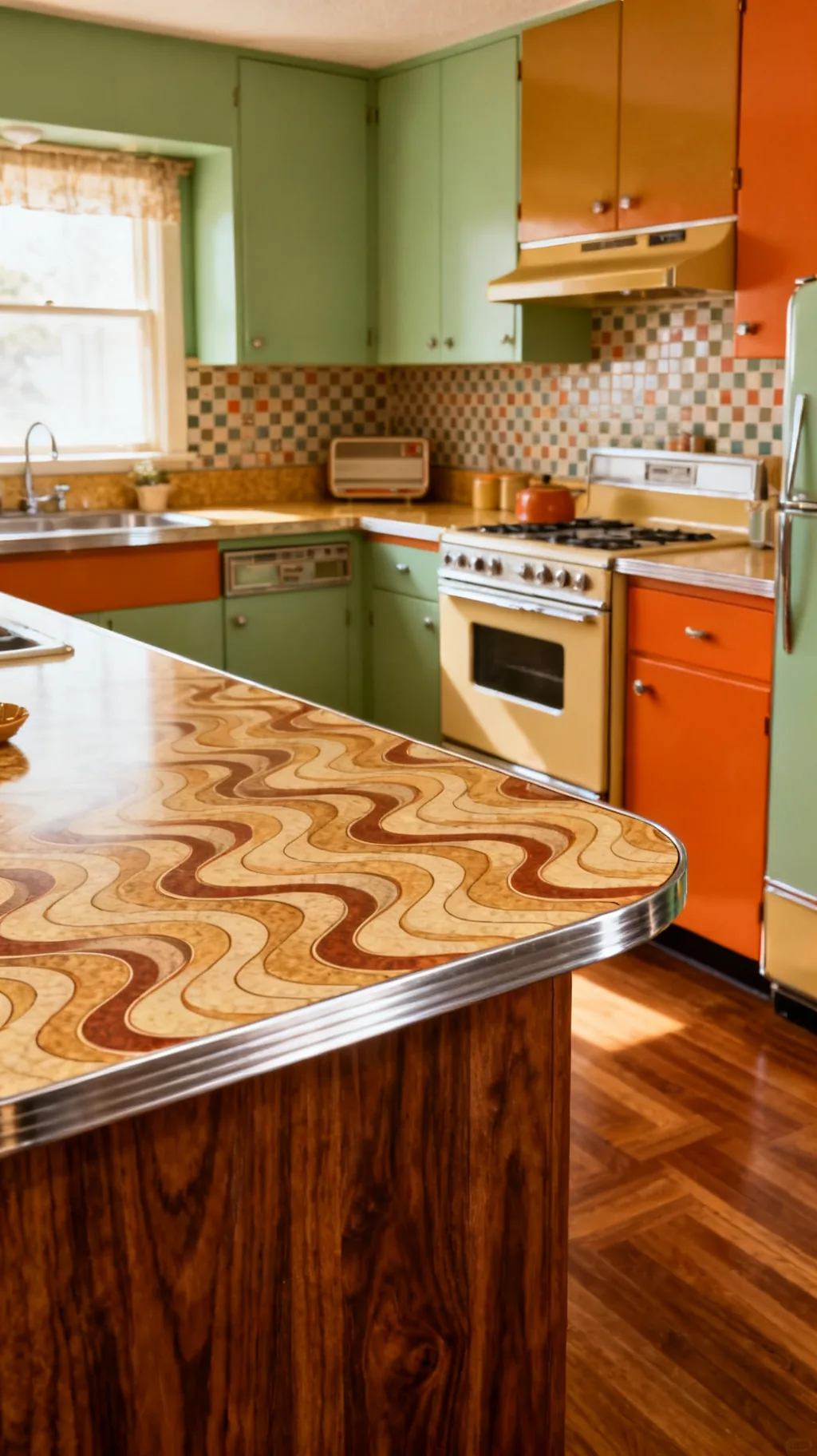
Laminate counters with the boomerang or amoeba pattern were everywhere in 60s homes. The speckled design hides crumbs and adds a layer of cheerful texture. It is durable, affordable, and surprisingly easy to find in retro-inspired patterns.
How to Pull It Together
- Pick a pattern: boomerang flecks in soft pastels feel most authentic.
- Edge it right: a simple metal or rolled edge adds a vintage finish.
- Stay neutral: let busy counters pair with calm cabinet colors.
Patterned laminate brings practical, period-correct charm to your counters.
Take a peek at a few of these looks.
 1 / 5
1 / 5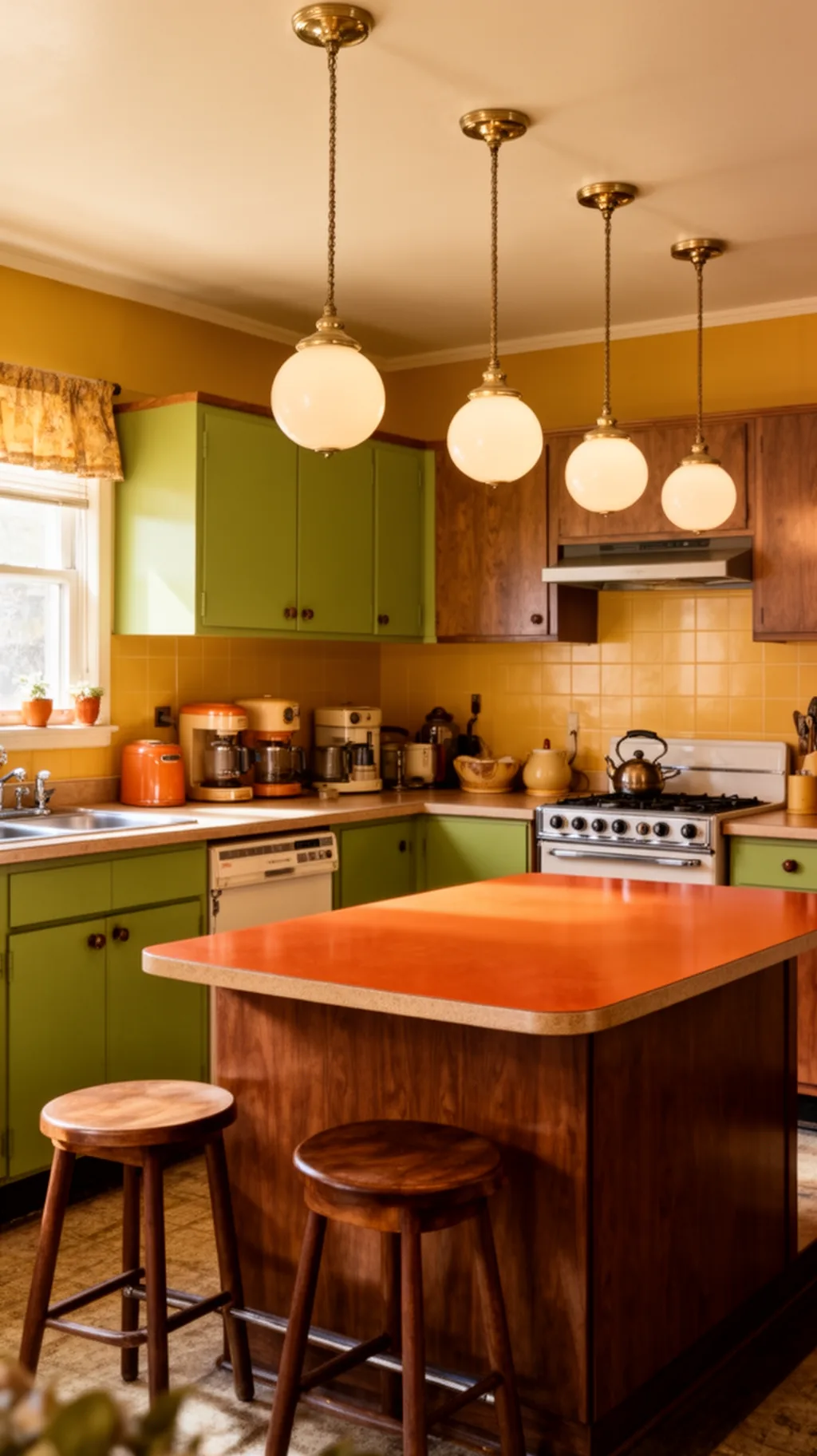 2 / 5
2 / 5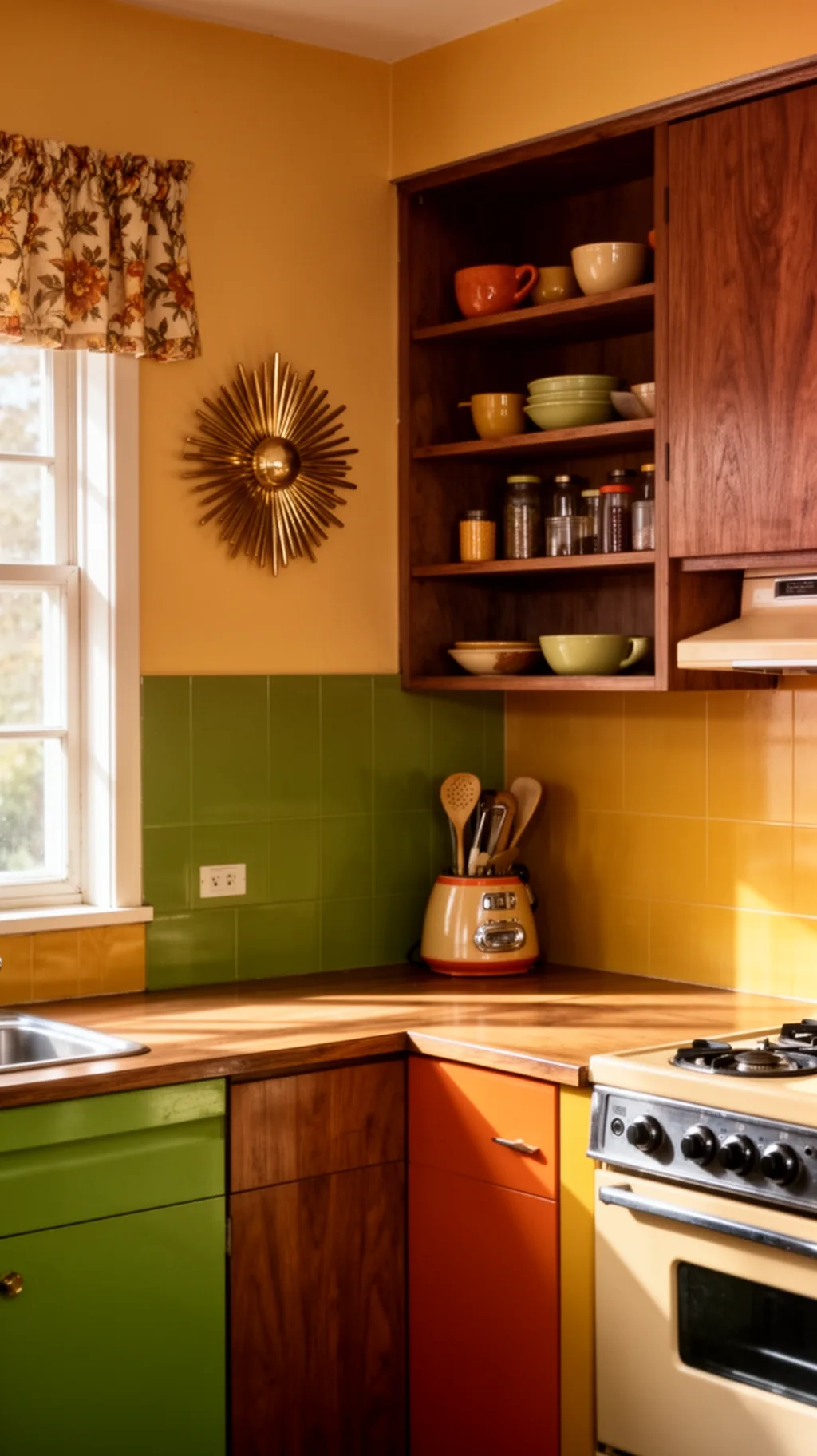 3 / 5
3 / 5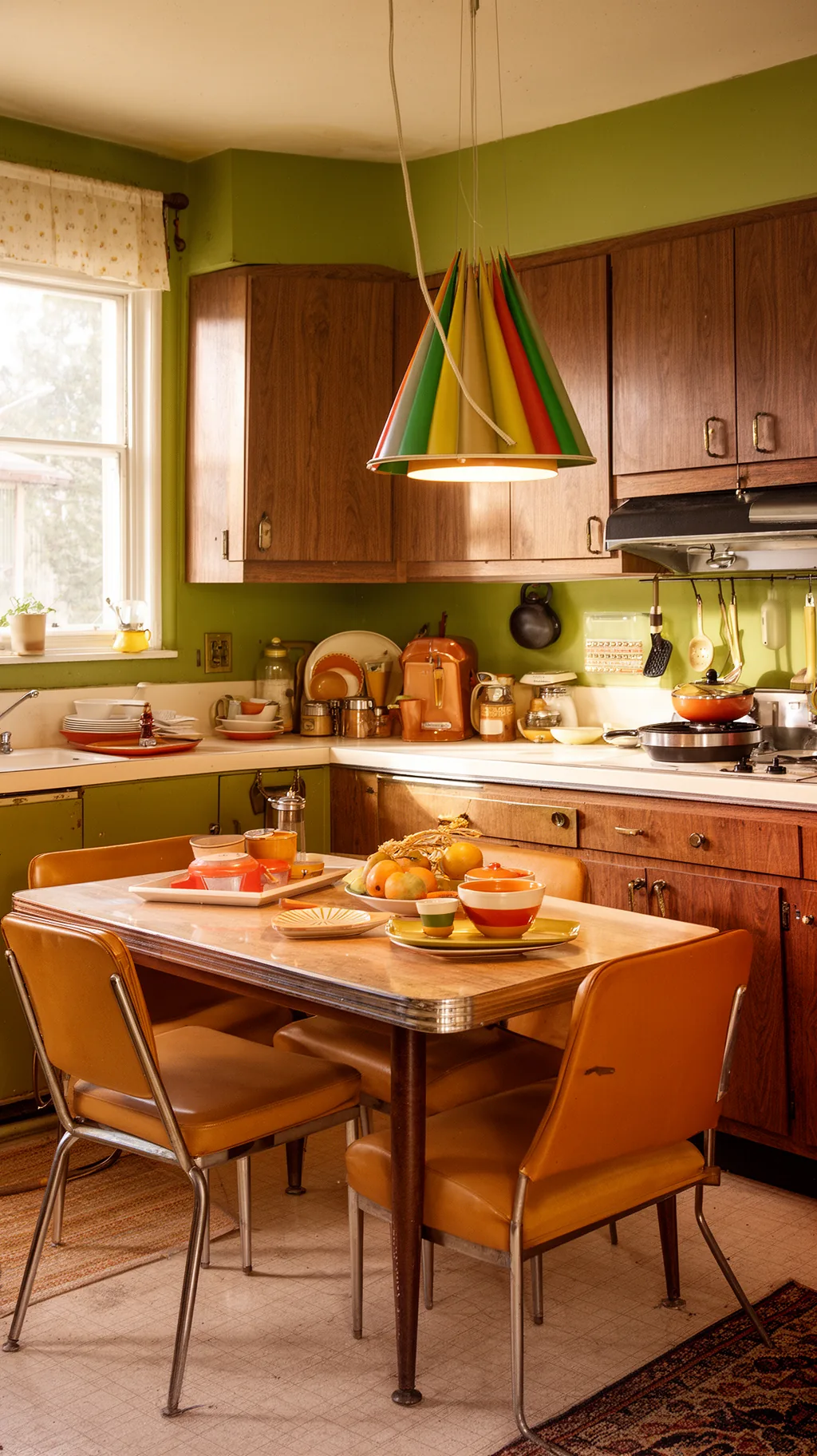 4 / 5
4 / 5 5 / 5
5 / 511. Add a Pop of Turquoise
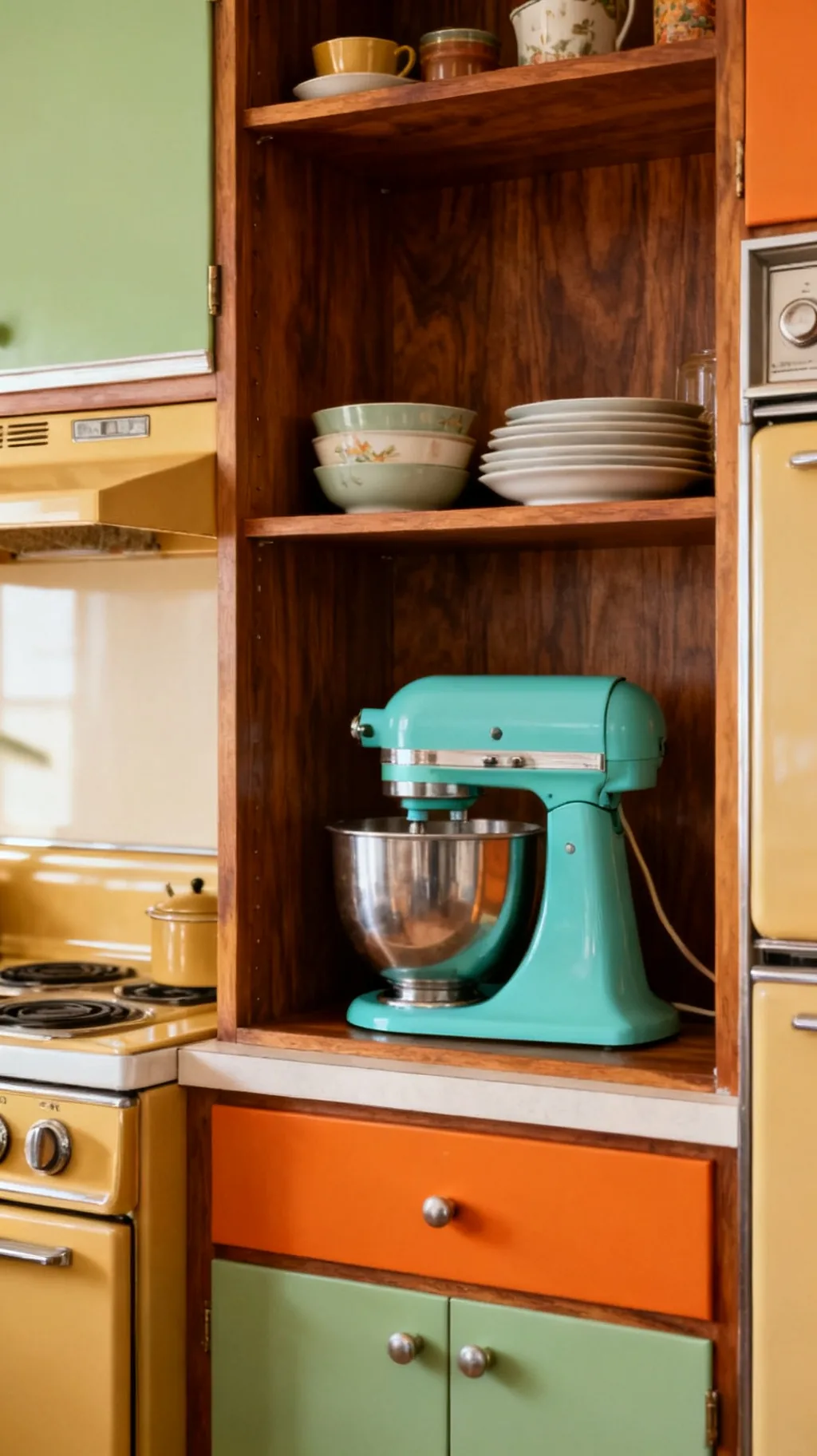
Turquoise was the cool, breezy counterpoint to all that warm gold and orange. A splash of it feels fresh and beachy while staying firmly mid-century. You can add it in small doses and still get that retro lift.
What to Look For
- Small appliances: a turquoise mixer or toaster makes a happy statement.
- Open shelving: a row of turquoise dishes adds color you actually use.
- Balance it: pair cool turquoise with warm wood to keep it cozy.
A touch of turquoise keeps the palette lively and bright.
12. Hang Cafe Curtains With Fun Trim
 Shop this look: retro cafe curtains
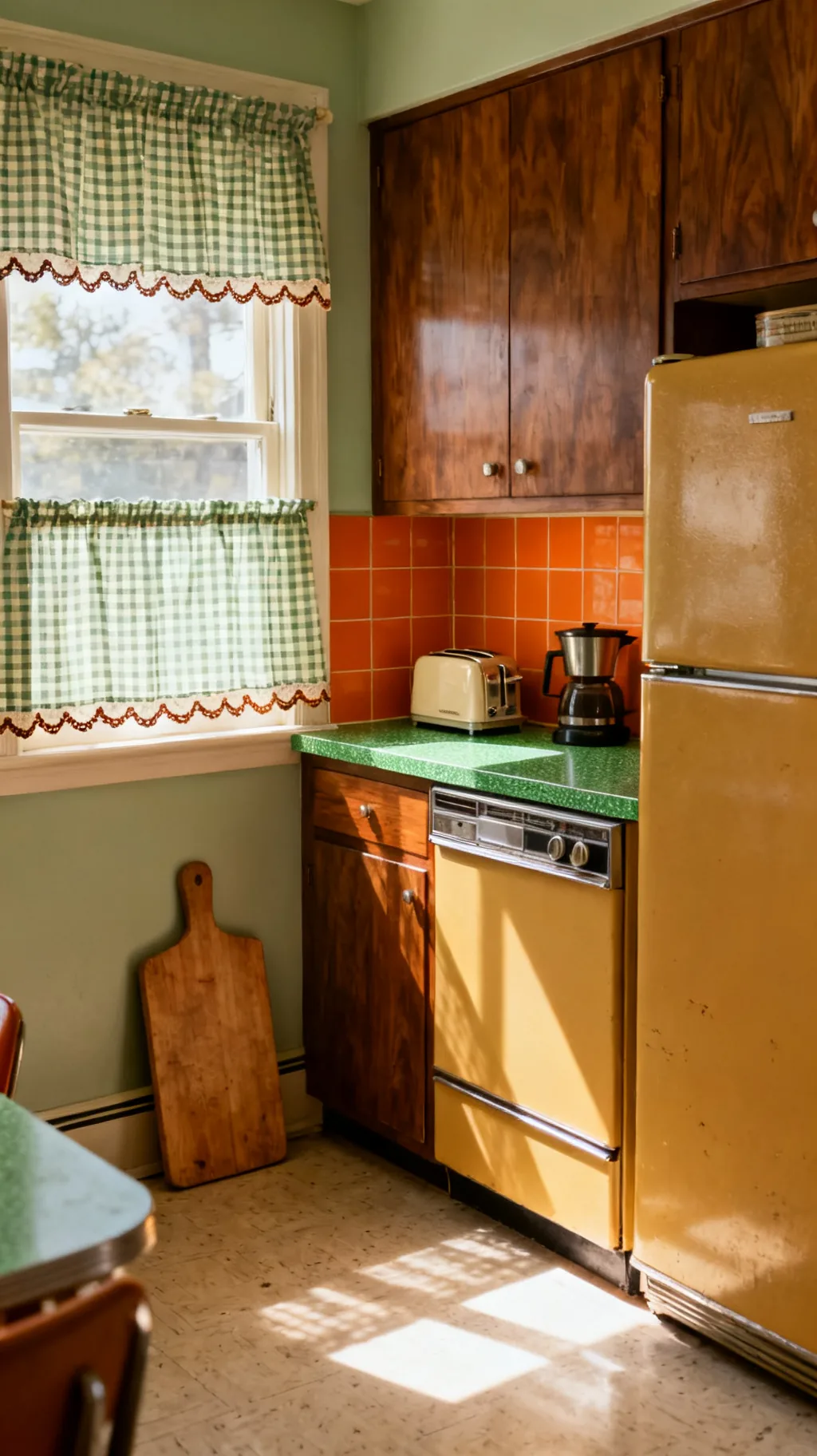
Short cafe curtains covering just the lower half of the window were a 60s favorite. They let in light up top while adding softness and a hit of pattern below. A ruffled or rickrack trim takes them straight back in time.
Where to Start
- Half height: mount the rod across the window’s midpoint.
- Cheerful prints: gingham, florals, or geometric prints all work.
- Add trim: rickrack or pom-pom edging adds that homemade charm.
Cafe curtains frame the window with cozy, retro warmth.
13. Show Off Vintage Pyrex on Open Shelves
 Shop this look: a retro canister set
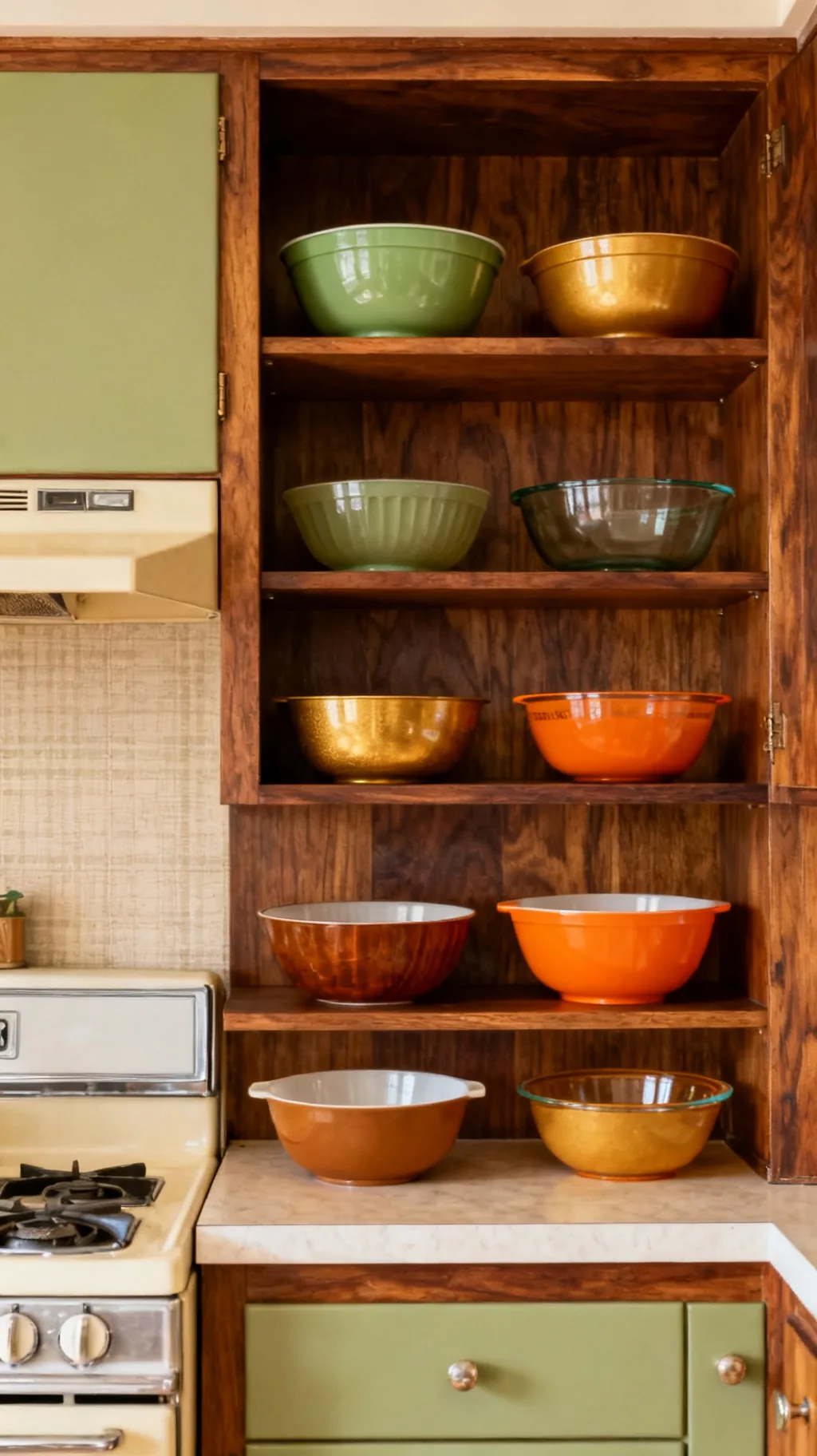
Colorful Pyrex bowls and casserole dishes are pure 60s nostalgia and genuinely useful. Lined up on open shelving, they double as decor and everyday tools. A friend of mine inherited a whole stack and now they are the prettiest thing in her kitchen.
How to Pull It Together
- Group by color: arrange pieces in soft color families for a tidy look.
- Mix sizes: stack nesting bowls and stand a casserole dish upright.
- Hunt secondhand: thrift stores and estate sales are full of them.
A display of vintage Pyrex blends function with cheerful color.
14. Frame a Wood-Paneled Accent Wall
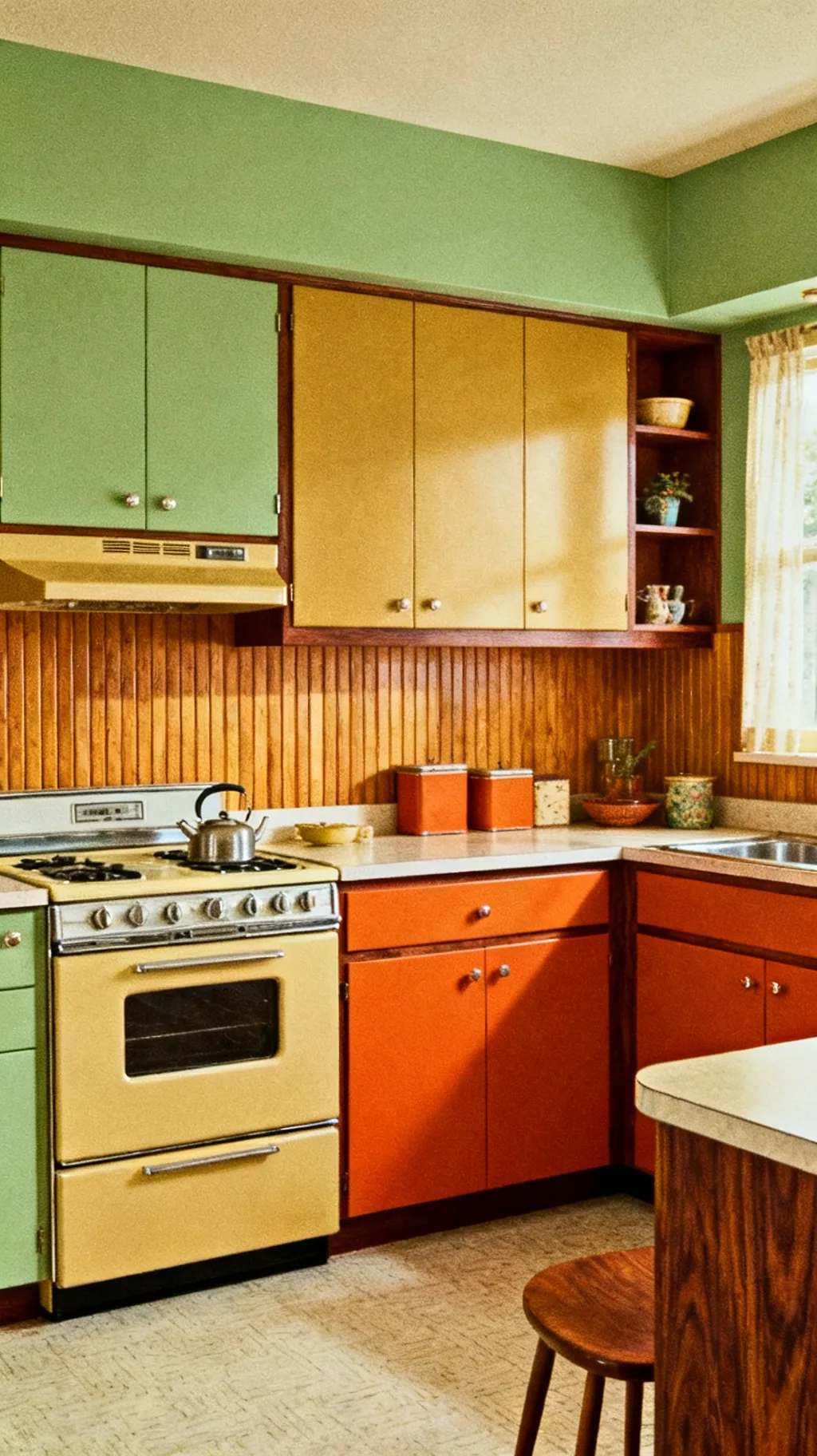
Warm wood paneling wrapped many a 60s kitchen and gave it that snug, den-like feel. You do not need to panel the whole room to capture it. One accent wall of horizontal or vertical planks adds instant retro texture.
What to Look For
- Warm tones: honey and walnut planks feel most period-correct.
- Horizontal runs: wide horizontal boards feel relaxed and modern too.
- Keep it matte: a low-sheen finish reads cozy, not dated.
A wood-paneled wall wraps the room in warmth and character.
15. Pick Bold Mustard and Brown Tile
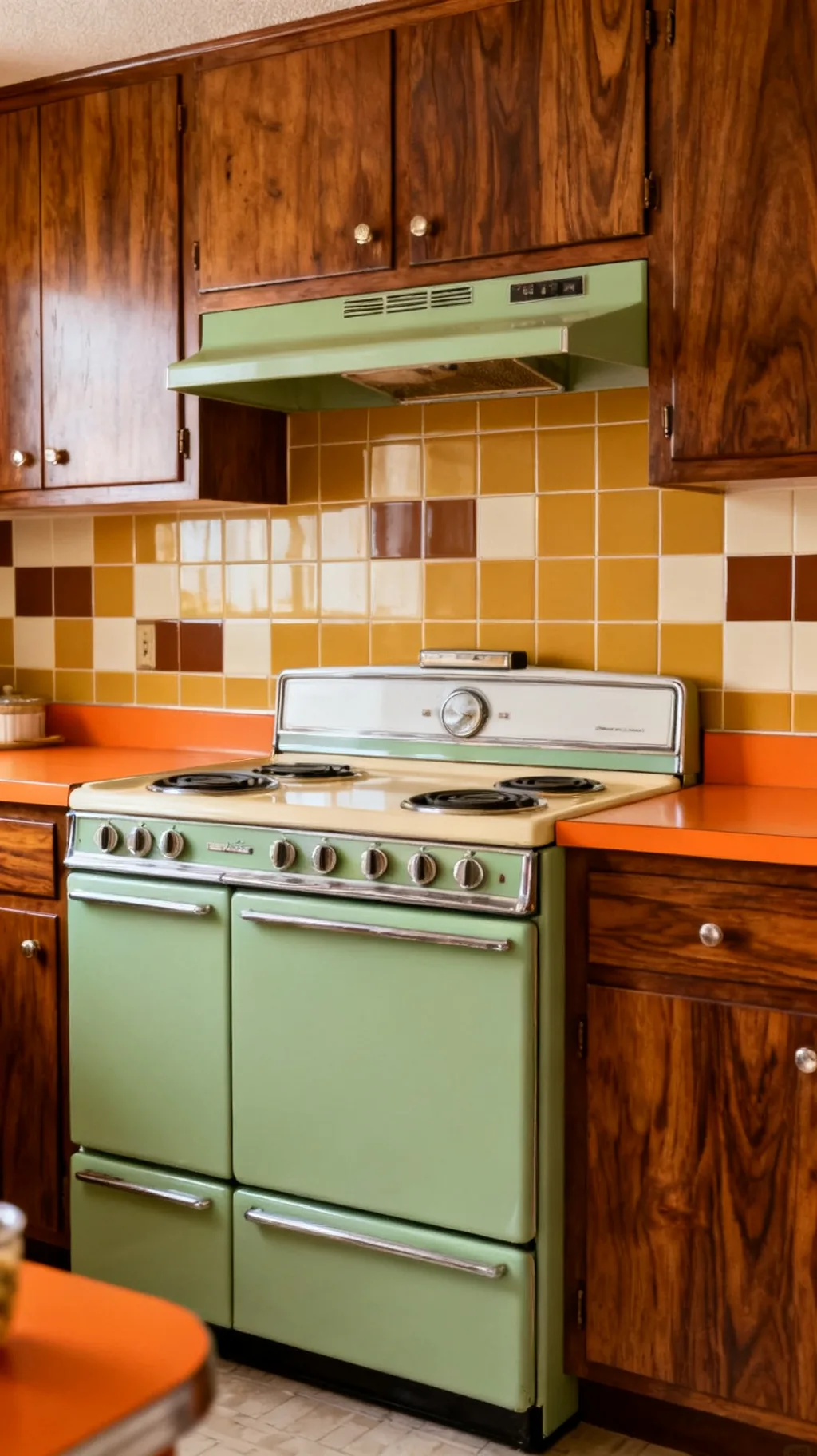
Backsplash tile in mustard, brown, and cream was a quiet 60s signature. The earthy mix feels grounded and warm against wood cabinets. A small tiled area is an easy weekend project with big retro payoff.
Where to Start
- Earthy mix: blend mustard, brown, and cream tiles for depth.
- Glossy finish: a shiny glaze catches light and feels authentic.
- Contain it: tile just the area behind the stove to start small.
An earthy tiled backsplash adds rich, vintage color where it counts.
Scroll through and see which one speaks to you.
 1 / 5
1 / 5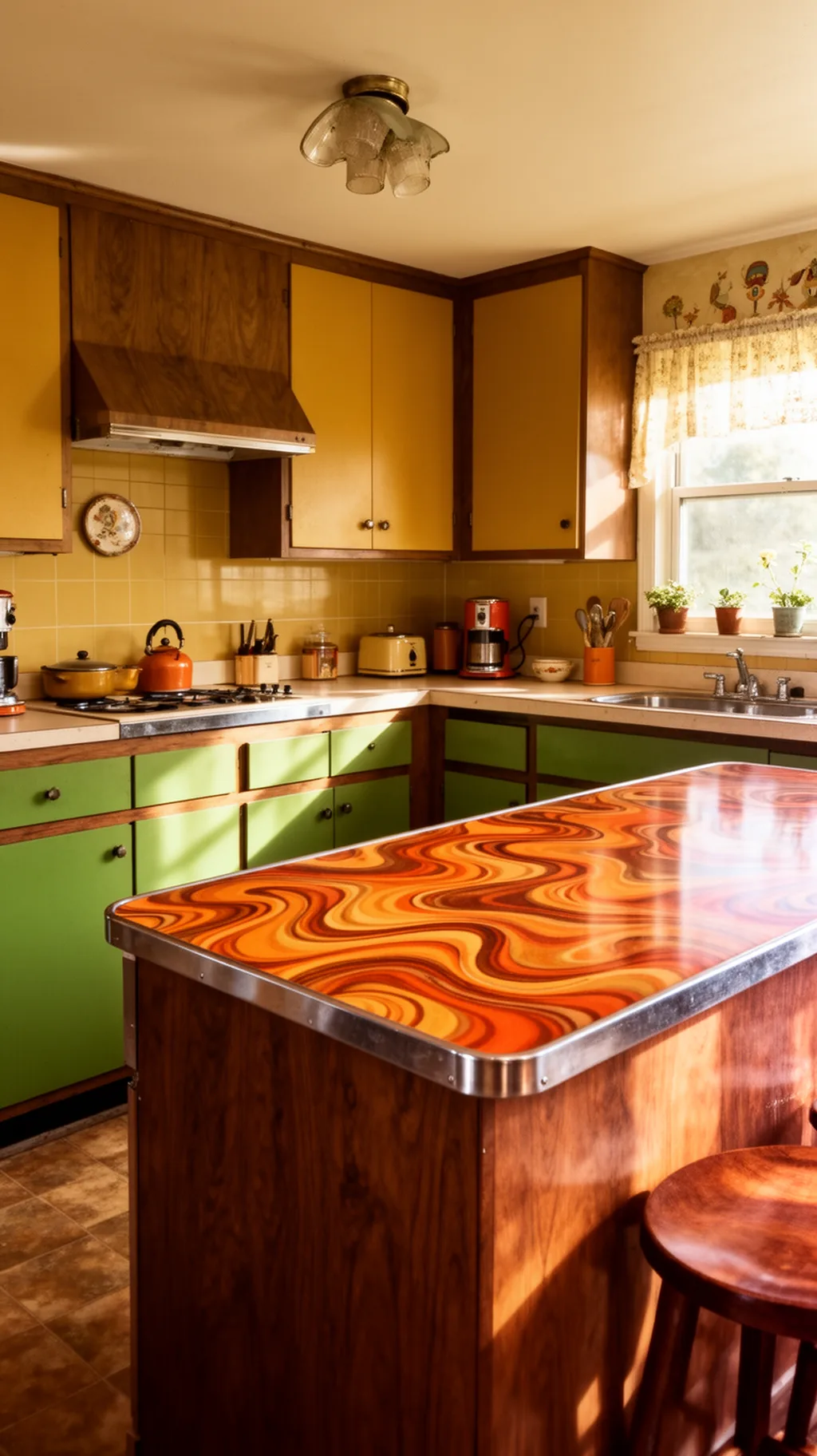 2 / 5
2 / 5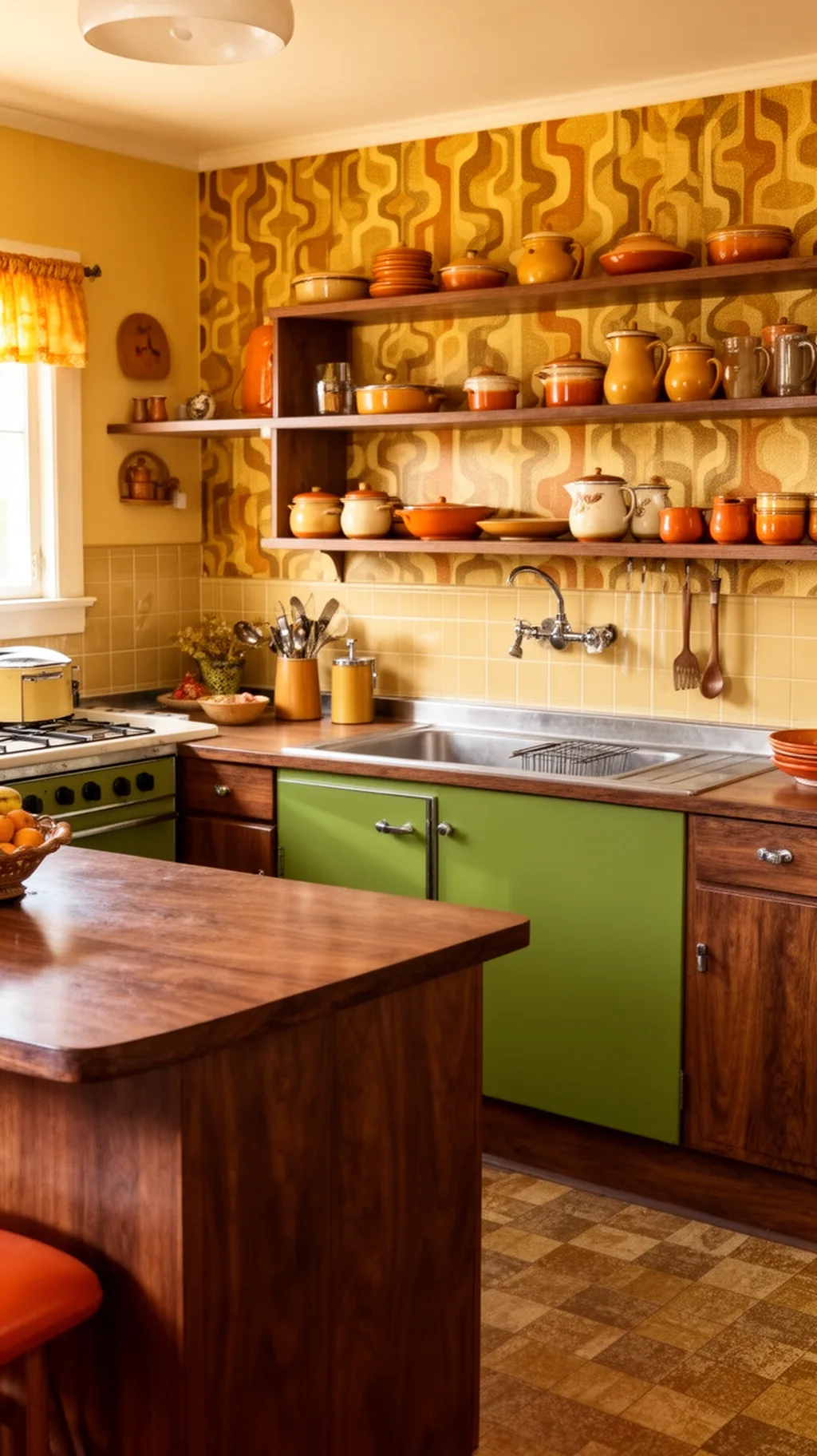 3 / 5
3 / 5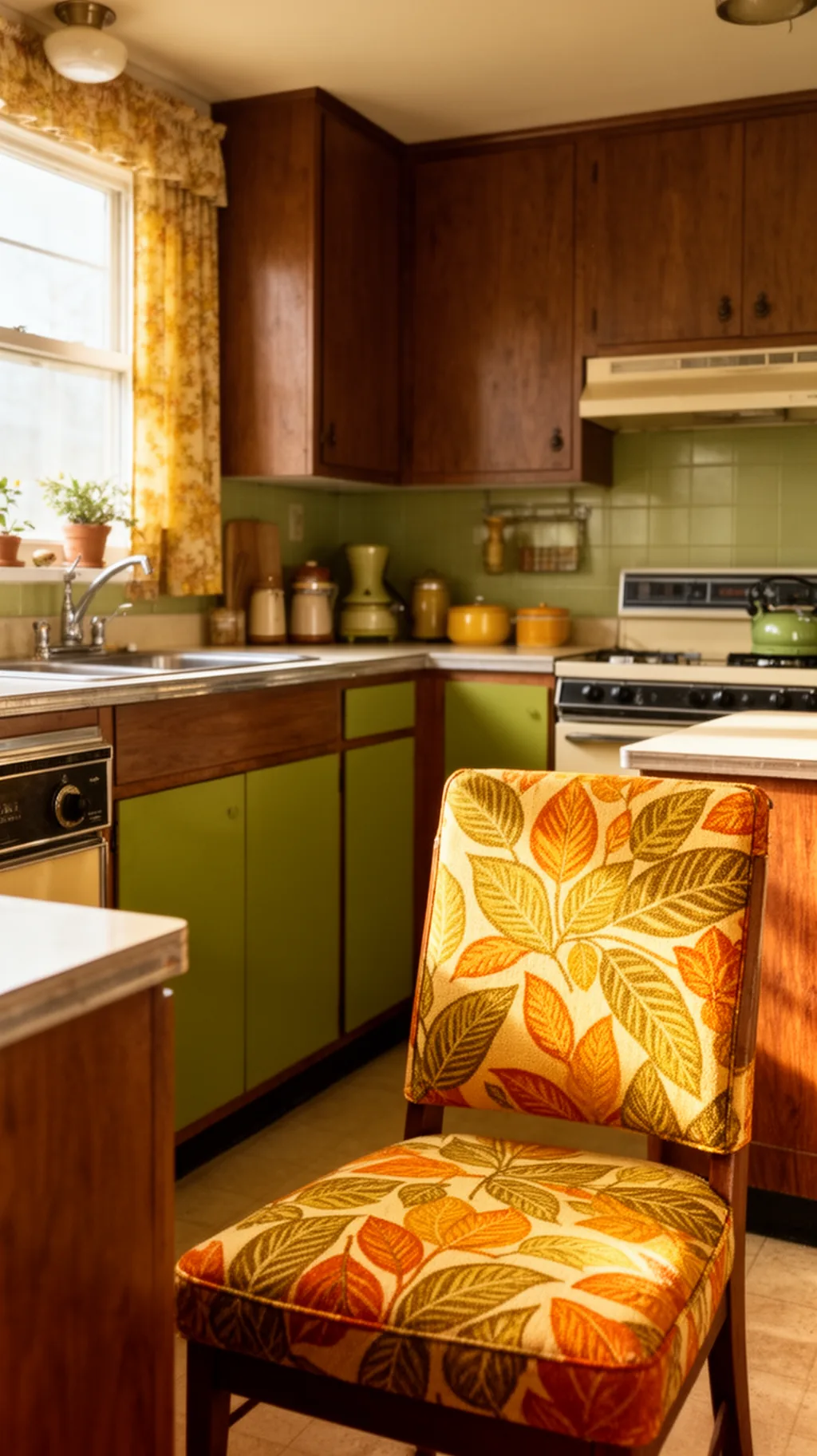 4 / 5
4 / 5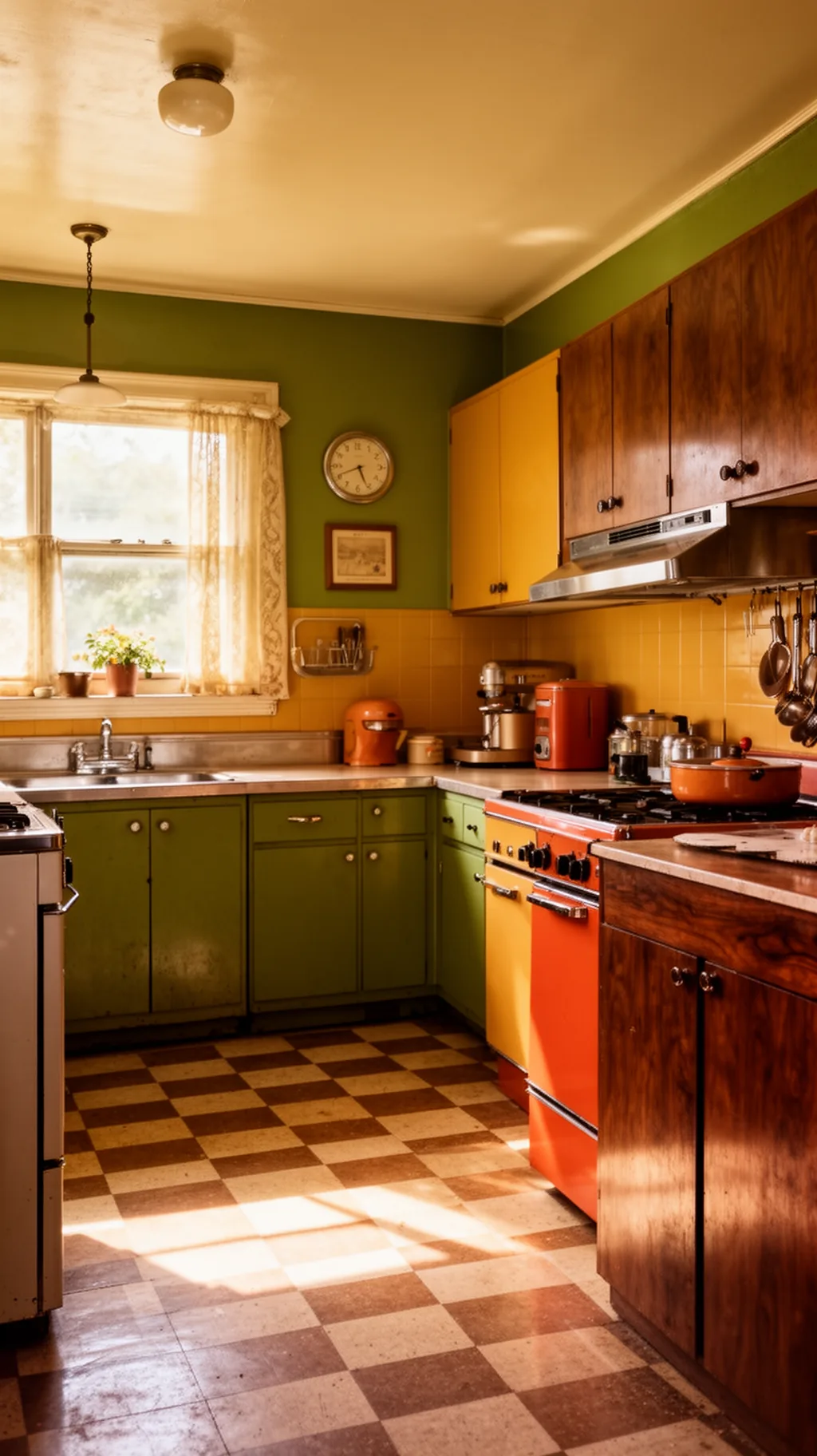 5 / 5
5 / 516. Set Out a Retro Percolator Coffee Station
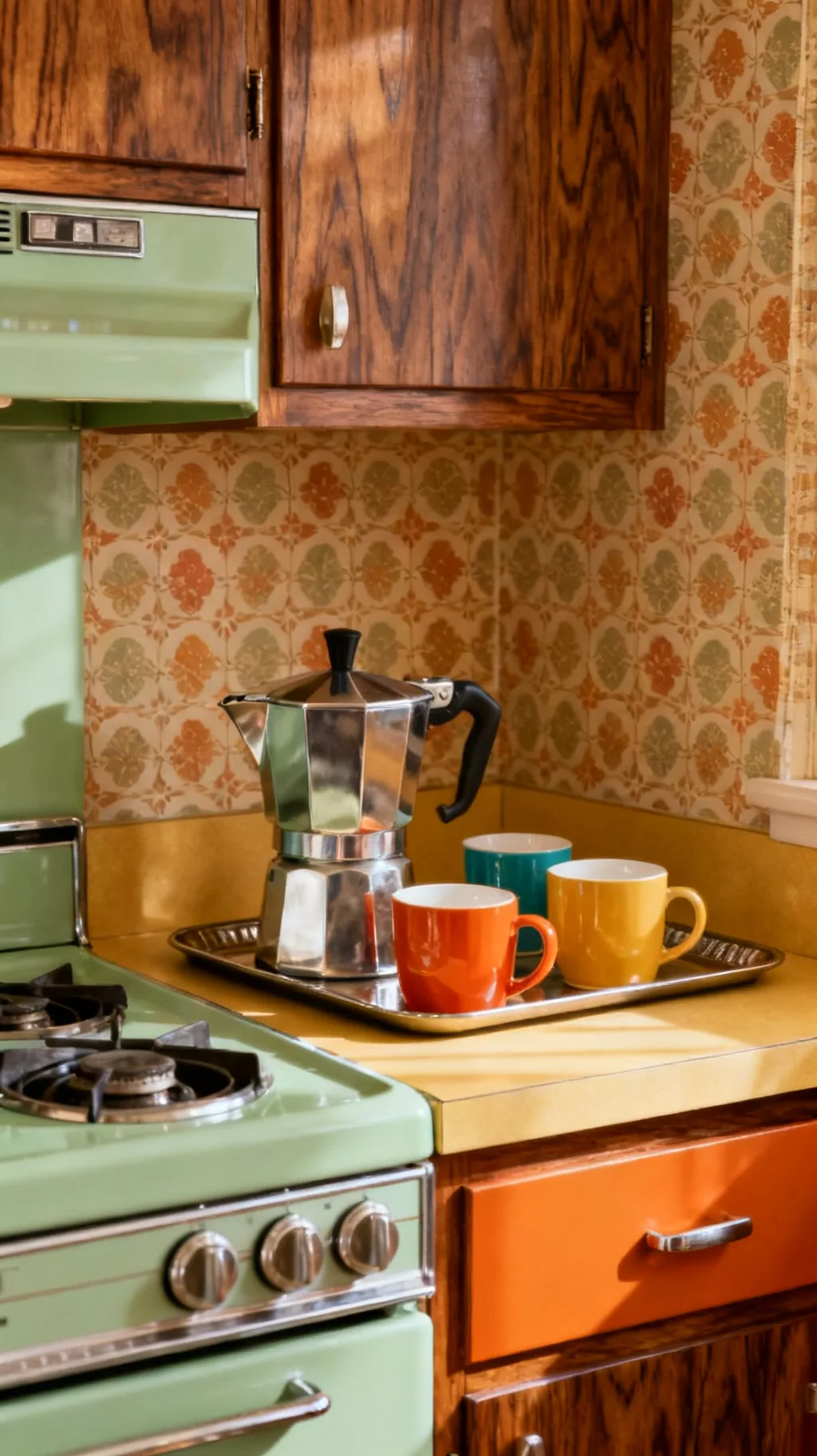 Shop this look: a retro electric percolator
Before fancy machines, the stovetop percolator was the star of the morning routine. A chrome percolator on the counter is both useful and full of charm. I keep coming back to little stations like this because they make a kitchen feel truly lived in.
How to Pull It Together
- Chrome shine: a polished percolator anchors the little display.
- Add mugs: a row of colorful vintage mugs completes the station.
- Tray it: corral everything on a small tray to keep it tidy.
A retro coffee station makes mornings feel a little more special.
17. Choose Rounded Retro Appliances
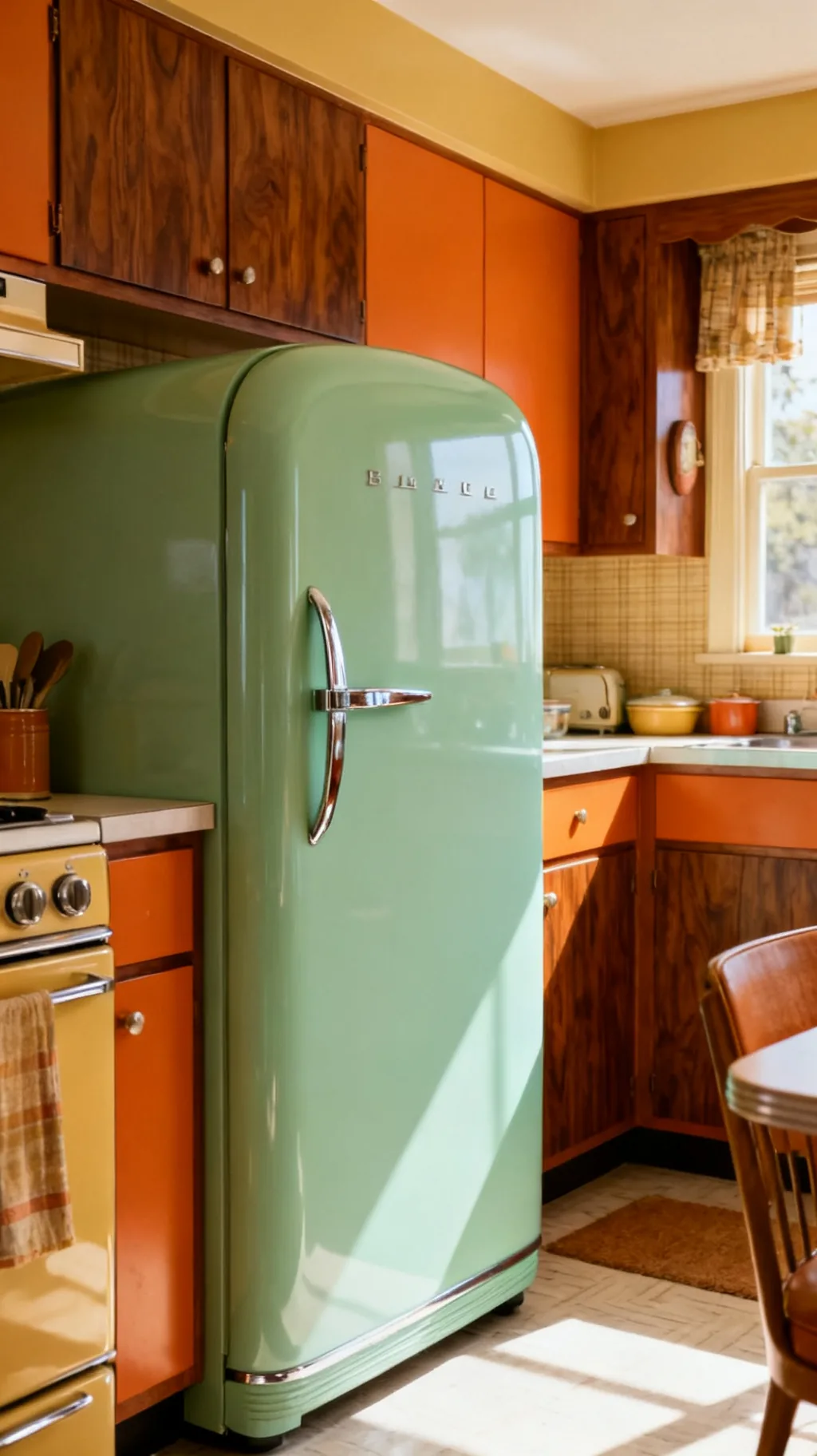 Shop this look: a retro toaster
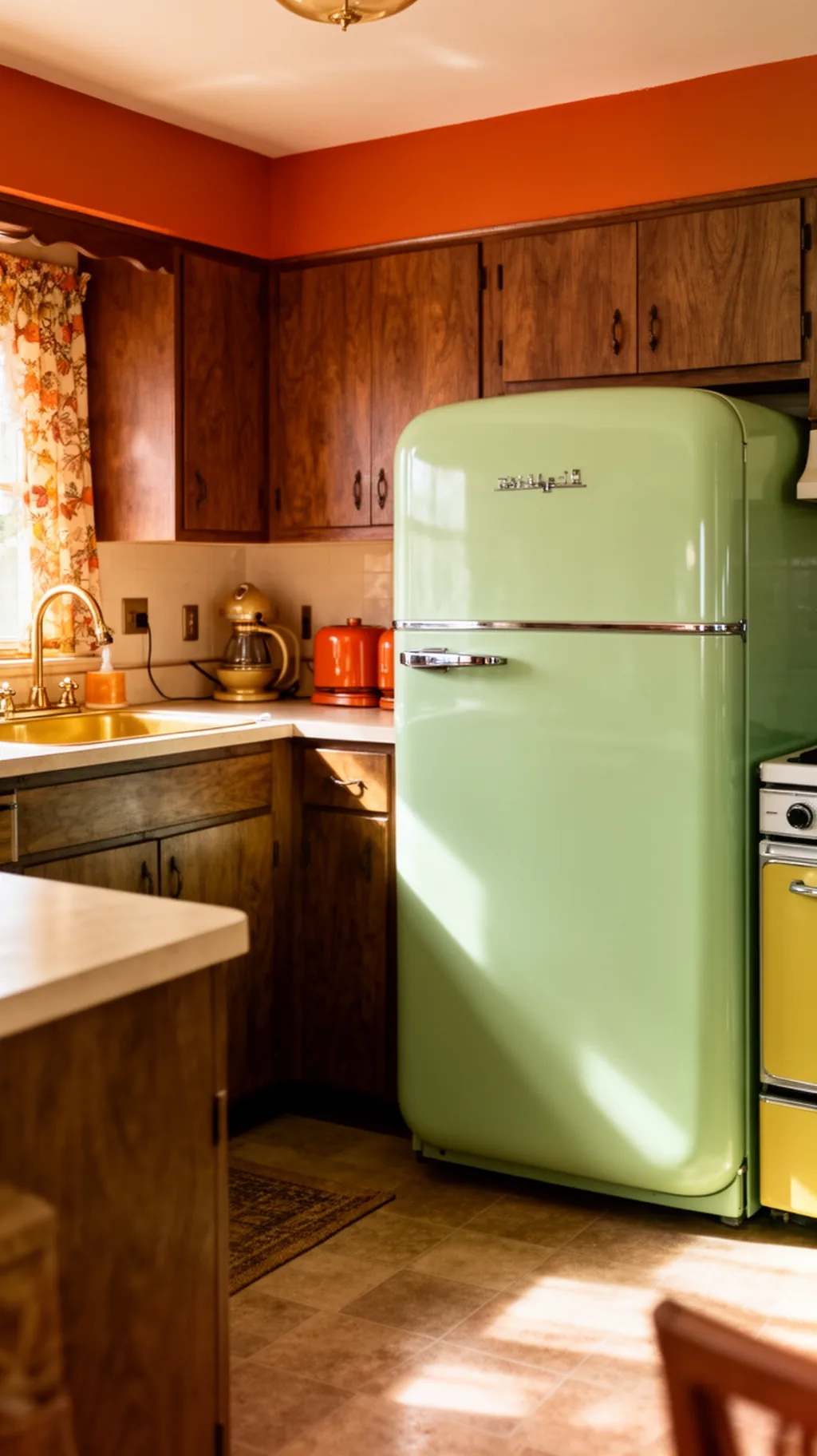
Those soft, rounded edges and chrome handles are the silhouette of the era. Modern brands now make refrigerators and small appliances with that same friendly shape. You get the look you love with the reliability you actually need.
What to Look For
- Curved corners: rounded shapes instantly read mid-century.
- Chrome details: shiny handles and trim seal the retro feel.
- Soft colors: mint, cream, and pale blue all suit the era.
Rounded appliances carry the retro silhouette into daily use.
&# 10024; Love a specific decade?see our 70s inspired kitchen ideas→18. Add a Wall-Mounted Rotary Phone Nook
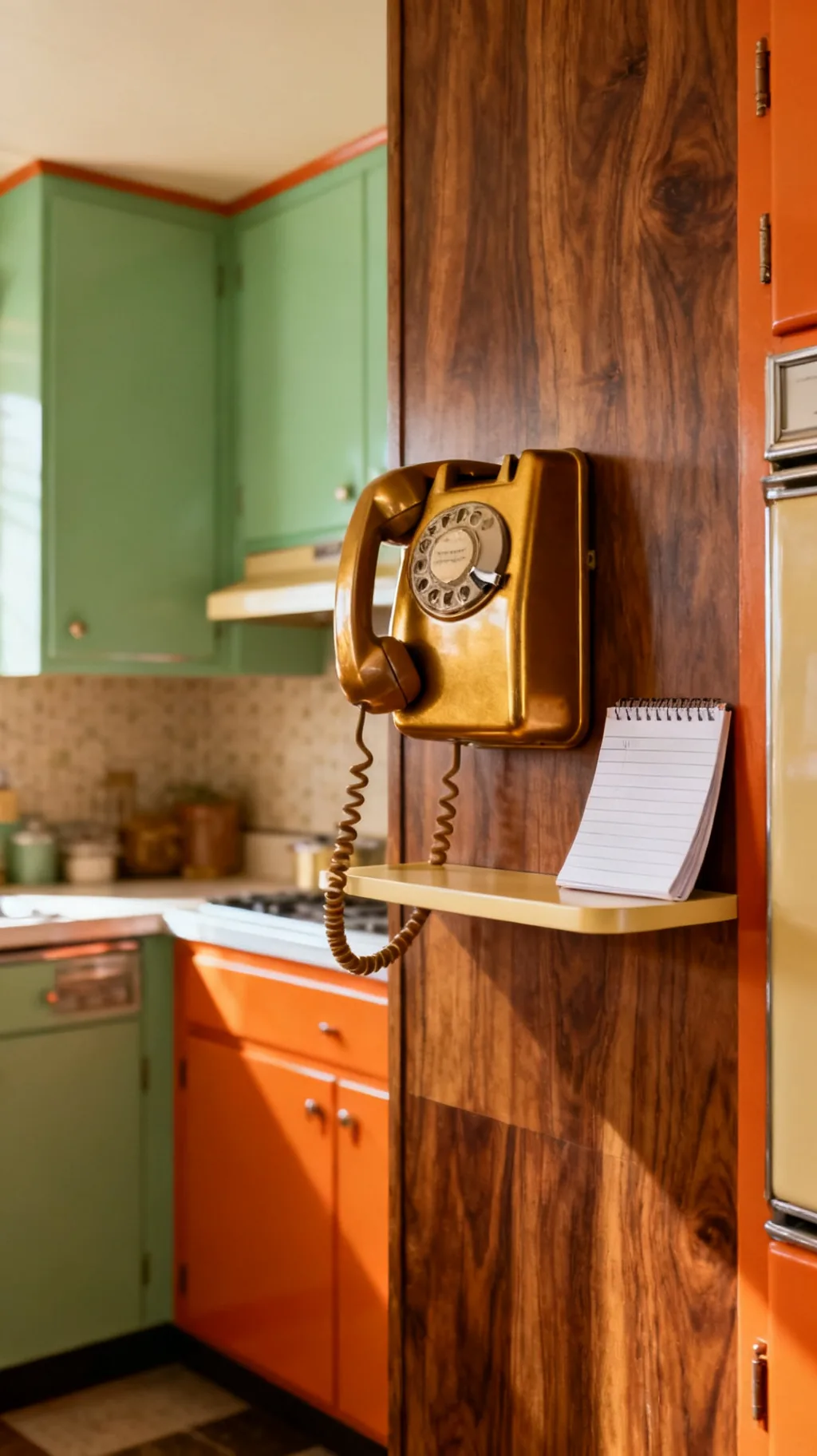
A wall phone with a long curly cord was a kitchen fixture for decades. Even as decor, it adds a playful wink to the past. Tucked into a corner with a notepad, it becomes a charming little vignette.
Where to Start
- Pick a color: a red or harvest gold phone pops against the wall.
- Make a nook: add a small shelf and notepad below it.
- Go vintage: thrift stores and estate sales often have them.
A retro phone nook adds a fun, nostalgic detail to the room.
19. Layer in Atomic Barkcloth Textiles
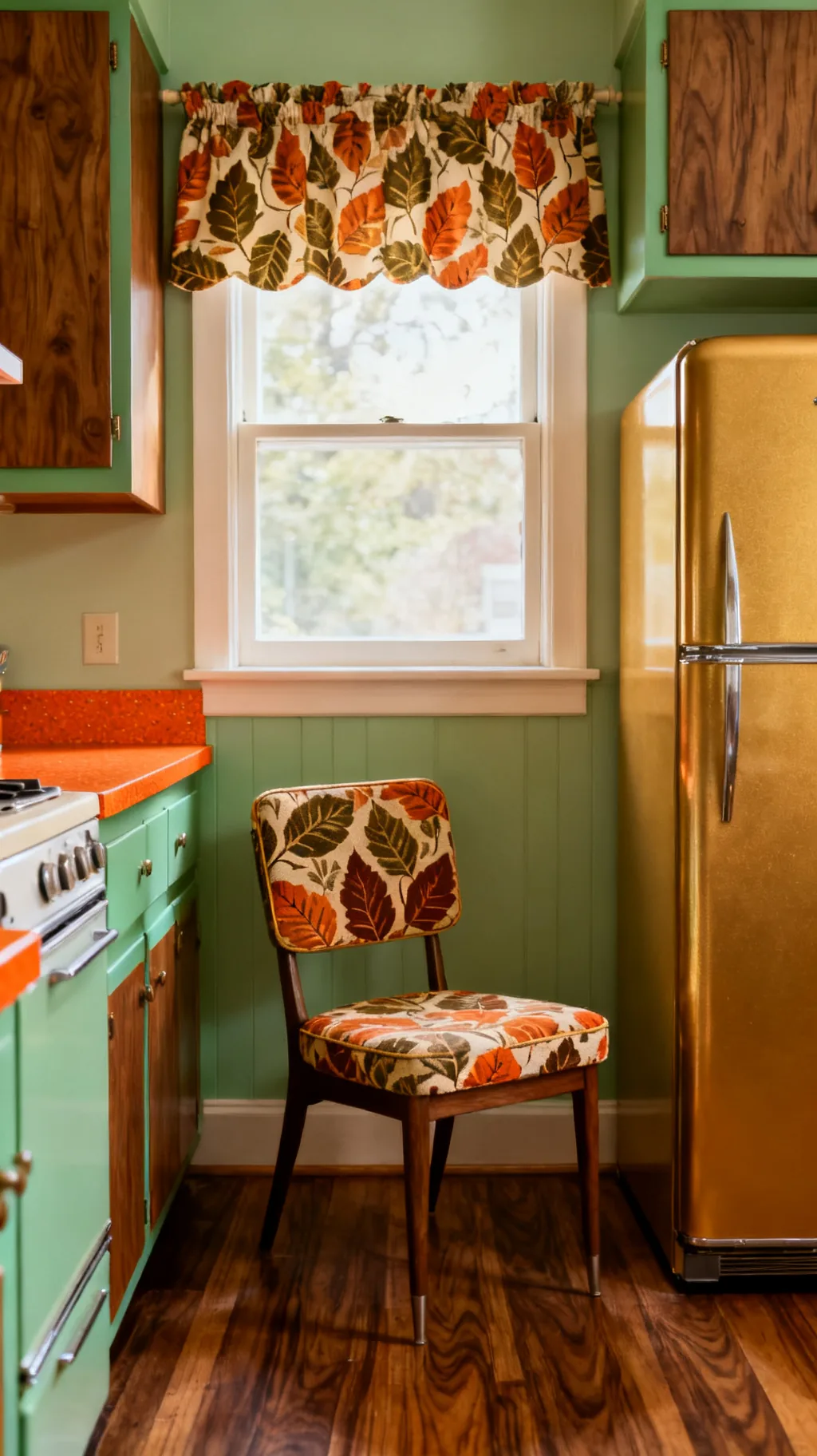
Barkcloth, with its nubby texture and bold prints, dressed many 60s windows and chairs. The fabric holds color beautifully and feels wonderfully tactile. A pillow, a chair seat, or a valance is enough to bring it in.
How to Pull It Together
- Small pieces: recover a chair seat or make a simple valance.
- Bold prints: leaf, starburst, and abstract patterns shine here.
- Mix textures: pair nubby barkcloth with smooth vinyl seats.
Barkcloth adds rich pattern and cozy texture to the space.
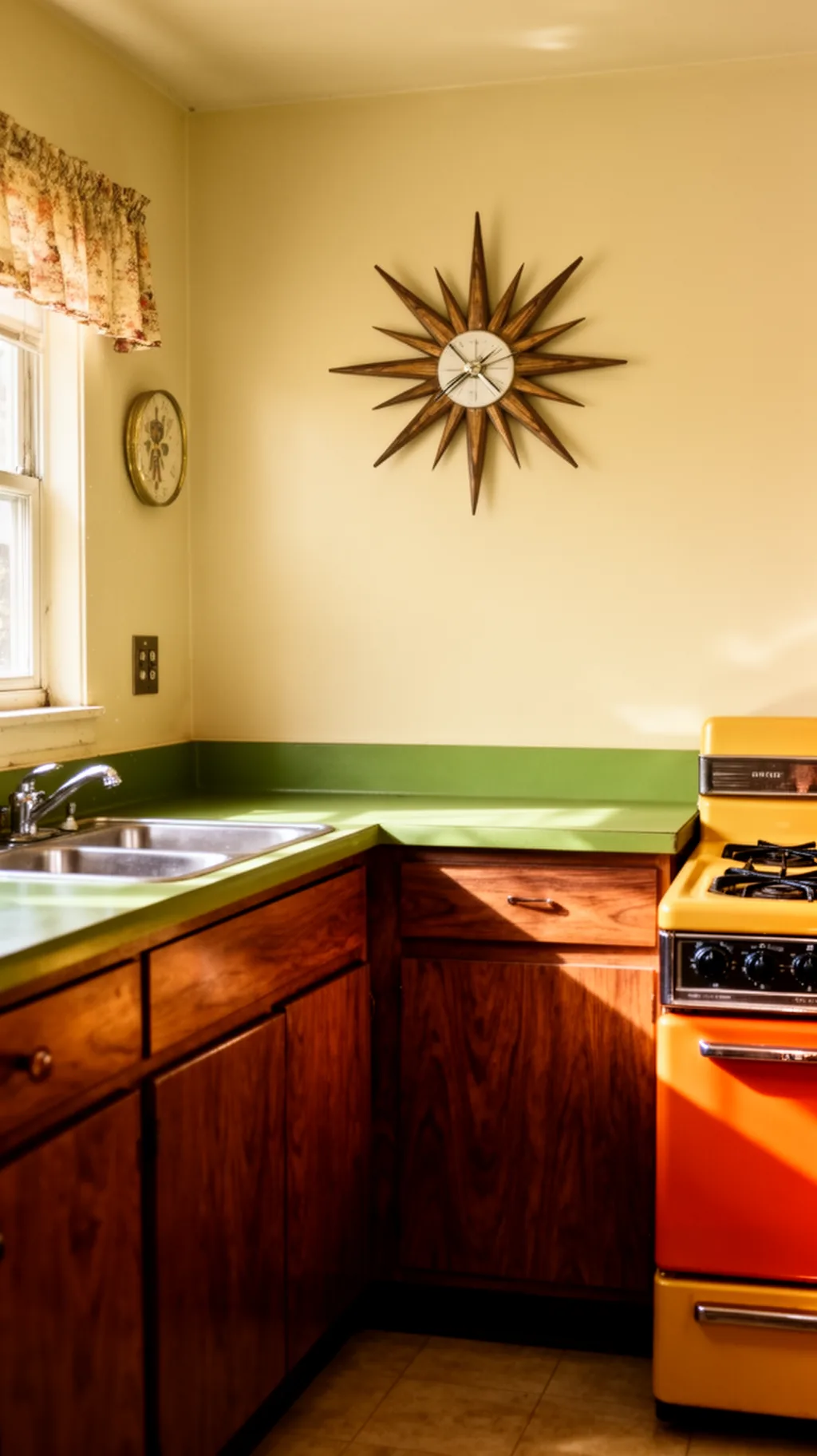
20. Hang a Bold Sunburst Wall Clock
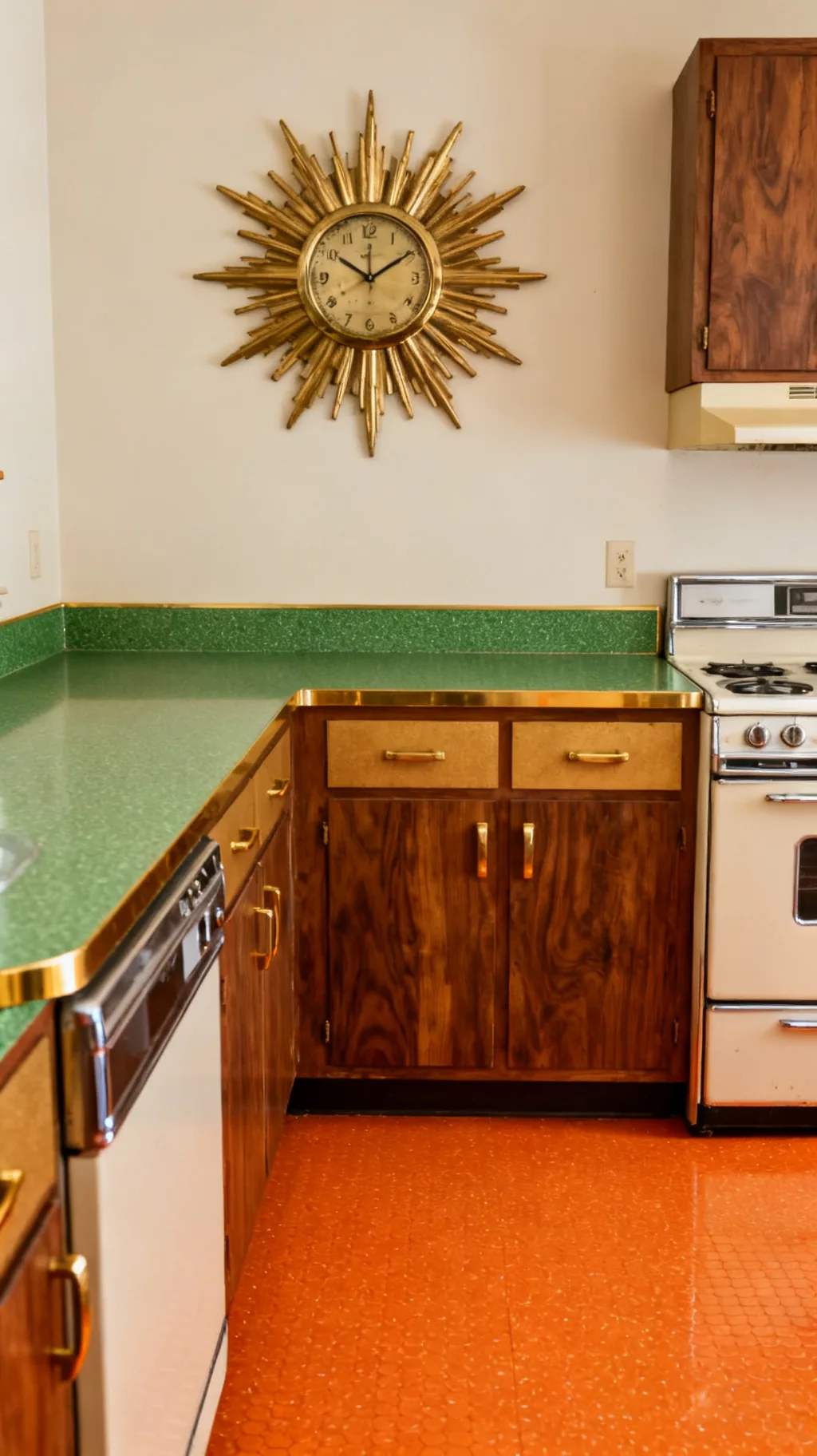
The sunburst clock is maybe the most recognizable piece of mid-century decor. Its radiating spokes feel cheerful and draw the eye the second you walk in. One on a bare wall does more than a dozen smaller pieces could.
What to Look For
- Big and bold: a larger clock makes a stronger statement.
- Warm finish: brass or wood spokes feel period-correct.
- Clear wall: give it breathing room so the shape stands out.
A sunburst clock crowns a blank wall with instant retro flair.
A few more to spark your imagination.
 1 / 5
1 / 5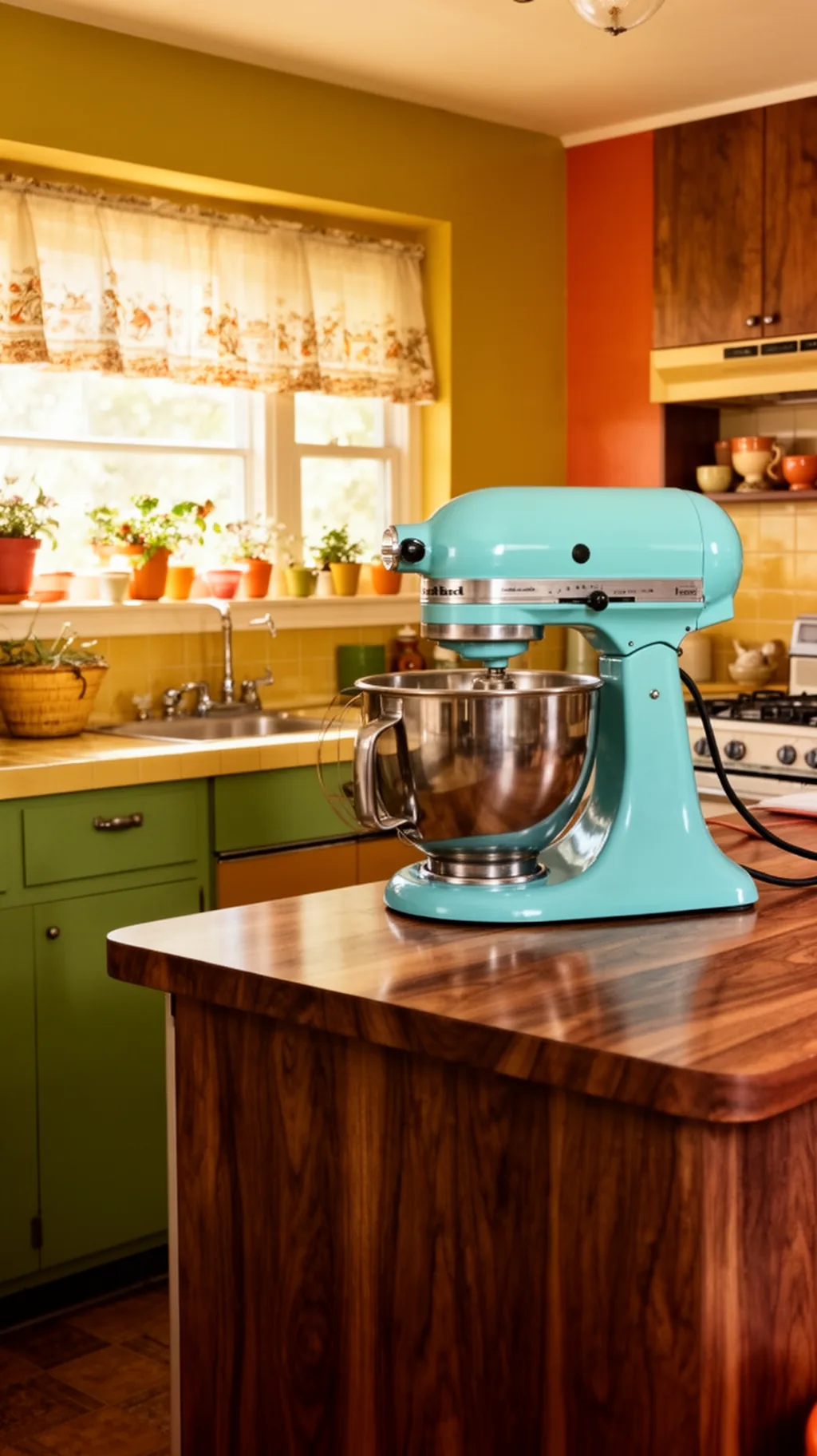 2 / 5
2 / 5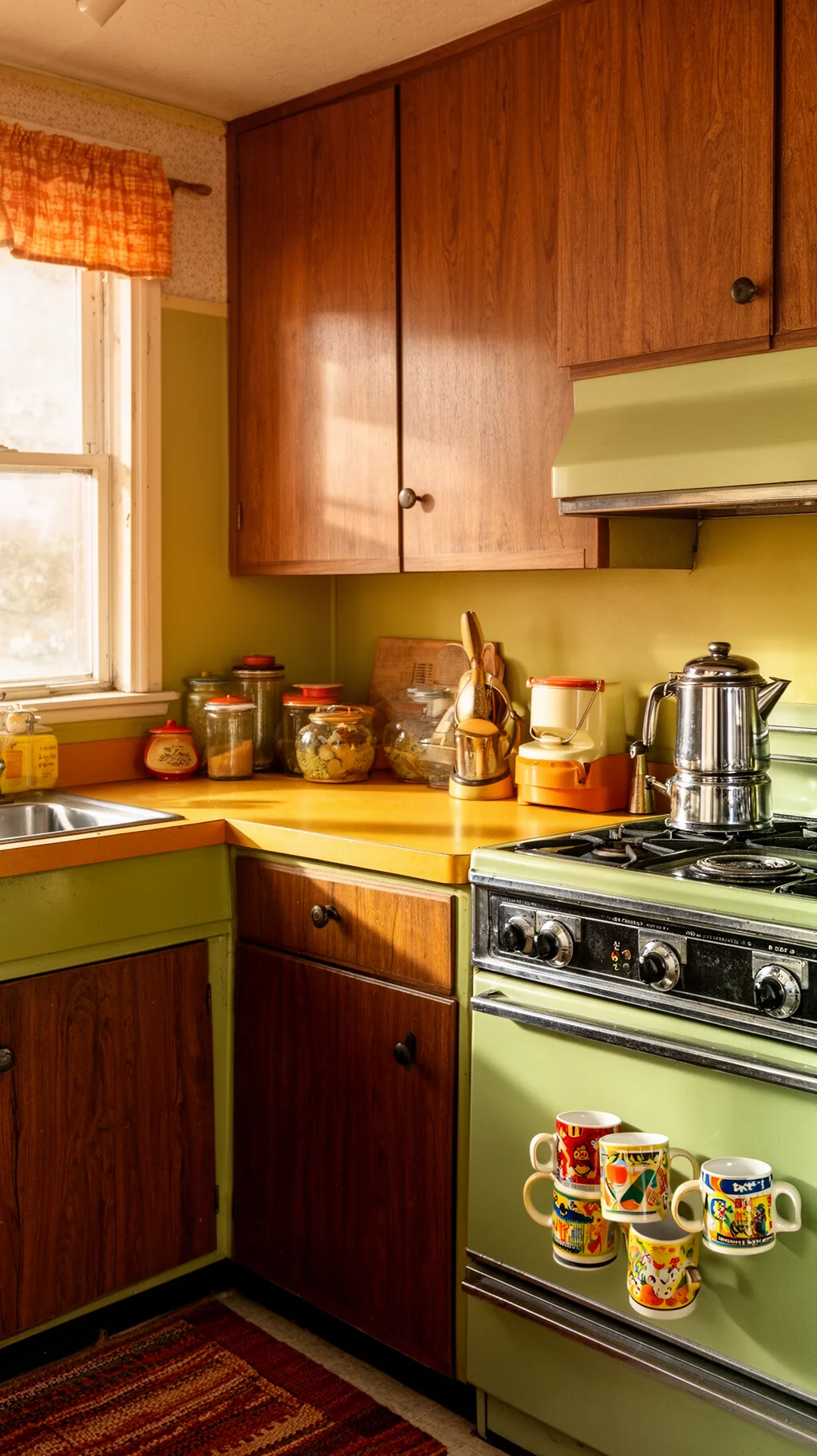 3 / 5
3 / 5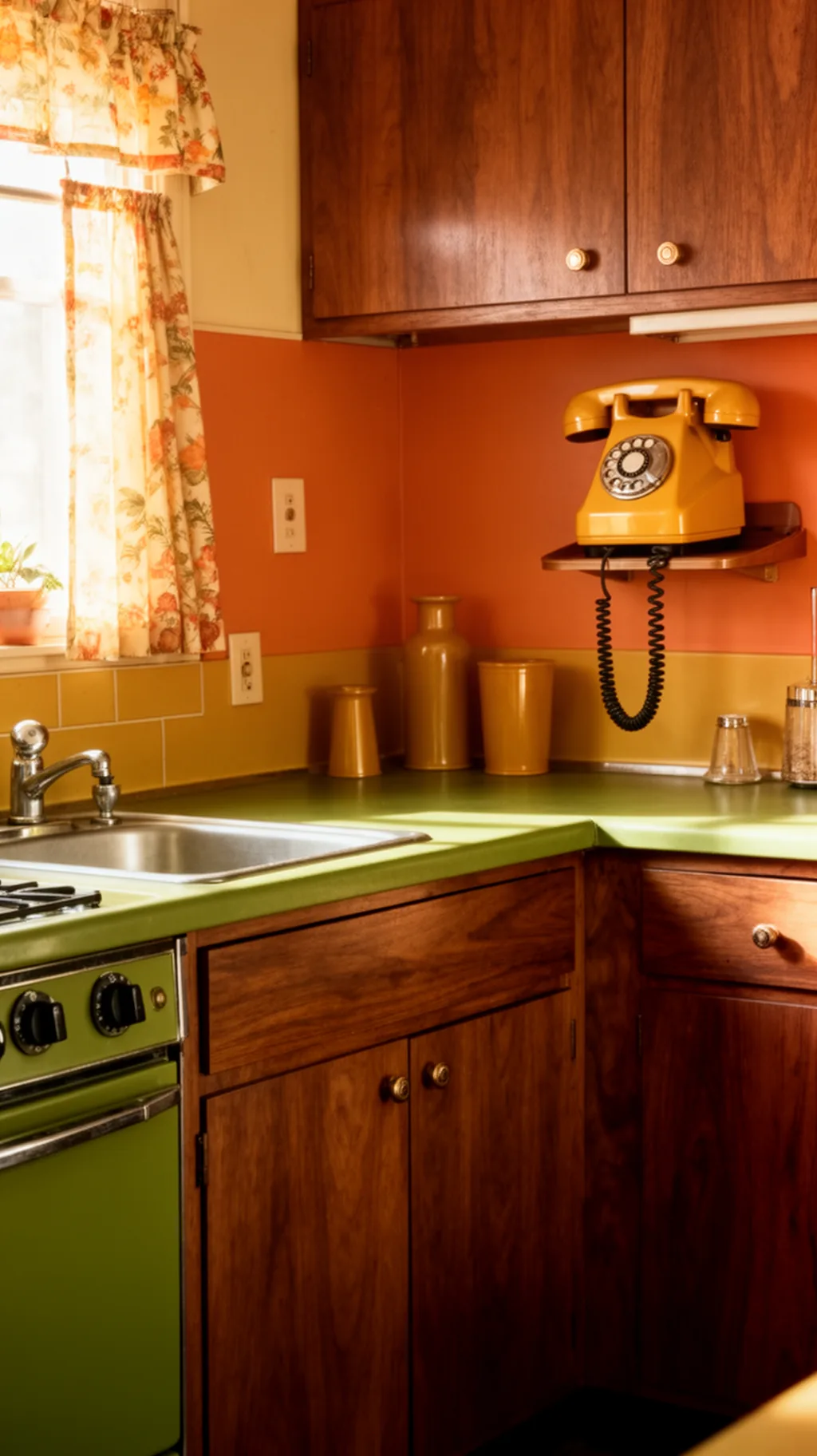 4 / 5
4 / 5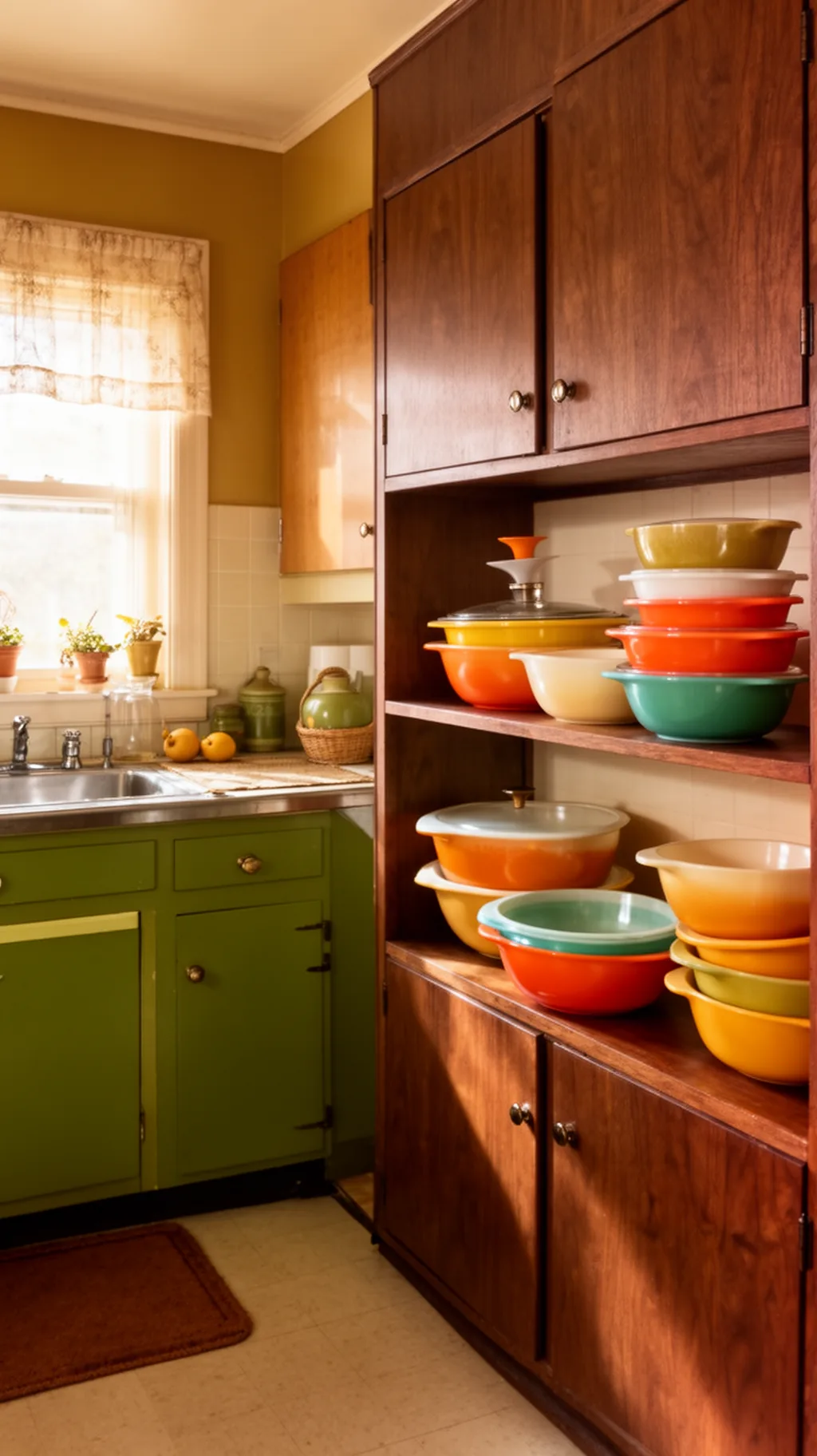 5 / 5
5 / 521. Use Open Wood Shelving Instead of Uppers
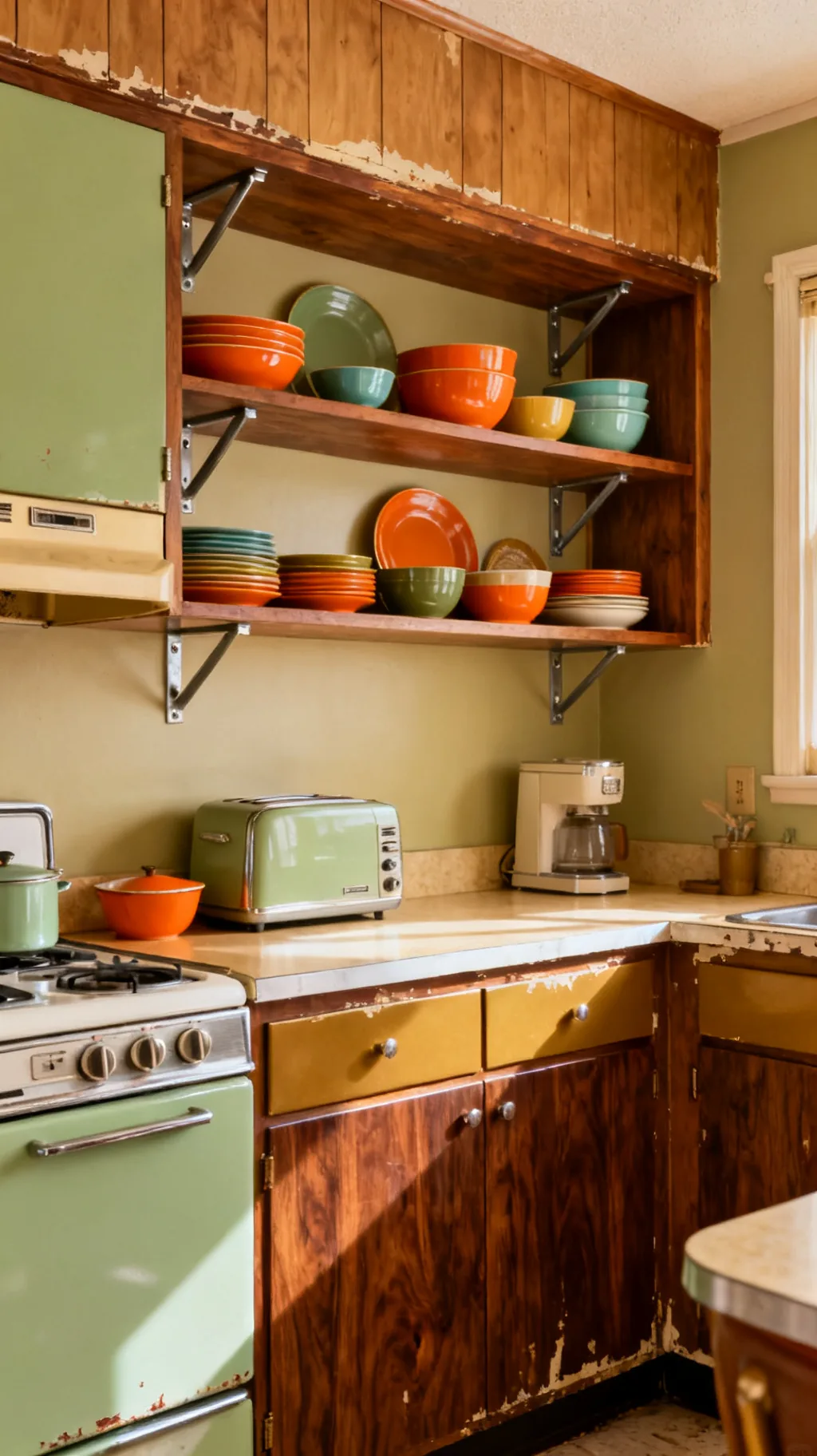
Open shelving felt fresh and airy in the 60s and still does today. Swapping a few upper cabinets for warm wood shelves opens the room up. It also gives you the perfect stage for all your colorful retro finds.
Where to Start
- One wall: remove uppers on a single wall to test the look.
- Sturdy brackets: simple metal brackets keep it clean and strong.
- Style sparingly: a few pretty pieces beat a crowded shelf.
Open wood shelving keeps the room bright and full of personality.
22. Mix in Mid-Century Bar Stools
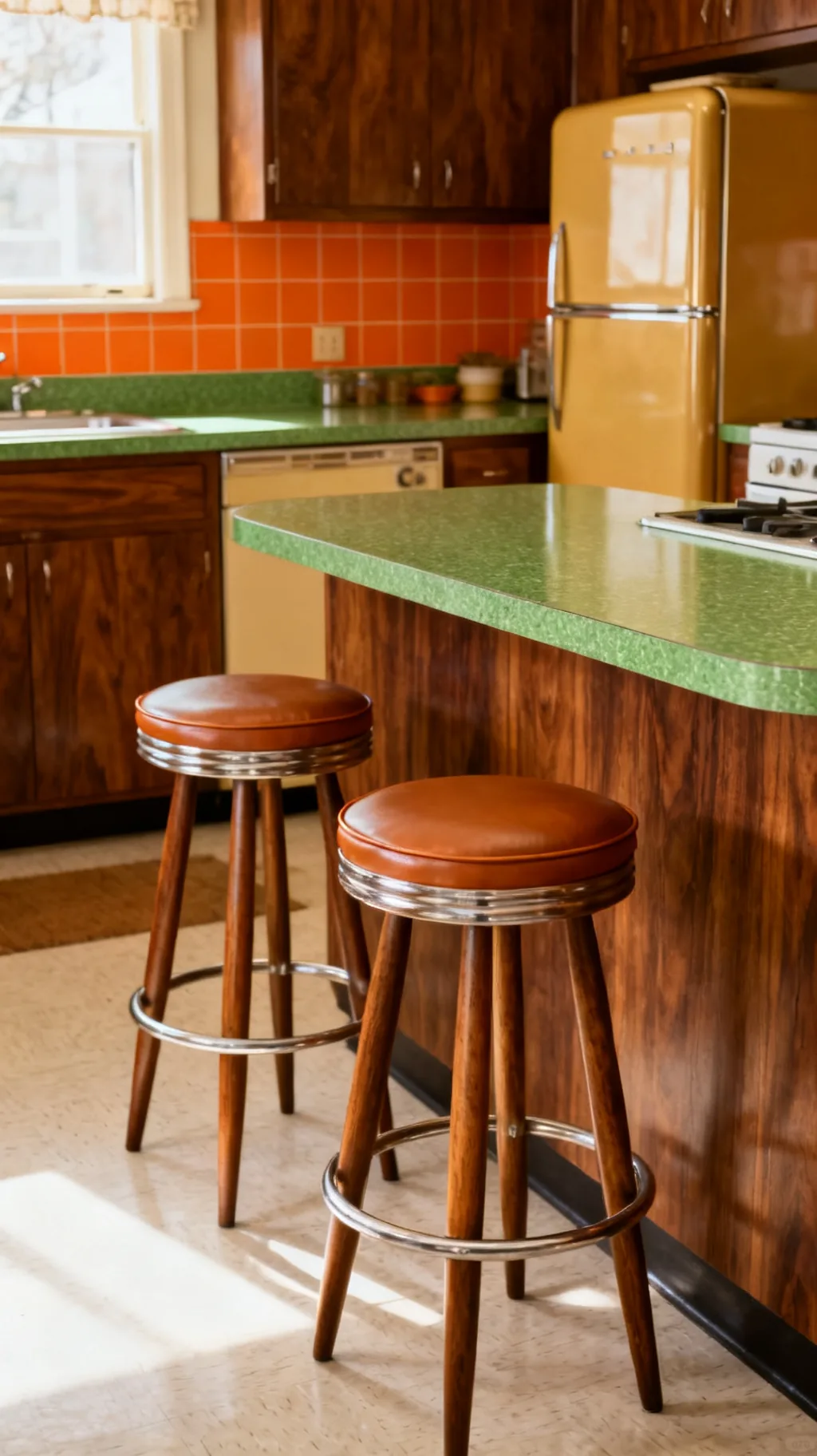 Shop this look: mid-century bar stools · CONSDAN 9-Inch Round Step Stool for Adults &…
Slim wood legs, a swivel seat, and a little vinyl padding make these stools unmistakable. They tuck neatly under a counter or breakfast bar and add a relaxed perch. The shape feels just as comfortable now as it did then.
How to Pull It Together
- Tapered legs: splayed wood legs are the signature detail.
- Vinyl seats: a colored cushion ties them to your palette.
- Right height: measure your counter so they sit comfortably.
Mid-century stools add a casual, welcoming spot to gather.
23. Finish With a Groovy 60s Kitchen Color Palette
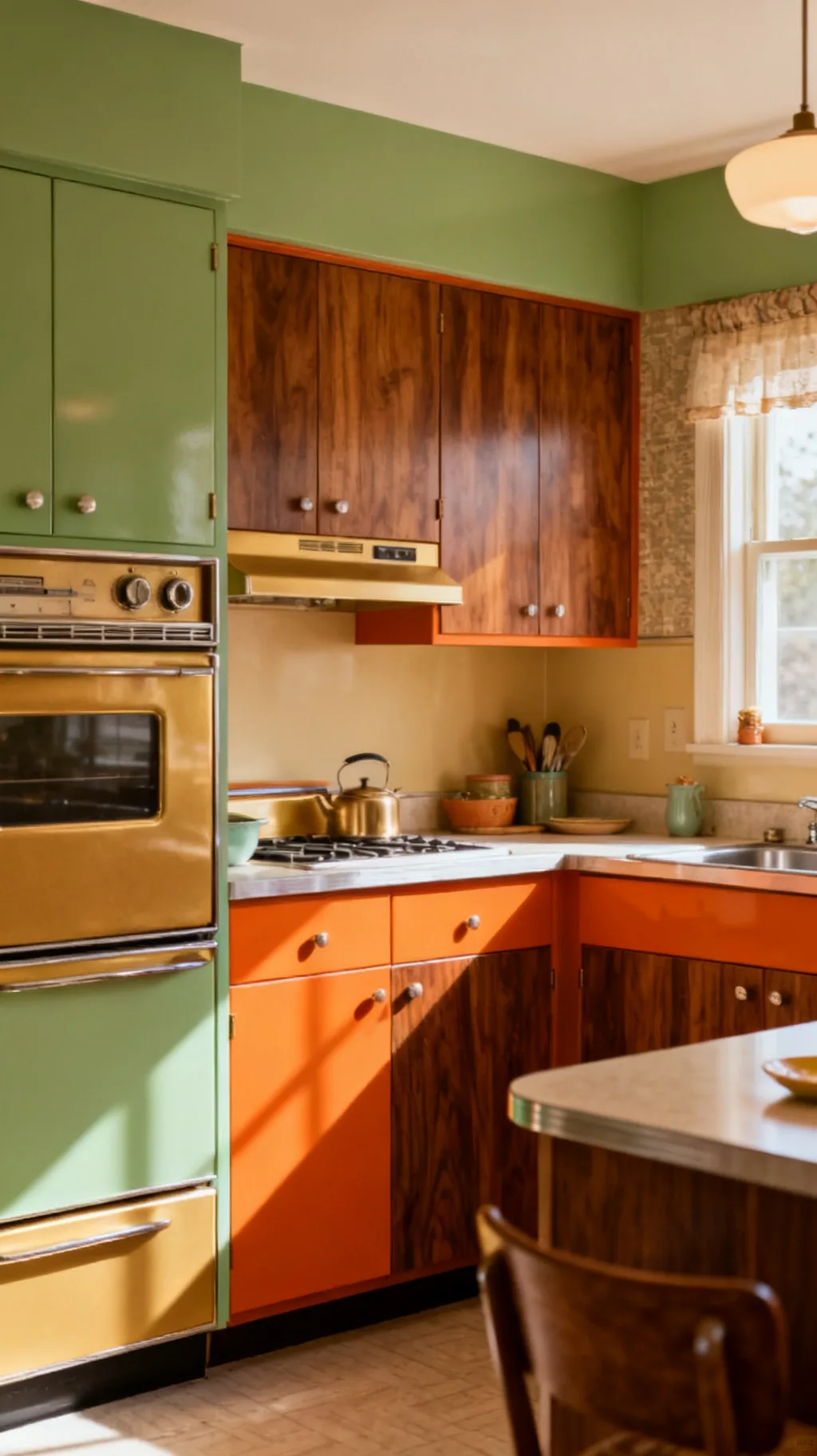
Once the big pieces are in place, the magic is in how the colors talk to each other. A cohesive 60s kitchen palette ties avocado, gold, orange, and wood into one warm story. From what I have gathered, picking three colors and repeating them is the trick that makes it all feel intentional.
What to Look For
- Pick three: choose a warm trio and echo them around the room.
- Repeat thoughtfully: repeat each color in at least two spots.
- Let wood anchor: warm wood keeps bold colors feeling grounded.
A thoughtful palette is what turns separate pieces into one groovy whole.
Frequently Asked Questions
What colors define a 60s kitchen?
A 60s kitchen leans on warm, earthy colors like avocado green, harvest gold, and burnt orange, usually balanced by wood tones. Cooler shades like turquoise often show up as accents. The trick is mixing a few of these colors and repeating them around the room so it feels cohesive.
How do I make a modern kitchen look 1960s without remodeling?
Start with paint, swapping cabinet color or adding a bold accent wall, then layer in vintage finds like a sunburst clock, colorful Pyrex, and a mod light fixture. Cafe curtains and retro textiles add character fast. You can get the look with weekend projects rather than a full renovation.
Were appliances really colored in the 1960s?
Yes, colored appliances were a real point of pride in the 60s. Avocado green, harvest gold, and turquoise refrigerators and stoves were popular and often coordinated with the rest of the kitchen. Today you can find retro-styled appliances in those same cheerful shades.
What flooring works for a 60s kitchen?
Vinyl was the go-to in the 60s, and a black and white checkerboard pattern is the most iconic choice. Peel-and-stick vinyl tiles make it easy to recreate today over most existing floors. Running the squares on a diagonal adds an extra retro touch.
Where can I find authentic 60s kitchen pieces?
Thrift stores, estate sales, and flea markets are great hunting grounds for dinette sets, Pyrex, and small appliances. Look for pieces with rounded shapes, chrome trim, and warm colors that read true to the era. A little patience usually turns up real treasures at budget-friendly prices.
How do I keep a 60s kitchen from feeling dated?
Mix vintage pieces with clean, simple backgrounds so the retro touches feel intentional rather than overwhelming. Let warm wood anchor the bolder colors, and keep clutter to a minimum. A few well-chosen 60s accents read as charming and curated instead of stuck in time.
Final Thoughts
Bringing home a 60s kitchen look is really about capturing a feeling, warm, nostalgic, and full of personality. Start with one or two ideas that make you smile and let the rest grow from there. The best retro kitchens feel collected over time, so have fun with it and make it yours. Happy decorating!