
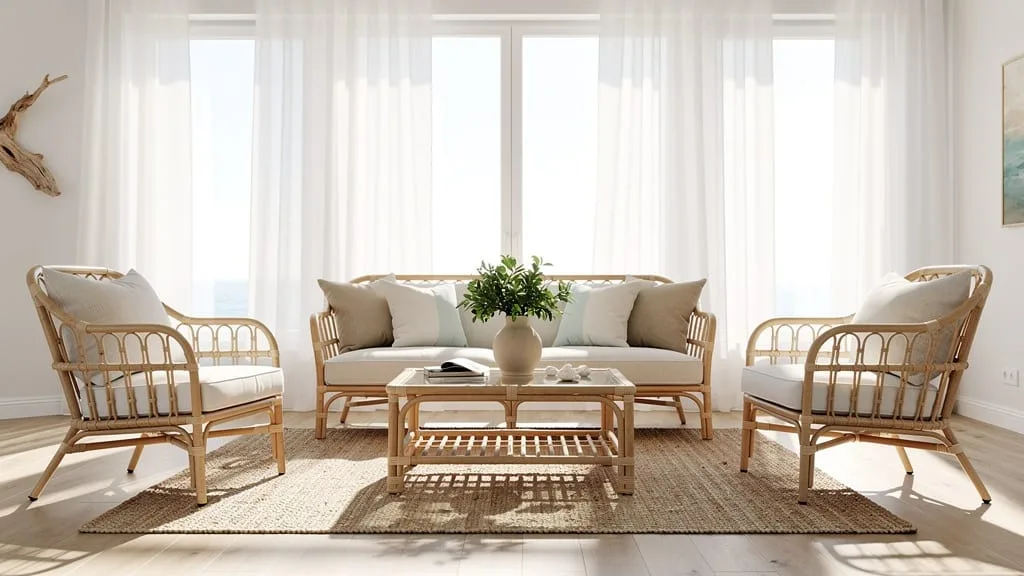
Ever walk into a summer home and think, “Why doesn’t my living room feel this breezy and bright?” The good news is that it can. With the right choices in color, texture, layout, and lighting, you can create a space that feels like summer even in the middle of the city. I remember stepping into a friend’s lake cottage years ago, and the whole room just exhaled, light, soft, and easy. That feeling is exactly what these summer house living room interior tips are built around. From coastal tones and light fabrics to clever furniture placement and styling details, here is how the pros turn a main gathering spot into a seasonal escape you’ll want to settle into all season long.
&# 128218; Start here:See our full coastal summer living room guide→Start with a Light, Airy Color Palette
 Shop this look: summer throw pillows on Amazon
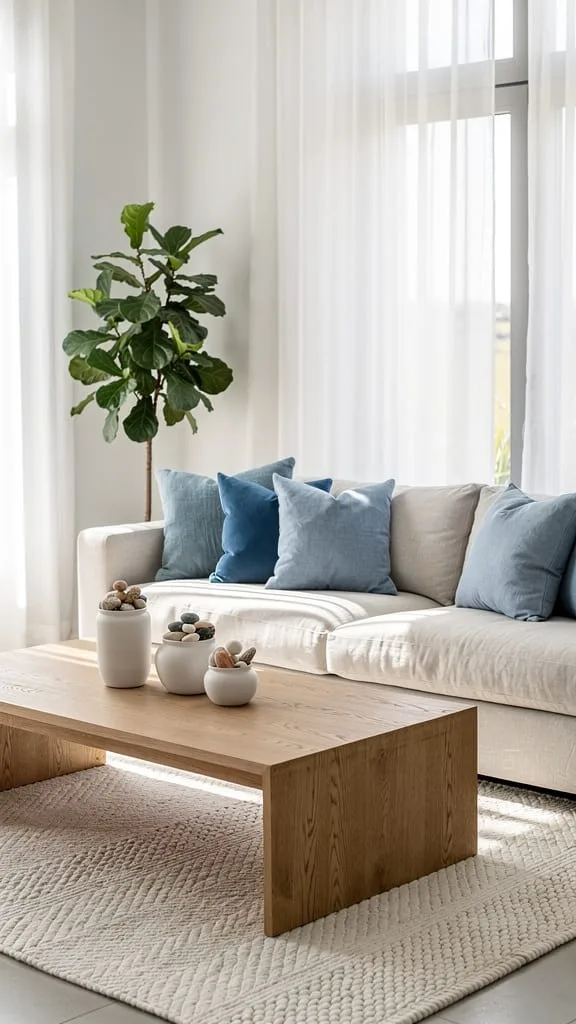
From what I’ve gathered, light colors are the foundation of a summery summer house living room interior. Think whites, creams, taupes, and sandy tones layered with ocean blues, leafy greens, or pale yellows. These hues reflect natural light, making even a small space feel larger and more refreshing. If you love this airy direction, our coastal pillow ideas for a beach house feel are an easy first layer to play with.
The pros often start by painting walls in soft neutrals, then build depth with accent colors in textiles and art. A pale linen sofa paired with sea-blue throw pillows can instantly mimic the feeling of a beach horizon. The key is to keep the base tone calm and bright, then layer in subtle warmth through accessories and natural materials. A friend of mine swapped just her cushion covers each June and her whole room read as a different season overnight, which is why our seasonal pillow swap ideas are such a simple win.
How To Get the Look
Use paint colors with a high light reflectance value (LRV). Matte finishes look soft and relaxed, but satin finishes are easier to clean, which helps in summer homes that see lots of guests. Add pops of color with ceramics, vases, or framed prints inspired by ocean and sky tones. A touch of green, even just one potted plant, makes the palette feel alive and natural.
Let Natural Light Be the Hero
 Shop this look: sheer linen curtains on Amazon
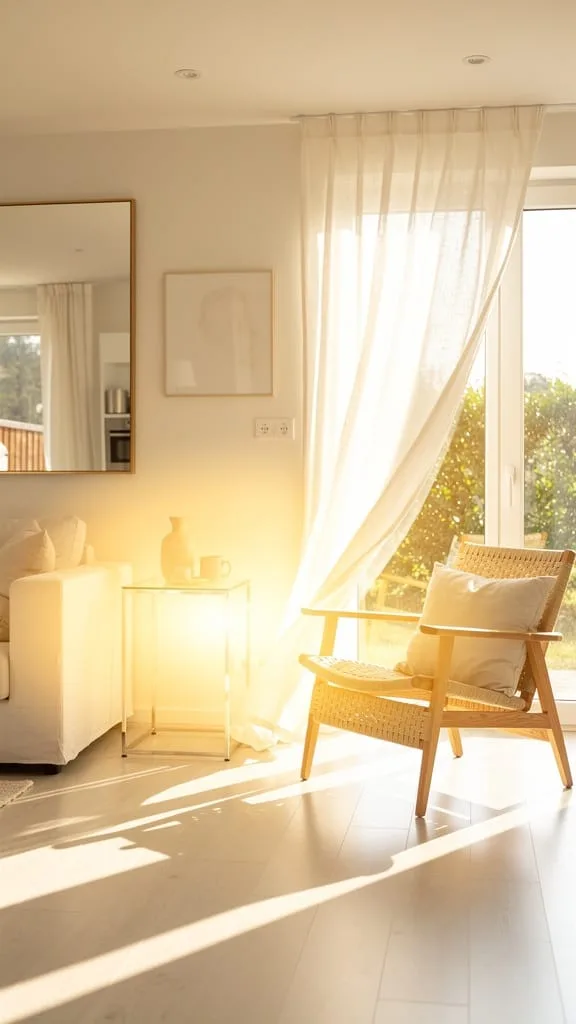
Light is the most defining element of any summer house living room interior. You want to maximize both natural sunlight and the illusion of it, which means lighter window treatments, reflective surfaces, and a balanced lighting plan.
Heavy curtains can make a room feel dark, so substitute airy linen or sheer cotton panels that let sunlight flow through. Mirrors placed opposite windows bounce light deeper into the room. I’ve seen designers lean on glass or light wood furniture to keep that open, weightless feeling going.
Lighting Design Details
Layer lighting using a mix of ceiling fixtures, table lamps, and wall sconces. Use warm lightbulbs (around 2700K) to enhance the glow during evenings without overpowering the space. Dimmers are genuinely worth it, since they make the room adaptable for relaxing afternoons or late-night conversations.
Choose Relaxed, Comfortable Furniture
 Shop this look: a jute area rug on Amazon
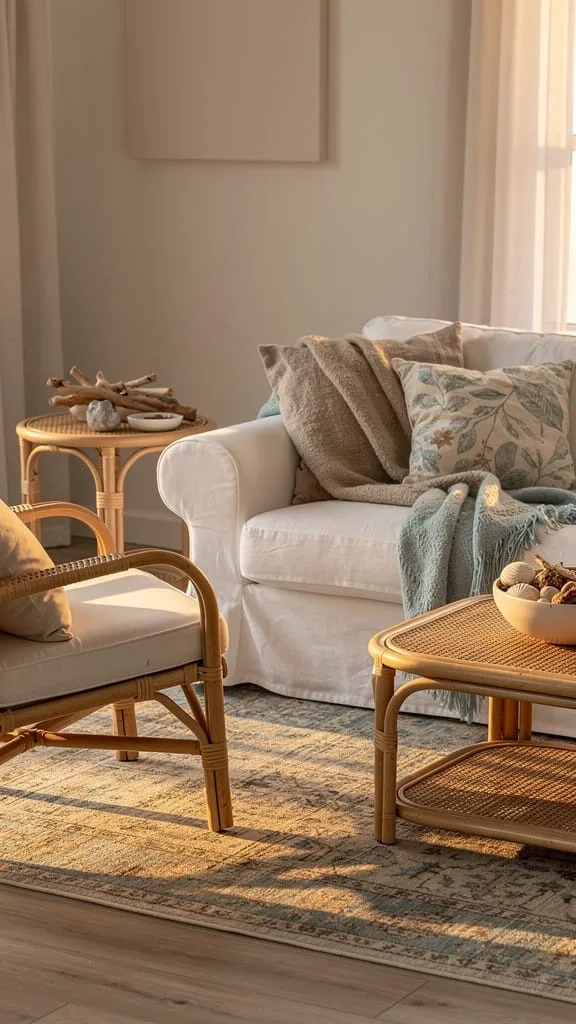
A summer house living room should invite lounging. The pros recommend oversized sofas with removable slipcovers, natural materials like wicker or rattan, and relaxed silhouettes that say “vacation mode.” Overly structured or heavy furniture kills the breezy vibe.
Balance comfort with durability. Summer homes often host family, friends, and pets, so fabrics should handle real life. Cotton, linen, or indoor-outdoor performance fabrics are all excellent options. A designer trick is to combine a deep sofa with lighter accent chairs to keep the seating area visually balanced and flexible for gatherings. For more layering on the seating itself, our cozy living room pillow ideas pair nicely with these relaxed shapes.
Pro Tips
- Slipcovers in washable fabrics make maintenance painless, perfect for seaside or lakefront houses.
- Choose furniture legs that lift pieces off the floor slightly to maintain that airy aesthetic.
- Mix materials, like a linen sofa with a rattan side table and a jute rug, so each texture complements the next.
Bring the Outdoors In with Natural Textures
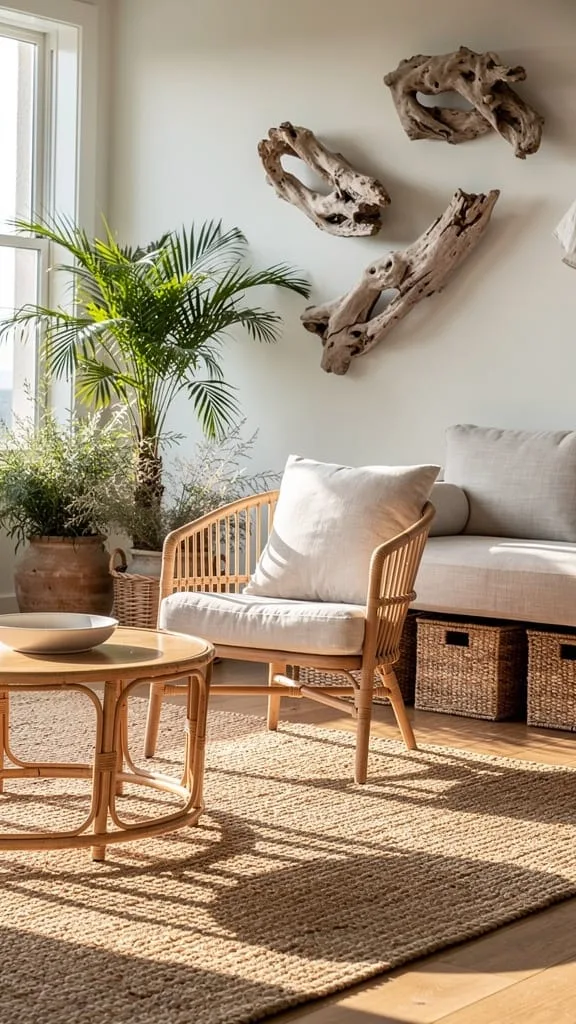 Shop this look: woven seagrass baskets on Amazon
Professionals love blurring the line between outdoor and indoor living, especially during the summer. Materials like jute, sisal, rattan, wood, and stone connect your living room to the landscape outside. This earthy texture plays beautifully against light color palettes, keeping the space grounded and relaxed.
A sea grass rug instantly gives the floor character and warmth. Pair it with a rustic wood coffee table or wicker ottoman for a collected, coastal effect. Textural contrast, like smooth ceramics next to woven baskets, adds dimension without clutter. This same natural-materials approach carries beautifully outdoors too, which is why I keep coming back to our rustic garden decor ideas for the patio just beyond the room.
Materials That Work
Go for furniture and accessories sourced from natural materials. A cane accent chair or woven pendant light provides quiet visual interest. Just remember that balance is everything, so one or two statement texture pieces per zone keep things cohesive rather than overcrowded. This mix of tactile surfaces is what truly makes a summer room come alive.
Keep It Open and Inviting with Smart Layouts
Even the most beautifully styled space feels off if the layout doesn’t flow. Summer living rooms thrive on open, easy movement, the kind that makes entertaining effortless. Designers focus on conversation zones and view lines, making sure every seat has a sense of participation.
To achieve that, float furniture away from walls to create cozy groupings, or define areas using rugs. Keep pathways clear and use lightweight, movable pieces like stools or poufs for flexibility. A clear visual line to outdoor patios or decks connects the spaces seamlessly, reinforcing that summer indoor-outdoor feel. If your gathering spot spills onto the deck, our boho patio decor ideas help the two areas read as one.
Layout Ideas
Try placing the main sofa facing large windows or doors that open to the garden or sea view. Arrange chairs diagonally for natural conversation flow. Incorporate a central table with enough space to move around easily. Working with a small space? Use leggy furniture to expand the sense of openness. Mirrors facing windows can visually double that view if you don’t actually have one.
Accessorize with Intention and Personality
Accessories define how lived-in and authentic your summer home feels. The trick is to avoid over-decorating. Designers emphasize meaningful, tactile accessories like ceramics, collected shells, woven baskets, or artworks that reflect the spirit of the season.
Mix personal pieces with design-friendly items so the room never reads like a showroom. A stack of vintage books, a framed travel photo, or a handmade throw can bring warmth and narrative to the space. Keep it balanced with open surfaces and negative space to maintain that breezy simplicity.
Styling Notes
- Layer a few cushions in mixed patterns like stripes, geometrics, and solids, but stick to a cohesive palette.
- Group vases or candles in odd numbers for a relaxed, natural visual rhythm.
- Use organic shapes. Round trays, curved lamps, and imperfect ceramics make the space feel human and soft.
Add Plants and Greenery (Lots of Them)
No professional summer house design skips greenery. Plants breathe visual life into the space, help freshen the air, and complement every natural material beautifully. From small potted succulents to tall statement palms, there’s a plant that fits any corner or table.
Choose species suited to your light levels and vacation schedule. Snake plants, ZZ plants, or monsteras can survive occasional neglect, making them perfect for second homes. If live plants aren’t your thing, high-quality faux greenery can achieve a similar effect with zero maintenance.
Quick Fixes
Group plants at different heights for a dynamic composition. A large fiddle leaf fig beside a low coffee table vignette works beautifully. Add woven baskets as planters to tie into your natural texture scheme. From what I’ve gathered, nothing softens a formal corner faster than a towering plant in a neutral pot.
Incorporate Breezy Art and Decor Themes
Art sets the tone for a room, and in a summer house it should feel carefree, light, and connected to nature. Designers suggest pieces with vibrant but restrained colors, coastal references, or abstract landscapes that evoke serenity without cliché.
A large-scale canvas of the ocean or an abstract watercolor in blues and greens can anchor the space. Avoid overly literal seaside motifs like anchors and seashell prints unless done subtly or with a wink. The goal is to capture the essence of summer, not shout it from every wall.
What To Consider
When choosing artwork, match the visual weight to the space. One large statement piece often looks cleaner than a cluttered gallery wall. Combine natural wood or white frames to keep the focus on the artwork itself. Add dimension with woven wall hangings or lightweight sculptures made of driftwood or rope for a modern coastal touch.
Final Thoughts
Designing the perfect summer house living room isn’t about chasing a trend, it’s about capturing a mood. Focus on light, texture, natural materials, and effortless comfort, and your space will quietly reflect the beauty of the season. With just a few professional tweaks, your summer house living room interior can feel as good as a seaside breeze, no matter where you actually are. If you want one more dose of inspiration before you start, our summer house living room ideas for a relaxed vacation feel are a lovely next read. Happy decorating!
Frequently Asked Questions
Light, natural shades like whites, creams, and sandy neutrals create a breezy foundation. You can accent these with coastal blues, soft greens, or pale yellows to evoke the calm and brightness of summer.
Use lightweight fabrics, minimal clutter, and furniture with visible legs to keep the space feeling open. Incorporating mirrors and maximizing natural light also helps create an airy, spacious feel.
Opt for natural, breathable materials such as linen, cotton, and rattan. These textures add casual elegance and make the room feel relaxed and connected to nature.
Position furniture to encourage conversation and easy movement, keeping pathways clear and focusing on views or windows. A balanced layout with lightweight pieces will maintain a relaxed, inviting atmosphere.
Use layered lighting with plenty of natural sunlight during the day and soft, warm-toned lamps in the evening. Consider woven shades, glass fixtures, or sconces that reflect a natural coastal charm.