There’s something quietly magical about standing in a sun-warmed patch of dirt in late spring, seeds in hand, wondering what might grow. If you’ve been dreaming about fresh tomatoes on your windowsill or a little herb corner just outside your back door, this is your moment. Ready to start a summer garden? This beginner’s guide walks you through everything you need to feel ready, from choosing your first plants to keeping them alive through the hottest weeks of the season. You don’t need experience, a huge yard, or a green thumb to make this work. You just need a little curiosity and the willingness to get your hands dirty.
Why Is Summer the Perfect Season to Start a Garden?
Summer is the perfect season to start a garden because warm soil, long days, and abundant sunlight give beginner-friendly plants the energy they need to grow quickly and visibly. The forgiving conditions mean you’ll see results faster than in any other season.
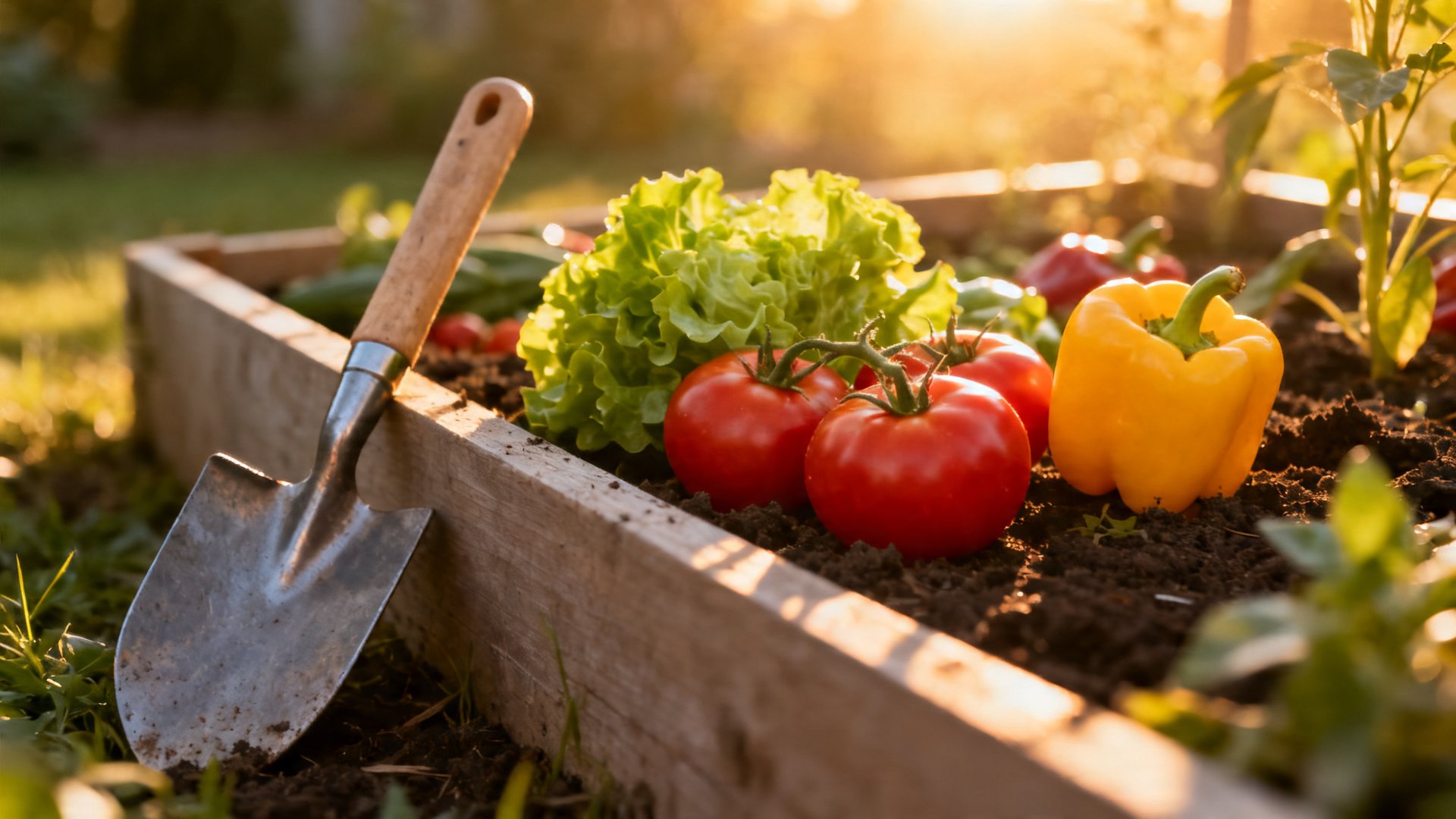
Summer gardening has a kind of generosity to it that other seasons simply don’t. The long, warm days give plants plenty of energy to grow, and the soil is already soft and welcoming after spring rains. For a beginner, that forgiving warmth means you’ll see results faster, and there’s nothing more motivating than watching something you planted actually thrive.
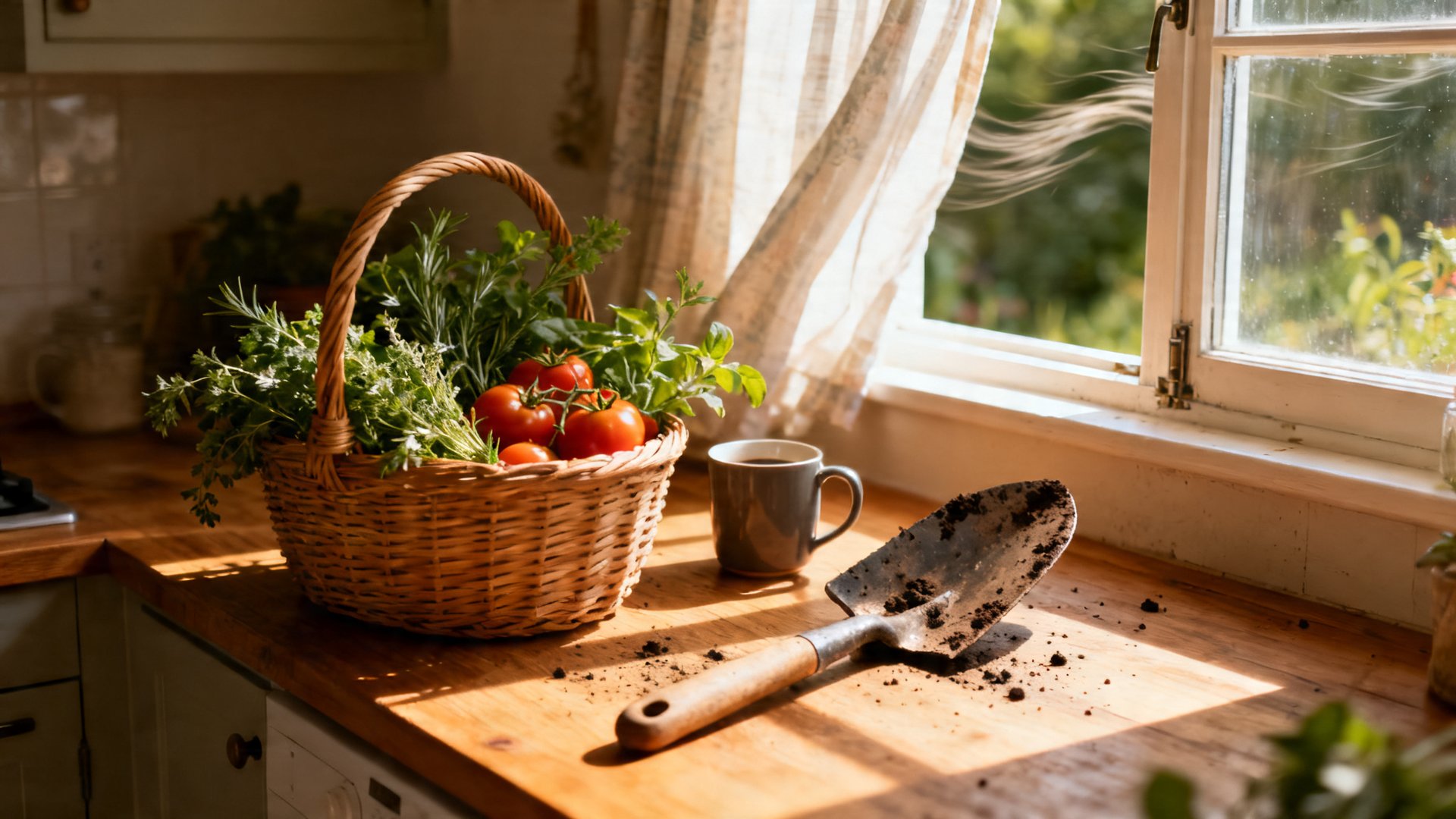
I love how summer gardening creates this natural rhythm to your days. You step outside in the morning with your coffee, check on your plants, maybe pull a weed or two, and the whole day feels a little more grounded because of it. It’s a small ritual, but it adds up to something genuinely nourishing.
What Summer Gardening Offers That Other Seasons Don’t
Summer gives you access to the widest variety of edible and flowering plants, including tomatoes, zucchini, basil, sunflowers, cucumbers, and marigolds, all thriving in conditions that don’t require any special tricks. The growing window is long, which means even if you start a little late in June, you can still harvest well into September and beyond.
How Do You Choose the Right Spot for Light, Space, and Soil?
To choose the right spot, look for an area that receives at least six to eight hours of direct sunlight daily and has well-draining soil. Even a small patio or balcony can work well if you use containers with quality potting mix.
 Shop this look: Large outdoor planter set for container…
Before you buy a single seed packet, spend a day noticing where the sun falls across your yard. If you want help mapping out beds and borders, these summer flower garden layout ideas are a friendly starting point. Most vegetables and herbs need at least six to eight hours of direct sunlight daily, so that sunny strip along the fence or the raised bed that catches the afternoon light? That’s your prime real estate.
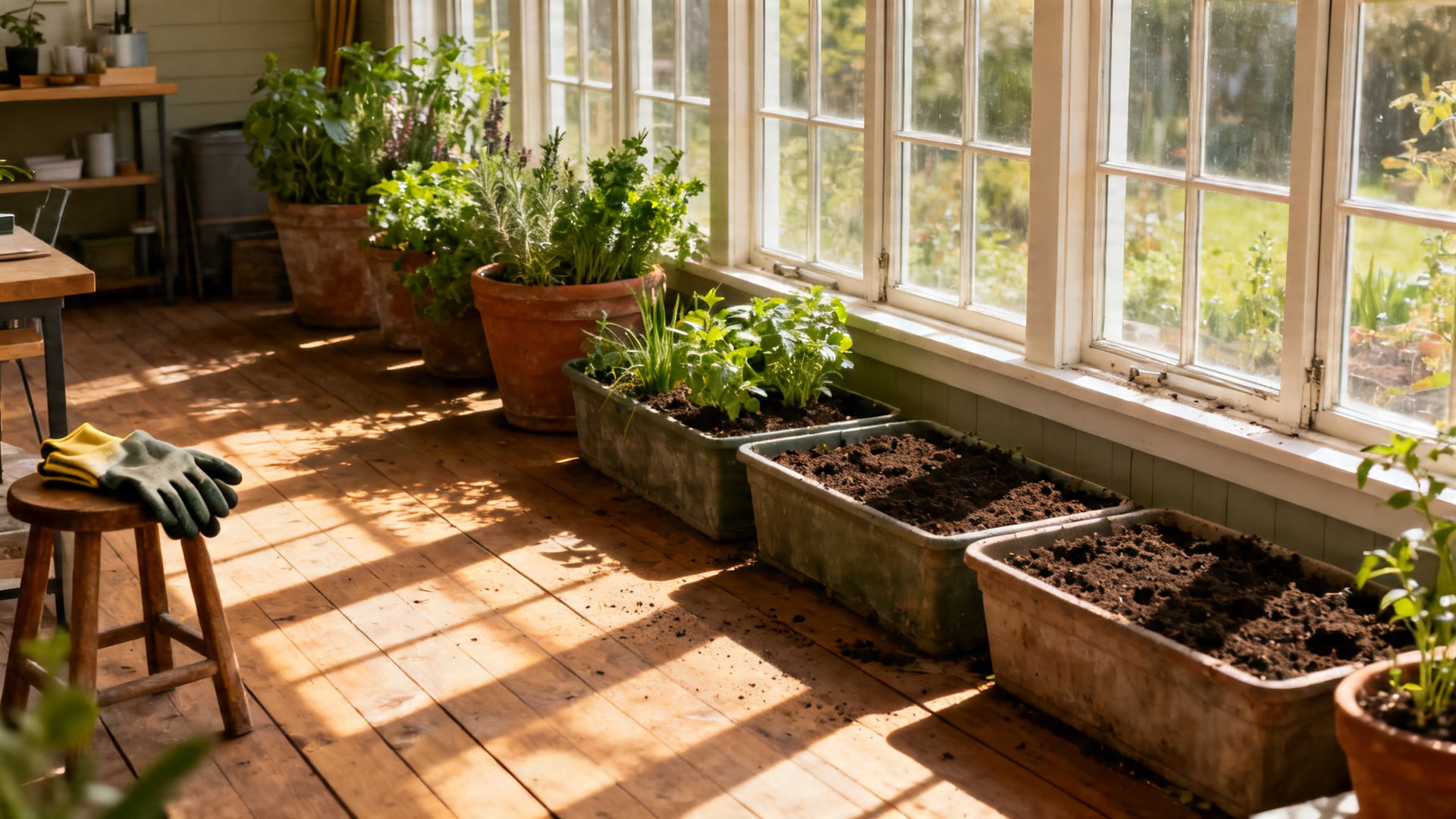
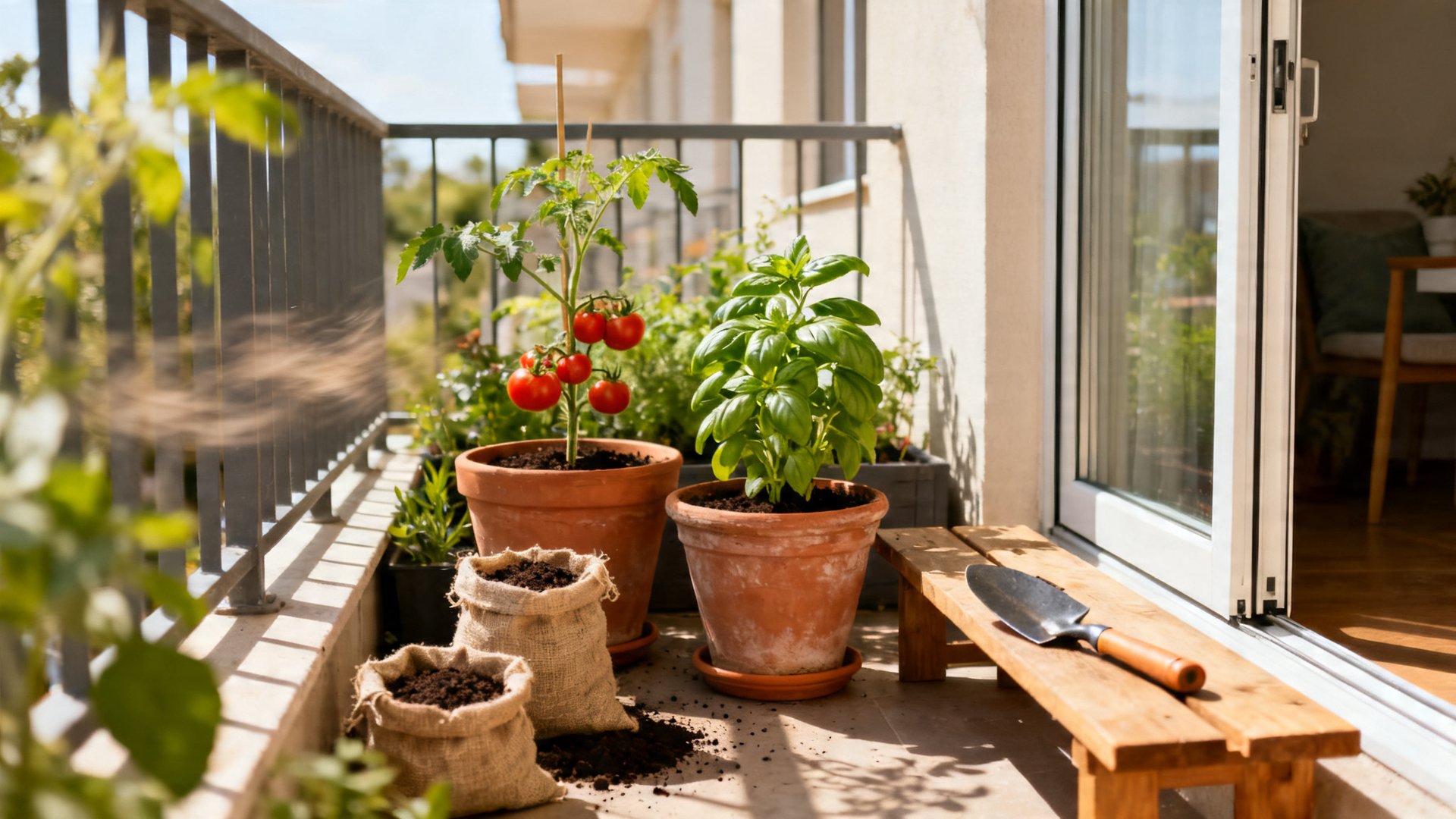
If you’re working with a small yard, a balcony, or even just a patio, don’t let that stop you. Container gardening is a completely valid approach for beginners, and in some ways it’s easier because you control the soil quality from the start. A cluster of large pots, think 12 to 18 inches wide for tomatoes and smaller for herbs, can produce a genuinely impressive harvest.
Pro tip: Before planting, do a simple drainage test. Dig a hole about 12 inches deep, fill it with water, and check back in an hour. If the water drains completely, your soil is well-draining and ready to work with. If it’s still sitting there, you’ll want to amend with compost or consider raised beds.
What Should You Plant First? The Best Beginner-Friendly Summer Crops
One of the most common mistakes new gardeners make is planting too many things at once. Start small, succeed, and then expand next season. Choosing forgiving, fast-growing plants means you’ll stay encouraged rather than overwhelmed.
 Shop this look: Reusable seed-starting tray for your first…
Top Picks for Your First Summer Garden
- Cherry tomatoes: Faster to ripen than large varieties, and they produce abundantly all summer long with minimal fuss
- Zucchini: Grows almost aggressively well in summer heat, so you’ll have more than you can eat within weeks
- Basil: Thrives in full sun, loves warmth, and pairs perfectly with those cherry tomatoes growing right beside it
- Green beans: Direct-sow seeds straight into the ground, no transplanting needed, and they’re ready to harvest in about 50-60 days
- Marigolds: Not edible, but plant them at the edges of your garden, and they naturally deter pests and add a gorgeous burst of orange and gold
- Cucumbers: Give them a simple trellis or fence to climb and they’ll reward you with steady production from midsummer onward
One thing I’ve noticed is that beginners who start with just two or three of these crops tend to feel far more successful than those who plant eight different things and struggle to keep up. Let simplicity be your strategy. If you want a few more gentle starting points, these simple beginner garden ideas pair nicely with a first summer crop list, and a look through the best summer flowers for your garden can help you slip in a little color alongside the edibles.
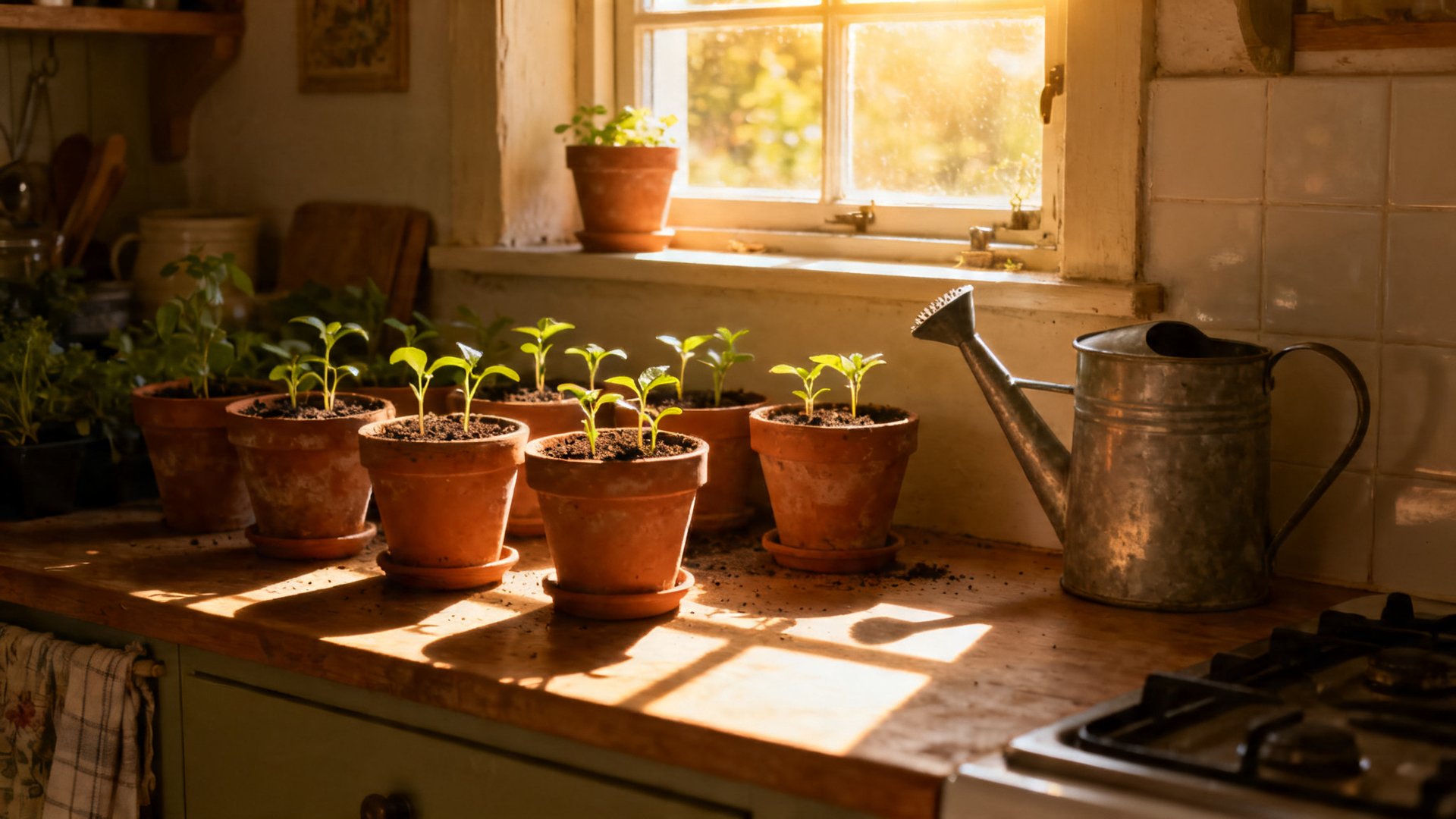
A few simple tools make those first weeks far easier. A basic gardening set covers most of what a beginner reaches for, a sturdy hand trowel does the daily digging and transplanting, and little plant markers save you from guessing what you sowed where. If you’re starting from seed rather than nursery transplants, a reusable seed-starting tray gives your crops a strong, protected beginning before they move outside.
Once you’ve chosen your spot and selected your first crops, the next step is learning how to keep them healthy from the ground up.
How Do You Understand Soil, Water, and Feeding Your Plants?
Healthy soil, consistent deep watering, and occasional fertilizing are the three pillars of a productive summer garden. Get these basics right and most beginner-friendly crops will thrive with minimal extra effort.
 Shop this look: Organic all-purpose potting soil mix → · 13″ Artificial Potted Plant for Idoor… · 33in Artificial Pothos Hanging Plants Fake Ivy…
Healthy soil is the foundation of everything in a summer garden. Think of it less like dirt and more like a living ecosystem, full of microbes, nutrients, and organic matter that feed your plants from the roots up. If you’re starting with in-ground beds, mixing in a generous layer of compost before planting makes an enormous difference in how well your crops establish themselves. For seasonal timing and a few more care habits, our summer garden tips guide walks through the rhythm of a healthy growing season.
Watering is where many beginners either overdo it or forget entirely. Most summer vegetables prefer deep, infrequent watering rather than a light daily sprinkle. Watering deeply, about an inch per week, encourages roots to grow downward, making plants more drought-resistant and stable. Early morning is the best time to water, so leaves dry out during the day and don’t stay damp overnight, which can invite mildew and disease.
Feeding your plants is simpler than it sounds. A balanced, slow-release fertilizer worked into the soil at planting time gives your crops a strong start. Once plants begin flowering and fruiting, a liquid fertilizer every two to three weeks keeps production going strong through the hottest part of summer.
Pro tip: Mulching around your plants with a 2-3 inch layer of straw or wood chips does three things at once. It holds moisture in the soil, suppresses weeds, and keeps soil temperature stable even on the hottest days. It’s one of the easiest ways to reduce your watering workload significantly.
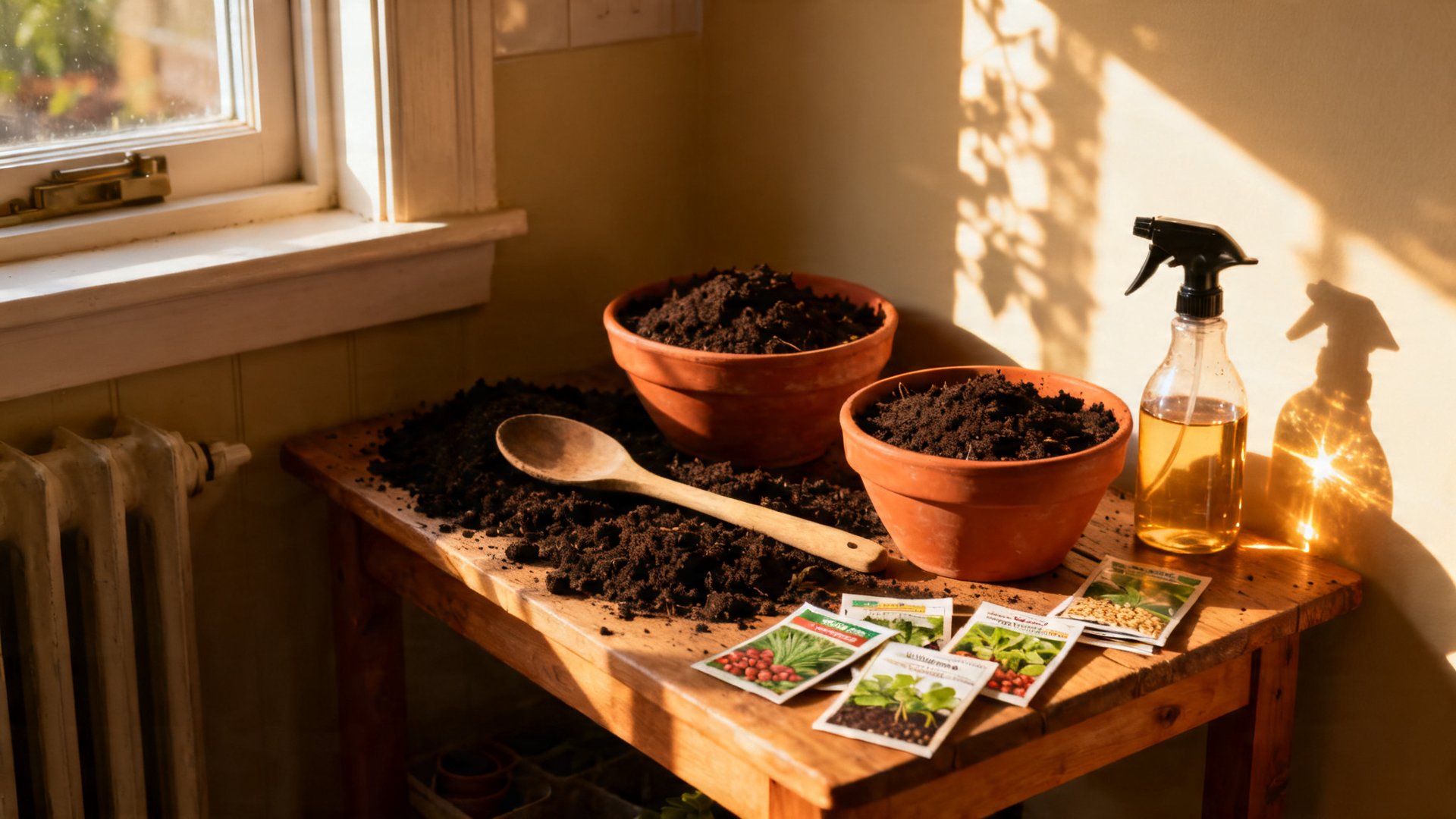
If you’re building your soil from scratch, a bag of quality potting mix and a scoop of organic compost give container plants and raised beds a rich, living foundation. A gentle organic fertilizer keeps things fed through the busy fruiting weeks, a layer of natural mulch locks in moisture, and a well-balanced watering can makes those early-morning rounds feel less like a chore.
How to Handle Common Summer Garden Challenges
Every gardener, beginner or experienced, runs into a few bumps along the way. Summer brings its own specific challenges: intense heat, pests, and the occasional mystery of why one plant is thriving while another looks sad. The good news is that most issues are easy to address once you know what to look for.
 Shop this look: Sharp garden pruning snips →
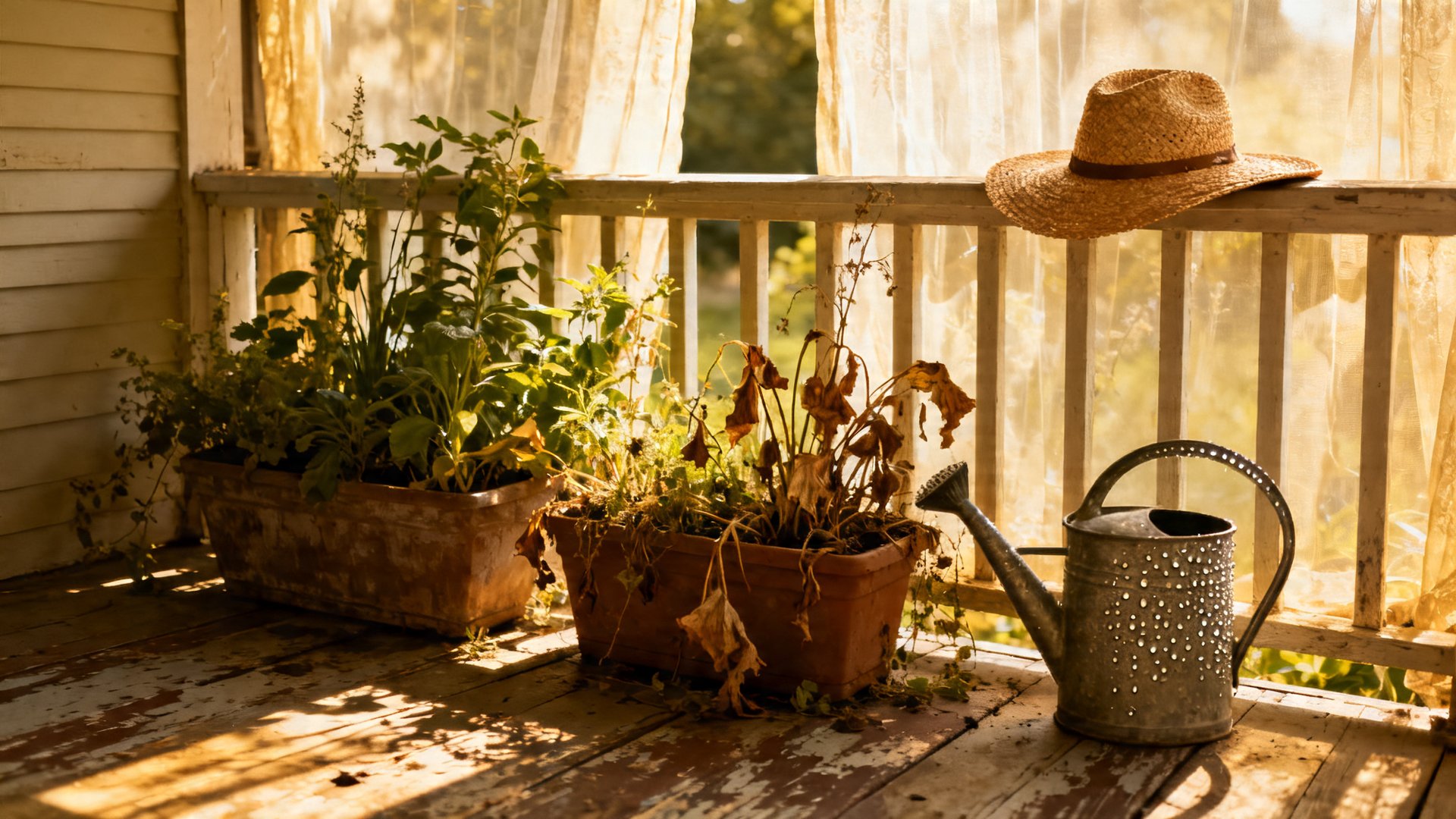
Heat stress is real for plants just as it is for people. When temperatures climb above 90°F for several days in a row, even heat-loving plants can struggle. Wilting in the afternoon sun is actually normal, check your plants in the morning to get a true read on whether they need water. If they’ve perked back up overnight, they’re likely fine.
Simple Pest Solutions Worth Knowing
Aphids, slugs, and caterpillars are the most common visitors to a beginner’s summer garden. A strong spray of water from the hose knocks aphids off leaves without any chemicals. For slugs, a shallow dish of slightly soapy water set at soil level works as a surprisingly effective trap overnight. Handpicking caterpillars in the morning, as unpleasant as it sounds, is genuinely the most efficient solution for small gardens.
A clean pair of pruning snips helps you trim damaged leaves and pinch back leggy growth before pests take hold, and a padded kneeler and seat spares your knees and back during those slower, tend-and-inspect afternoons. Small comforts like these are what keep gardening feeling like a pleasure rather than a workout.
With the practical side of gardening covered, it’s worth thinking about how to make your space feel genuinely enjoyable to spend time in.
&# 10024; For inspiration:Browse cottage summer garden ideas with English countryside charm→How Do You Create a Garden That Feels Like Yours?
You create a personal garden by mixing practical crops with at least one plant you love purely for joy, whether that’s a favorite flower, a climbing vine, or a color that makes you smile. A garden that delights you is a garden you’ll actually tend, and even a single summer rose garden corner can give a beginner space something to feel proud of.
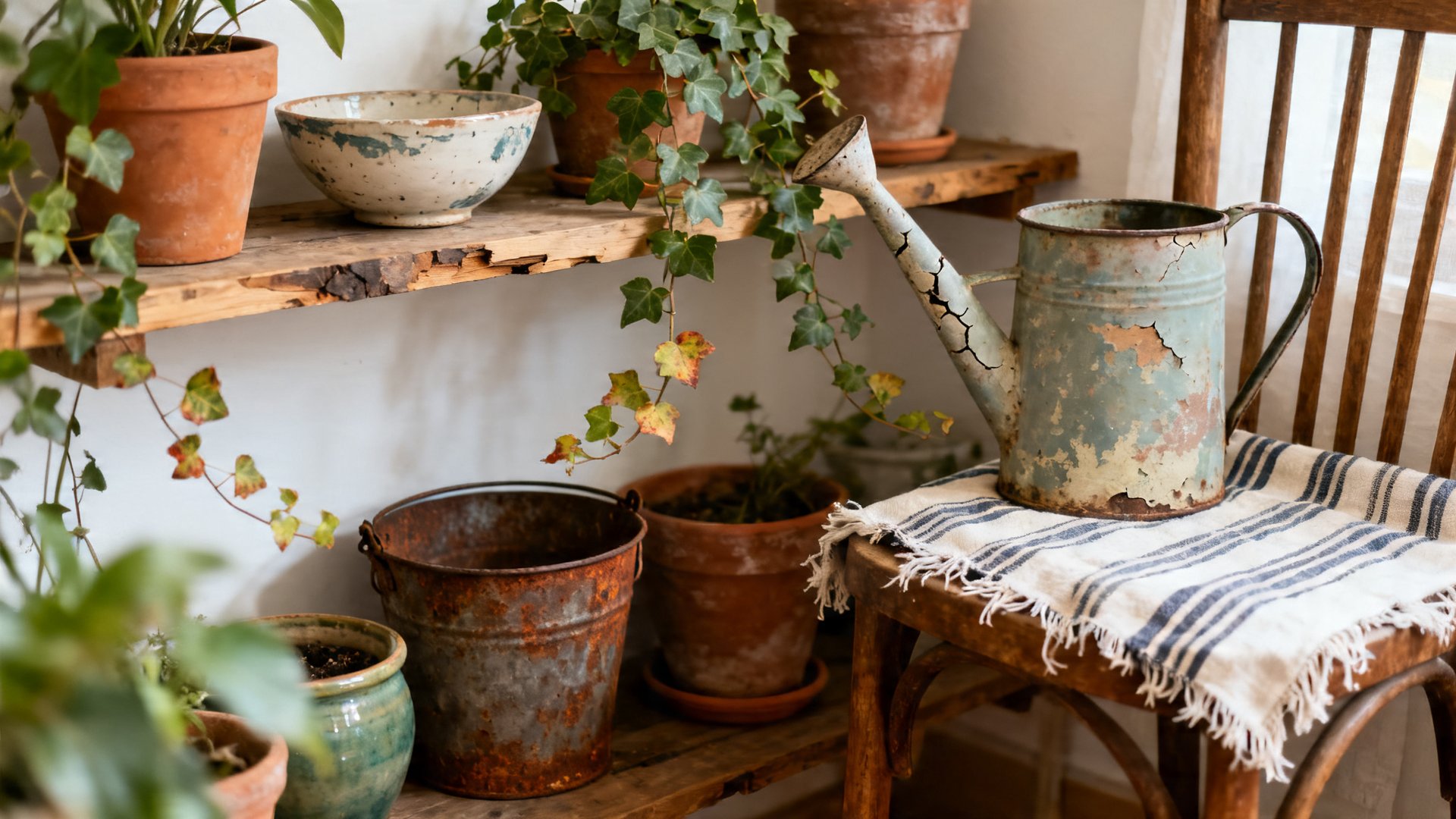
Here’s something nobody tells beginners: your garden doesn’t have to look like a magazine spread to be wonderful. A few mismatched pots on a sunny balcony, a small raised bed built from reclaimed wood, a row of sunflowers growing along a fence, all of these are real, beautiful, working gardens. The magic is in the growing, not the aesthetics.
From what I’ve gathered, the easiest way to make a garden feel personal is to plant at least one thing purely for joy, not because it’s practical or productive, but because it makes you smile every time you see it. Maybe that’s a row of bright zinnias in colors you love, or a climbing vine of sweet peas just for the scent on a warm evening. A friend of mine tried this approach her first summer gardening and said it completely changed how she felt about going outside every day. The practical crops kept her motivated, but the flowers kept her in love with the whole project.
I keep coming back to this idea because gardens that feel personal get tended. You’re far more likely to water, weed, and care for a space that genuinely delights you than one that feels like a chore chart.
&# 127799; Add some charm:Browse 29 summer garden decoration ideas for your yard→
Final Thoughts
Starting a summer garden as a beginner is one of those rare decisions that rewards you in ways you don’t fully expect: fresh food, yes, but also a sense of quiet accomplishment, a reason to be outside, and a connection to something growing and alive. This beginner’s guide is really just the starting point. The best lessons come from your own patch of soil, your own little experiments, and the particular light that falls in your own backyard. When you’re ready for the next step, our roundup of home garden ideas for your outdoor space has plenty of gentle ways to keep growing. Trust yourself, start small, and let the season do most of the work. Happy growing!
Frequently Asked Questions
Not at all. Even a small balcony, patio, or sunny windowsill can support a thriving summer garden. Many beginner-friendly plants like herbs, cherry tomatoes, and lettuce grow beautifully in containers or raised beds, making gardening accessible no matter how limited your space is. The key is finding a spot that gets adequate sunlight, typically at least six hours per day.
Some of the most forgiving and rewarding plants for first-time gardeners include tomatoes, zucchini, basil, sunflowers, and green beans, as they tend to grow quickly and don’t require highly specialized care. Herbs like mint, chives, and parsley are also great starting points because they’re resilient and useful in everyday cooking. Choosing plants that thrive naturally in warm weather will give you the best chance of early success and keep you motivated.
Most summer gardens need deep watering about two to three times per week, though this can increase during heat waves or periods of no rainfall. The best practice is to water at the base of the plant in the early morning, which allows moisture to soak into the roots before the afternoon heat causes evaporation. Always check the soil about an inch below the surface, and if it feels dry at that depth, it’s time to water.
In most cases, no, because many fast-growing vegetables and herbs can be planted well into summer and still produce a satisfying harvest before the first frost arrives. Quick-maturing crops like radishes, cucumbers, and bush beans are particularly good choices for late starts because they go from seed to harvest in as little as 40 to 60 days. Starting with transplants from a local nursery rather than seeds can also help you make up for lost time.
One of the most frequent beginner mistakes is overwatering, which can drown roots and invite disease just as easily as underwatering can stress plants. Another common pitfall is planting too close together, which restricts airflow and creates competition for nutrients, so always follow the spacing guidelines on seed packets or plant tags. Finally, neglecting to add compost or fertilizer to the soil before planting can leave your garden struggling, since nutrient-rich soil is the foundation of healthy, productive plants.