This post contains affiliate links. As an Amazon Associate we earn from qualifying purchases — at no extra cost to you.
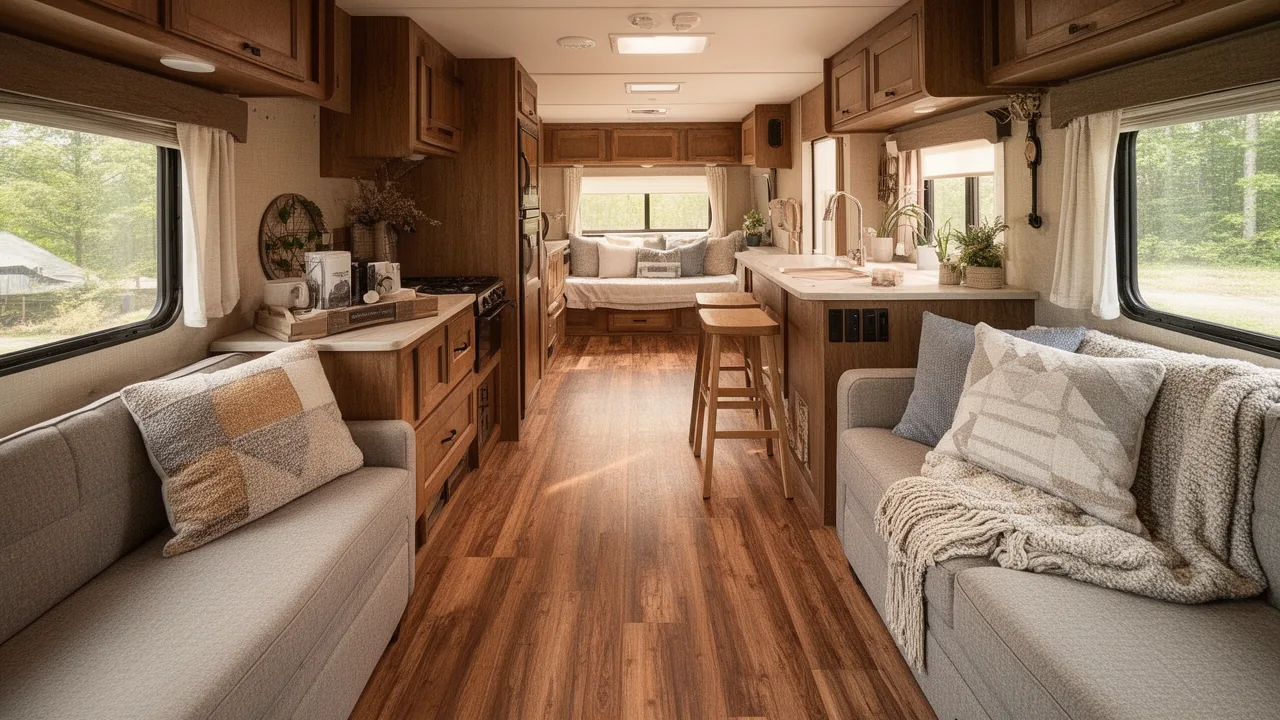
The floor is the surface your camper life actually happens on, from muddy morning coffees to sandy beach afternoons, and yet those tired factory floors are usually the first thing to look worn out. Give the floor a little love and the whole rig feels cleaner, warmer, and more like home the moment you step inside. That is why a good round of camper flooring ideas is worth a slow look before you settle for that dated vinyl.
Below you will find a mix of everything: durable luxury vinyl plank and waterproof laminate, easy peel-and-stick vinyl plank, warm wood-look and cork, plus practical picks for rv flooring repair and replacement zones like the wet bath and the entry. Some ideas are no-fuss and renter-friendly, others lean rustic, coastal, or retro, and a few solve the water worries and cold floors that come with camper living. Whatever your style and budget, there is a floor here that fits.
I have styled a few small spaces over the years, and the floor is almost always the surface that decides whether a room feels finished or forgotten. So let’s freshen up that camper together, one plank and one cozy rug at a time. Happy decorating!
27 Camper Flooring Ideas for a Cozy, Finished Rig
Here is the fun part. Below are 27 different camper flooring ideas, from durable luxury vinyl plank and waterproof laminate to warm cork, cozy rugs, and clever zoning tricks. Take what speaks to you and make the surface under your feet feel like home.
1. Luxury Vinyl Plank for a Durable RV Floor
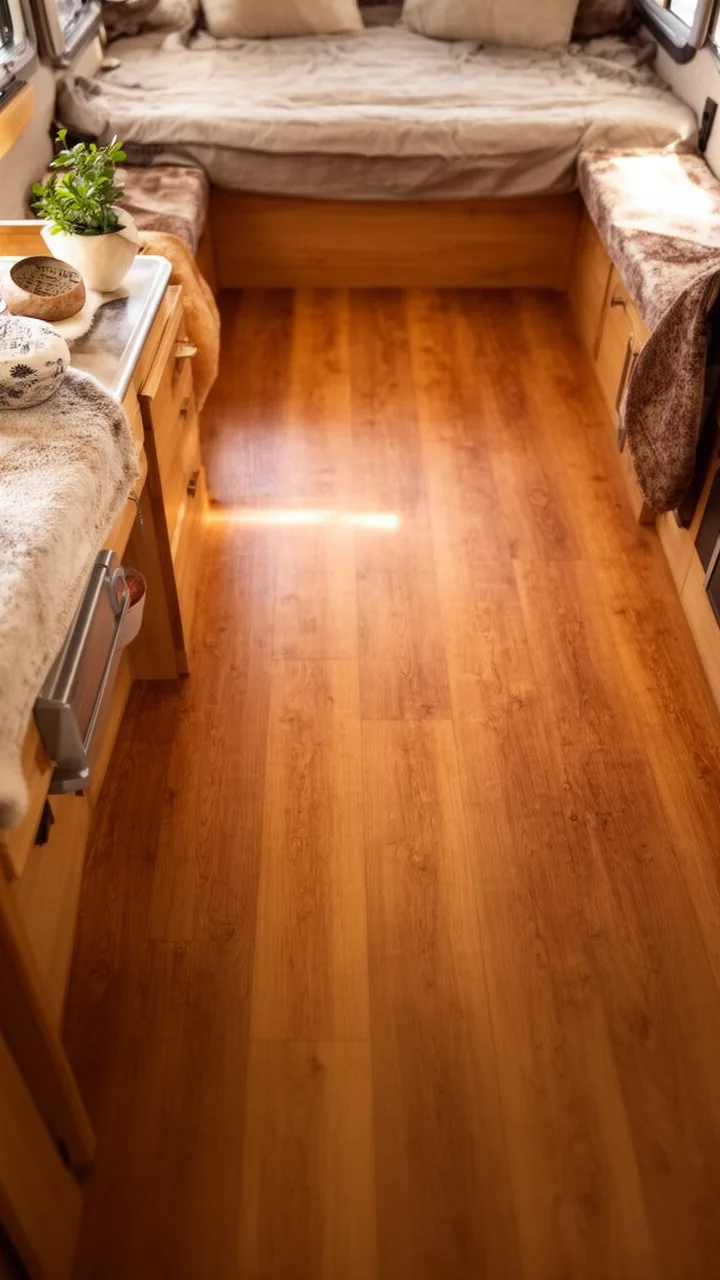
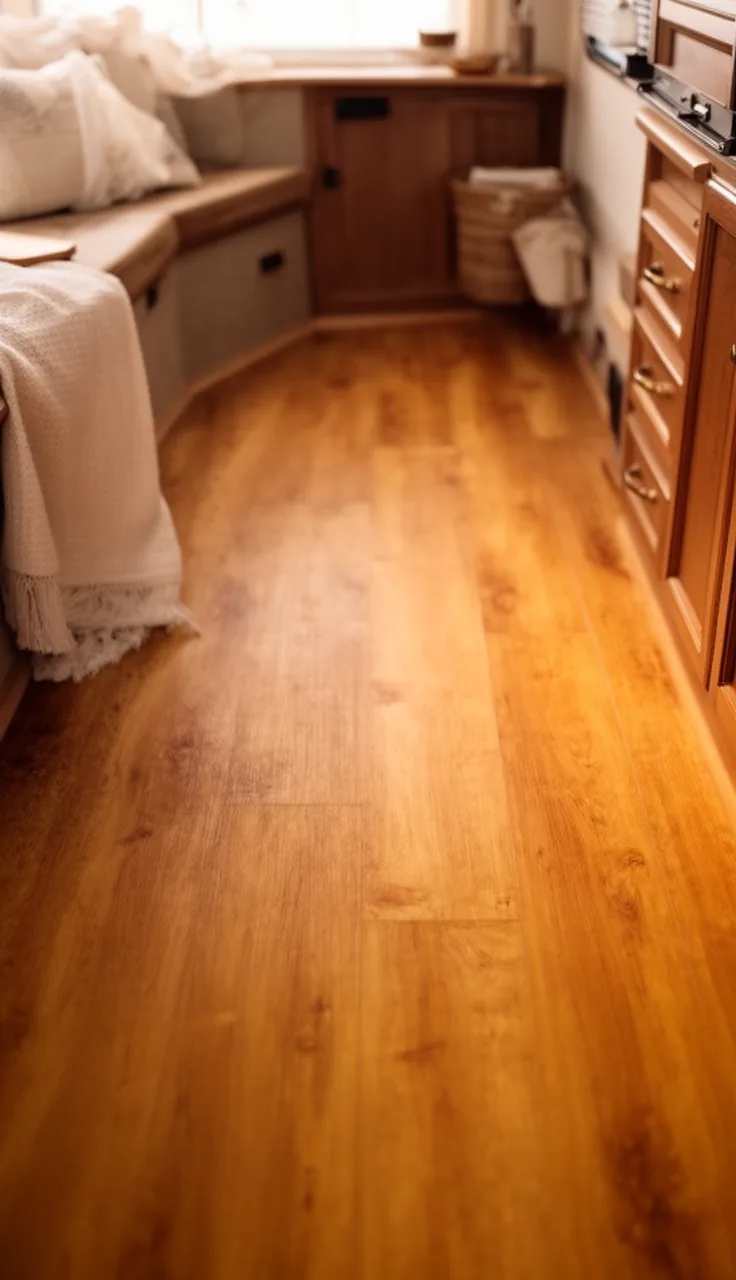
Luxury vinyl plank, or LVP, is one of the most popular camper flooring ideas because it is waterproof, tough, and gives you a real wood look without the weight or worry of hardwood.
I keep coming back to luxury vinyl plank whenever someone asks where to start with rv flooring, because it just holds up to camper life so well. The planks click together over your subfloor, they shrug off spills and muddy boots, and the warm wood-look finish makes a tiny rig feel finished. It is a little pricier than sheet vinyl, but the durability earns its keep on the road.
Quick Tips
- Choose a click-lock LVP so you can float it over the old floor
- Pick a thinner plank to keep camper weight down
- Warm mid-tone wood hides dust and crumbs best
For a floor that looks great and takes a beating, LVP is the easy favorite.
A few warm vinyl and wood-look plank floors to inspire your rig
 1 / 5
1 / 5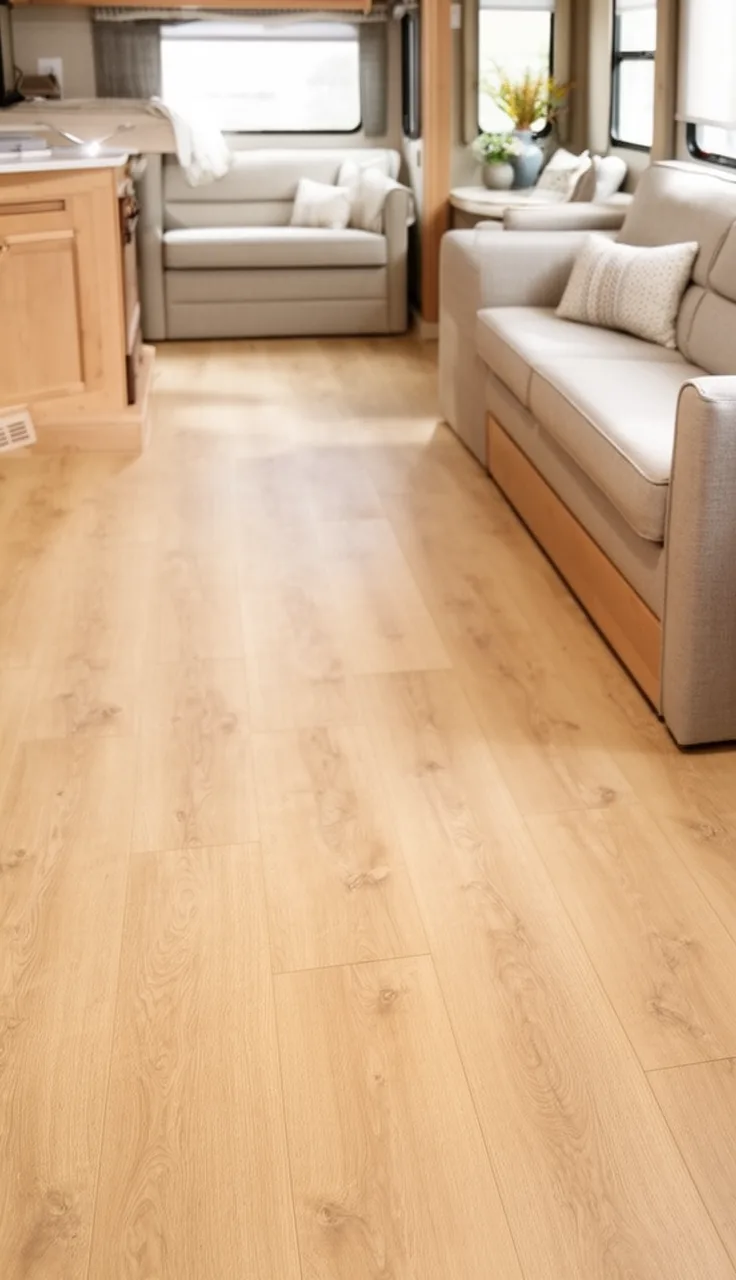 2 / 5
2 / 5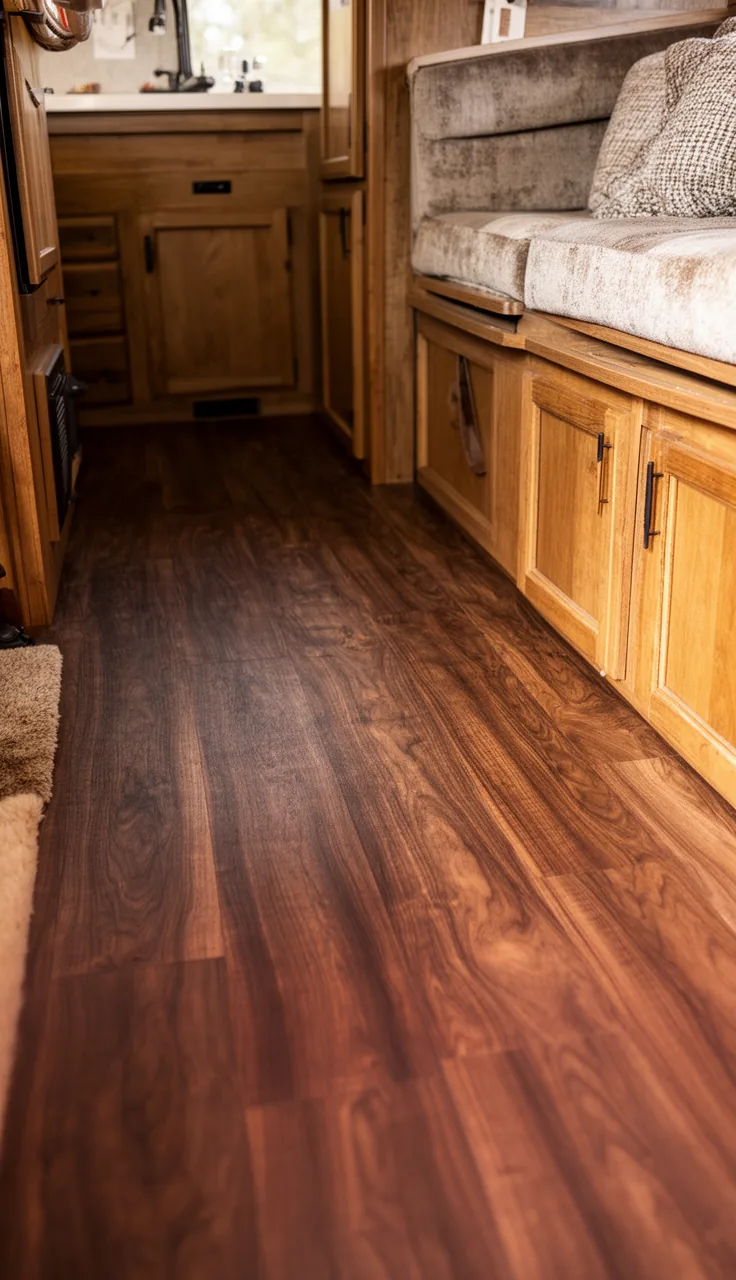 3 / 5
3 / 5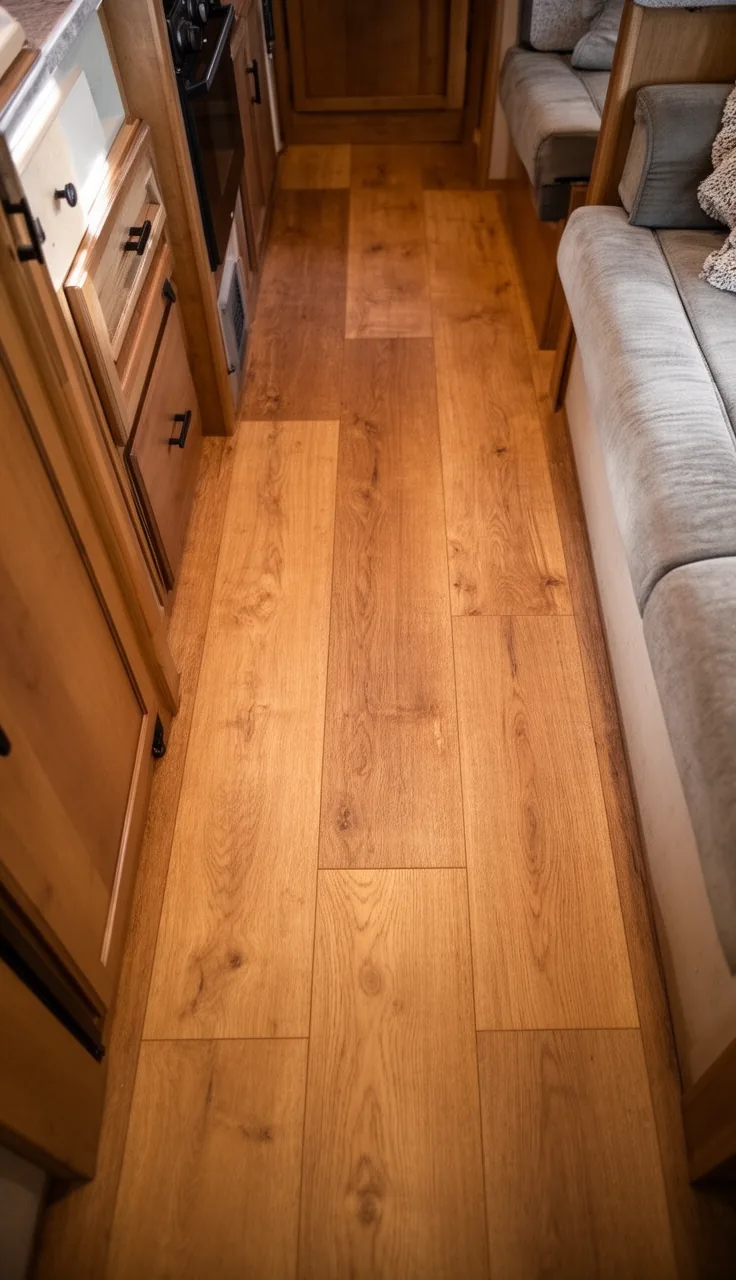 4 / 5
4 / 5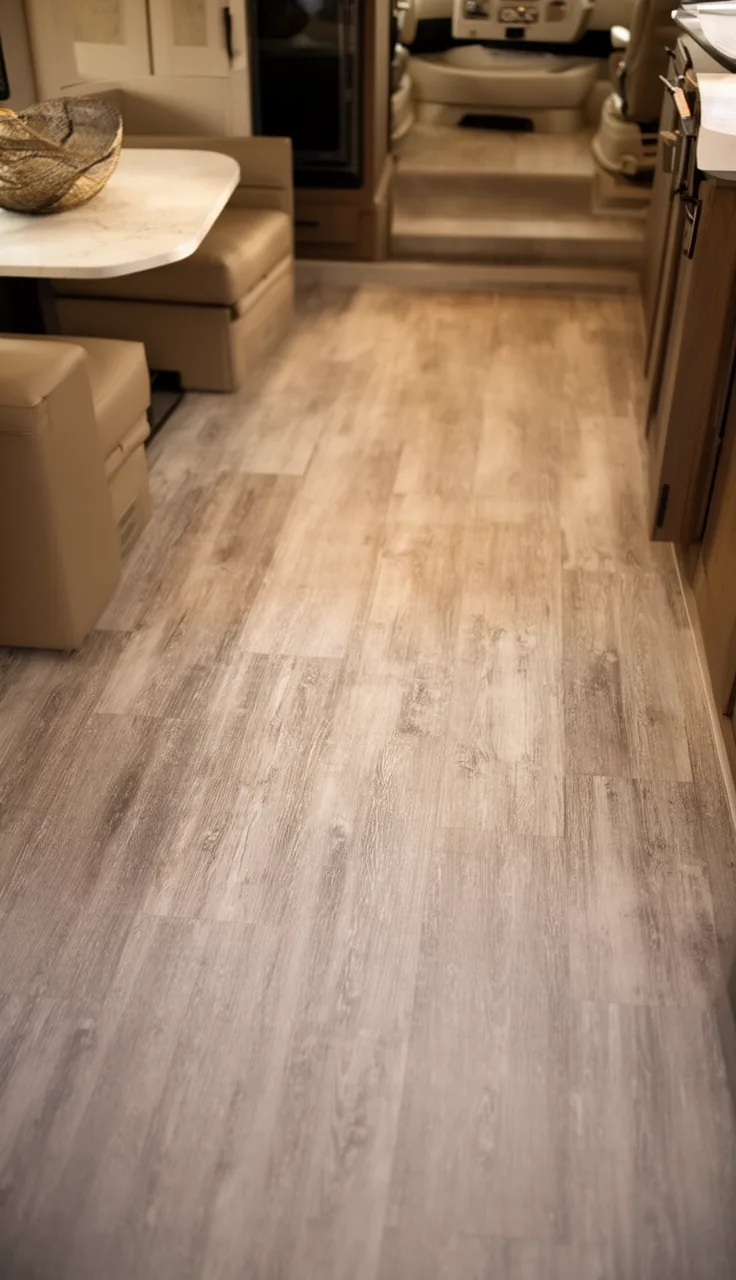 5 / 5
5 / 52. Peel-and-Stick Vinyl Plank for a No-Fuss Update
 Shop this look: peel-and-stick planks
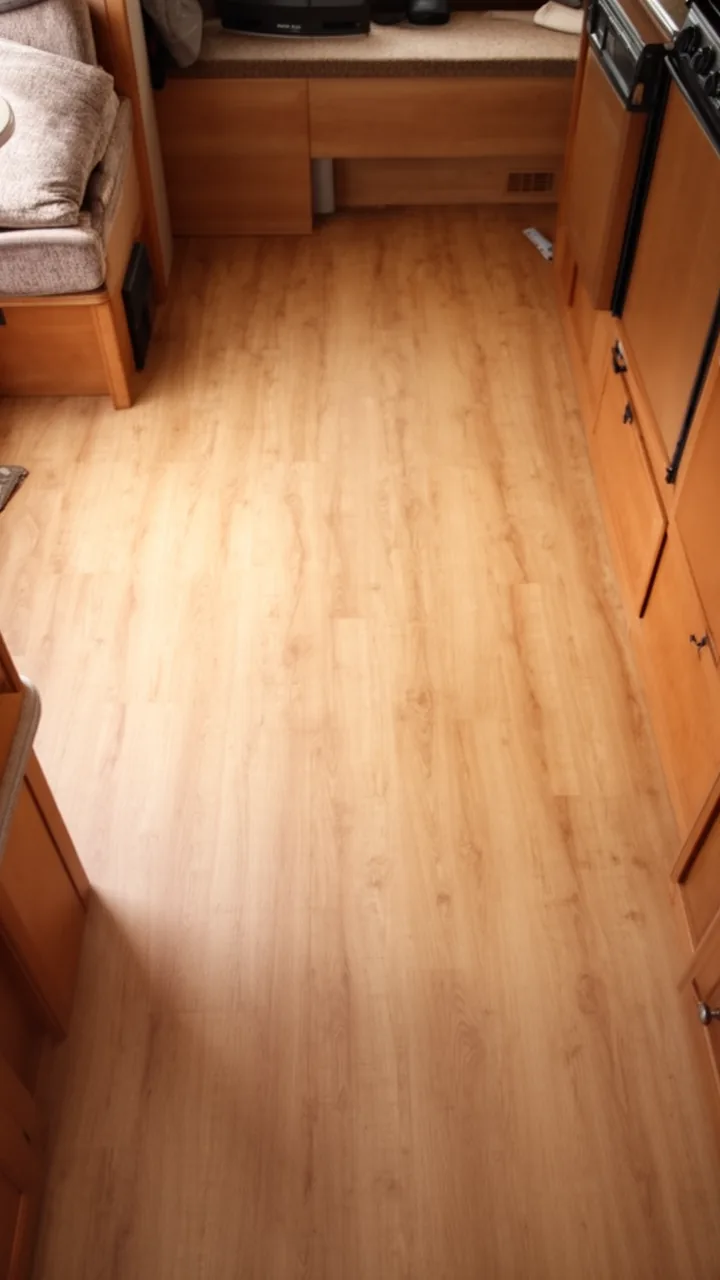
Peel-and-stick vinyl plank lets you refresh a camper floor in a weekend with no glue buckets and no special tools, which makes it a favorite for renters and first-timers.
If a full flooring job sounds like too much, peel-and-stick vinyl plank is the gentle way in. You clean the old floor, peel the backing, and press each plank down, and that is really it. This is one of the friendliest camper flooring ideas for anyone who wants a warm wood look without committing to a big install.
If you like this, you will enjoy the light, airy palette in 30 RV Wallpaper Ideas, since they share the same easygoing feel.
Why It Works
- Sticks right over a clean, smooth existing floor
- No cutting jigs or glue, just a utility knife
- Lifts back up if you rent or want to redo it later
Quick, tidy, and forgiving, it is a lovely first floor project.
3. Waterproof Laminate for Warm Wood Looks
 Shop this look: waterproof laminate
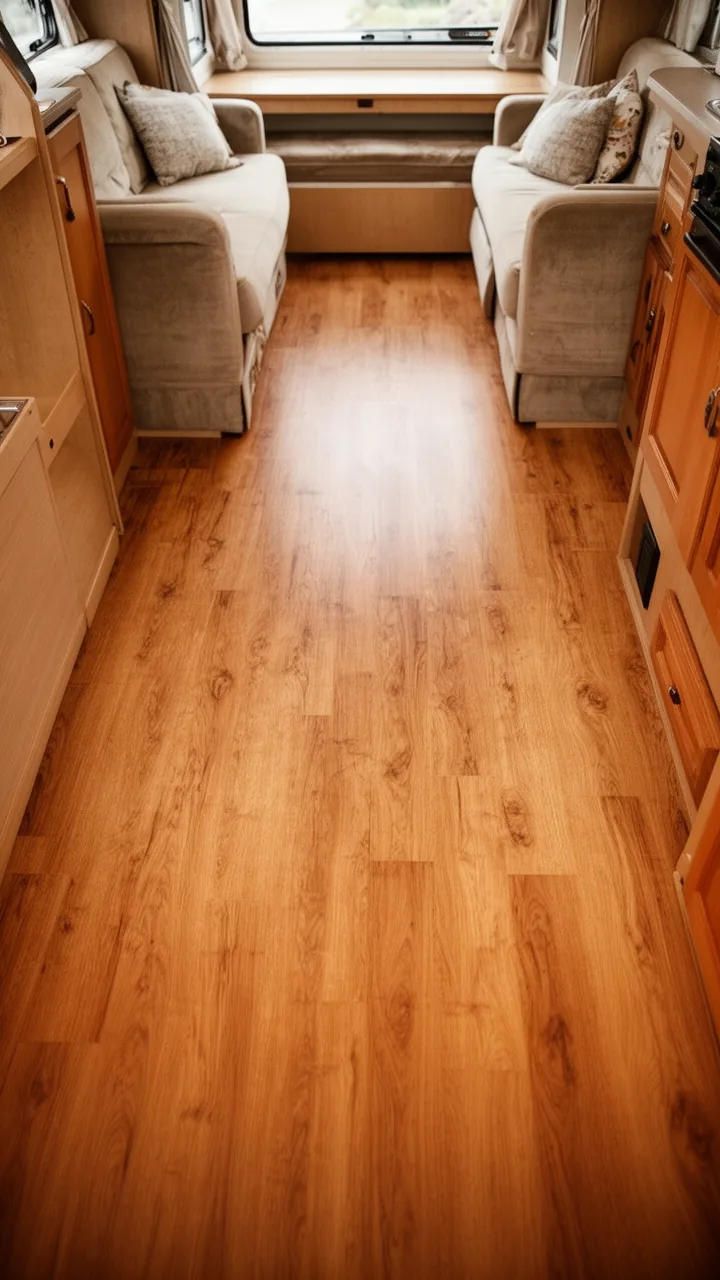
Waterproof laminate gives you crisp wood grain and a slightly firmer feel underfoot than vinyl, and the sealed core handles the damp that comes with camper living.
Laminate used to be a no-go in campers because moisture would swell the seams, but the newer waterproof kinds have changed that. The photo-real wood layer looks sharp, and it feels a touch more solid than vinyl when you walk on it. Just make sure the box actually says waterproof, not water-resistant, since a camper sees plenty of steam and wet boots.
Key Points
- Look for a fully waterproof core, not just water-resistant
- Leave a small expansion gap around the edges
- Warm oak tones read cozier than cool grey in a rig
For a firm, warm wood floor that can handle real life, waterproof laminate delivers.
4. Wood-Look Vinyl for a Cabin-on-Wheels Feel
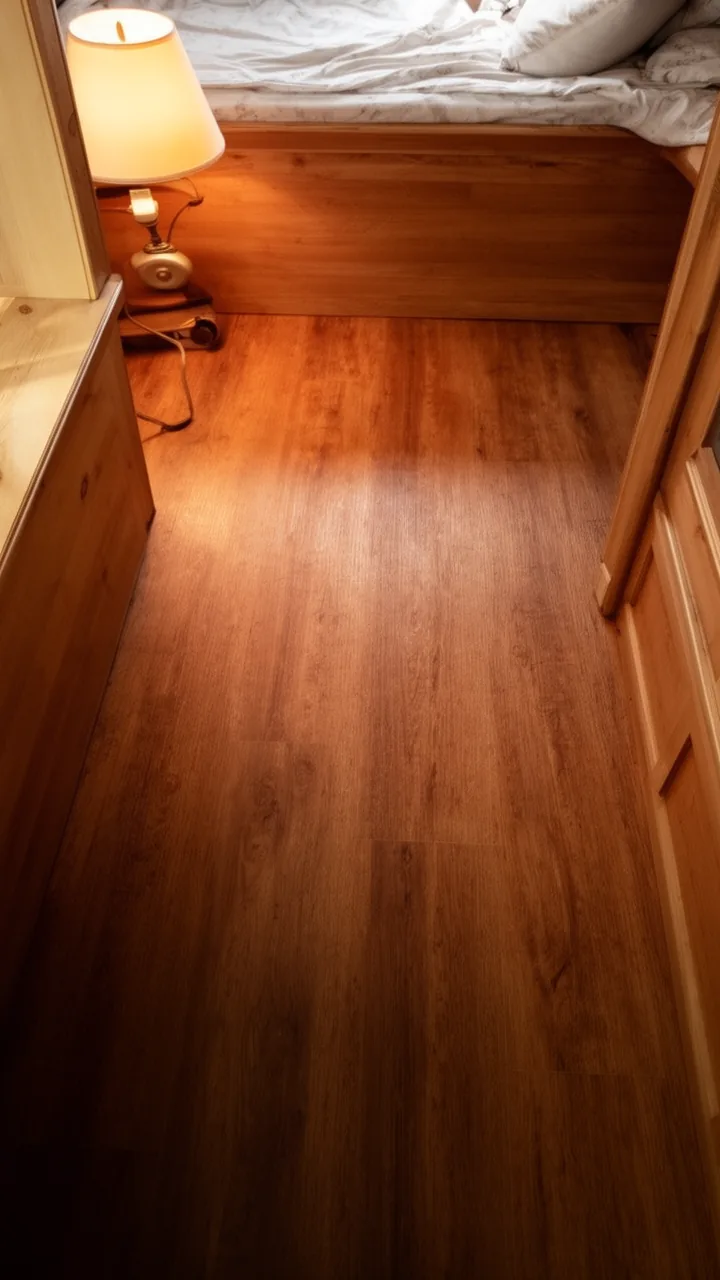 Shop this look: wood-look vinyl
Wood-look vinyl brings the warmth of a cabin floor into your rig, with deep grain tones that make a small camper feel snug and grounded.
There is something about a warm wood-look floor that makes a camper feel like a mountain cabin you can drive anywhere. The richer, reddish and honey tones glow under lamp light and hide the little scuffs of daily life. I remember stepping into a friend’s rig with deep wood-look vinyl and instantly wanting to kick my shoes off and stay a while.
Styling Notes
- Pair deep wood floors with lighter walls to keep it airy
- Add a woven rug for extra cabin coziness
- Matte finishes look more like real wood than glossy
For that cabin-in-the-woods warmth, wood-look vinyl is a cozy pick.
5. One-Piece Sheet Vinyl for Easy Cleanup
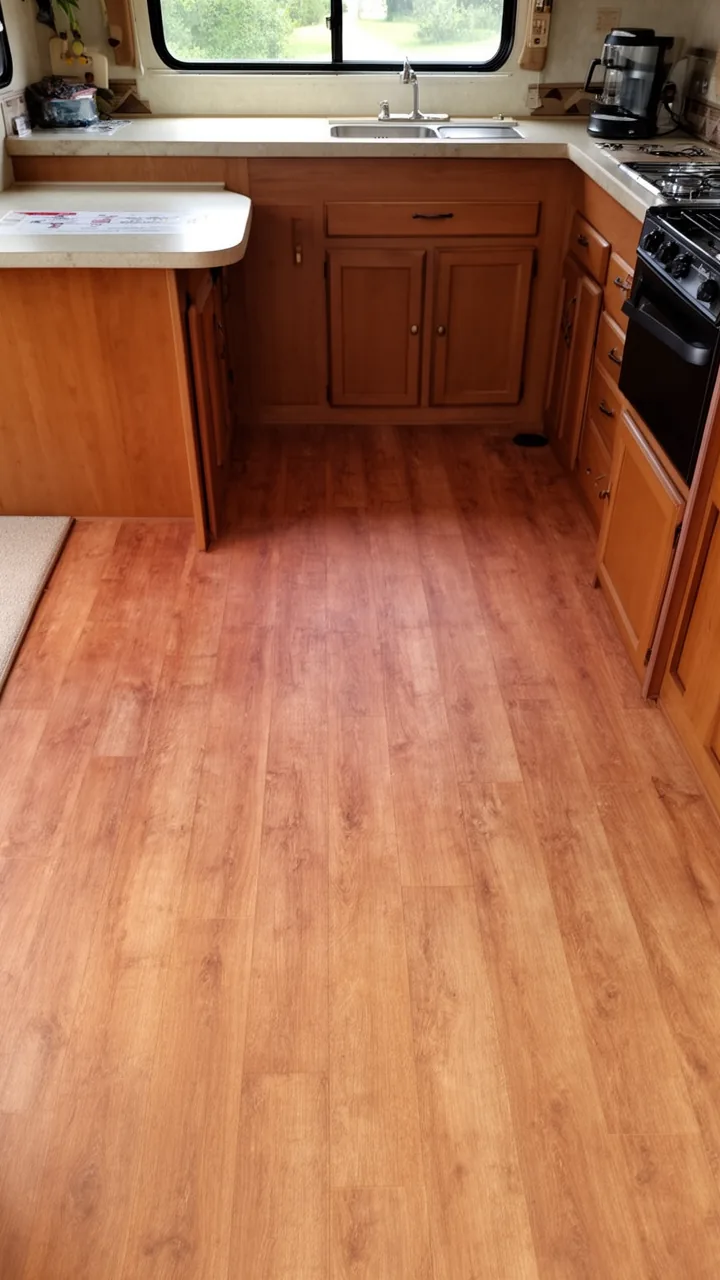 Shop this look: sheet vinyl
Sheet vinyl rolls out in one smooth piece with almost no seams, so water and crumbs have nowhere to hide, which makes it a smart camper flooring idea for the kitchen zone.
From what I’ve gathered talking to full-timers, sheet vinyl is the quiet workhorse of rv flooring. Because it comes as one big smooth sheet, there are barely any gaps for spills to sneak into, so a quick mop keeps it fresh. It is also one of the more budget-friendly ways to cover a whole camper floor in an afternoon.
Why It Works
- One smooth piece means fewer seams to trap water
- Wipes clean fast after cooking or muddy trips
- One of the most affordable full-floor options
For fuss-free cleanup, a smooth sheet vinyl floor is hard to beat.
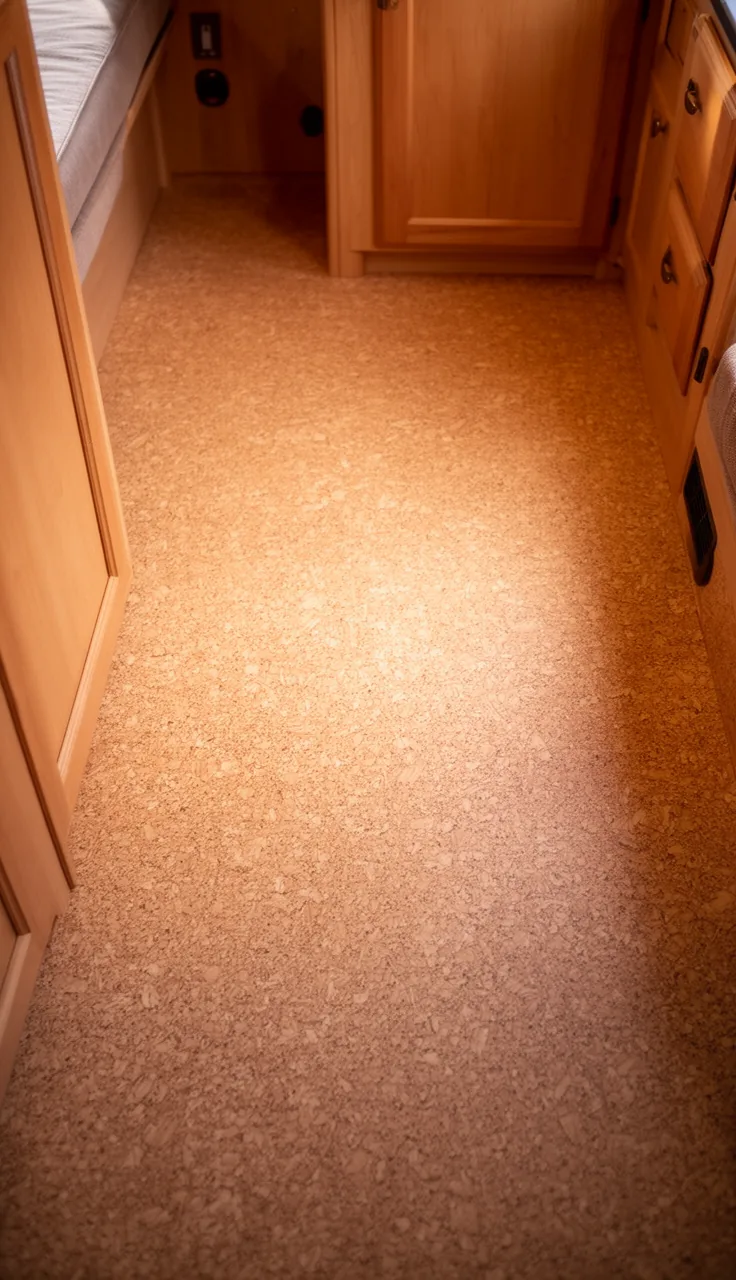
6. Cork Flooring for a Soft, Warm Step
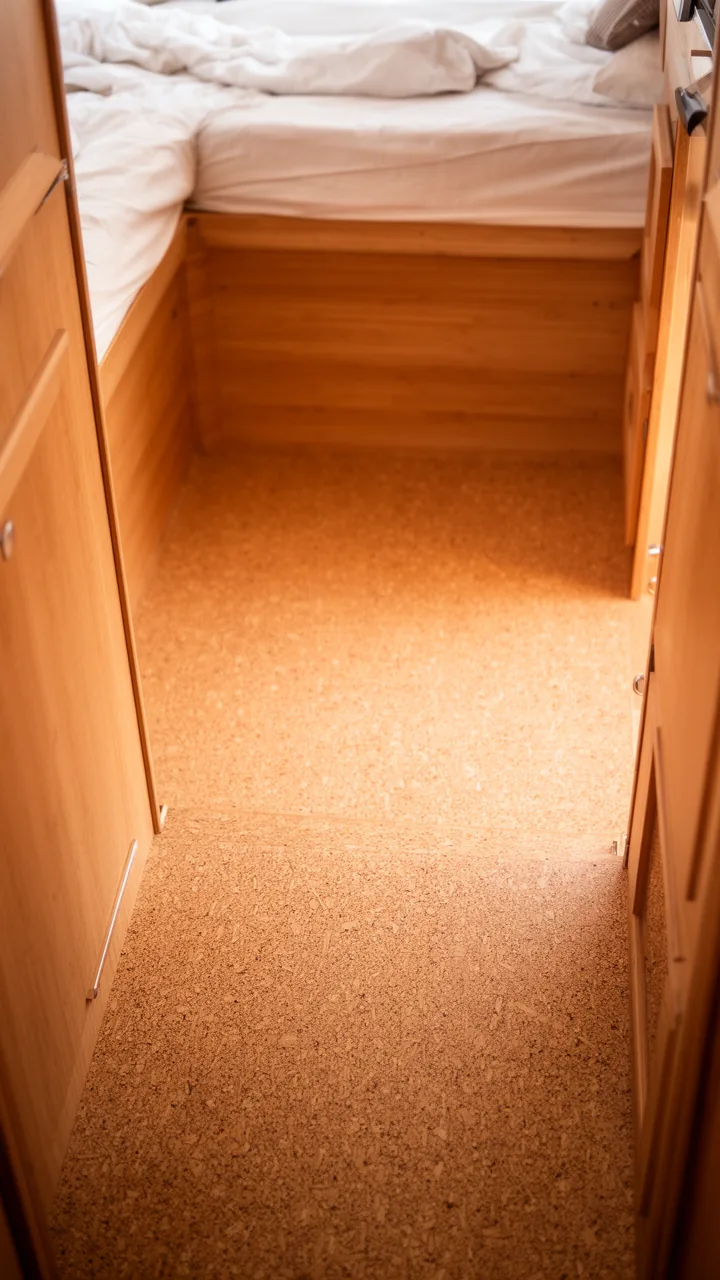 Shop this look: cork flooring
Cork flooring feels soft and warm under bare feet, cuts down on road noise, and adds a natural texture that makes a camper feel calm and cozy.
Cork is a sweet surprise in a camper because it is gentle on your feet and naturally cushions sound, which is lovely on a bumpy travel day. The warm honey texture pairs beautifully with wood accents and plants. It does need a good seal against moisture, but once it is protected, it is a soft, quiet floor that feels like home.
Materials
- Sealed cork tiles or click-lock cork planks
- A quality moisture sealer for camper humidity
- Felt pads under furniture to protect the surface
For a warm, quiet, barefoot-friendly floor, cork is a gentle choice.
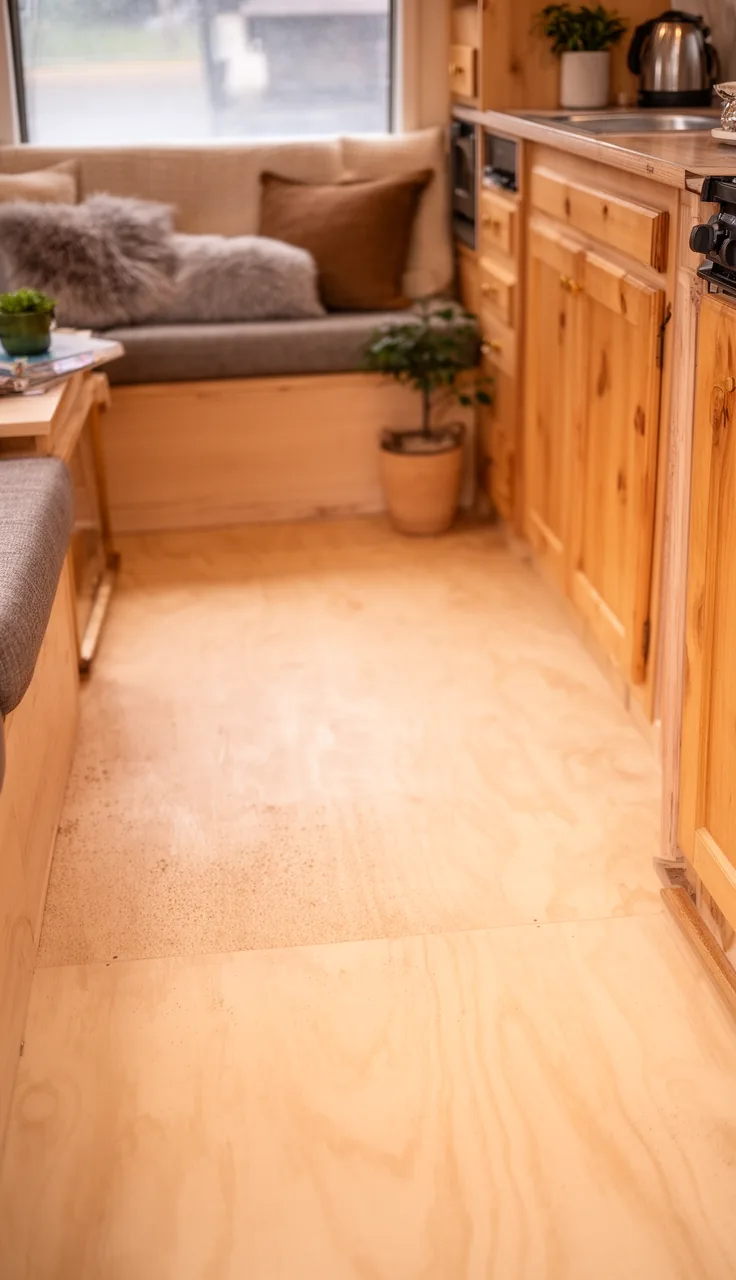
7. Painted Plywood Subfloor on a Budget
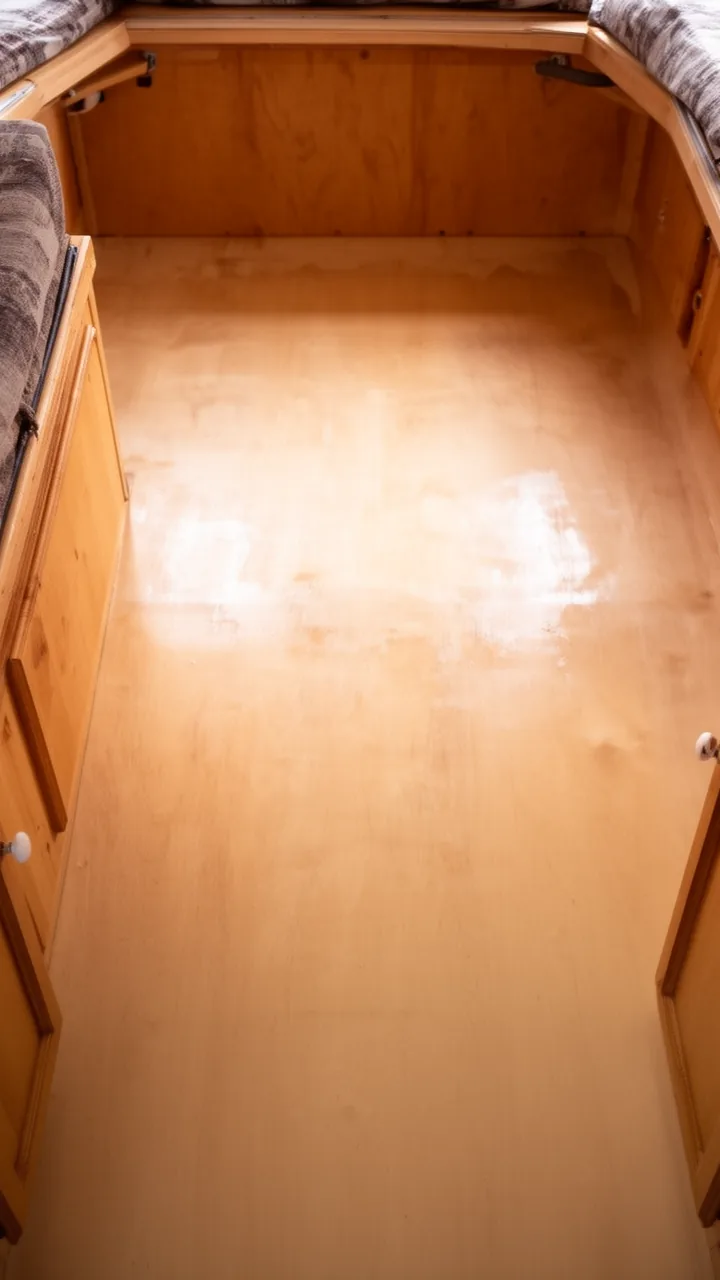
Painting your plywood subfloor is one of the most budget-friendly camper flooring ideas, letting you cover a worn floor for the cost of a can of porch paint.
When the budget is tight, do not overlook plain painted plywood. A couple of coats of durable porch-and-floor paint over a sanded subfloor gives you a clean, warm surface you can live on while you save for something fancier. A friend of mine painted her pop-up camper floor a soft sand color and it looked so tidy that she left it that way for two seasons.
Quick Tips
- Sand and prime the plywood so paint grips well
- Use tough porch-and-floor paint for durability
- Add a clear topcoat sealer for extra wear
Simple and cheap, a painted floor buys you a fresh start.
Budget-friendly painted and peel-and-stick camper floors
 1 / 5
1 / 5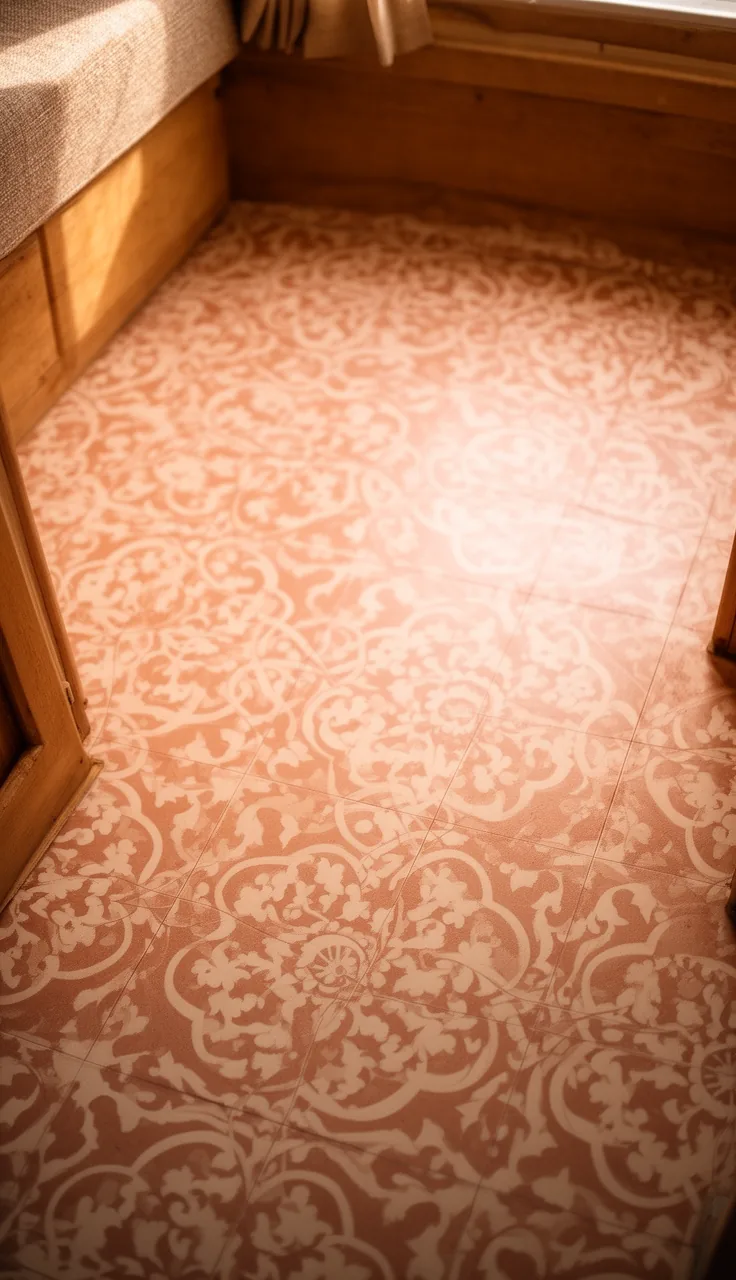 2 / 5
2 / 5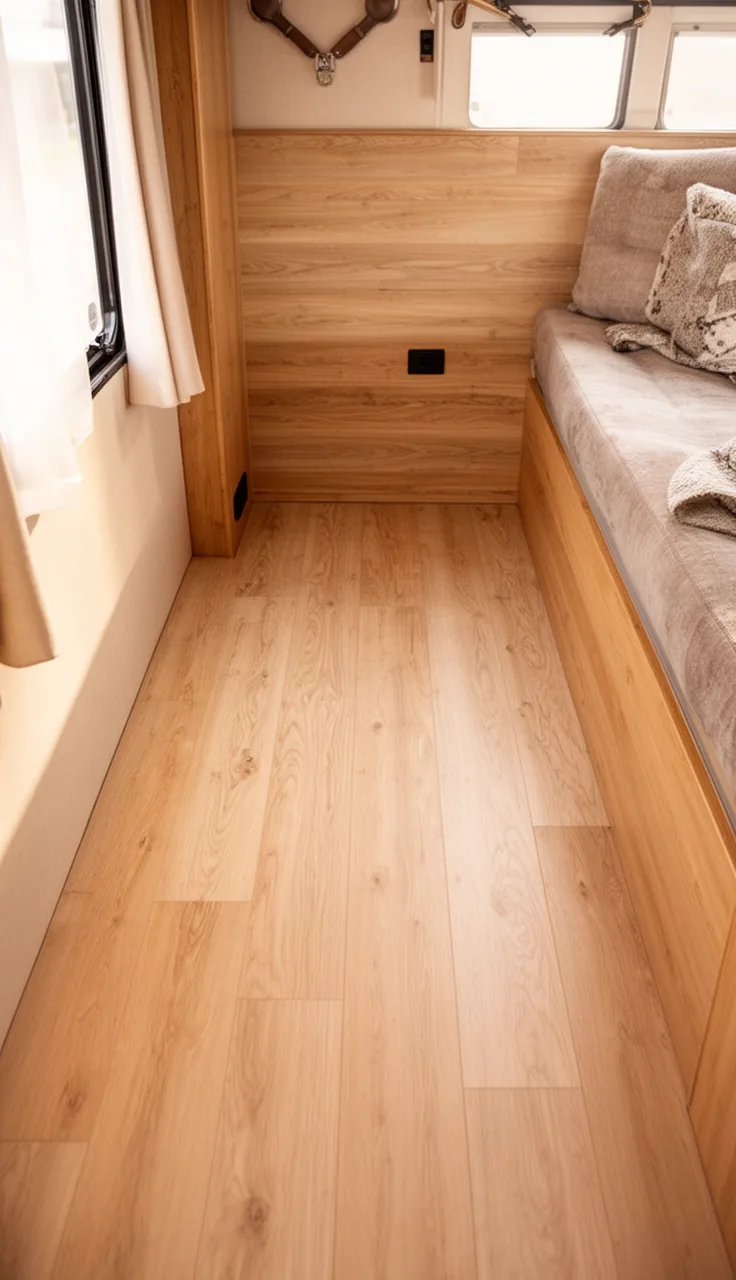 3 / 5
3 / 5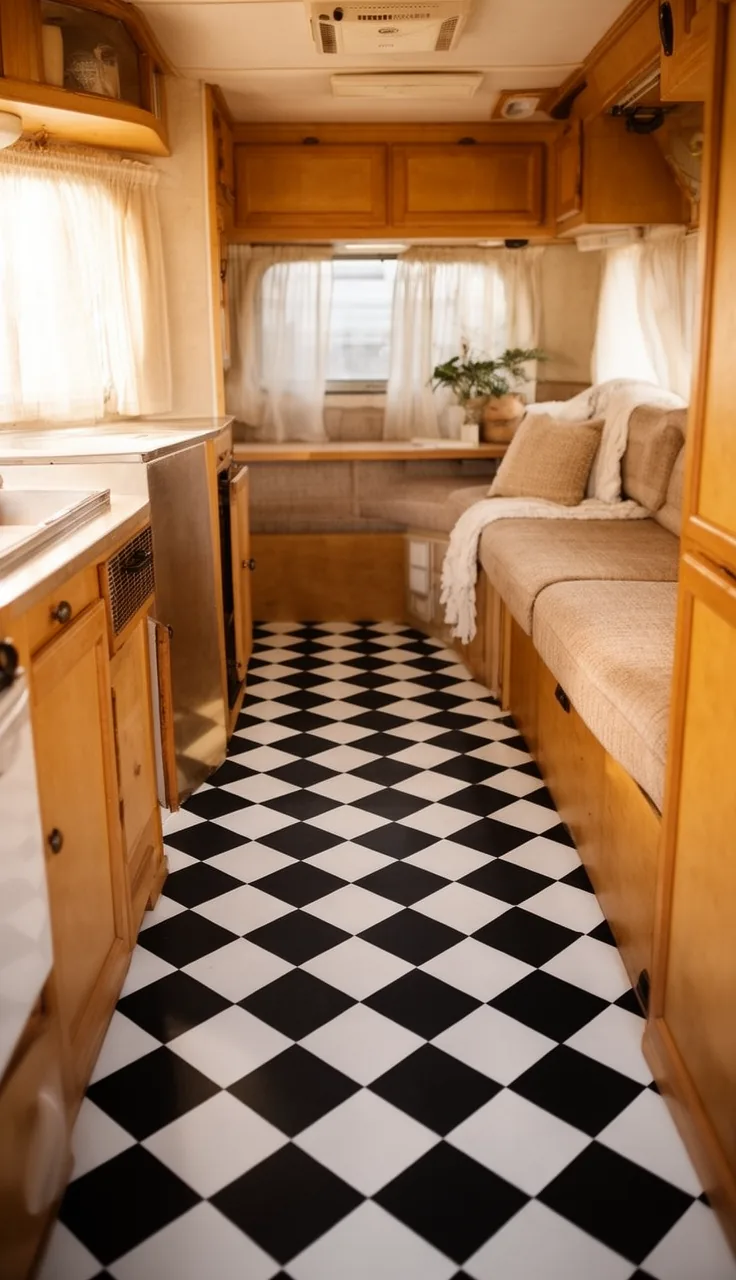 4 / 5
4 / 5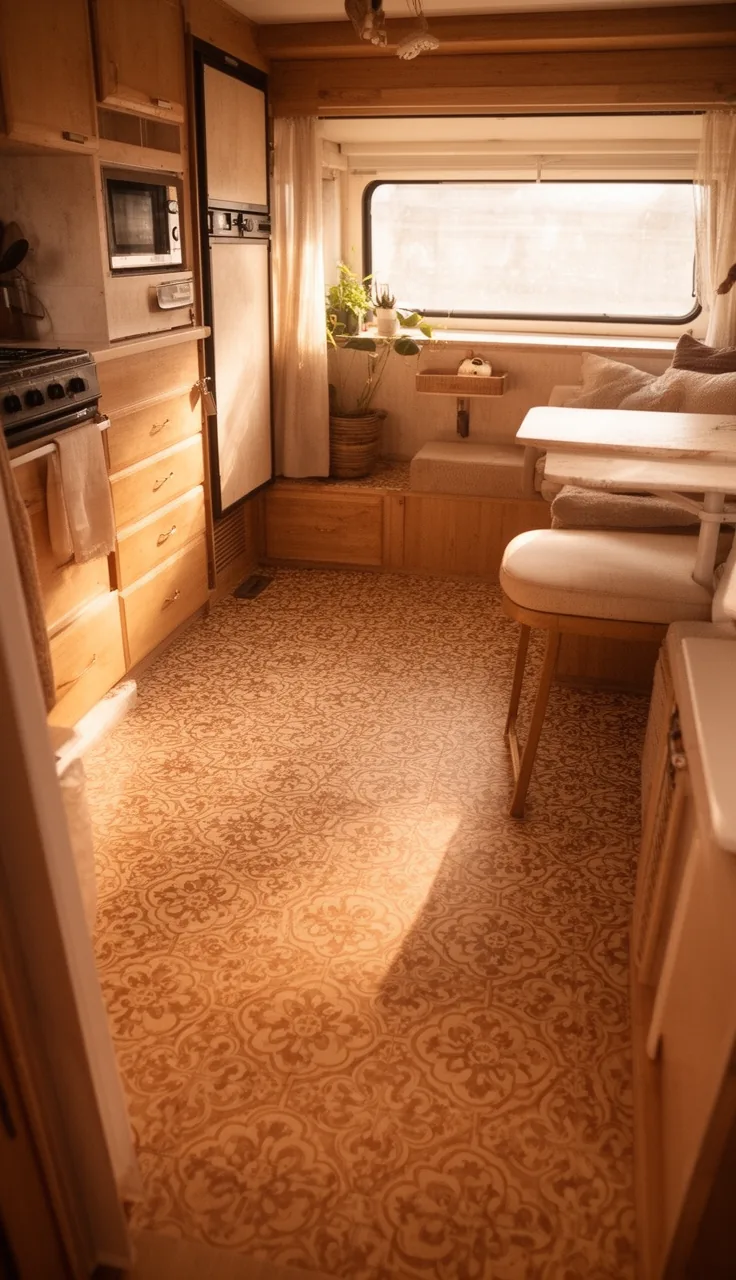 5 / 5
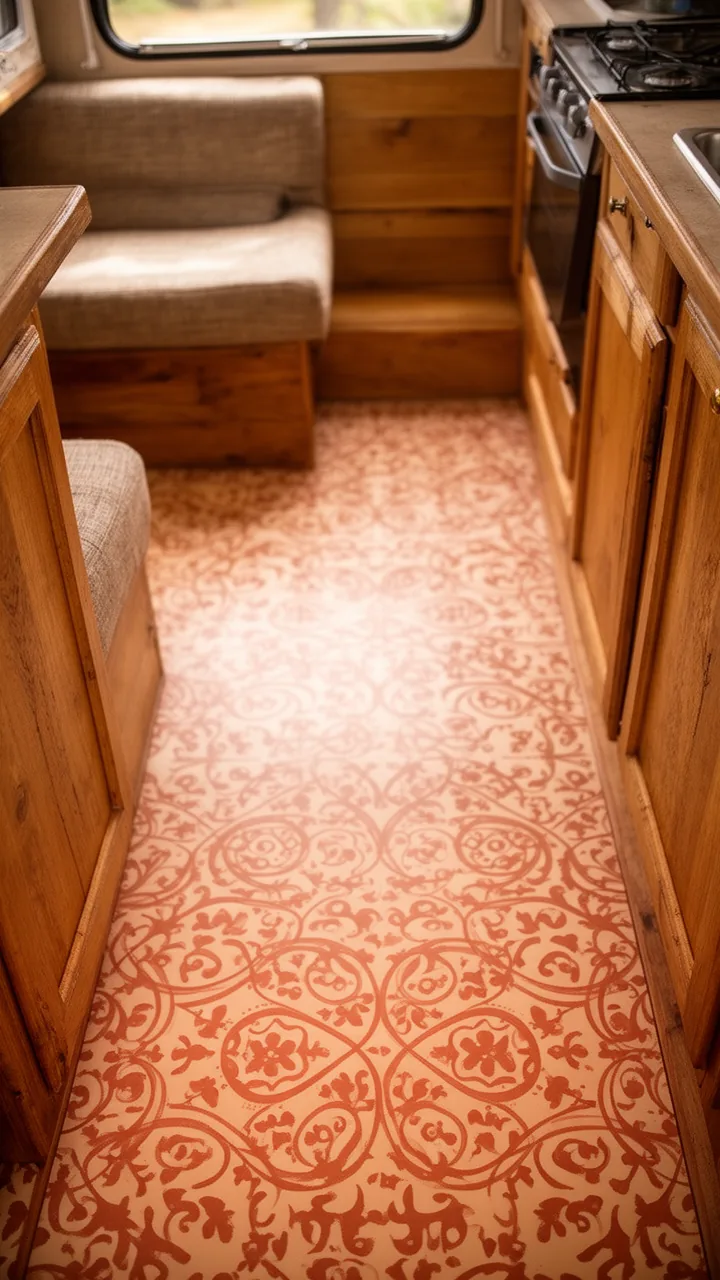
5 / 58. Stenciled Floor for Handmade Pattern
 Shop this look: floor stencils · SUPERJARE Gym Floor Mats, EVA Foam Puzzle… · ProsourceFit Exercise Puzzle Mat 1/2-inch, EVA…
A stenciled floor adds handmade pattern and personality over painted plywood or plain vinyl, giving your camper a boho tile look for just the price of paint and a stencil.
If you want your floor to feel like art, a stencil is pure magic. You paint a base color, then roll a tile or Moroccan pattern on top for a look that would cost a fortune in real tile. I’ve seen tiny campers with a warm terracotta stenciled floor that instantly felt like a cozy little cottage on wheels.
Why It Works
- Turns a plain floor into a custom feature for a few dollars
- Reusable stencils let you match any camper style
- Seal it well so the pattern survives foot traffic
For a floor with real character, a stencil brings the charm.
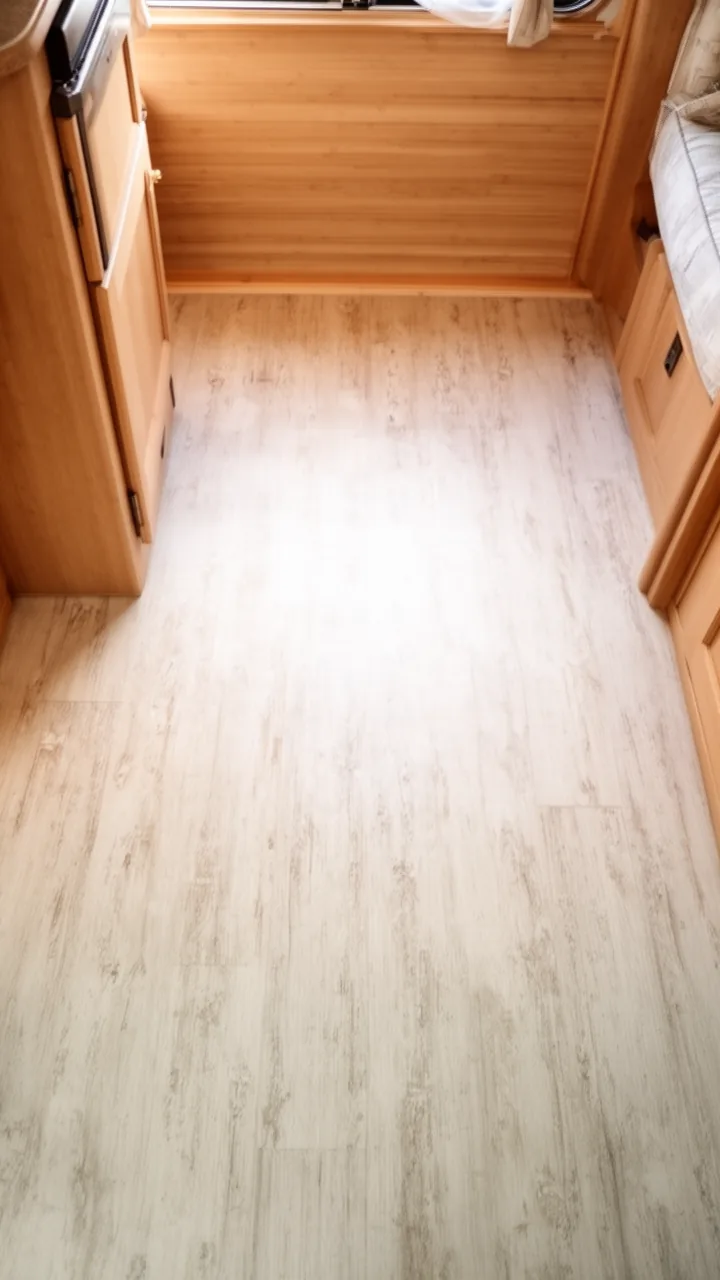
9. Light Coastal Wood for an Airy Rig
 Shop this look: light wood planks · SENMUT Wooden Tiered Risers Display Stand,… · Yikaroeli Large Display Wood Risers Wooden…
Light, coastal wood-look flooring in pale sandy tones bounces daylight around and makes a small, dark camper feel open and breezy.
Pale coastal floors are a favorite when a rig feels cramped or dim. The soft, sandy and driftwood tones reflect light instead of soaking it up, so the whole camper feels a size bigger. Pair it with white and blue accents and your tiny trailer suddenly feels like a beach cottage. It is one of my go-to camper flooring ideas for brightening a cave-like interior.
Styling Notes
- Pale driftwood and sandy tones open up a small space
- Keep grain subtle for a calm, breezy look
- Add blue and white accents for coastal charm
To brighten and open a snug rig, light coastal wood is a breath of fresh air.
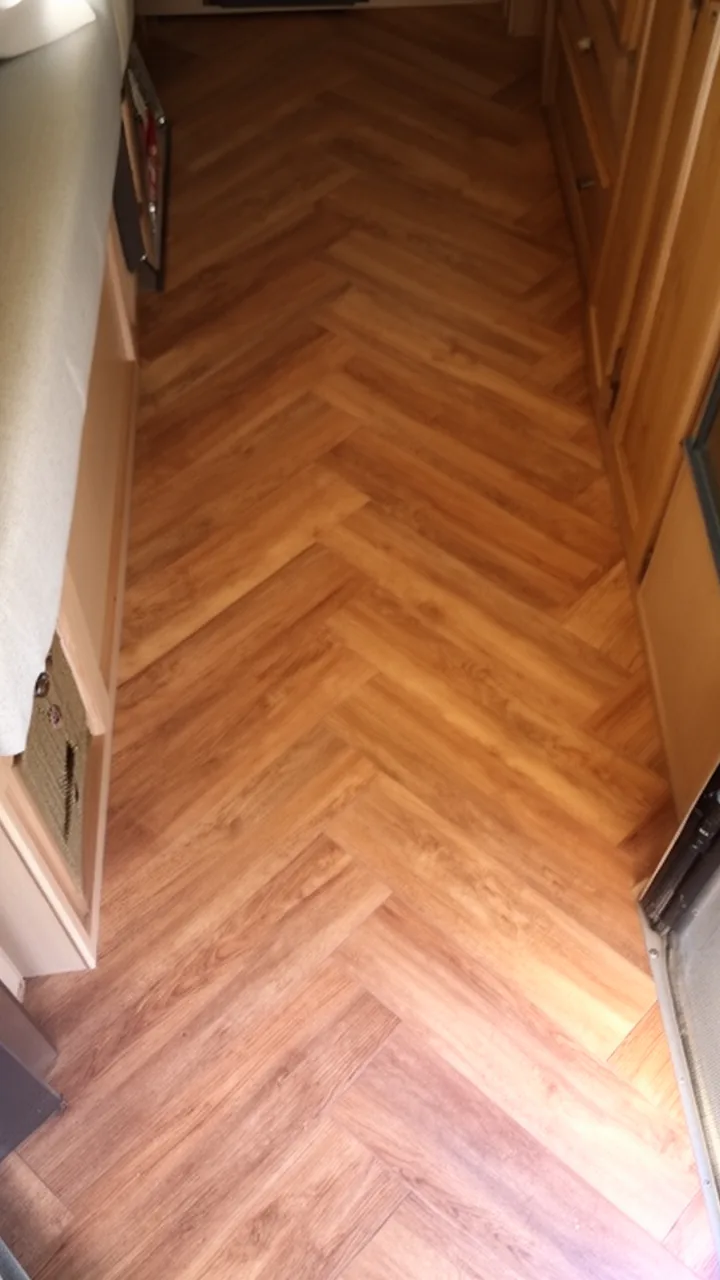
10. Herringbone Vinyl for a Designer Touch
 Shop this look: herringbone vinyl
Laying wood-look vinyl in a herringbone pattern adds a designer, high-end feel to a camper floor without costing more than the planks themselves.
Herringbone is that classic zigzag layout you see in fancy old houses, and it looks so unexpected and charming in a little camper. Same affordable vinyl planks, just angled into a pattern that makes people do a double take. It takes a bit more planning and cutting, but the payoff is a floor that feels custom and special.
Key Points
- Use plank vinyl and cut ends for the zigzag angle
- Dry-lay a section first to plan your pattern
- Warm wood tones make the herringbone glow
For a floor that looks designed, not default, herringbone is worth the effort.
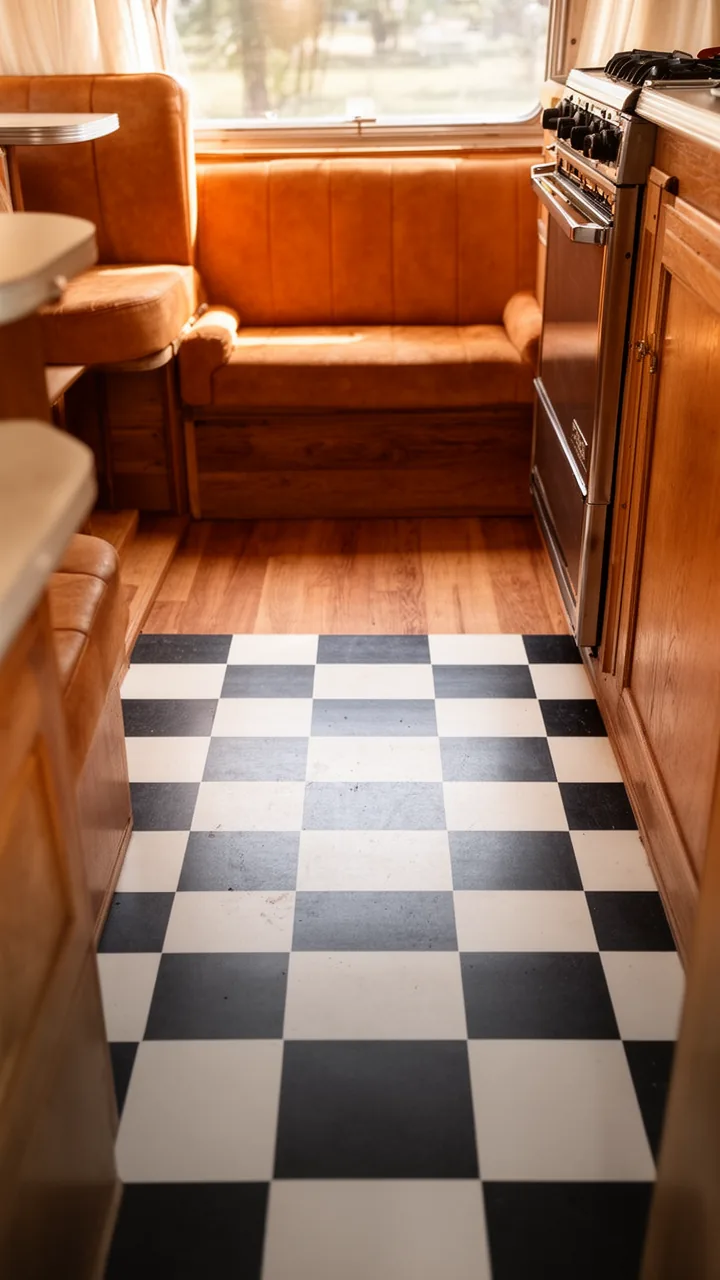
11. Black-and-White Check for Retro Charm
 Shop this look: checker floor tiles
A black-and-white checkerboard floor brings playful retro diner charm to a vintage camper and pairs perfectly with a restored trailer look.
Nothing says happy little vintage camper like a checkerboard floor. That classic diner pattern is cheerful, timeless, and hides dirt surprisingly well between mopping. I remember touring a restored 1960s trailer with a checkered floor and it made the whole rig feel like a slice of the past in the best way. Peel-and-stick tiles make the look easy.
If you like this, you will enjoy the same retro-happy spirit in this vintage-leaning living room, since they share the same easygoing feel.
Why It Works
- Peel-and-stick check tiles make the pattern simple
- Retro charm suits vintage and glamper rigs
- The busy pattern hides everyday scuffs
For playful vintage personality, a checkerboard floor is pure joy.
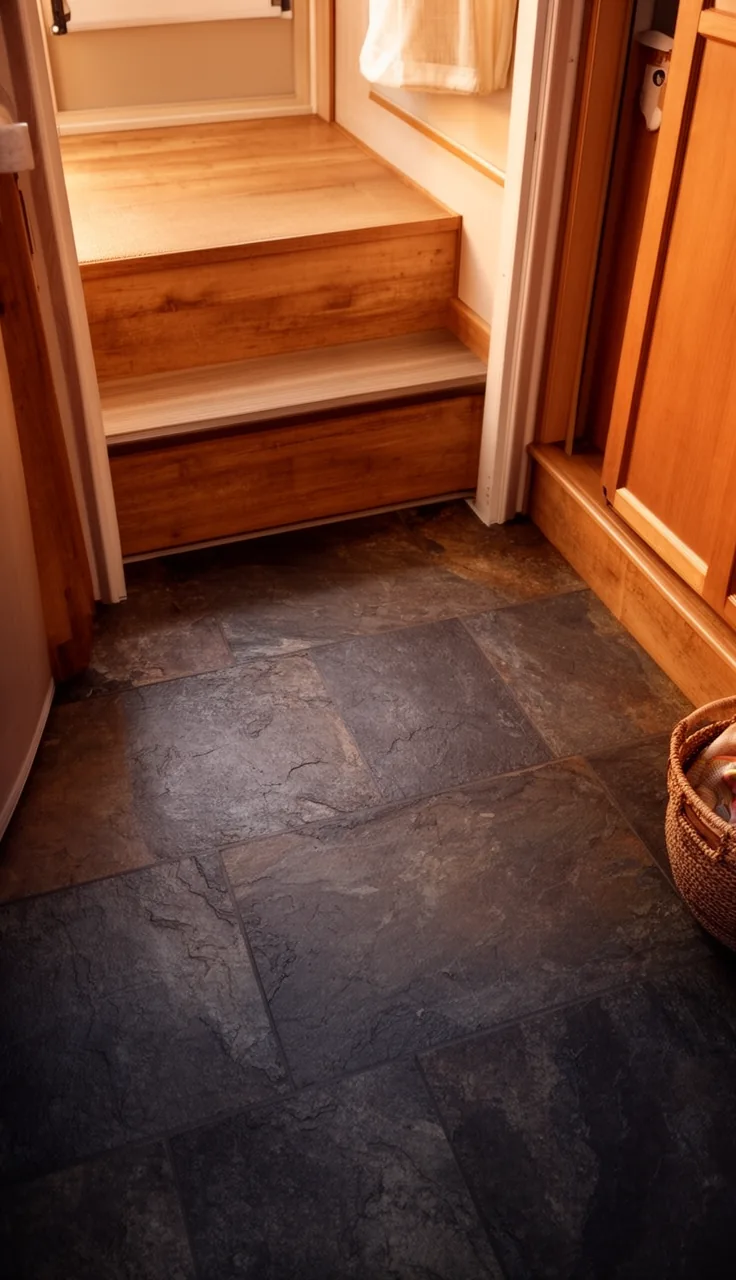
12. Slate-Look Vinyl Tile for Entryways
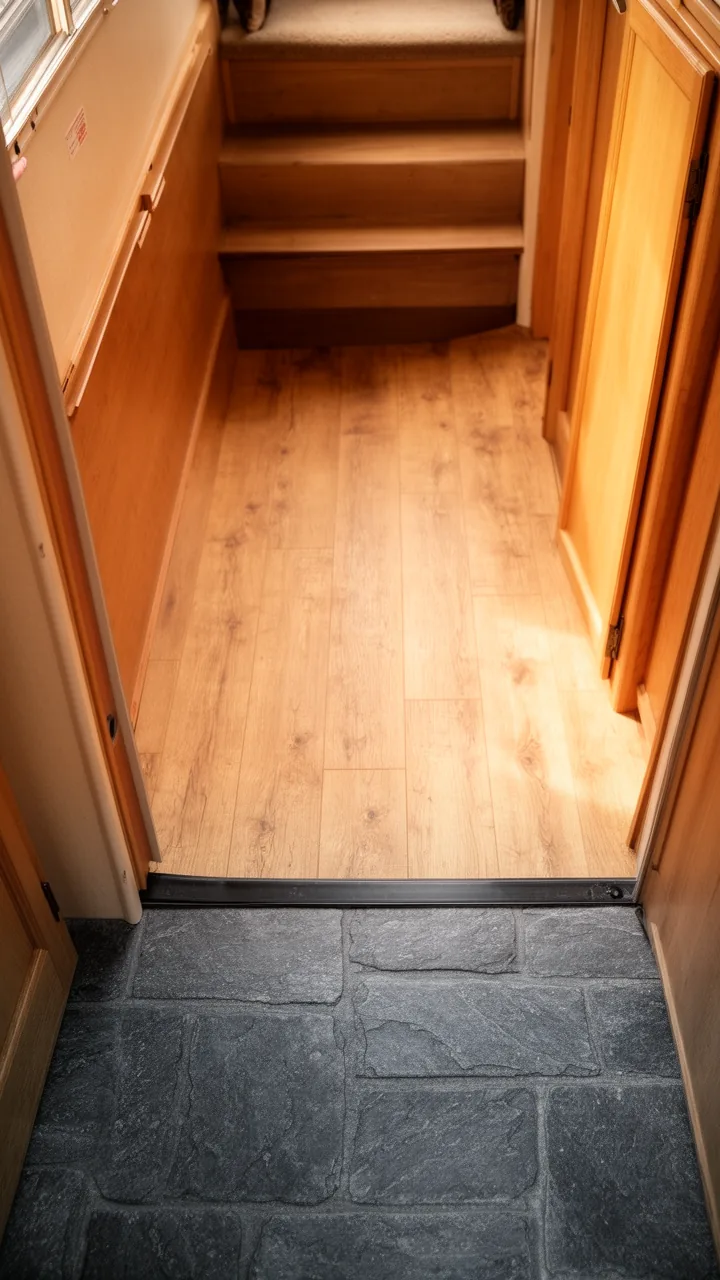
Slate-look vinyl tile gives your camper a tough, stone-style landing spot by the door that handles muddy boots and wet paws without looking cold.
A little zone of slate-look tile right at the camper door works like a built-in mudroom. The stone texture shrugs off dirt, water, and grit that would wear out wood-look floors faster. From what I’ve gathered, matching the rest of the floor in wood-look vinyl and just tiling the entry gives you the best of both, warmth where you live and grit-tough stone where you come and go.
Materials
- Peel-and-stick or click slate-look vinyl tiles
- A durable entry mat to catch the worst grit
- Coordinating wood-look vinyl for the main floor
For a hardworking entry that still feels warm, slate-look tile is smart.
Warm tile-look and stone floors for camper entries and kitchens
 1 / 5
1 / 5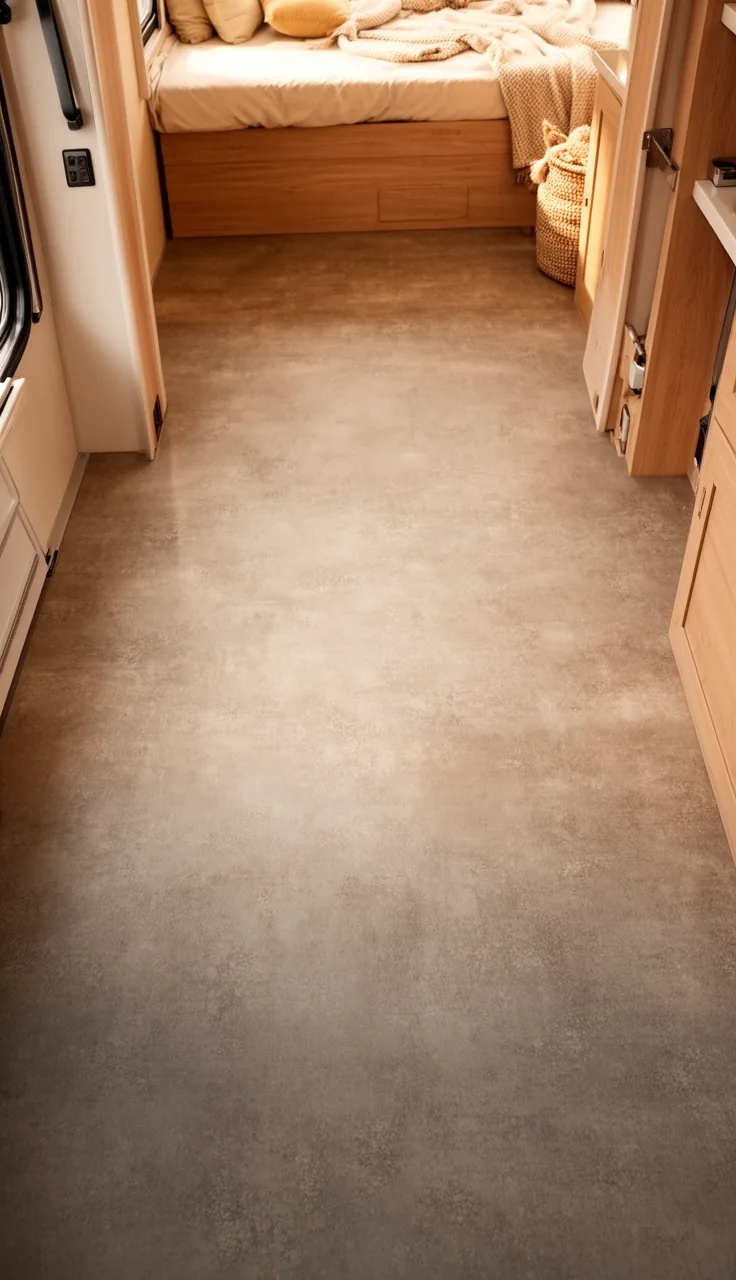 2 / 5
2 / 5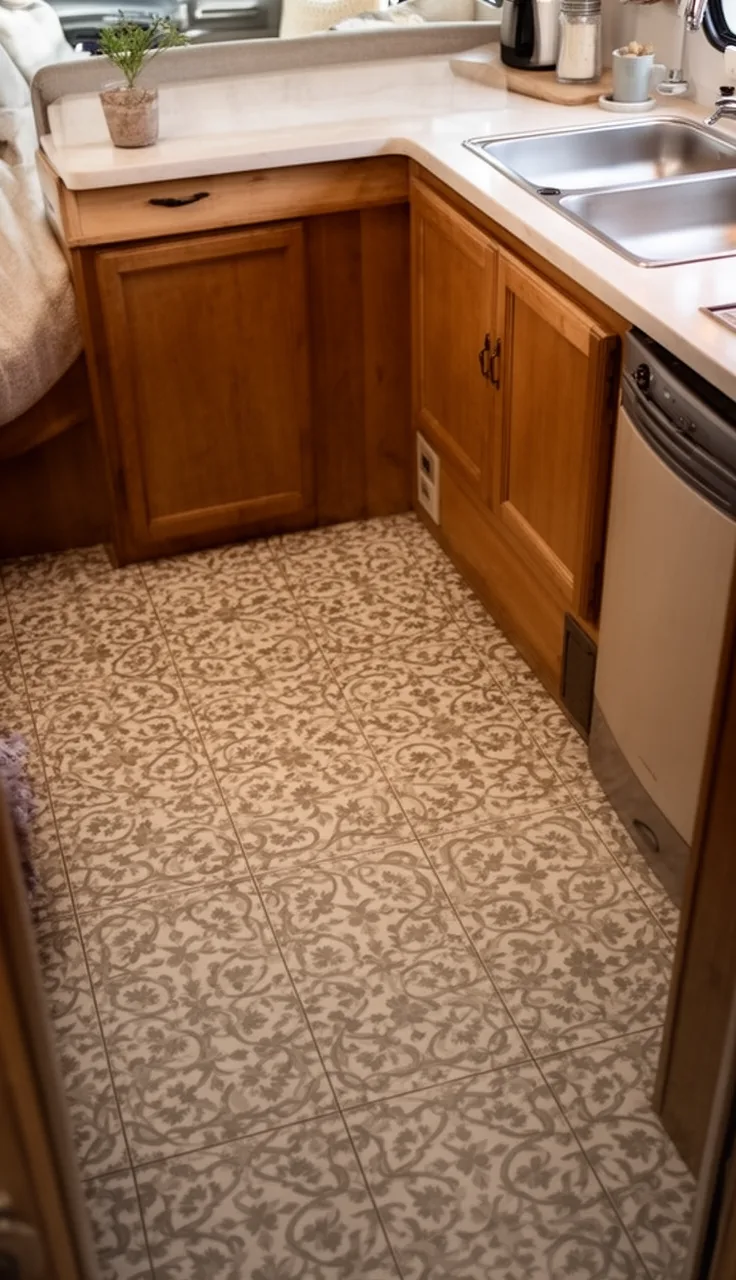 3 / 5
3 / 5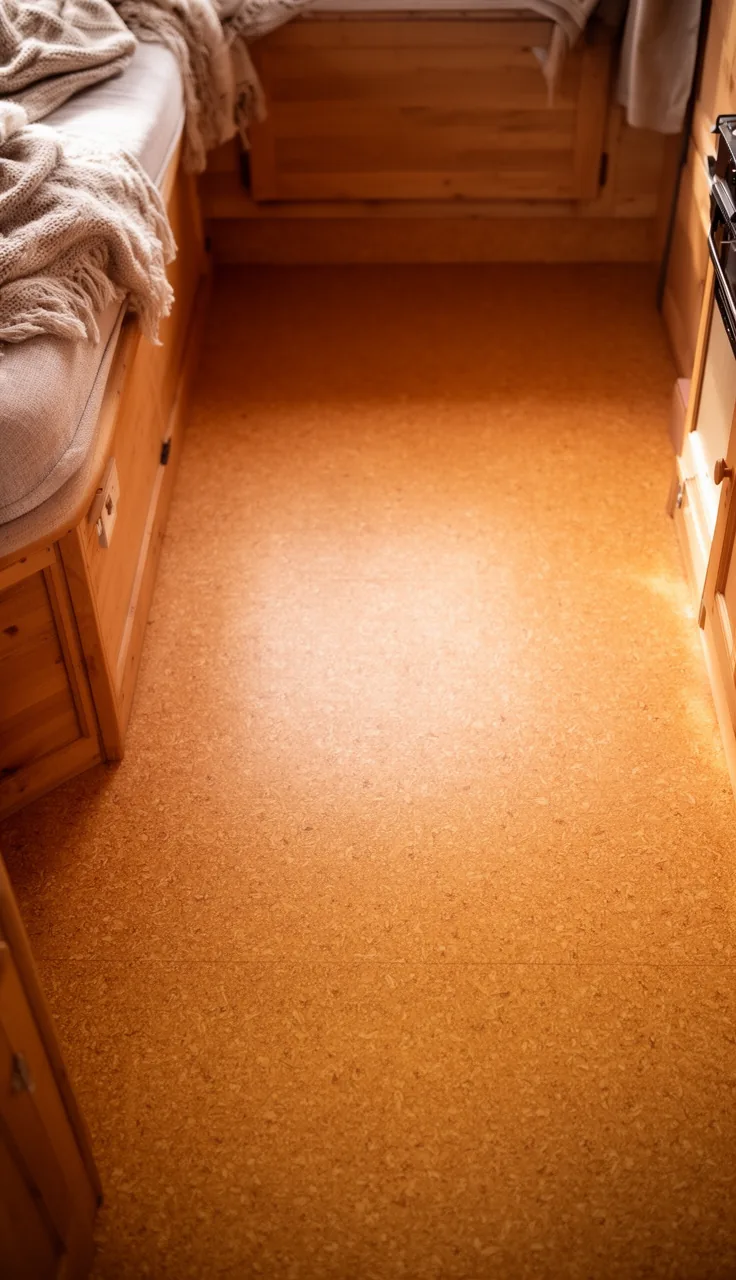 4 / 5
4 / 5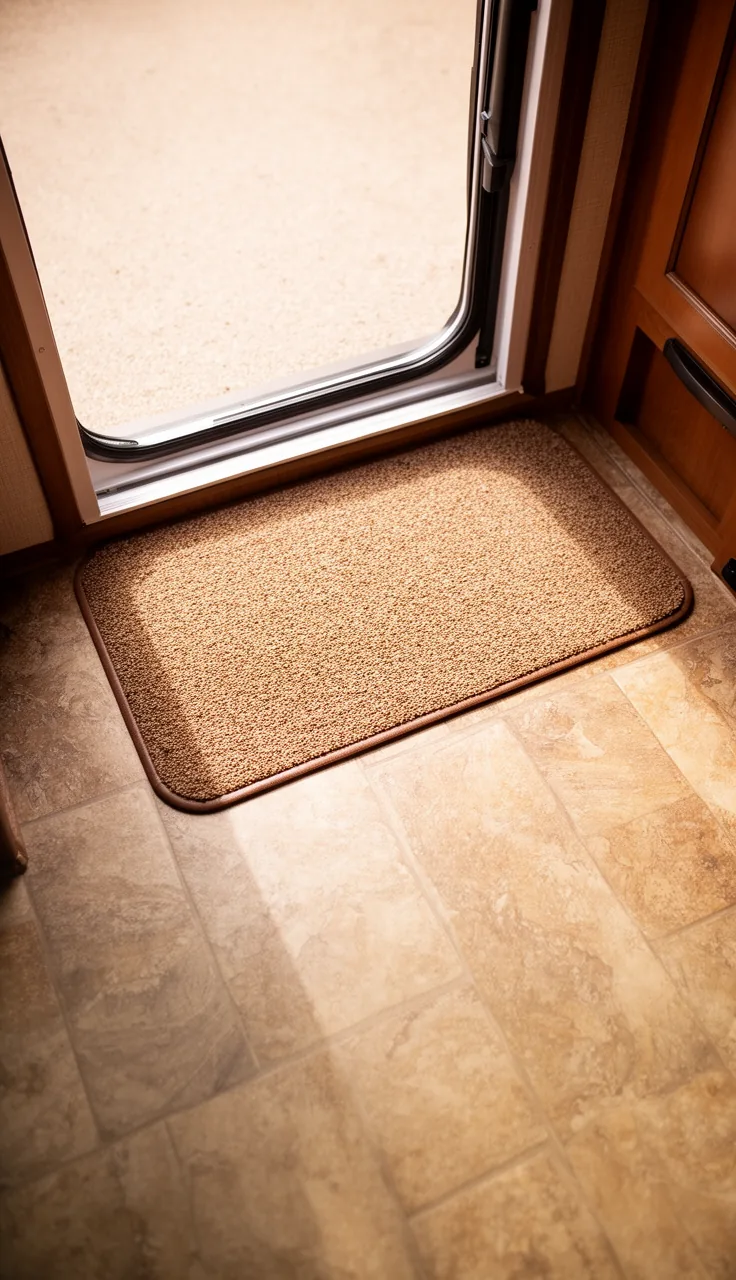 5 / 5
5 / 513. Natural Linoleum for an Eco-Friendly Floor
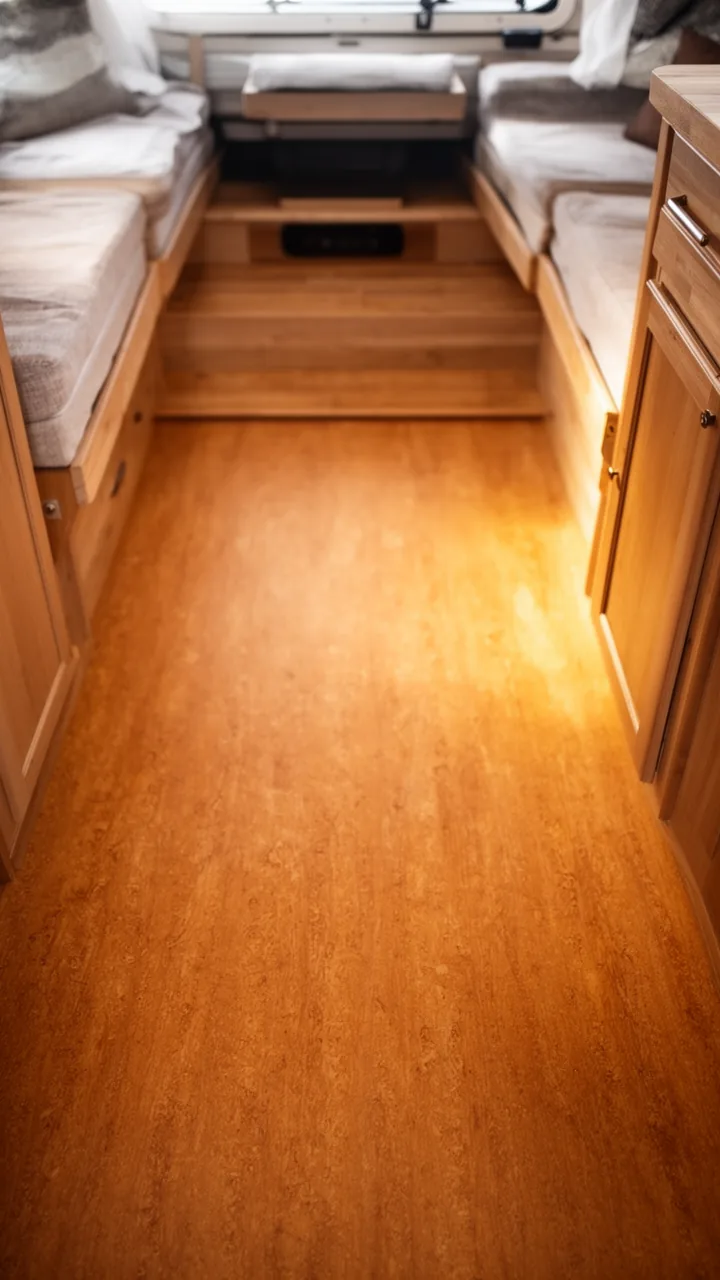 Shop this look: natural linoleum
Natural linoleum, made from linseed oil and cork, is a warm, eco-friendly camper flooring idea that resists water and comes in rich earthy colors.
Real linoleum is not the plastic stuff of the past, it is a natural material made from linseed oil, cork dust, and jute. It feels warm underfoot, holds up to moisture, and comes in gorgeous earthy ambers and greens. For anyone who wants a greener rig, it is a lovely, durable floor that ages beautifully with a little care.
Key Points
- Made from renewable, natural materials
- Warm and slightly soft underfoot
- Seal and wax it now and then to protect it
For an eco-minded, warm floor with character, natural linoleum shines.
14. Indoor-Outdoor Carpet Tiles for Cozy Warmth
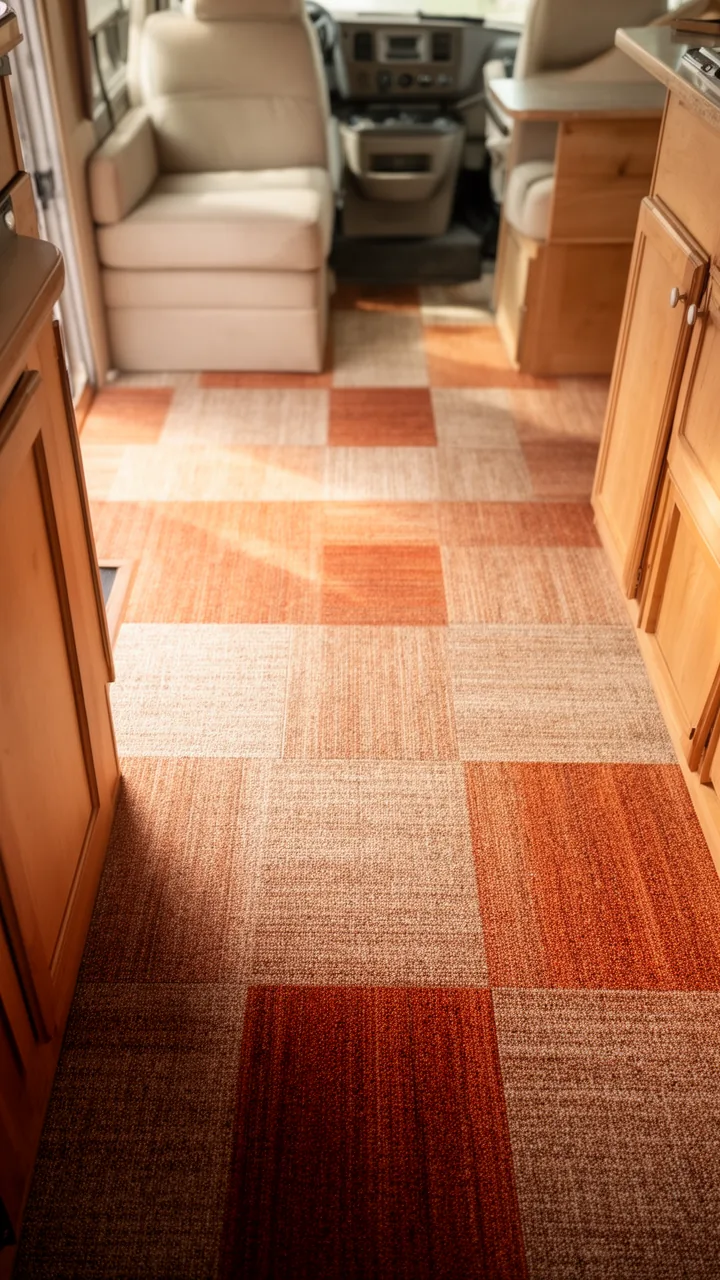 Shop this look: carpet tiles · Pebble Stone Mosaic Tiles 5 Sheets, Beige Tan…
Indoor-outdoor carpet tiles add soft warmth underfoot in a camper while still handling dirt and moisture, and you can replace one square if it stains.
Not everyone wants a hard floor, especially in a cold-weather rig, and carpet tiles are a clever middle ground. They give you cozy warmth where you sit and sleep, but because they are modular, you can pull up and swap a single stained square. I’ve seen campers use warm oatmeal tiles in the lounge and hard vinyl in the kitchen for the best of both.
Why It Works
- Modular squares let you replace just the dirty one
- Indoor-outdoor rating handles camper moisture
- Soft and warm for cold-weather camping
For cozy, practical warmth underfoot, carpet tiles are a smart layer.
15. Peel-and-Stick Tile for the Kitchen Zone
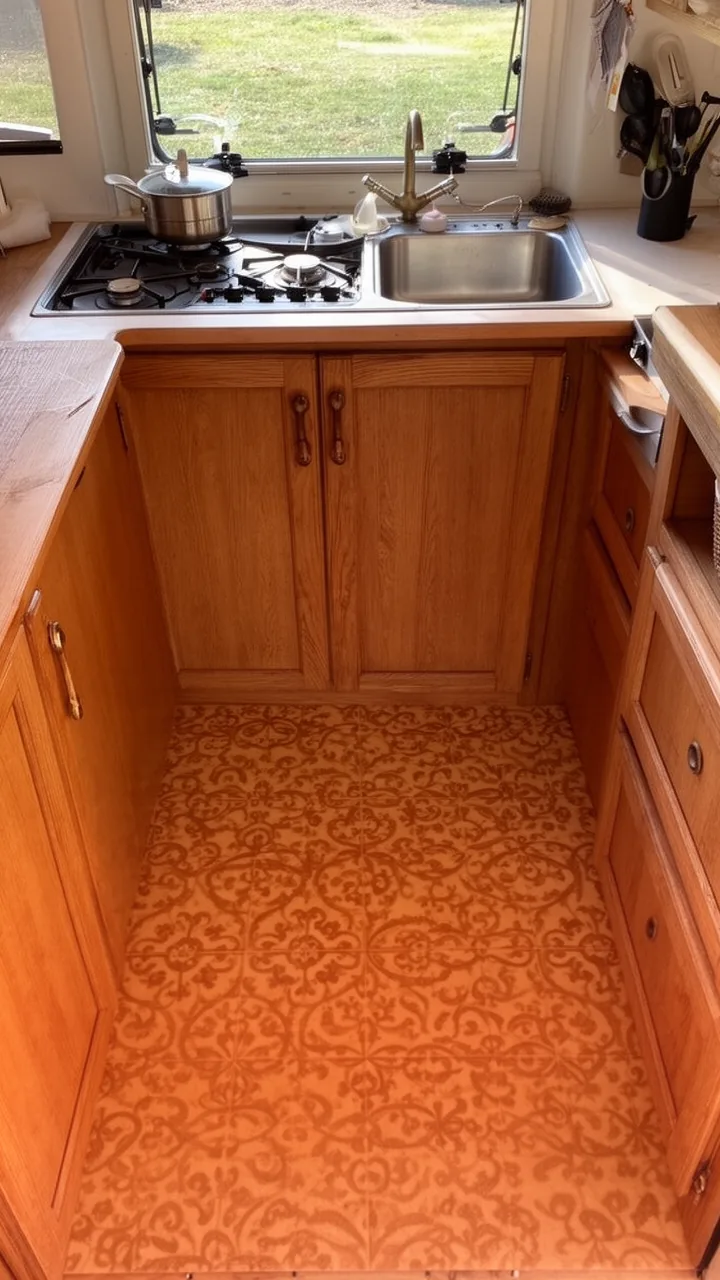 Shop this look: peel-and-stick tile
Peel-and-stick floor tiles let you carve out a pretty patterned kitchen zone in your camper, adding character right where you cook and spill.
Zoning a camper with flooring is such a clever trick, and peel-and-stick tiles make it painless. A patterned encaustic-look tile under the kitchen and plain wood-look vinyl everywhere else instantly tells your eye where one space ends and another begins. It also puts your easiest-to-wipe surface right where the cooking messes happen.
Key Points
- Use a patterned tile to define the kitchen zone
- Pick a wipeable finish for cooking splatters
- Line it up neatly where it meets the wood-look floor
For a kitchen that feels like its own little room, peel-and-stick tile is perfect.
16. Rubber Flooring for Serious Durability
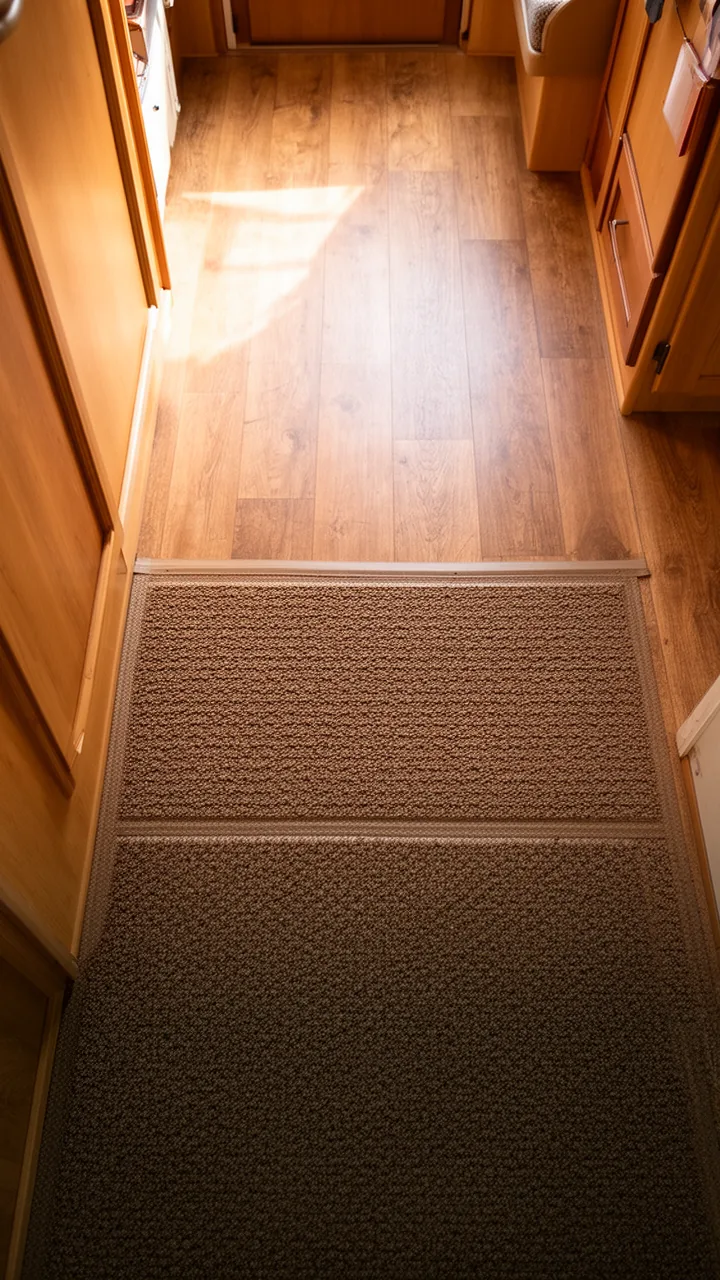 Shop this look: rubber floor tiles
Rubber flooring is nearly indestructible, slip-resistant, and cushions your step, which makes it a practical camper flooring idea for high-traffic and pet-friendly rigs.
If you travel with dogs, kids, or muddy hiking boots, rubber flooring can take whatever you throw at it. It is slip-resistant, quiet, and forgiving on your knees and feet. It leans more practical than pretty, but the warmer tan and cork-look rubber tiles have come a long way and can look genuinely cozy in an active, outdoorsy rig.
Materials
- Interlocking rubber tiles for easy install
- Choose warm tan or cork-look for a softer look
- Great slip resistance for wet, active rigs
For a floor that simply will not quit, rubber is the tough pick.
17. Bamboo Flooring for Warm, Light Grain
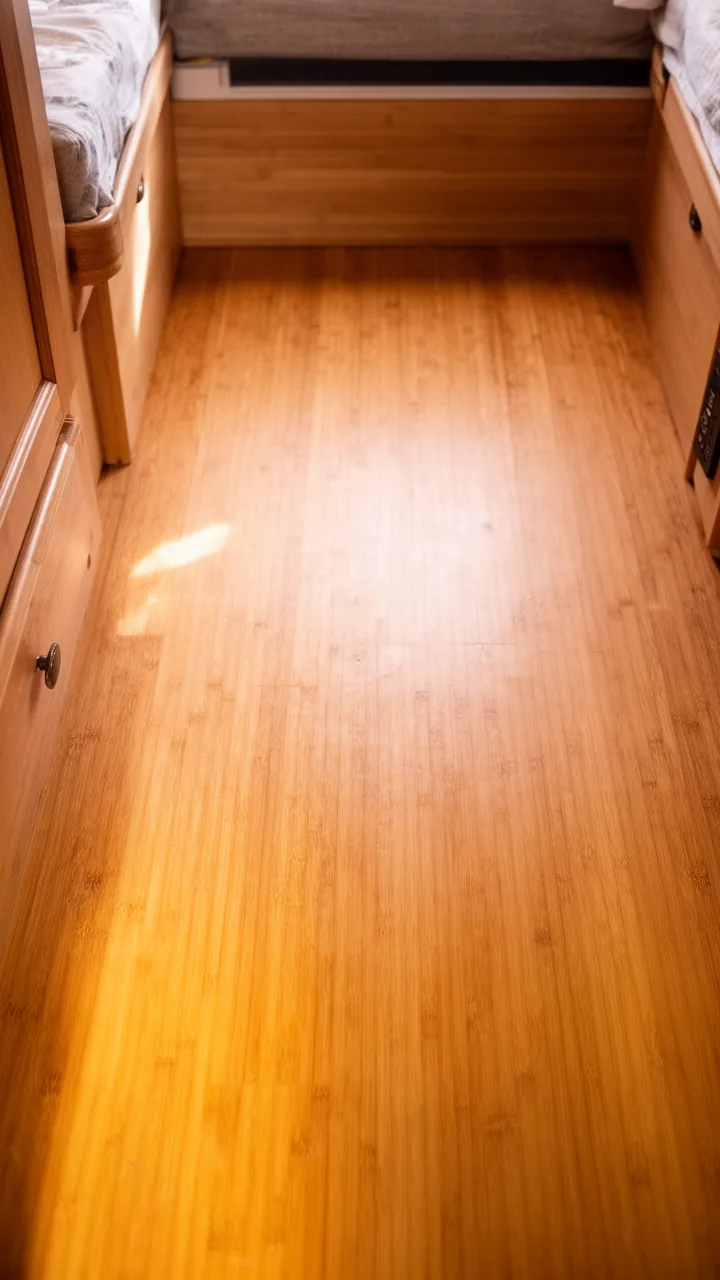
Bamboo flooring offers warm, light grain and real hardwood strength while staying relatively light and eco-friendly, a nice fit for a camper that wants natural wood.
Bamboo has a soft golden grain that feels fresh and natural, and it is surprisingly tough for how light it is. Because it is a fast-growing grass, it is a greener choice than many hardwoods. In a camper, engineered bamboo click planks give you that warm, woodsy floor without the weight of solid timber. It is one of my favorite natural-material camper flooring ideas.
If you like this, you will enjoy the same natural, earthy textures in this boho living room, since they share the same easygoing feel.
Styling Notes
- Choose engineered click bamboo to keep weight down
- Warm golden tones brighten a small rig
- Pair with linen and rattan for a natural look
For warm, light, eco-friendly wood, bamboo is a lovely choice.
Warm natural-material floors: cork, bamboo, and linoleum
 1 / 5
1 / 5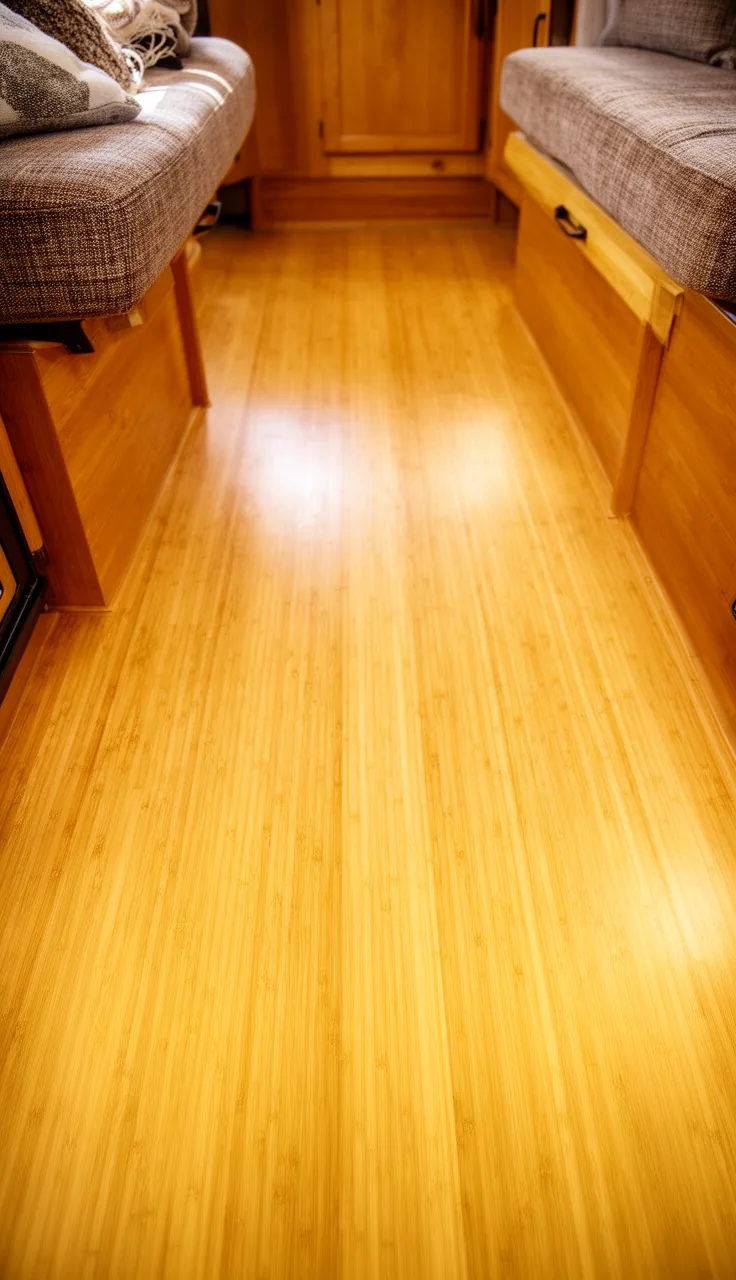 2 / 5
2 / 5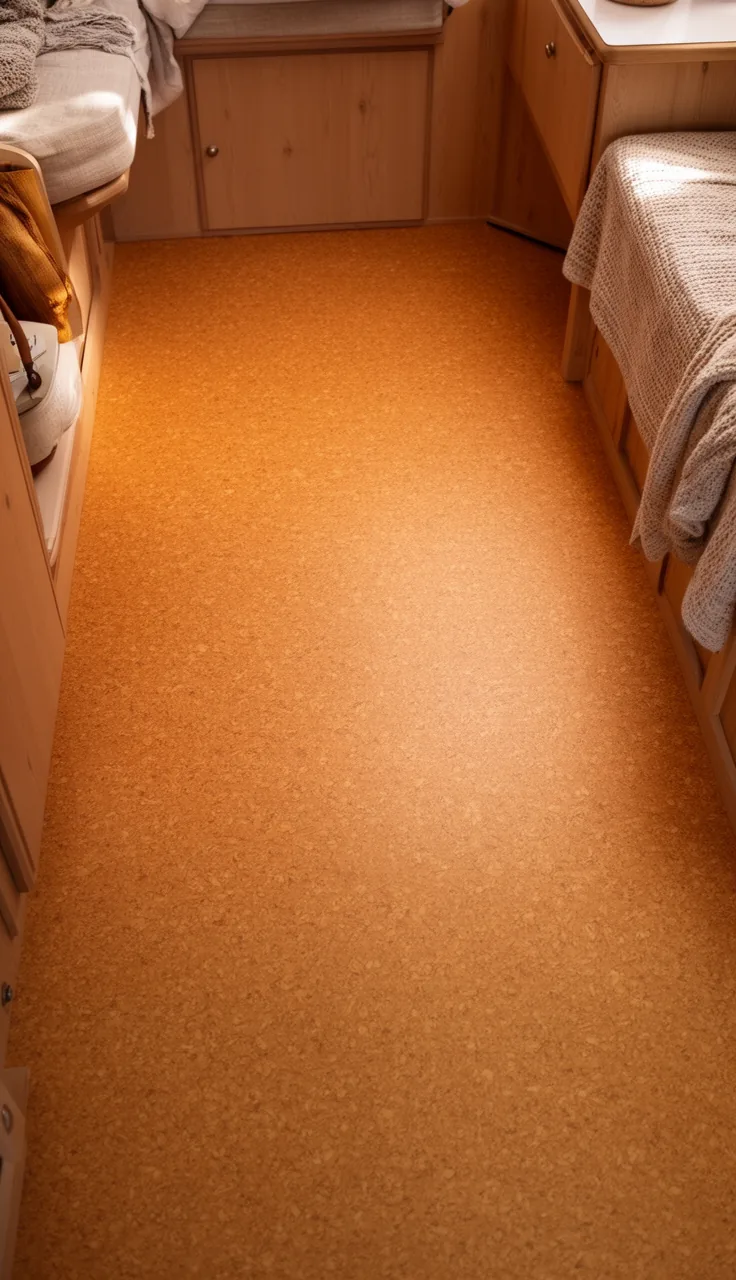 3 / 5
3 / 5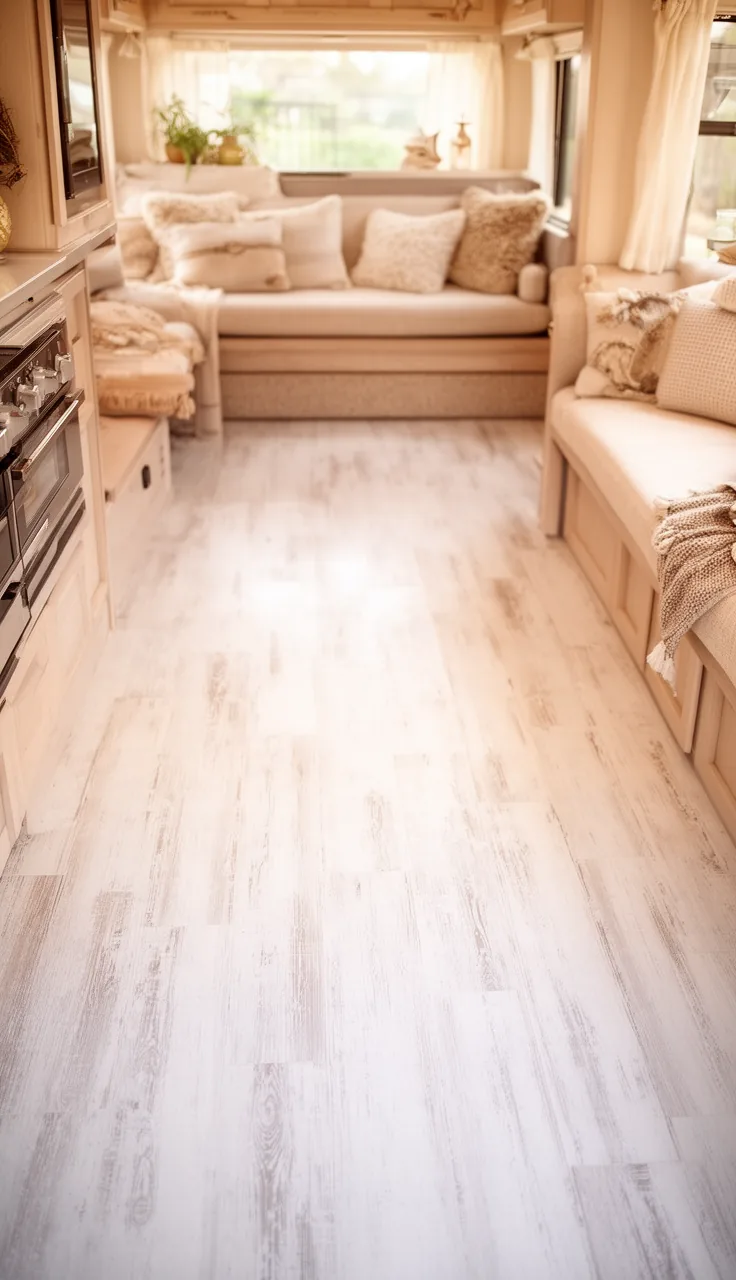 4 / 5
4 / 5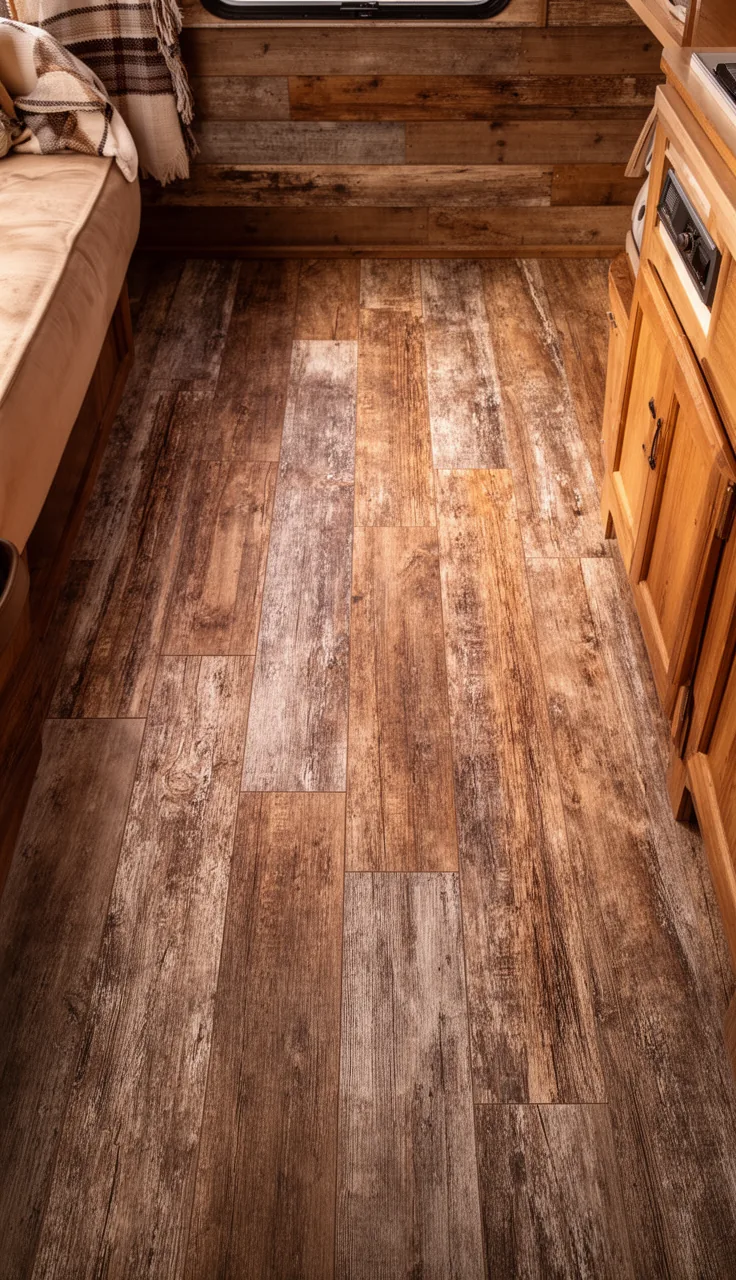 5 / 5
5 / 518. Grey-Wash Vinyl for a Modern RV
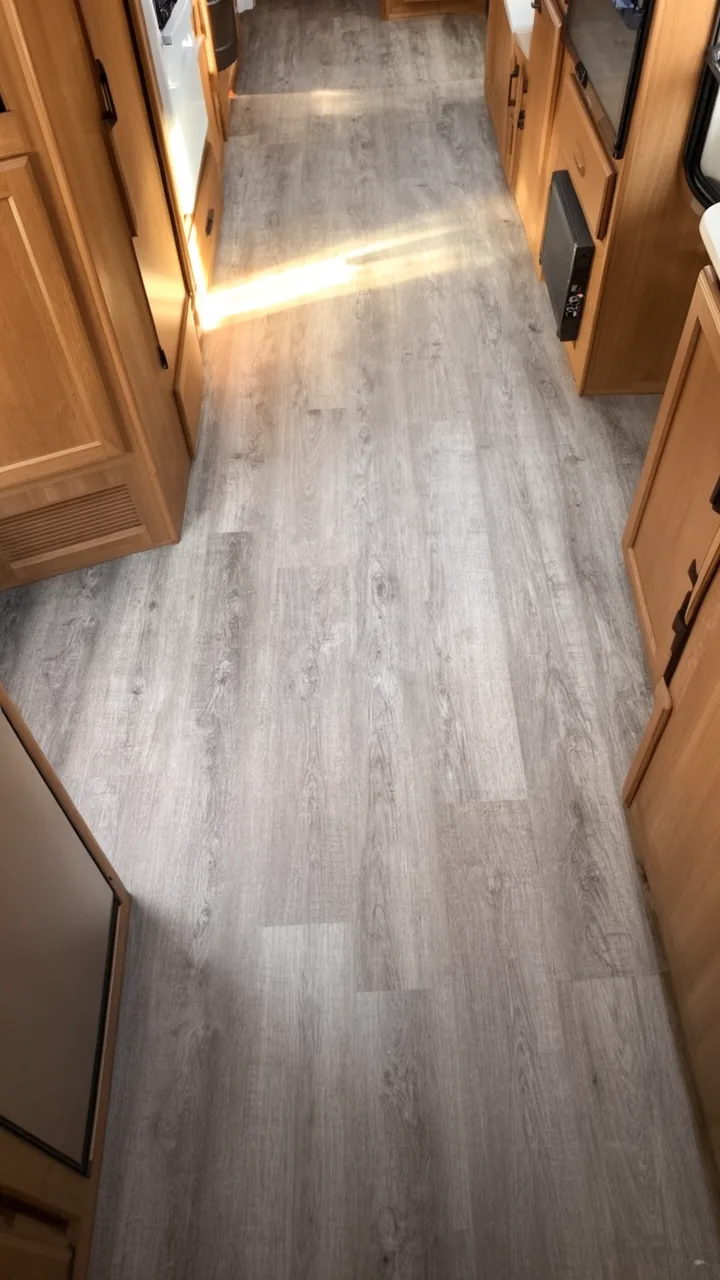 Shop this look: grey-wash vinyl
Grey-wash wood-look vinyl gives a camper a fresh, modern feel, and a warm greige tone keeps it cozy instead of cold.
Grey floors got a bad rap for feeling chilly, but a warm grey-wash with brown undertones, often called greige, is soft and modern all at once. It pairs beautifully with white cabinets and black hardware for that clean, current rv look. The trick is avoiding the flat, blue-grey shades and reaching for something with a little warmth baked in.
Key Points
- Choose warm greige, not cold blue-grey
- Great with white cabinets and black accents
- Hides dust well in a busy rig
For a modern, fresh rig that still feels warm, grey-wash vinyl works.
19. Reclaimed Wood-Look Planks for Rustic Soul
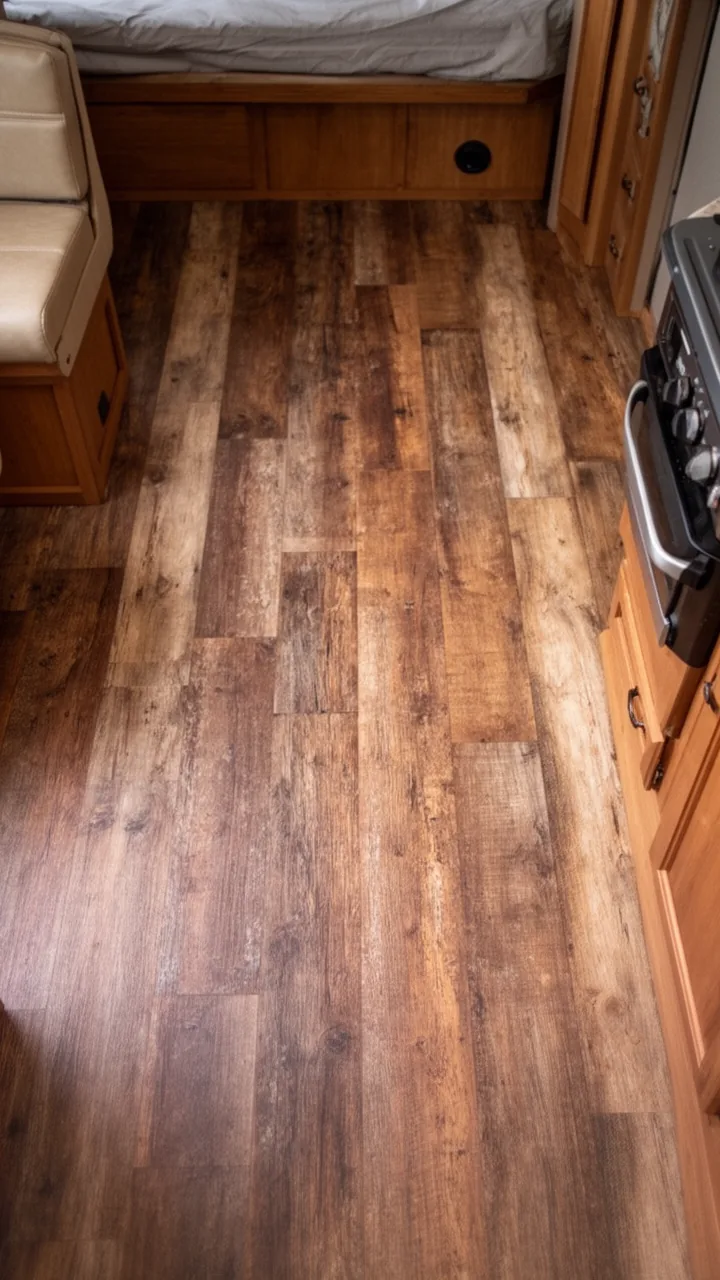 Shop this look: reclaimed-look planks
Reclaimed wood-look planks bring weathered, characterful barnwood charm to a camper floor while keeping the practicality and light weight of vinyl.
I love a floor that looks like it has a story, and reclaimed-style planks deliver that instantly. The mixed browns and greys mimic old barnwood, so every board looks a little different and the whole floor feels lived-in and warm. Because it is really vinyl, you get all that rustic soul without splinters, weight, or upkeep worries.
Why It Works
- Mixed weathered tones hide scuffs and dirt
- Vinyl keeps the rustic look light and waterproof
- Pairs beautifully with cozy, farmhouse decor
For a floor with rustic character and zero fuss, reclaimed-look planks are perfect.
20. Layered Rugs Over an Existing Floor
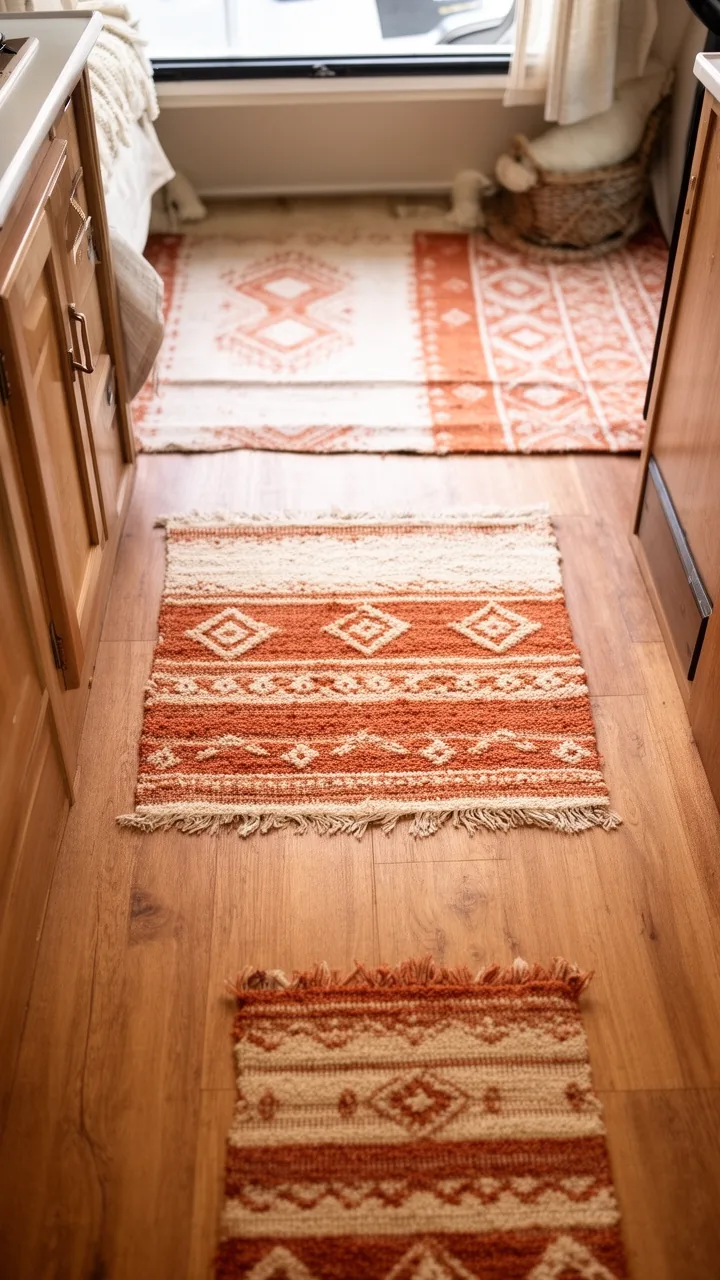 Shop this look: washable rugs · SUPERJARE Gym Floor Mats, EVA Foam Puzzle… · ProsourceFit Exercise Puzzle Mat 1/2-inch, EVA…
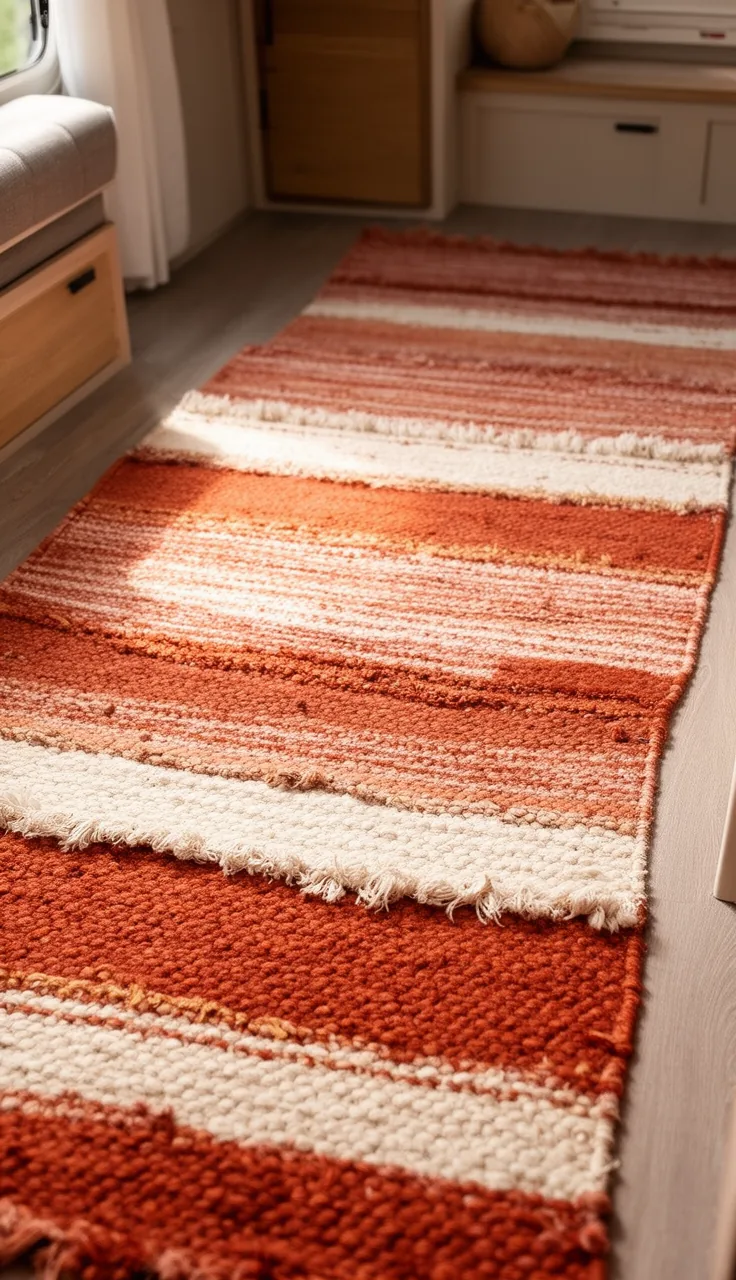
Layering cozy rugs over your existing camper floor is the easiest, most renter-friendly way to add warmth, color, and pattern with zero installation.
Sometimes the simplest camper flooring idea is not new flooring at all. A couple of soft, washable rugs layered over a tired floor add instant warmth, texture, and personality, and you can roll them up for travel days. A friend of mine hides a dated 90s camper floor entirely under layered boho rugs, and honestly you would never know what is underneath.
If you like this, you will enjoy the same cozy, layered feeling in these calm bedroom tones, since they share the same easygoing feel.
Styling Notes
- Use washable, low-pile rugs for camper life
- Layer a patterned rug over a plain jute base
- Add rug grips so they stay put on the road
For instant, no-commitment coziness, layered rugs are the sweetest fix.
21. Jute Runner for Natural Texture
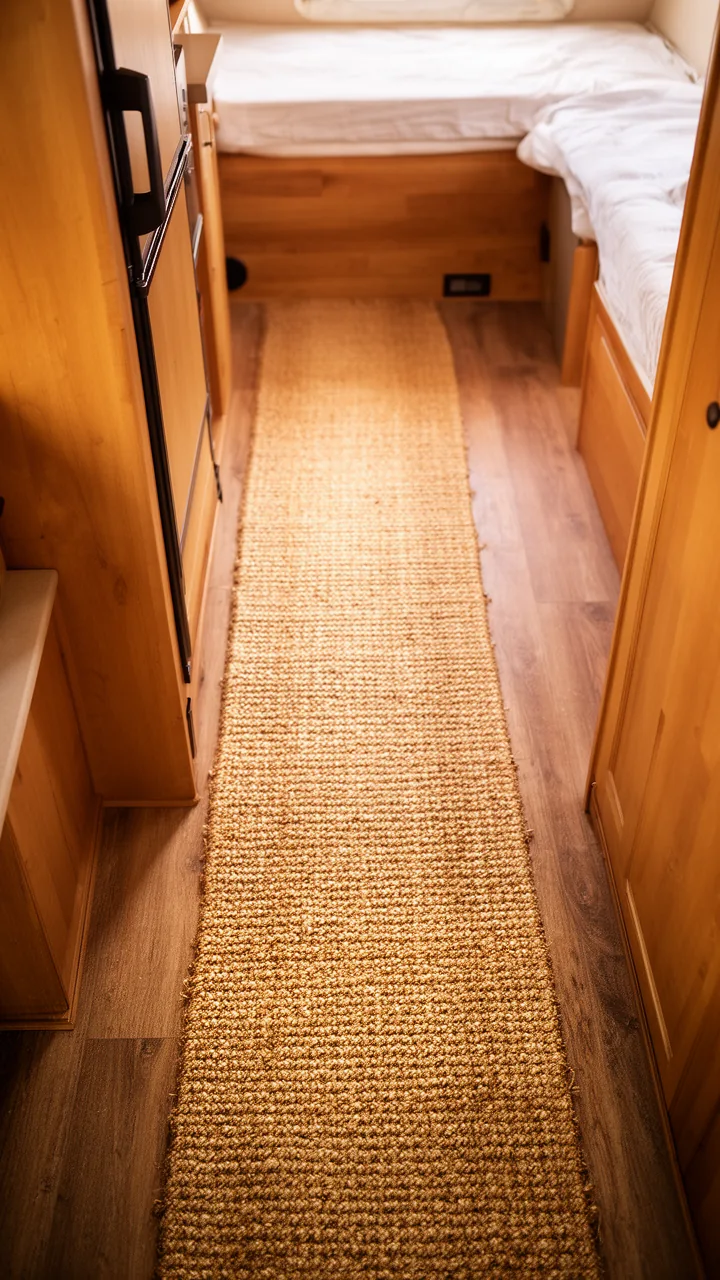 Shop this look: jute runners · ZeeMart Macrame Style Bicolor Table Runner… · Artoid Mode Lilac Purple Tassel Table Runner,…
A natural jute or sisal runner adds warm woven texture down a camper hallway and softens a hard floor without taking up much space.
A slim jute runner is a lovely way to warm up the narrow walkway that runs through most campers. The natural woven texture feels earthy and calm, and it grounds the space between your kitchen and bed. It is a small touch, but running a runner down the center of the rig makes the whole floor feel intentional and cozy.
Key Points
- Choose a low, flat weave so doors still clear it
- Natural jute suits boho and coastal rigs
- Add a thin rug pad to soften and grip it
For earthy texture in a tight walkway, a jute runner is just right.
22. Waterproof Vinyl in the Wet Bath Zone
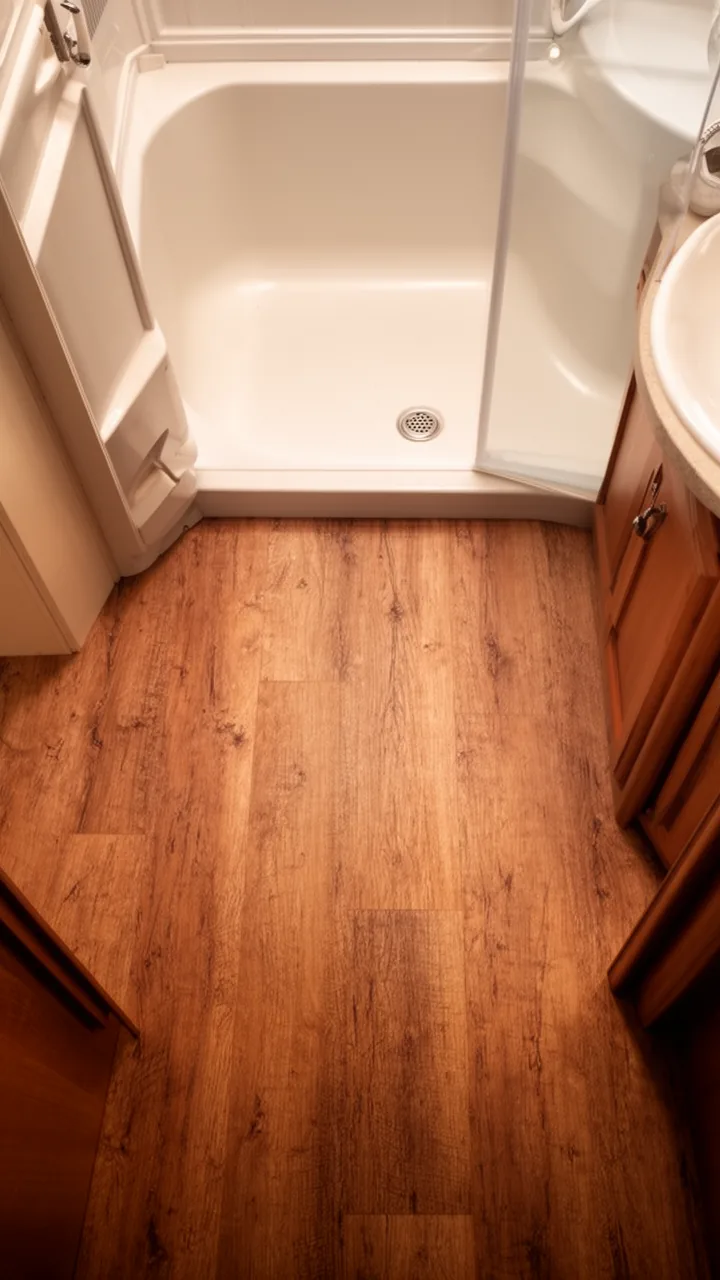
Running fully waterproof vinyl into your camper bathroom keeps the wettest room in the rig safe from leaks and rot while still looking warm and finished.
The bathroom is where camper floors quietly fail, so it deserves the most waterproof surface you have. Carrying your wood-look vinyl right into the wet bath, or using a coordinating waterproof tile, keeps water from sneaking into the subfloor. From what I’ve gathered, sealing the edges and seams well here is the single best thing you can do to avoid soft-floor repairs later.
Materials
- Fully waterproof vinyl rated for wet rooms
- Seal all seams and edges around the shower
- A coordinating wood-look keeps it feeling warm
For the wettest room in the rig, waterproof vinyl is non-negotiable.
Cozy rug and textile floor layers for instant warmth
 1 / 5
1 / 5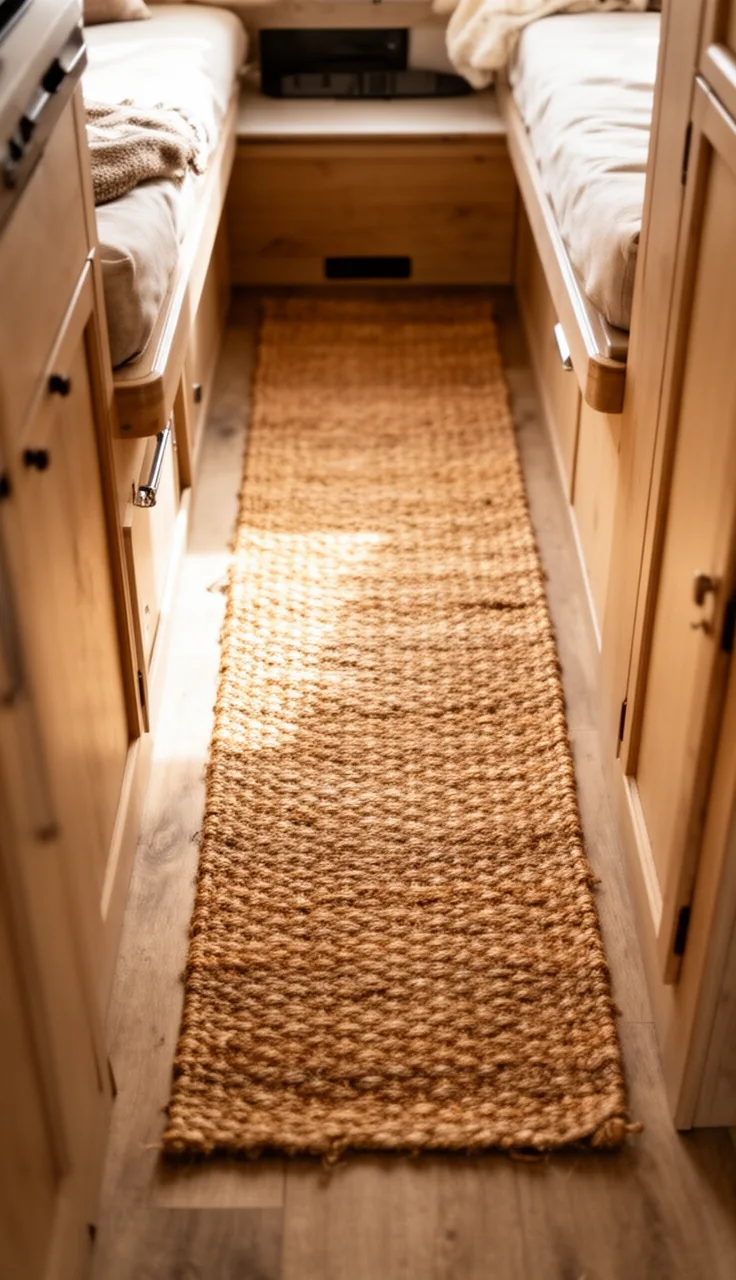 2 / 5
2 / 5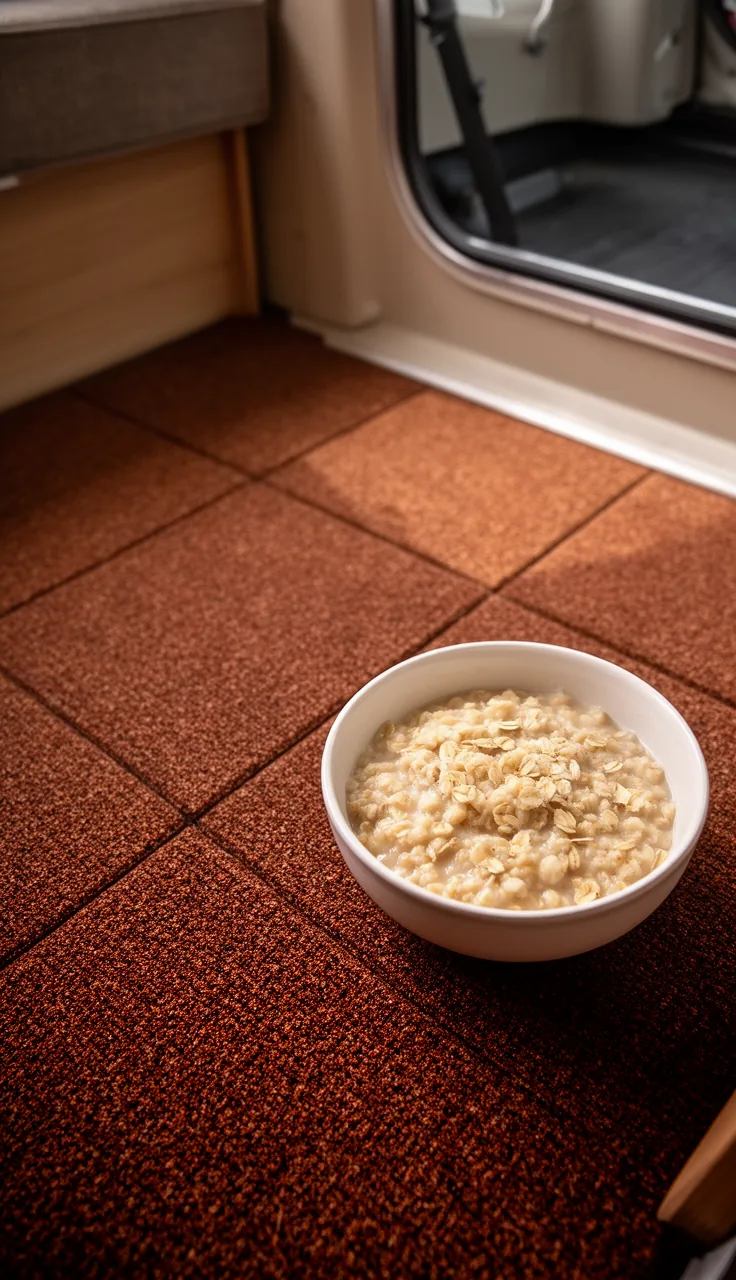 3 / 5
3 / 5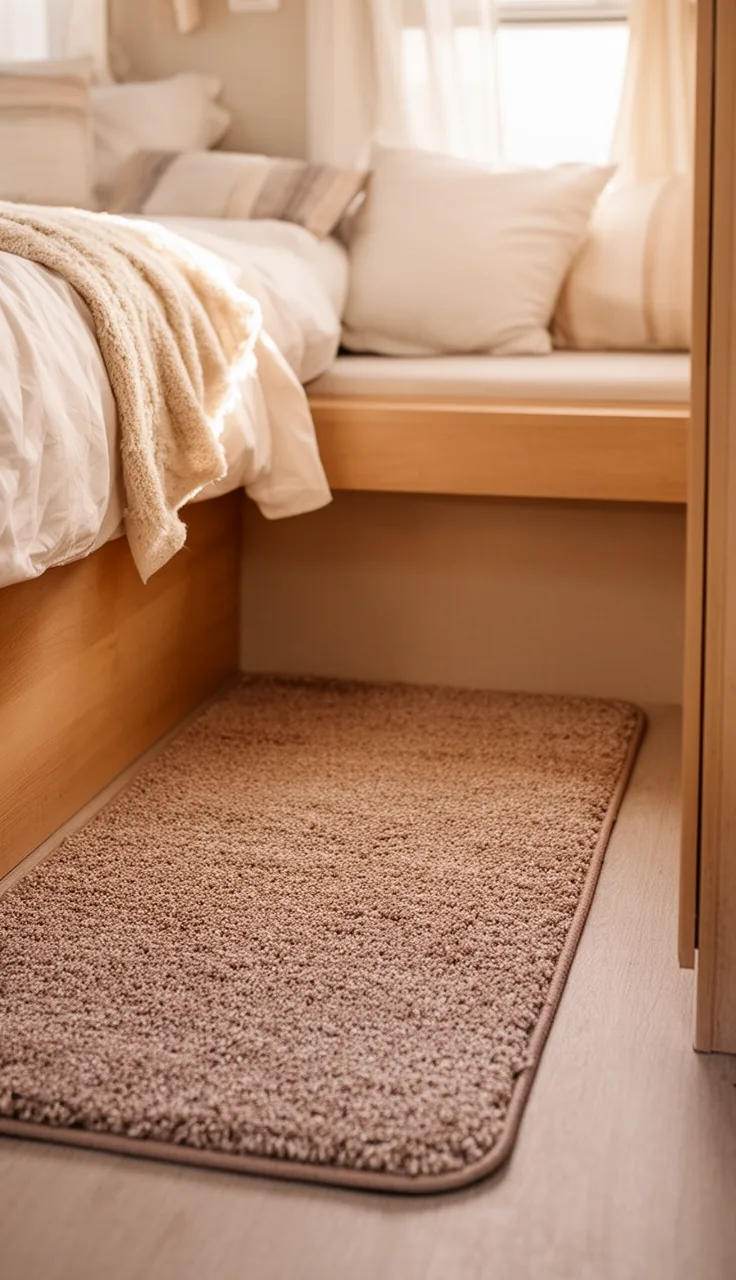 4 / 5
4 / 5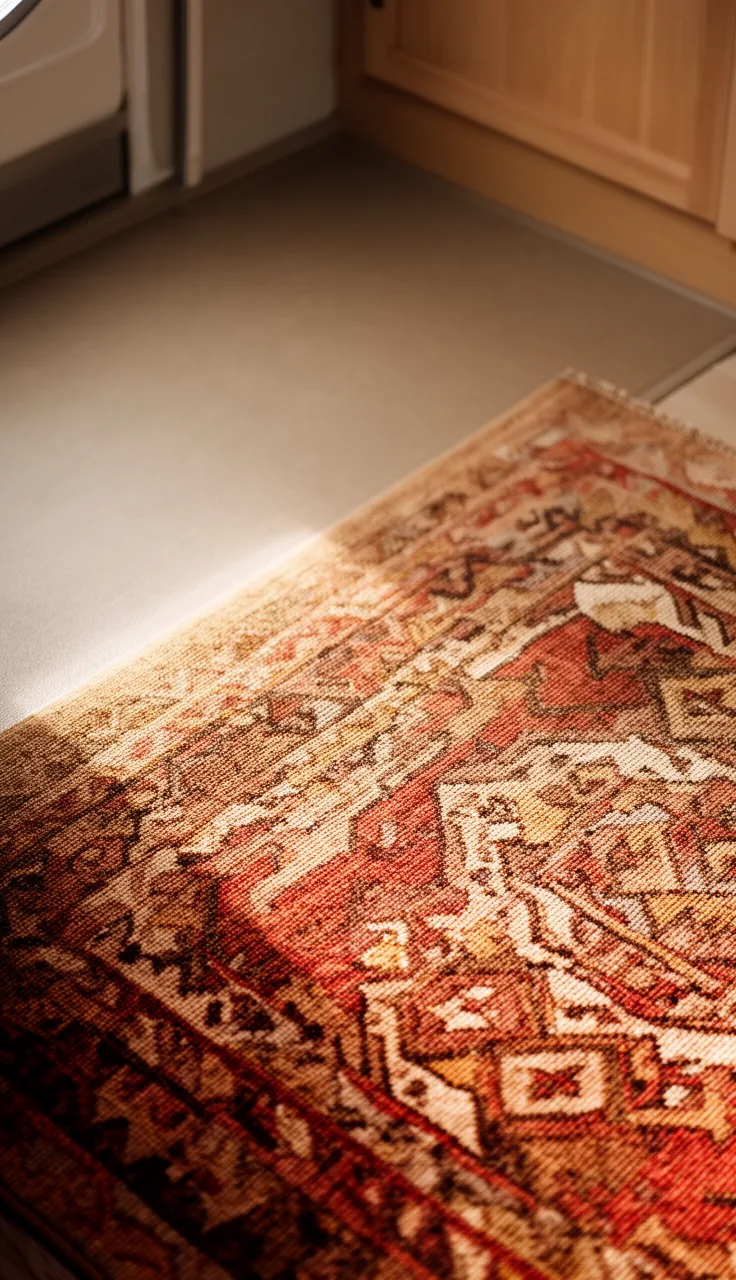 5 / 5
5 / 523. Heated Floor Mat for Cold-Weather Comfort
 Shop this look: heated floor mats · Indoor Door Mat 32″x48″, Non Slip Rubber… · Door Mat Indoor Entrance, 3' x 5'…
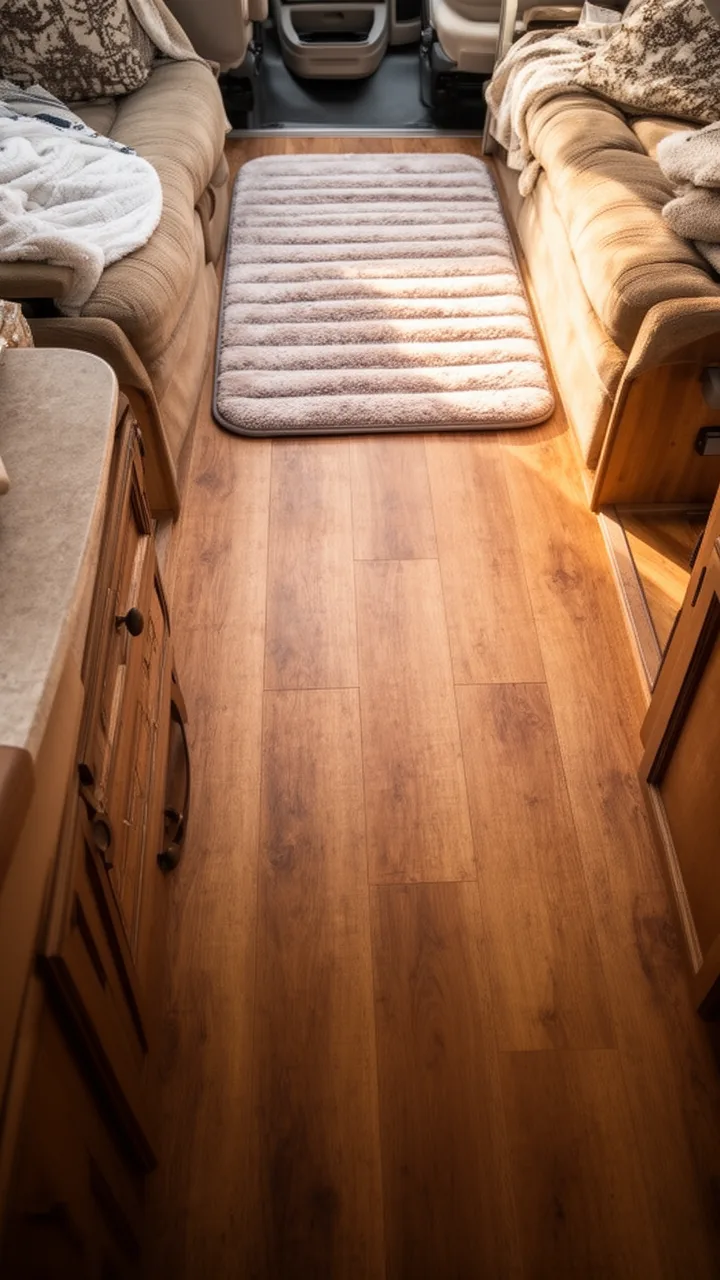
Adding a thin heated floor mat under a rug or vinyl brings gentle warmth to a cold camper floor, making chilly mornings on the road so much cozier.
Cold floors are the quiet misery of shoulder-season camping, and a low-watt heated mat is a small luxury that changes everything. Tucked under a rug or a section of vinyl by the bed, it takes the bite out of a frosty morning step. I keep coming back to little comfort upgrades like this because they make a rig feel like a real home, not just a place to sleep.
Making the whole camper cozier from top to bottom?Browse the RV wallpaper ideas→Why It Works
- Low-watt mats sip power from your camper system
- Warms the spots you actually stand on
- Pairs well under a rug or floating vinyl
For cozy toes on cold mornings, a heated mat is a small joy.
24. Two-Tone Zoning for a Bigger Feel
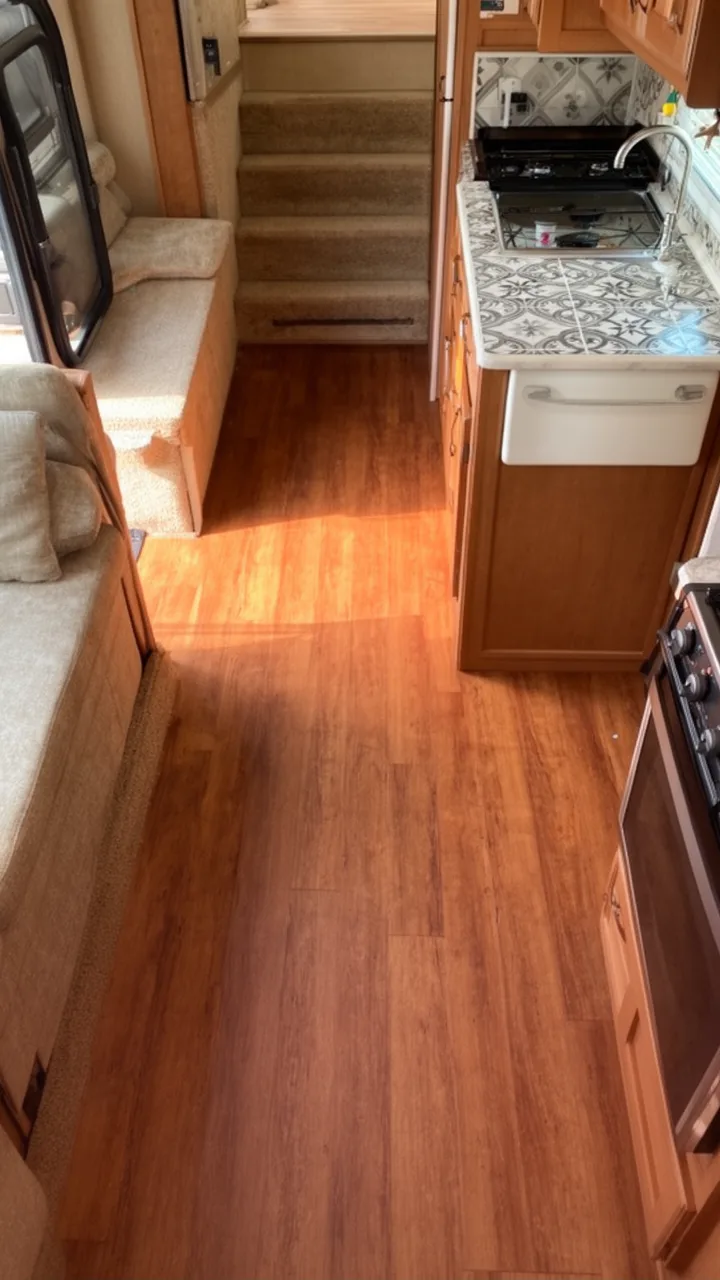 Shop this look: transition strips
Using two flooring finishes to zone your camper, like wood-look in the lounge and tile in the kitchen, makes a small rig read as separate rooms and feel bigger.
One of the smartest camper flooring ideas is not about the material at all, it is about zoning. When your eye sees wood-look vinyl flow into a patterned tile at the kitchen, your brain reads two rooms instead of one tiny box. It is a designer trick that makes a compact rig feel thoughtfully planned and roomier than its square footage.
Key Points
- Pair wood-look and tile for a clear zone break
- Keep both floors the same thickness for a flush seam
- Use a clean transition strip where they meet
For a rig that lives bigger than it is, two-tone zoning is clever.
25. Distressed Wide-Plank for a Farmhouse Floor
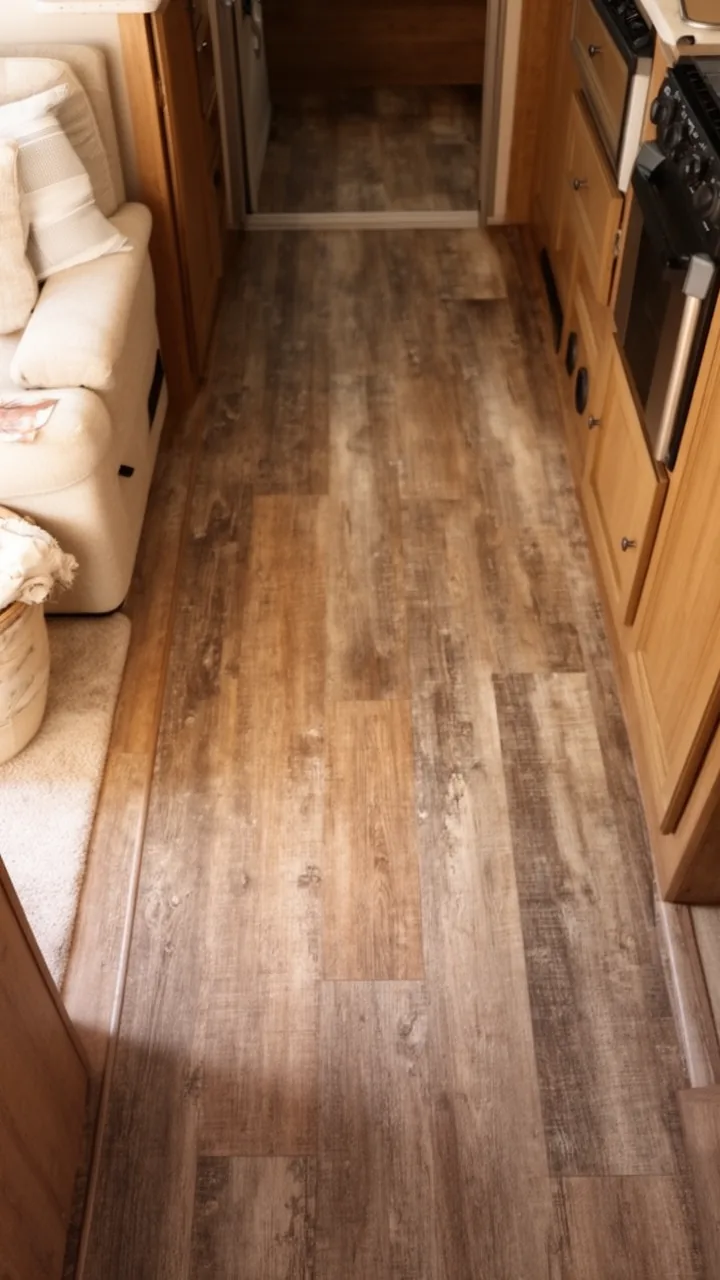 Shop this look: wide-plank vinyl
Wide, distressed wood-look planks give a camper a relaxed farmhouse floor, and the wider boards make a narrow rig feel a little more open.
Wide planks have a calm, farmhouse quality, and the gently distressed finish means every everyday scratch just blends right in. In a narrow camper, fewer, wider boards running the length of the rig can actually stretch the space visually. It is a warm, forgiving floor that suits the cozy, collected farmhouse look so many campers are going for right now.
If you like this, you will enjoy the same warm, collected style in these summer decor trends, since they share the same easygoing feel.
Styling Notes
- Run wide planks lengthwise to stretch a narrow rig
- Distressed finishes hide daily wear
- Warm weathered oak suits farmhouse decor
For a relaxed farmhouse feel underfoot, wide distressed planks are lovely.
26. Concrete-Look Vinyl for Industrial Style
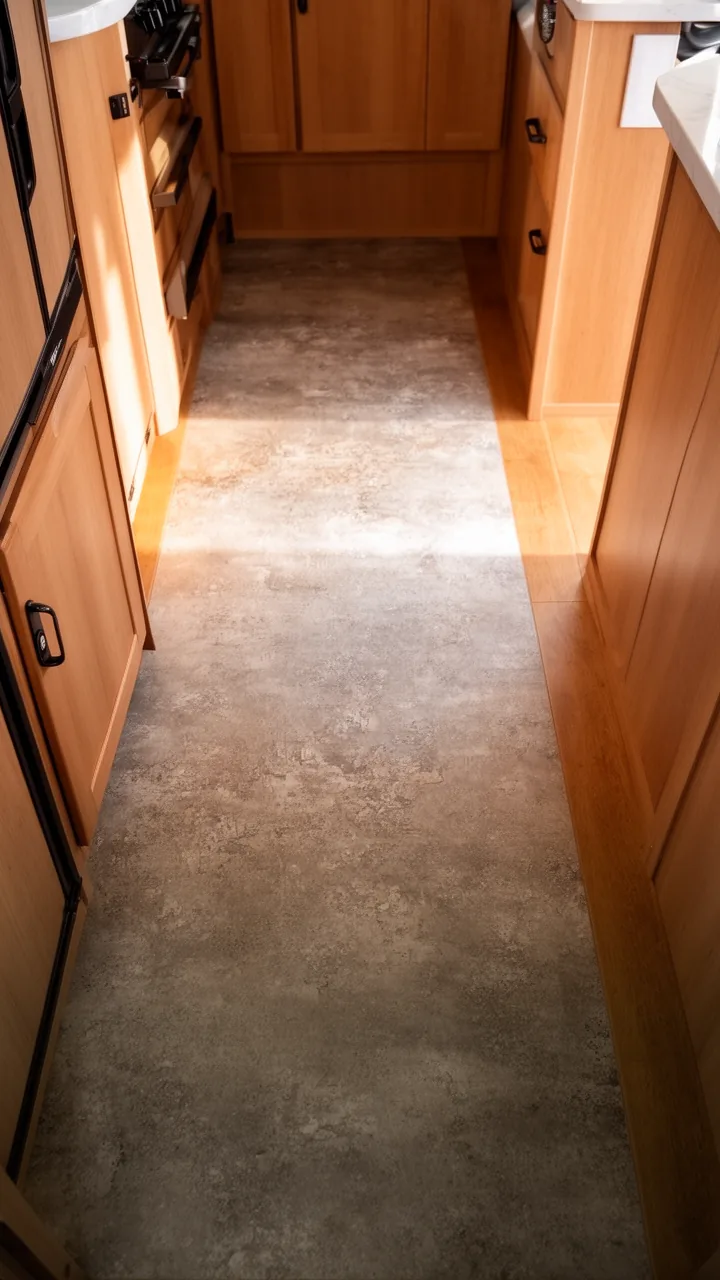 Shop this look: concrete-look vinyl
Concrete-look vinyl brings a cool, modern industrial edge to a camper, and choosing a warm greige tone keeps the sleek look from feeling cold.
For a more modern, minimalist rig, concrete-look vinyl is unexpected and very cool. It gives you that smooth, urban loft feel without the weight or chill of real concrete. The key is picking a warmer greige or sandy concrete tone and softening the space with wood accents and cozy textiles, so it feels styled rather than stark.
Why It Works
- Warm greige concrete tones avoid a cold feel
- Pairs with wood accents to stay cozy
- Smooth surface is easy to keep clean
For a modern, styled rig, concrete-look vinyl adds cool character.
27. Coordinated Trim and Thresholds for a Finished Look
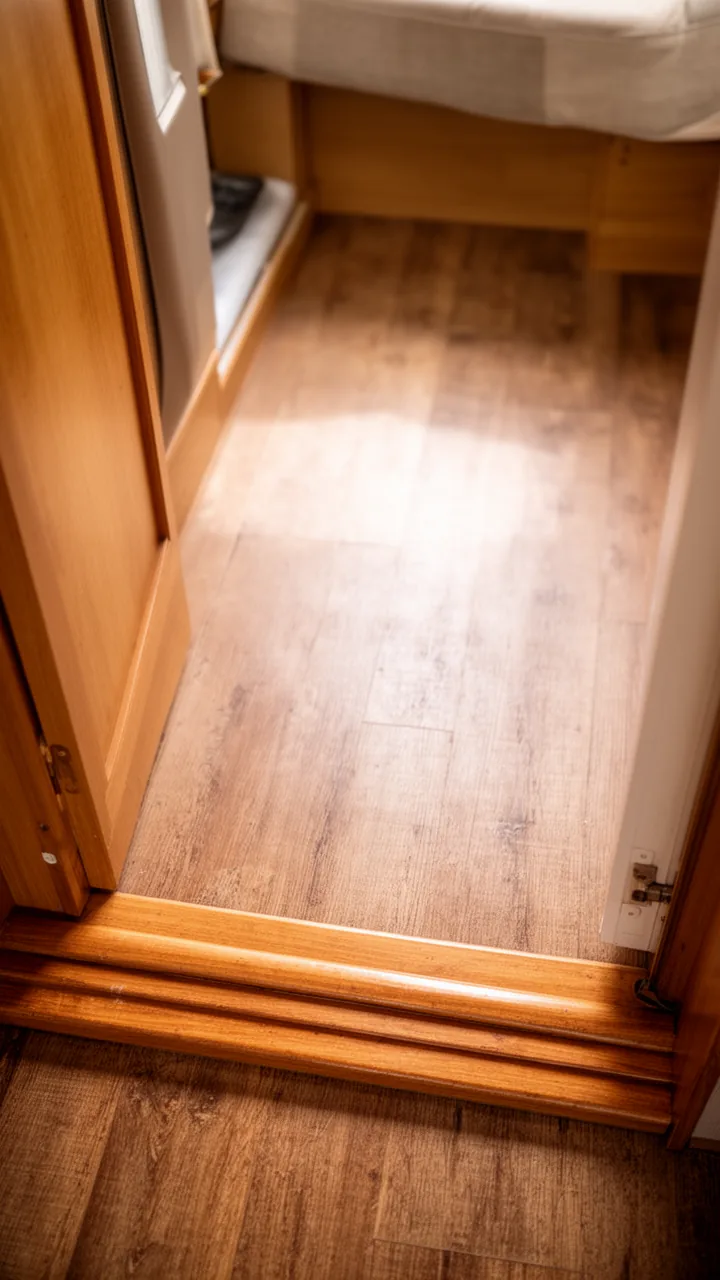 Shop this look: floor trim
Adding matching trim, edge molding, and a tidy threshold at the door is the finishing touch that makes any of these camper flooring ideas look professionally installed.
The difference between a floor that looks DIY and one that looks finished usually comes down to the edges. A little quarter-round trim where the floor meets the cabinets, and a clean threshold strip at the door, hides gaps and rough cuts beautifully. It is the last small step people skip, but it is what makes the whole floor feel intentional and done.
If you like this, you will enjoy more ways to pull a small space together in these cozy backyard evening ideas, since they share the same easygoing feel.
Materials
- Quarter-round or shoe molding for wall edges
- A threshold strip for the doorway
- Color-matched caulk for a tidy finish
For that professionally finished look, the trim is the secret last step.
Frequently Asked Questions
What is the best flooring for a camper?
Luxury vinyl plank is the go-to for most rigs because it is waterproof, tough, and light, with a warm wood look. Waterproof laminate and sheet vinyl are close runners-up. The best choice really comes down to your budget, how much moisture your camper sees, and whether you want a soft or firm feel underfoot.
How do I cover an ugly camper floor without replacing it?
Peel-and-stick vinyl plank, peel-and-stick floor tiles, and layered washable rugs all hide a dated floor with no demolition. Each one presses or lays right over the old surface, so you skip the mess of tearing flooring out. All three are renter-friendly and easy to remove when you move on.
Is vinyl flooring good for a camper?
Yes, vinyl is one of the best camper flooring choices because it is waterproof, lightweight, and handles the flexing and temperature swings of an RV well. Luxury vinyl plank and sheet vinyl both resist spills and mud, and they come in warm wood and stone looks that make a small rig feel finished.
How do I keep a camper floor from getting cold?
Layer soft rugs over your hard floor, add a thin low-watt heated mat in the spots you stand most, and choose cork or a floor with a little cushion underfoot. Sealing gaps around the edges also keeps cold drafts from sneaking up through the subfloor on chilly mornings.
Step Onto a Camper Floor You Love
At the end of the day, the best of these camper flooring ideas is the one that fits how you actually live on the road. Whether you go with durable luxury vinyl plank, warm cork, cozy layered rugs, or a clever two-tone zone, the surface under your feet is one of the easiest ways to make a small rig feel finished. Pick a look, add a warm rug, and enjoy every step. Happy decorating!