
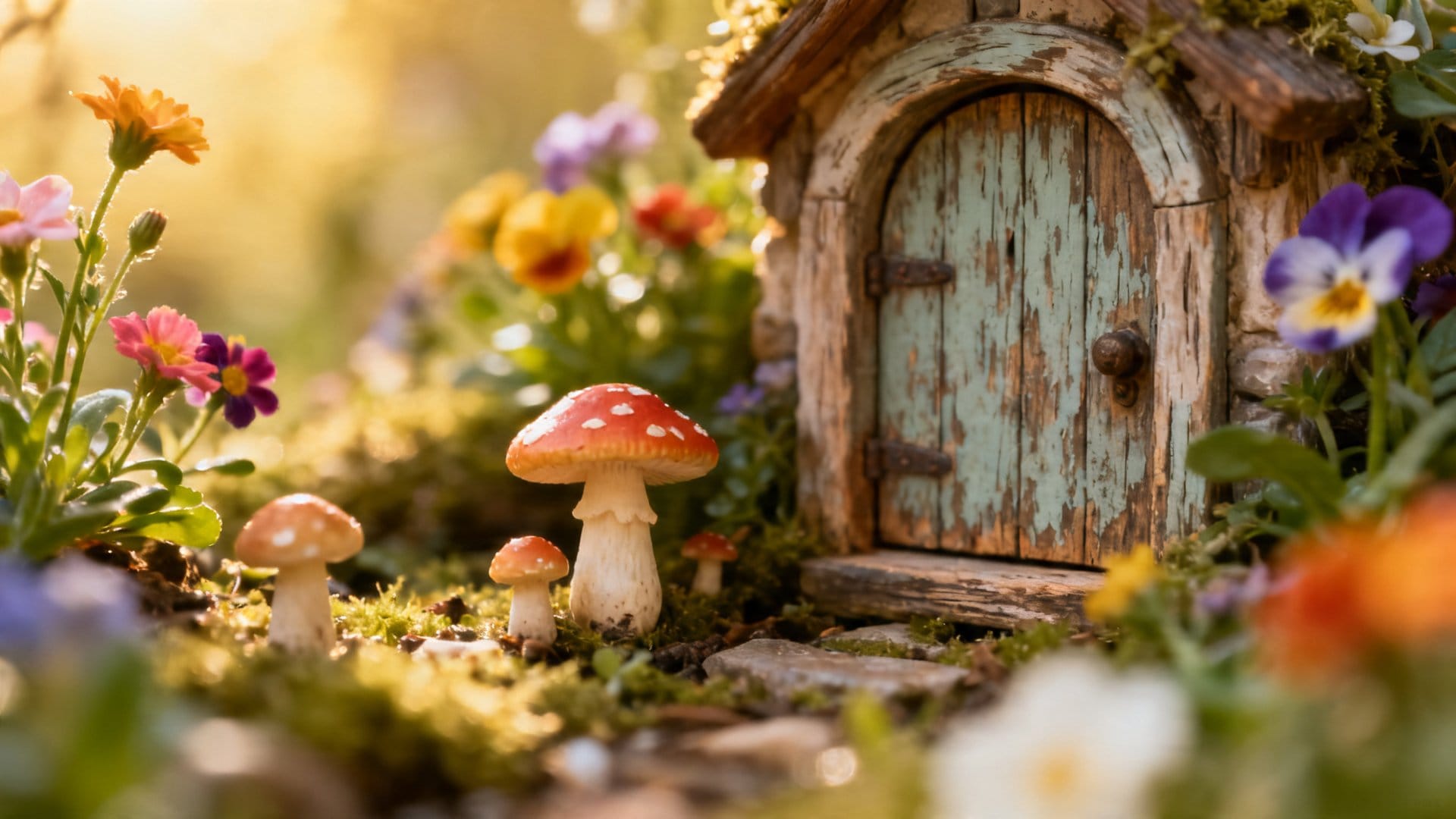
There is something quietly magical about crouching down beside a cluster of moss and tiny mushrooms and feeling, just for a moment, like you have stumbled into another world. That feeling is exactly what summer fairy garden ideas are all about, creating miniature magical worlds that invite imagination, slow you down, and add a little whimsy to your outdoor or indoor space. Whether you have a sprawling backyard or a single sunny windowsill, a fairy garden fits your life in the most charming way. This article will walk you through everything you need to choose your container, gather your plants, style your scene, and make it feel genuinely enchanted. If you love this kind of playful outdoor styling, you might also enjoy these whimsical garden decor ideas for even more inspiration.
How Do You Choose the Right Container for Your Fairy Garden?
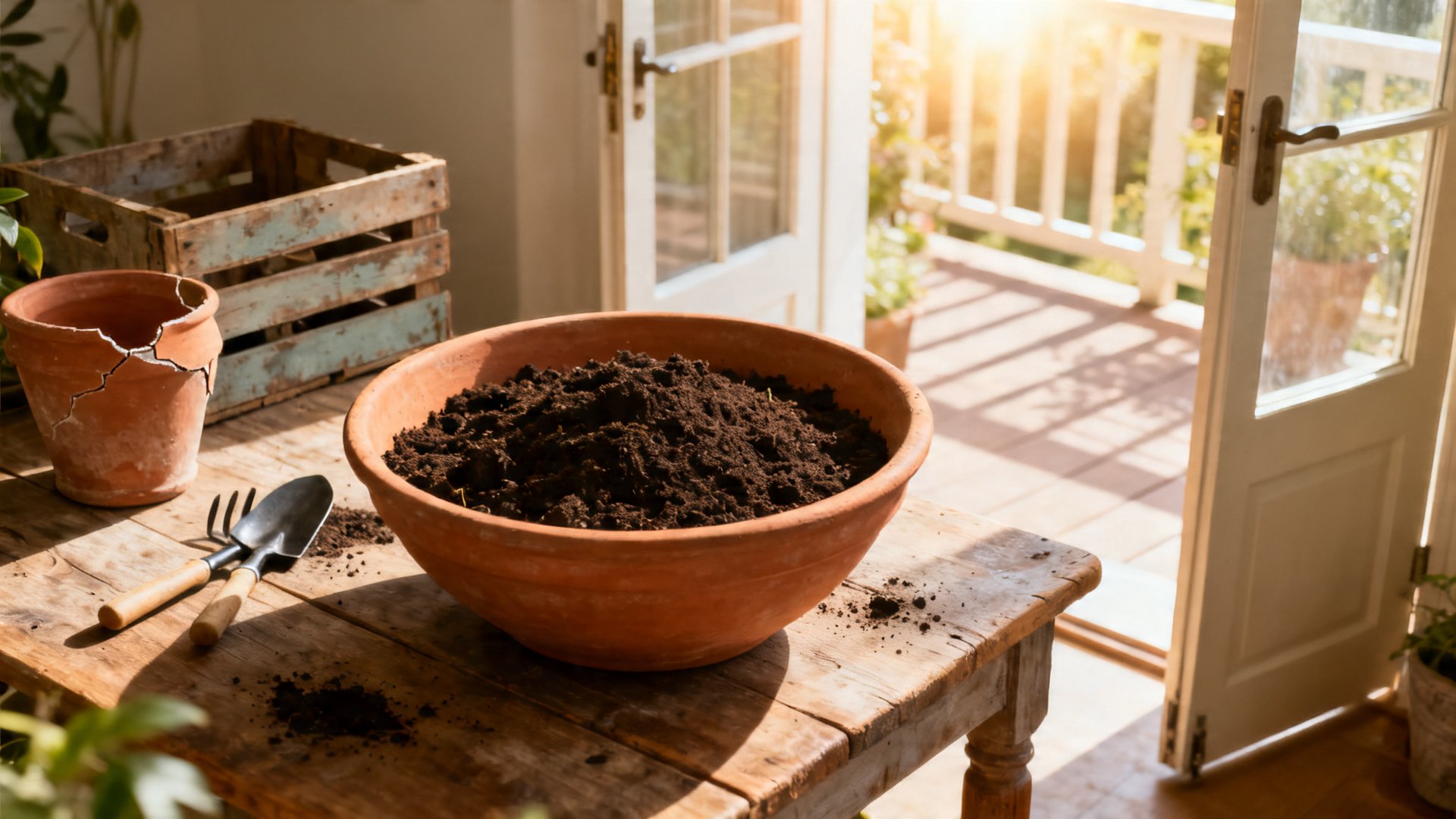
The right container for a fairy garden is any vessel at least 12 inches wide with good drainage, whether that is a terracotta pot, a wooden crate, or a ceramic bowl. The best choice is simply one that suits your style and gives roots enough depth to stay healthy through summer.
 Shop this look: Terracotta pots with saucer & drainage on…
The container is where the magic begins, and honestly, this is one of the most fun decisions you will make. I love how this step forces you to look at ordinary objects differently, a cracked terracotta pot, an old wooden crate, a wide ceramic bowl you found at a thrift store. Any of these can become the foundation of something truly special. From what I’ve gathered, the vessels with a little history in them almost always give the most character.
Size matters more than you might expect. A container that is at least 12 inches wide gives you enough room to layer plants, pathways, and accessories without everything feeling cramped. Depth is equally important, so aim for at least 6 inches of soil so roots can settle comfortably through the summer heat. If you like a classic clay look, breathable terracotta keeps roots cool in direct sun, and the same rules apply if you are styling regular seasonal planters around your porch.
Materials That Work
Terracotta is a classic choice because it breathes well and keeps roots from overheating in direct sun. Wooden whiskey barrels cut in half have a rustic, storybook quality that suits a cottage look beautifully, and you can borrow more of that mood from these rustic garden decor ideas. Galvanized metal troughs work wonderfully for a more modern or farmhouse-inspired look, especially when filled with silvery succulents and pale gravel pathways.
Which Plants Feel Truly Miniature and Magical?
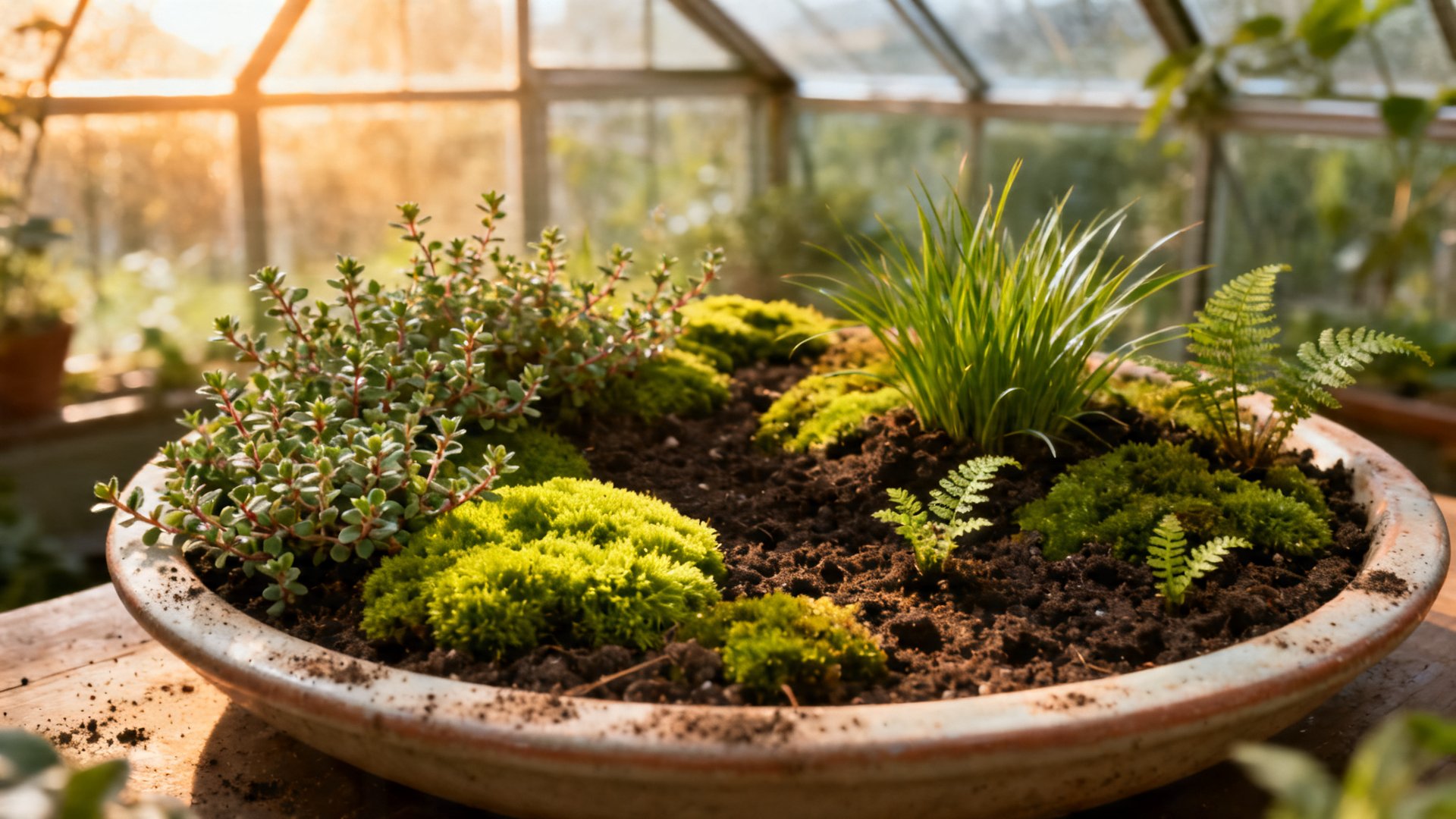
The best plants for a fairy garden are low-growing, fine-textured varieties that naturally look like they belong in a tiny space. Creeping thyme, Irish moss, dwarf mondo grass, miniature ferns, and low-growing sedums are all great choices.
 Shop this look: Creeping thyme ground-cover seeds on Amazon
Plant selection is the heart of any fairy garden, and the goal is to find varieties that naturally look like they belong in a tiny space. Think of plants with delicate textures, low growth habits, and interesting shapes, the kind that make you feel like you are looking at a forest floor from a bird’s-eye view.
Creeping thyme is one of my absolute favorites for this. It spreads low and lush, produces tiny purple flowers in summer, and releases the most wonderful herbal scent when you brush against it. Irish moss forms a dense, velvety green carpet that looks like a meadow in miniature. For height variation, dwarf mondo grass adds a graceful, grass-like texture, while miniature ferns bring that deep-forest feel. Sedum varieties, especially the low-growing stonecrops, add sculptural interest and handle summer heat with ease.
Pro tip: Choose at least one plant with fine, feathery texture, one with broad smooth leaves, and one that flowers. This combination creates natural visual contrast and keeps the garden interesting all season long. I’ve noticed that a single flowering variety does more for the “alive” feeling than any accessory ever could.
🌱 More to color your world:25 enchanting summer fairy garden ideas for your yard →→
How Do You Build Pathways, Hills, and Hidden Corners?
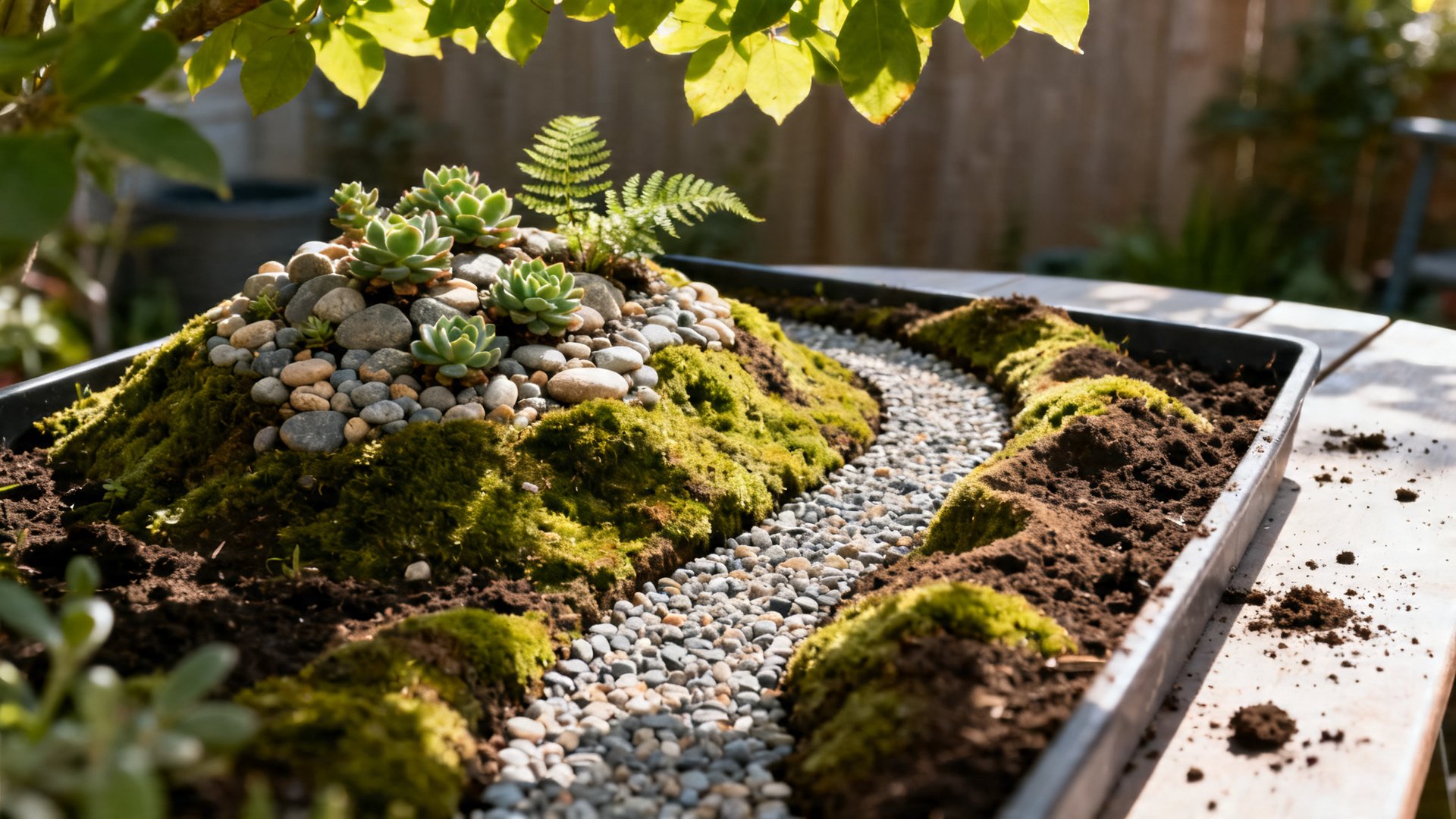
Building a convincing fairy garden scene starts with shaping the soil into gentle mounds before planting, then pressing flat stones into a curving line to form a pathway. Adding fine gravel clearings and a small mirror pond creates the sense of a real, inhabited world.
 Shop this look: Decorative craft moss for pathways on Amazon
A flat, even layer of soil with plants dropped in feels more like a planter than a world. What makes summer fairy garden ideas truly come alive is the space itself, the tiny hills, winding paths, and tucked-away nooks that suggest a whole life happening just out of view.
Start by shaping your soil before planting. Mound it slightly in the center or toward the back to create the illusion of rolling hills. Press small flat stones into the surface in a gently curving line to form a pathway, since irregular shapes look far more natural than perfectly matched pieces. Fine gravel in a pale gold or white tone works beautifully as a clearing or courtyard area. You can even press a small mirror into the soil at an angle to suggest a hidden pond catching the summer light. A little preserved moss tucked along the path edges softens the whole scene and hides the potting soil beautifully.
Layout Ideas
Think in zones: a mossy woodland area, a sunny clearing, and a shaded corner near a tiny structure. This zoning approach makes even a small container feel like it has depth and variety. I have noticed that placing the tallest element slightly off-center rather than dead-center immediately makes the whole scene feel more natural and less staged. For a softer, romantic mood, the same layering logic appears in these cottage summer garden ideas.
Once your plants and space are in place, the accessories you choose will give your miniature world its true character.
Which Fairy Garden Accessories Add Personality Without Clutter?
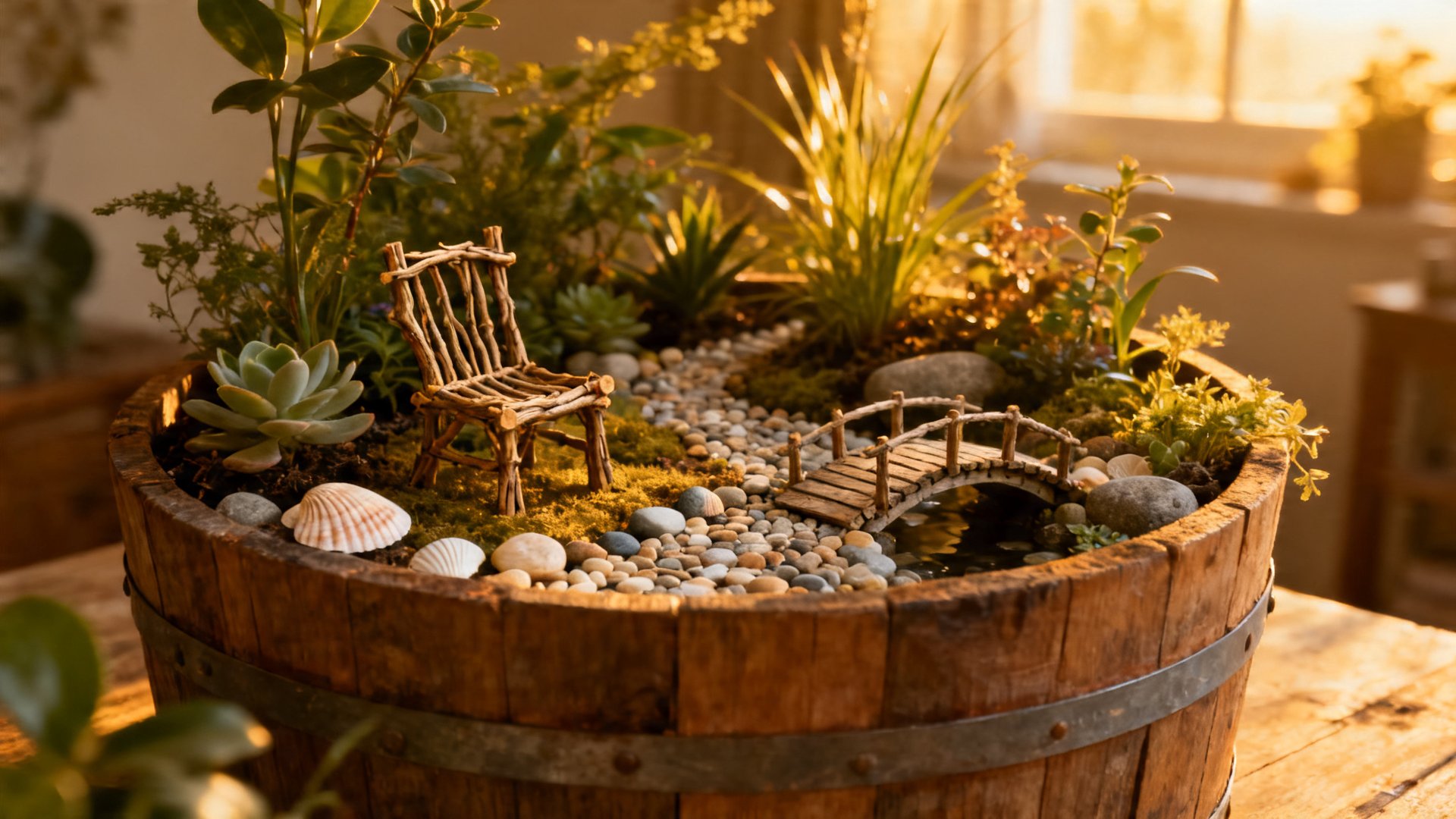
The most effective approach is to choose three to five accessories that together tell a small story, rather than filling every inch of the container. A tiny door, a miniature bench, and a small lantern are often all you need to make the scene feel genuinely inhabited.
 Shop this look: Fairy garden accessories starter kit on Amazon
Accessories are where your fairy garden gets its personality, and the temptation to add everything at once is real. I keep coming back to this approach: choose three to five pieces that tell a small story, rather than filling every inch with figurines and furniture.
A tiny wooden door pressed against a stone or tree root suggests that someone lives there. A miniature bench beside a flowering plant implies a fairy who likes to sit and watch the garden grow. A small lantern with a battery-operated tea light glows beautifully at dusk and adds a warmth that feels genuinely enchanting rather than merely decorative. Tiny watering cans, wheelbarrows, and garden tools lean into the idea of a working fairy homestead, which has a charming, lived-in quality.
For a more whimsical, cottagecore feel, look for mushroom figurines, tiny toadstools in red and white, and small animals like rabbits or hedgehogs nestled in the moss. Estate sales and flea markets are wonderful hunting grounds for unusual miniature pieces that have real character, a tiny ceramic teapot, a small vintage birdcage, or a hand-painted stone that looks like a fairy dwelling. If you love that collected, timeworn look, these vintage garden decor ideas pair perfectly with a fairy scene.
Pro tip: Scale matters enormously. If your figurines are too large relative to your plants, the illusion breaks completely. Hold each piece next to your container before purchasing to check that proportions feel believable.
💡 While you're here:solar garden light ideas to glow after dark →→
What Summer Care Routines Keep the Magic Alive?
A simple summer care routine of consistent watering, light trimming, and occasional shade during heat waves keeps a fairy garden looking lush and inviting all season. Most miniature plants are low-maintenance by nature, so the effort required is smaller than you might expect.
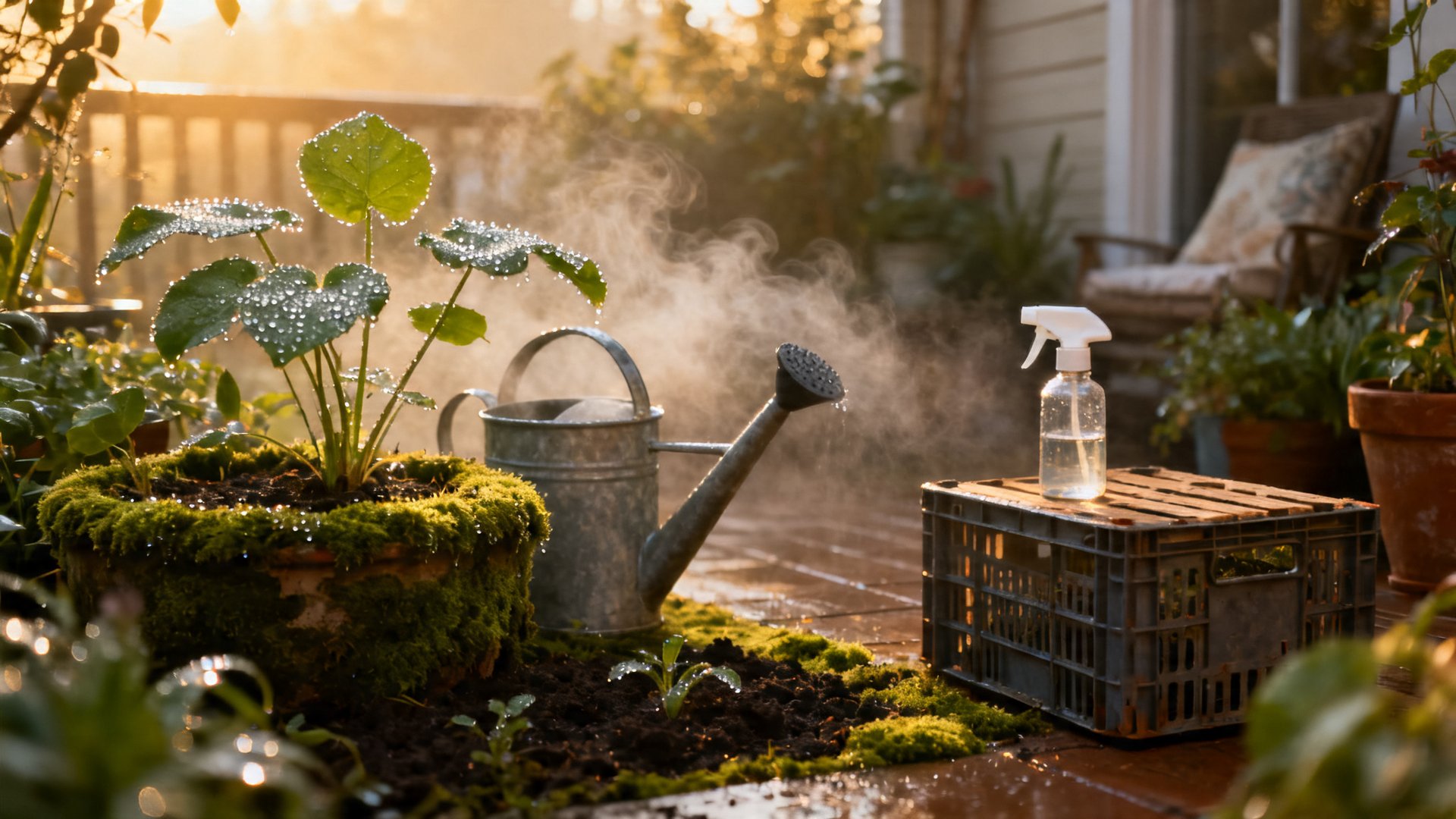
A fairy garden in full summer sun needs a little more attention than you might expect, and setting up a simple care routine early keeps everything looking lush and inviting right through to fall. The good news is that most fairy garden plants are low-maintenance by nature, so they just need consistent, thoughtful attention during the hottest weeks.
What to Consider
- Water deeply but less frequently, since most miniature plants prefer soil that dries slightly between waterings rather than staying constantly wet
- Trim creeping plants like thyme and moss every few weeks to keep pathways clear and prevent one plant from overwhelming its neighbors
- Move containers with direct afternoon sun exposure to a spot with dappled shade during heat waves above 90°F to prevent scorching
- Replace any summer annual that fades with a fresh plant in the same spot, since a small pot of miniature impatiens or lobelia works perfectly as a mid-season refresh
- Check for slugs hiding under stones and accessories after rain, as they are particularly fond of the moist, sheltered environment a fairy garden creates
A little seasonal tending keeps your miniature world looking like it is genuinely thriving, which makes the whole scene so much more convincing and satisfying. For more low-effort outdoor projects, these simple home garden ideas for beginners are a friendly place to start.
Of course, a fairy garden does not have to live outside to feel magical, since indoor versions have their own quiet, intimate charm.
Can You Create Indoor Fairy Gardens for Summer Windowsills and Tabletops?
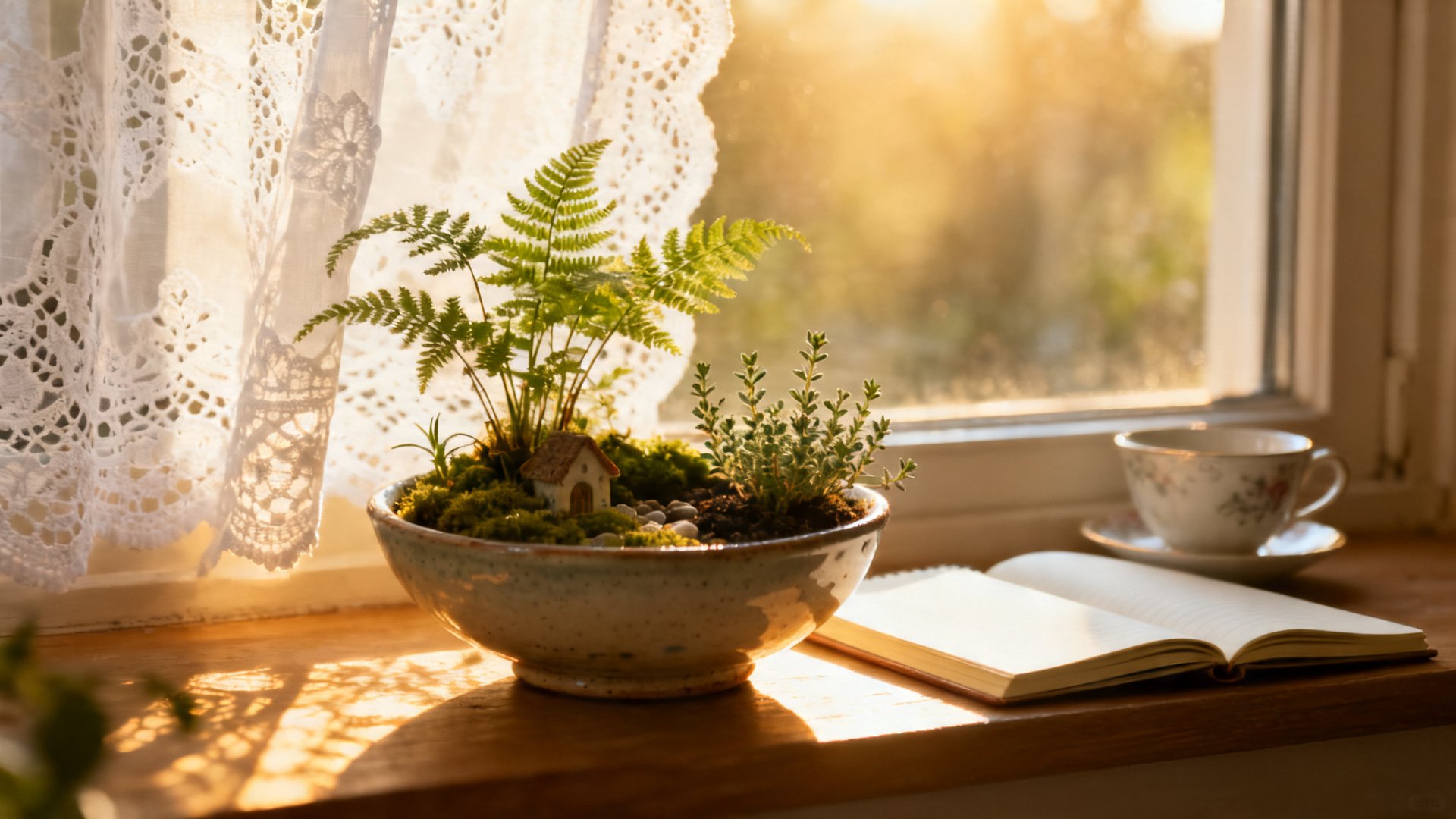
Yes, a sunny south- or east-facing windowsill provides enough light to grow most miniature plants successfully indoors. An indoor fairy garden also lets you use more delicate accessories without worrying about wind or rain damaging them.
 Shop this look: Complete indoor fairy house kit on Amazon
Not everyone has outdoor space, and honestly, an indoor fairy garden has its own particular charm. A sunny windowsill facing south or east gives you enough light to grow most miniature plants successfully, and the indoor setting means you can get even more detailed and delicate with your accessories without worrying about wind or rain. The same nature-indoors spirit runs through these botanical decor ideas to bring nature indoors.
This works especially well in a kitchen or living room where you spend a lot of time, so you get to enjoy every tiny detail up close throughout the day. A wide, shallow glass bowl or a vintage wooden tray makes a great indoor container. Fill it with a mix of air plants, small succulents, and decorative moss, then layer in fine white sand, smooth river pebbles, and a few carefully chosen accessories. Air plants are particularly wonderful for indoor fairy gardens because they need no soil, allowing you to tuck them into interesting positions between stones and driftwood pieces.
A friend of mine tried something similar using a large glass cloche over a small planted scene, and it created the most enchanting little terrarium effect, since the humidity inside kept the moss brilliantly green all summer long without any daily watering.
Pro tip: Add a single small LED string light looped around the edge of an indoor container. The soft glow in the evening turns an already lovely display into something that genuinely feels like it belongs in a storybook.
What Themes and Styles Make Your Summer Fairy Garden Uniquely Yours?
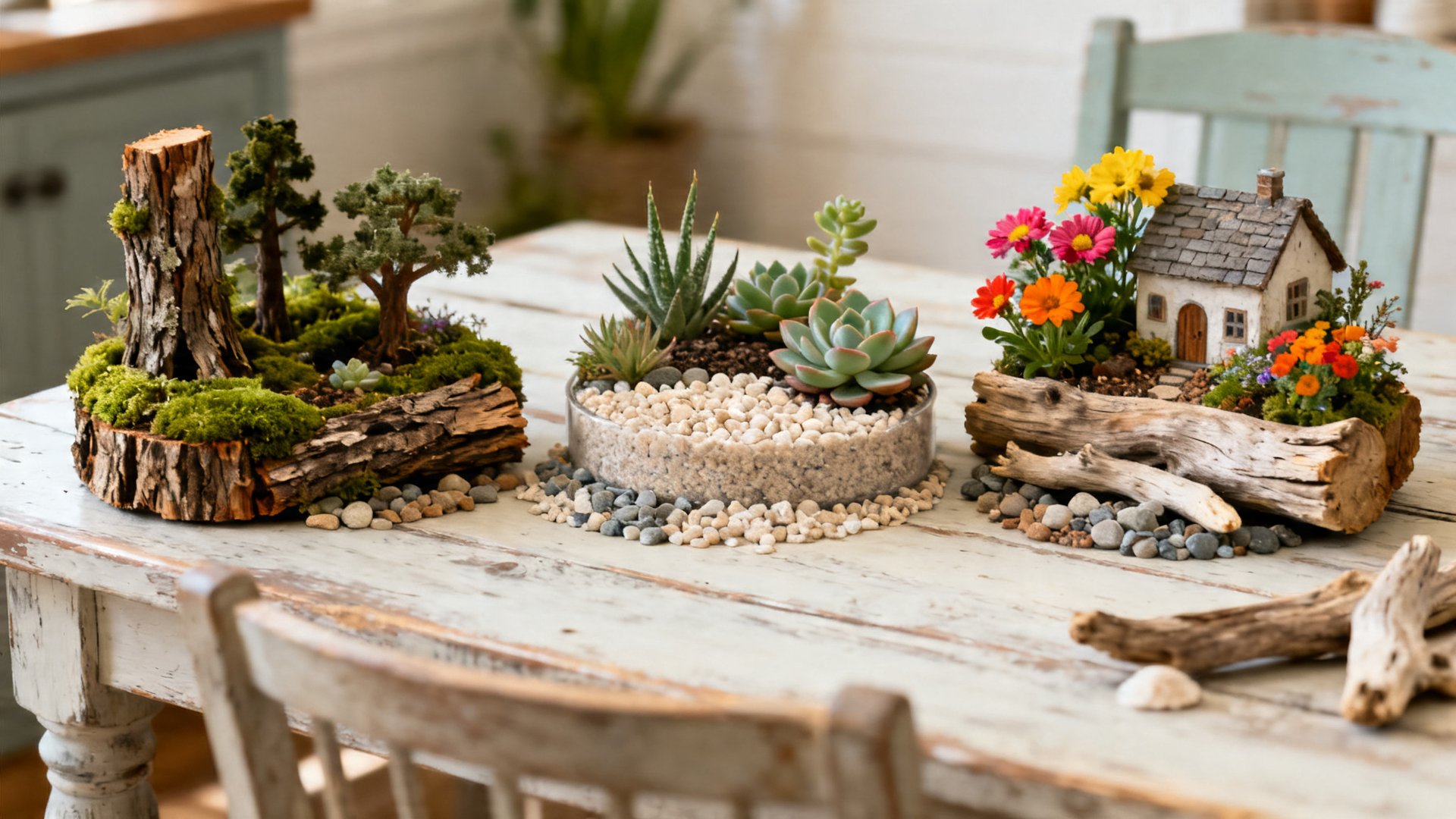
Your fairy garden can reflect almost any aesthetic, from a mossy woodland cottage to a breezy coastal scene or a romantic English garden. Choosing a theme first makes it easier to select plants and accessories that feel cohesive and intentional.
 Shop this look: English garden theme
One of the most delightful things about exploring summer fairy garden ideas is that you can create miniature magical worlds in almost any aesthetic, and there is no single right way to do this. Your fairy garden can reflect your personal style just as much as any other corner of your home. If you want the whole yard to feel cohesive, borrow a mood from these outdoor lighting ideas for backyard magic.
A woodland cottage theme leans into deep greens, mushrooms, tiny rustic furniture, and plants like ferns and moss, so it feels earthy, shadowy, and full of mystery. A seaside fairy garden uses pale sand, shells, driftwood, and sea glass alongside silvery succulents and tiny lighthouse or boat accessories for a breezy coastal feel. For something more romantic and cottagecore, an English garden theme brings in flowering miniature roses, lavender, a tiny picket fence, and a small stone birdbath, sweet, soft, and full of summer color.
If you have children in your life, a storybook adventure theme with a tiny castle, a dragon figurine, and bold flowering plants in jewel tones makes the garden an interactive imaginative space they will visit again and again. I have noticed that involving children in choosing the accessories and placing the figurines gives them a real sense of ownership over the tiny world, and they tend to take the most wonderful care of it as a result.
Final Thoughts
There is no wrong way to approach summer fairy garden ideas. Whether you lean into a full woodland scene with a dozen carefully chosen accessories or simply press a tiny door into a mossy pot on your porch, you are creating miniature magical worlds that bring genuine joy to everyone who notices them. Your space, your taste, and your imagination are all the ingredients you really need. Start small if you like, let the garden grow and evolve with the season, and enjoy every tiny detail along the way. Happy gardening!
Frequently Asked Questions
Almost any container can work for a fairy garden, including terracotta pots, wooden crates, ceramic bowls, old wheelbarrows, or even cracked vessels that add rustic charm. The most important factors are that the container is wide enough to arrange a small scene and has adequate drainage so your plants stay healthy throughout the summer. Thrift stores and yard sales are great places to find unique, affordable containers that give your fairy garden a one-of-a-kind personality.
Small-scale plants that stay compact are ideal for fairy gardens, including creeping thyme, Irish moss, miniature hostas, sedum, and dwarf ferns, all of which create a lush, ground-level space that feels proportionate to tiny fairy accessories. Succulents are also a popular choice for sunny outdoor spots because they are low-maintenance and their unusual textures resemble exotic fairy-world vegetation. When selecting plants, consider your light conditions and whether your garden will live indoors or outside to ensure everything thrives together.
Yes, indoor fairy gardens are a wonderful option, especially for apartment dwellers or anyone without outdoor space, and a sunny windowsill or a bright tabletop can host a surprisingly enchanting miniature world. For indoor setups, choose shade-tolerant or low-light plants like moss, ferns, or air plants, and use a shallow tray or decorative bowl as your container. Adding small battery-powered fairy lights can enhance the magical atmosphere indoors, making the display feel alive even after the sun goes down.
Fairy garden accessories are where your creativity and personal style truly shine, and popular choices include miniature doors, tiny benches, stone pathways made from pebbles, small bridges, lanterns, and whimsical figurines like fairies, gnomes, or woodland animals. Natural materials such as twigs, acorn caps, pinecones, and smooth river stones blend beautifully with plants and give the scene an organic, authentic feel. The key is to choose items that are scaled appropriately to your container so the overall composition looks intentional and immersive rather than cluttered.
Regular but gentle watering is essential, and you should always check that your container drains well to prevent root rot, especially during summer rainstorms if your garden lives outdoors. Trim back any plants that grow too large or begin to crowd out their neighbors, since keeping the scale small is what preserves the miniature, magical aesthetic over time. Refreshing your accessories seasonally, replacing any plants that have struggled, and adding a light layer of fresh moss or decorative gravel can revive the display and keep it looking its best all summer long.