This post contains affiliate links. As an Amazon Associate we earn from qualifying purchases — at no extra cost to you.
You pull into the campground after a long stretch of highway, and there it is: your rig, faithful as ever, but wearing that chalky, sun-faded exterior that no amount of washing seems to fix. It happens to every camper eventually, and it is usually the moment you start dreaming up fresh camper exterior paint ideas, because the outside of your home on wheels deserves to look as loved as it makes you feel.
The happy news is that a fresh coat of paint is one of the most rewarding upgrades you can give a rig, and the options below run from a quick door-and-trim refresh to a full ground-up repaint. You will find crisp two-tone schemes, warm desert and earth tones, retro stripes, painted murals and vinyl decals, moody deep colors, and all the practical bits that make it last, like the right primer, a matte or satin finish, and a protective sealant. Whether you are after exterior camper paint that reads classic, choosing the best paint for camper exterior surfaces, refreshing a boxy pop-up camper, or planning vintage camper exterior paint ideas with real character, there is a look here that fits your rig and your weekend.
I have watched a lot of tired campers come back to life with nothing more than good prep and a well-chosen color, and the exterior is almost always the change that makes people fall in love with their rig all over again. So let’s give that faithful old body a fresh, standout look together, one clean coat at a time. Happy decorating!
29 Camper Exterior Paint Ideas for a Fresh, Standout Rig
Here is the fun part. Below are 29 different camper exterior paint ideas, from crisp two-tone bodies and warm earth tones to painted murals, retro stripes, moody deep colors, and the practical prep that makes it all last. Take what fits your rig and your climate, and give that faithful body the fresh, standout look it deserves.
1. A Crisp Two-Tone Body That Reads Instantly Modern
 Shop this look: exterior RV paint
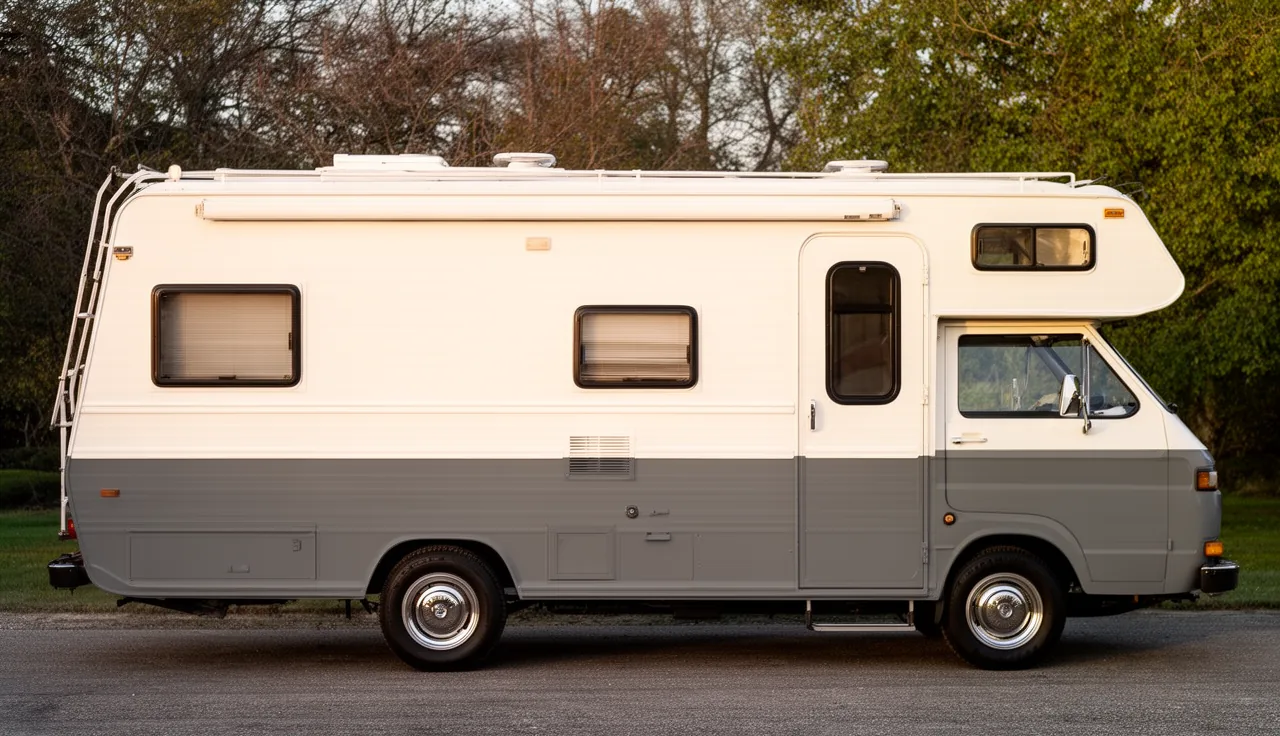
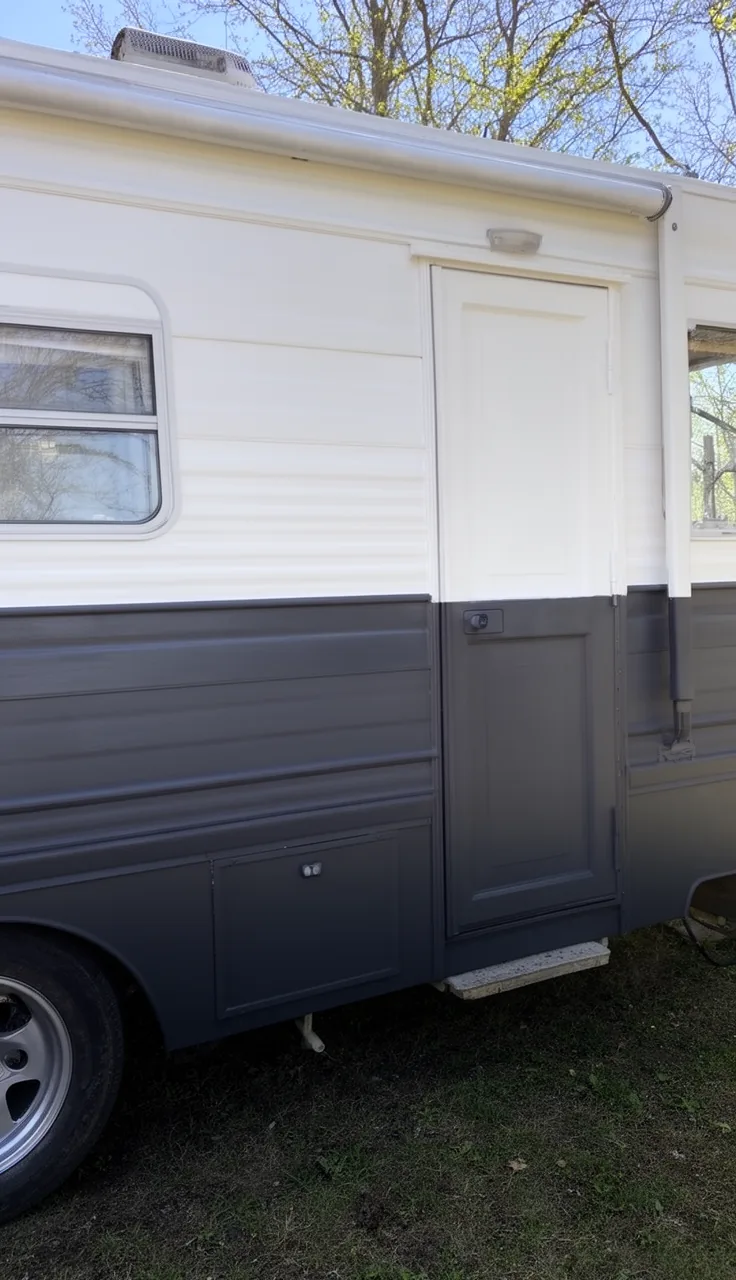
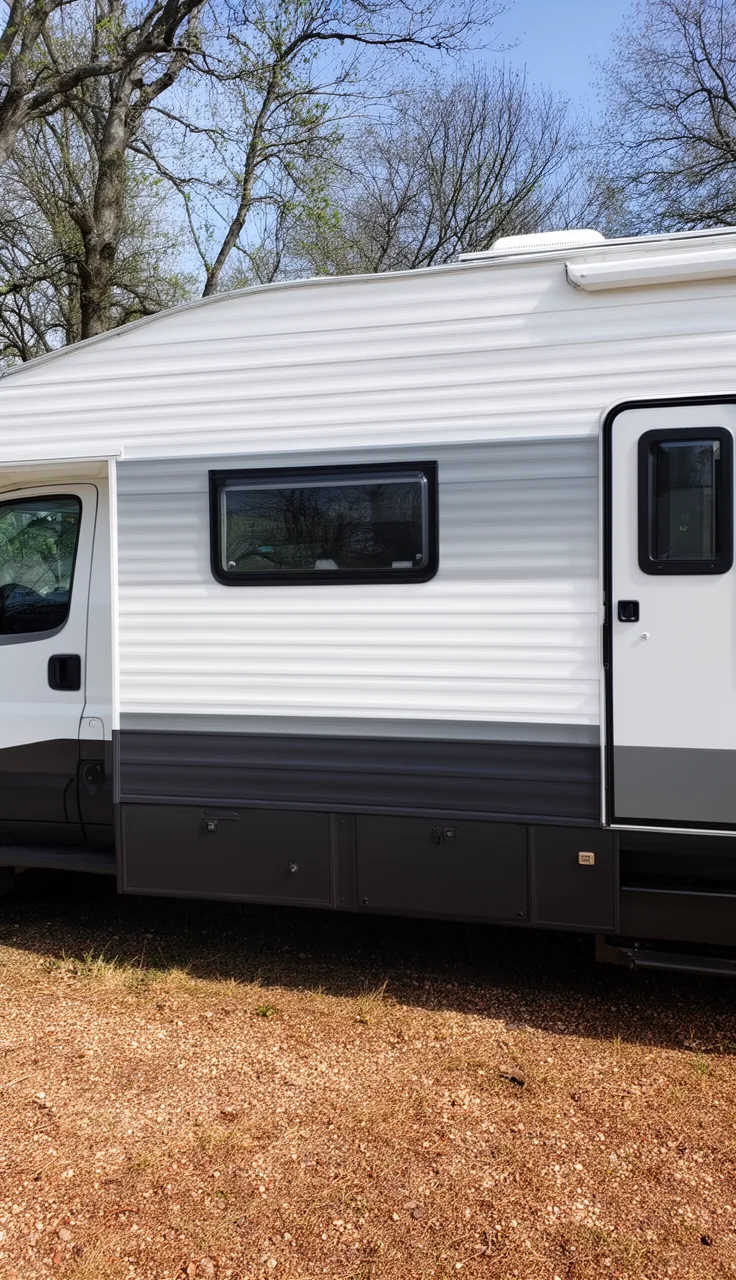
Splitting the camper body into two colors, a light upper and a darker lower, is the fastest of all the camper exterior paint ideas for making an old rig look freshly designed, since the horizontal break slims the profile and hides road grime low down.
A single flat color reads dated on most campers, but a clean two-tone scheme instantly reads modern. Run a light shade across the upper body and a deeper tone along the bottom third, and the horizontal line makes the whole rig look longer and more intentional. I keep coming back to two-tone because it does so much with so little, and putting the darker color down low is where the paint takes the most abuse.
Quick Tips
- Keep the lighter color on the upper two-thirds
- Put the darker tone low where grime hides
- Use crisp painter’s tape for a razor-clean line
For a rig that looks freshly designed, a clean two-tone body is the simplest big win.
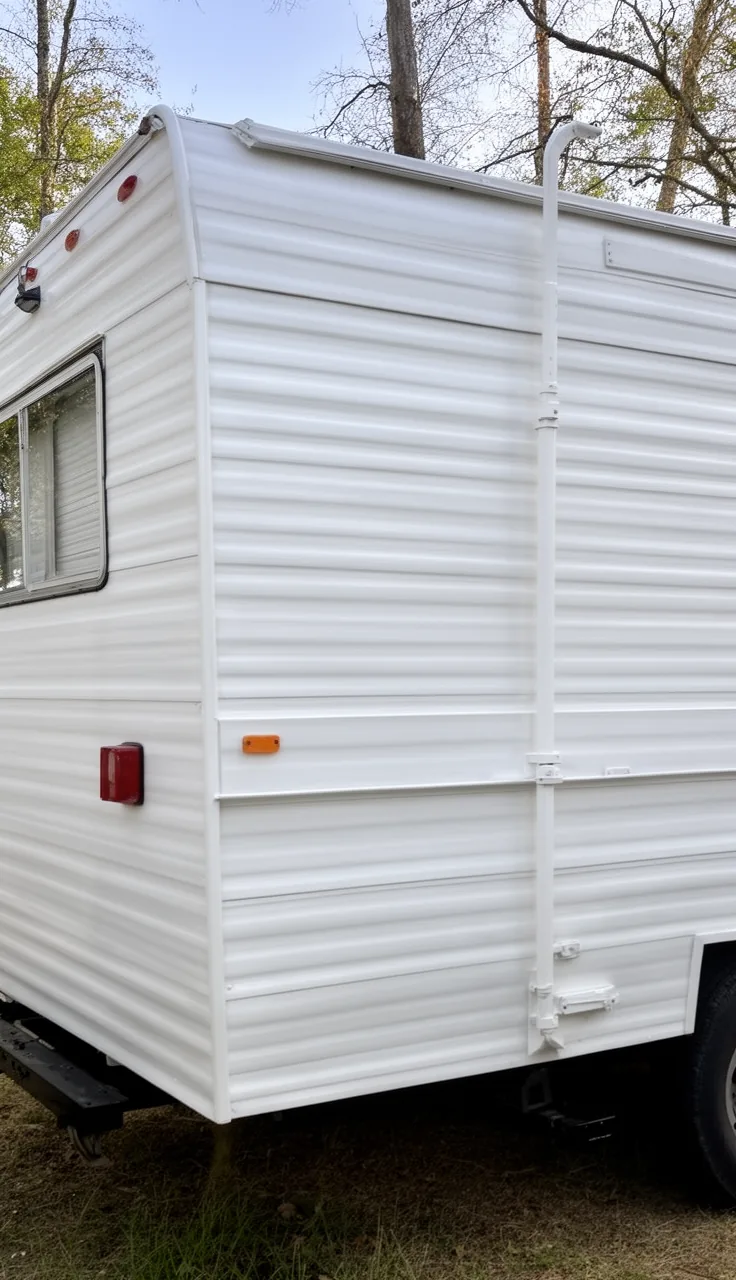
2. All-White for a Bright, Timeless Rig
 Shop this look: white exterior paint
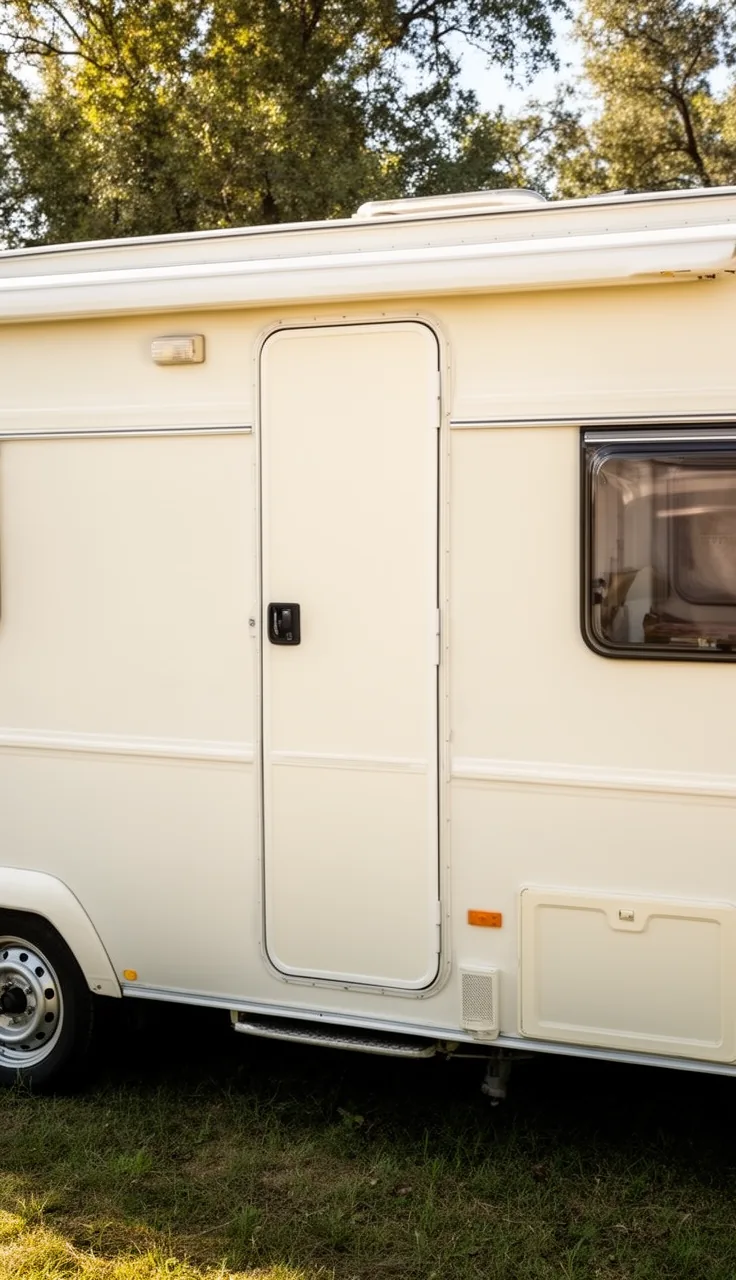
Painting the whole camper a soft, warm white gives you a bright, calm rig that photographs beautifully and hides oxidation lines, and it is the safest paint for camper exterior projects when you want a clean slate to accessorize later.
There is a reason so many renovated campers go white: it is clean, calm, and never really dates. A soft warm white, rather than a stark cool one, keeps the rig from looking clinical while still reading fresh and light. From what I’ve gathered from full-time renovators, an all-white base is the easiest exterior camper paint to live with, since it flatters every wheel, awning, and decal you add afterward.
Why It Works
- Warm white reads clean without feeling cold
- Hides oxidation and old decal ghosting
- Flatters any accent color you add later
For a rig that stays fresh for years, a soft all-white body is a timeless safe bet.
3. A Retro Stripe Down the Side
 Shop this look: painter’s tape · Side Table, Square Solid Wood End Table, Living… · Furinno Classic Square Toolless Night Stand,…
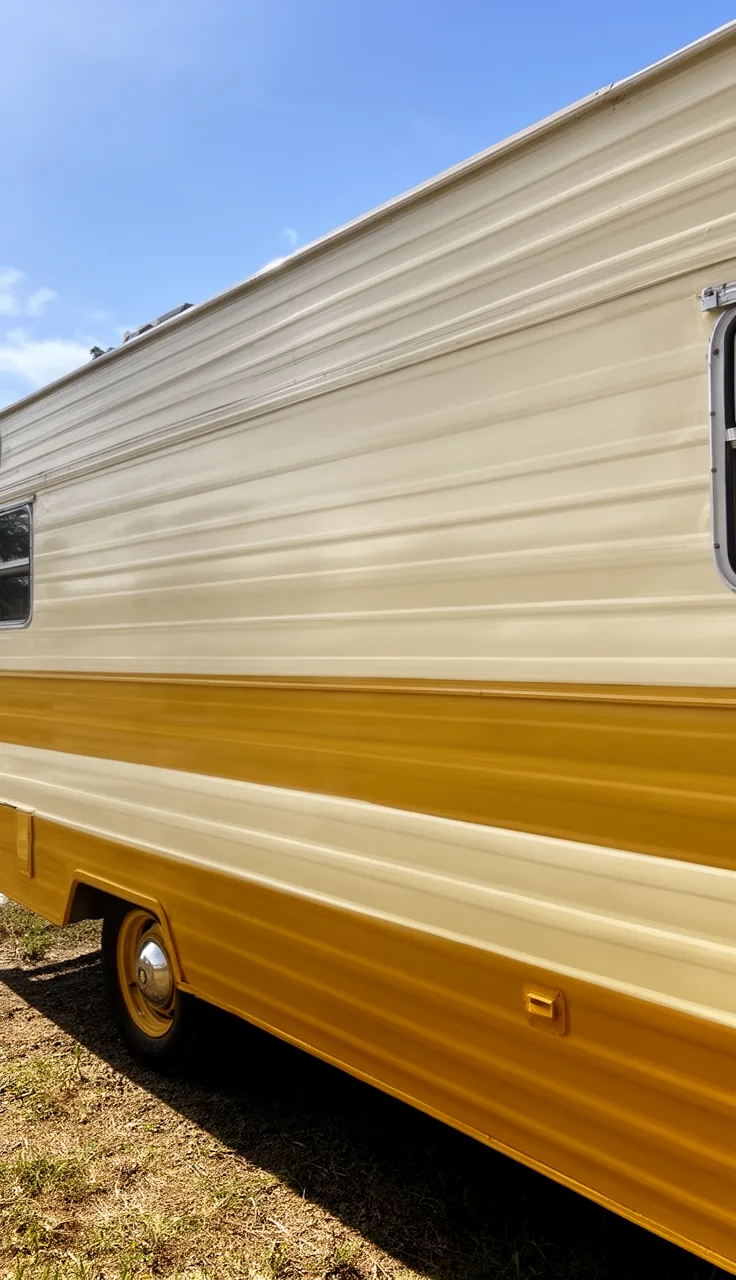
A single bold stripe running the length of the camper channels classic road-trip style, and warm retro tones like mustard, rust, or teal turn a plain white body into one of the most eye-catching vintage camper exterior paint ideas on the campground.
Nothing says open-road nostalgia like a good side stripe. A bold band of color, or two thinner ones stacked, runs along the body and instantly gives the rig that vintage travel-trailer character. I remember spotting a cream camper with a single mustard stripe at a campground and thinking how happy and retro it looked, and a stripe is a low-effort way to borrow that classic charm without repainting the whole body.
If this one speaks to you, you will enjoy the same nostalgic retro charm in these vintage camper interior ideas, since they carry the same easygoing, characterful spirit.
Materials
- Warm retro tones: mustard, rust, teal, cream
- Painter’s tape for clean, even stripe edges
- A level or chalk line to keep the stripe true
For instant road-trip character, a single retro stripe carries the whole vintage look.
4. Desert Earth Tones for a Grounded, Natural Look
 Shop this look: earth-tone paint
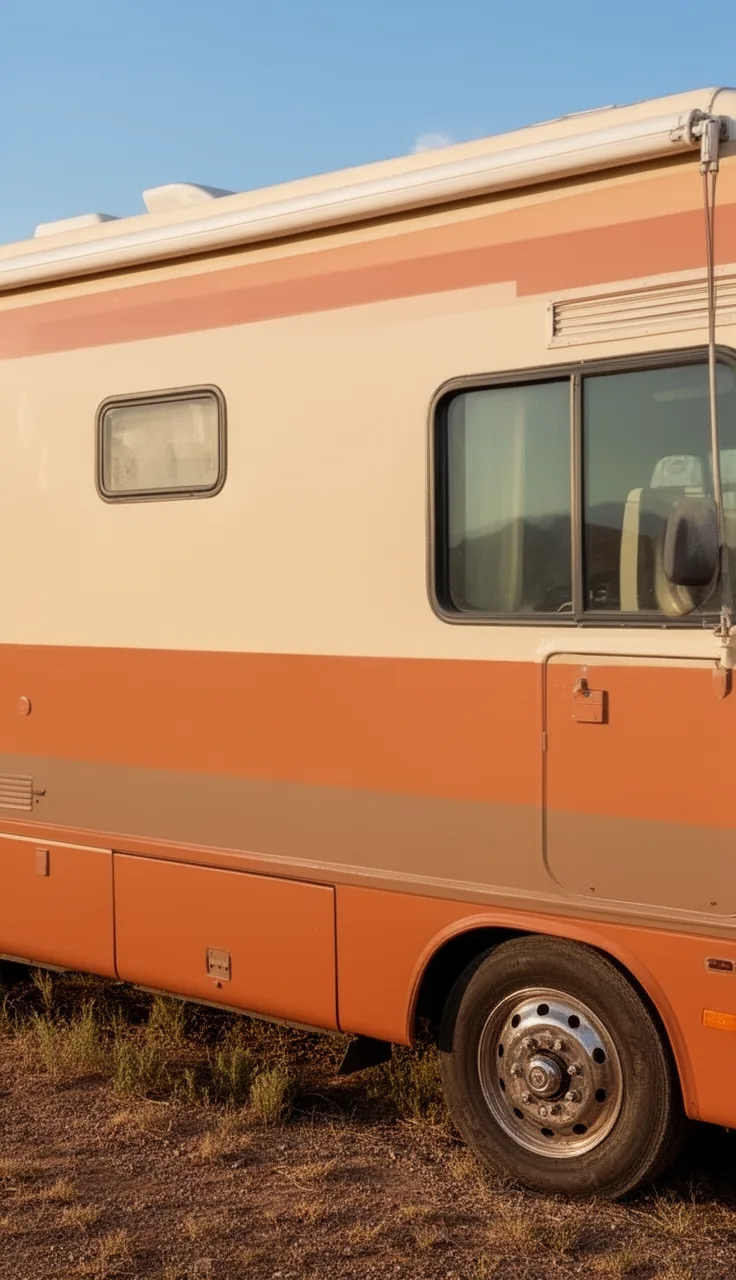
Wrapping the camper in warm desert tones, terracotta, sand, clay, and soft taupe, gives it a grounded, natural look that blends beautifully into campsites and canyons, and these muted earth colors hide dust far better than any bright white.
Earthy desert tones have quietly become one of the coziest directions for a camper exterior. Terracotta, warm sand, and soft clay feel calm and grounded, and they melt into a natural backdrop instead of shouting against it. A friend of mine repainted her trailer in warm taupe with a rust lower band and it looks like it belongs anywhere from the coast to the canyon, plus dusty desert roads barely show on those muted tones.
Carrying that earthy palette inside too?See these earth-tone camper decor ideas→Why It Works
- Warm earth tones blend into natural settings
- Muted colors hide trail dust and dirt
- Terracotta and clay feel cozy, not clinical
For a rig that feels at home anywhere outdoors, warm desert earth tones are hard to beat.
5. A Bold Accent Color on the Door and Trim
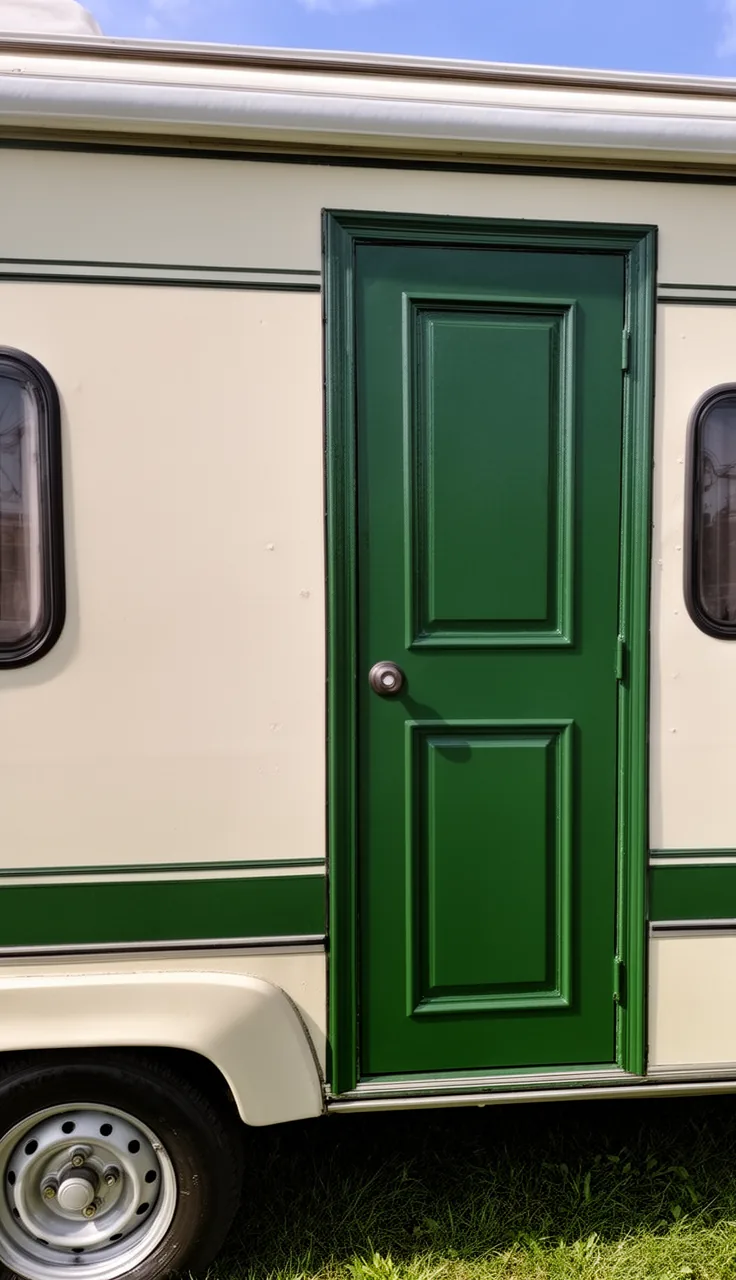
You do not have to repaint the whole rig to freshen it, since picking out just the entry door, window frames, and trim in one bold accent color gives a neutral camper a designed, intentional pop for a fraction of the paint and effort.
When a full repaint feels like too much, the door and trim are the perfect small canvas. A confident color on the entry door, the window surrounds, and a few trim pieces reads as a deliberate design choice against a neutral body. From what I’ve gathered, accent-only paint is the friendliest of the camper exterior paint ideas for a first attempt, since it is quick, forgiving, and easy to change your mind about later.
Materials
- One confident accent color for door and trim
- A neutral body so the accent really pops
- Painter’s tape around every frame edge
For a quick, low-commitment refresh, a bold door and trim color changes the whole face.
A few crisp two-tone and color-scheme looks to inspire your own rig →
 1 / 5
1 / 5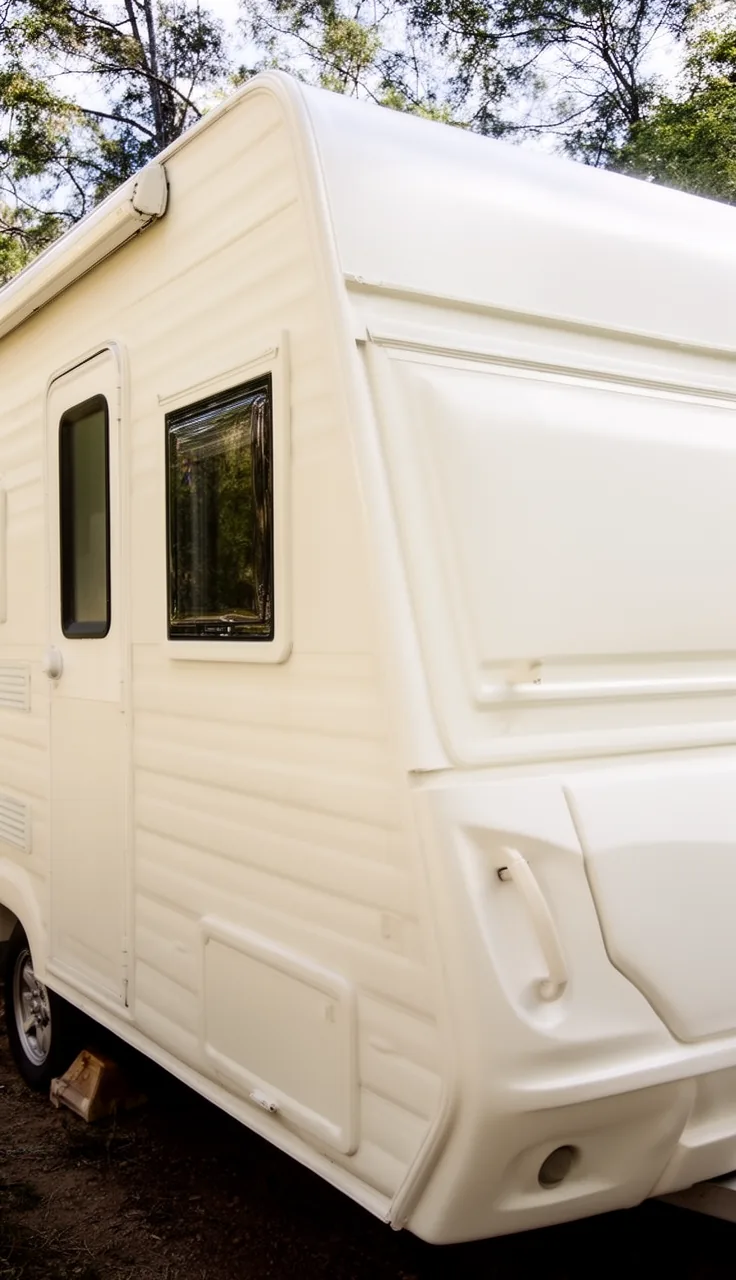 2 / 5
2 / 5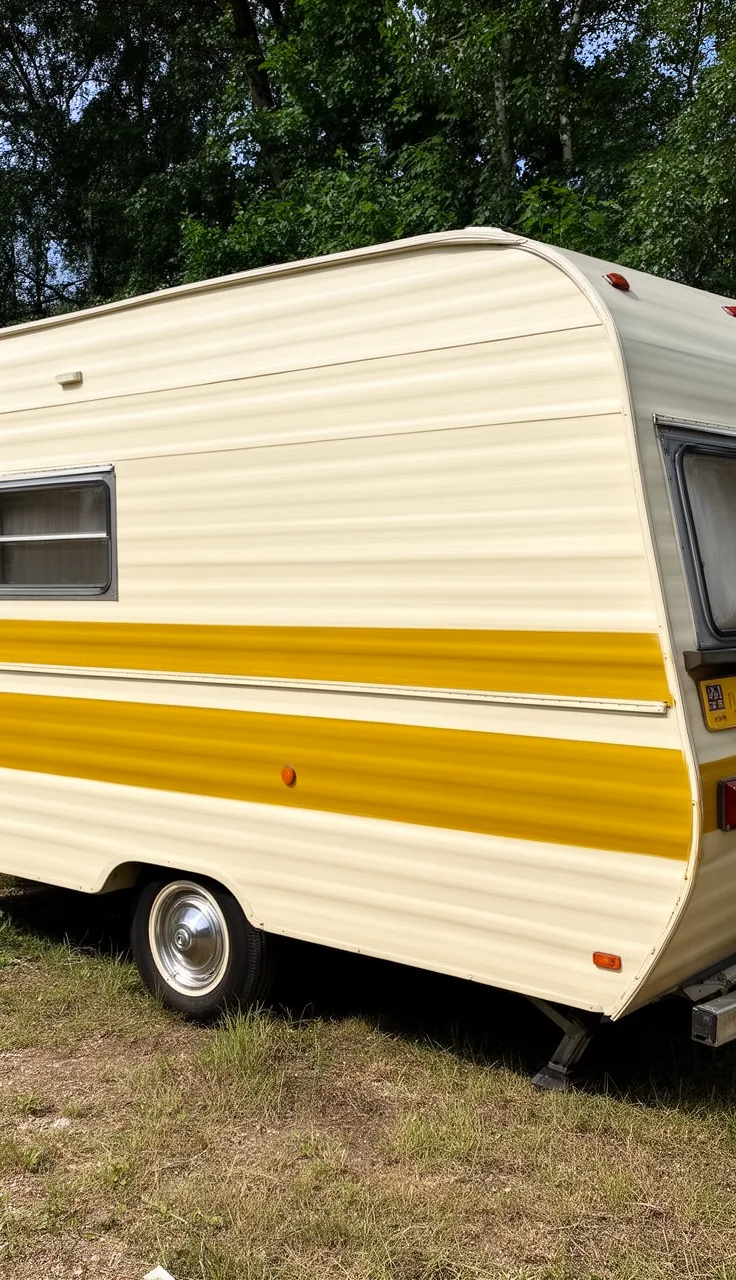 3 / 5
3 / 5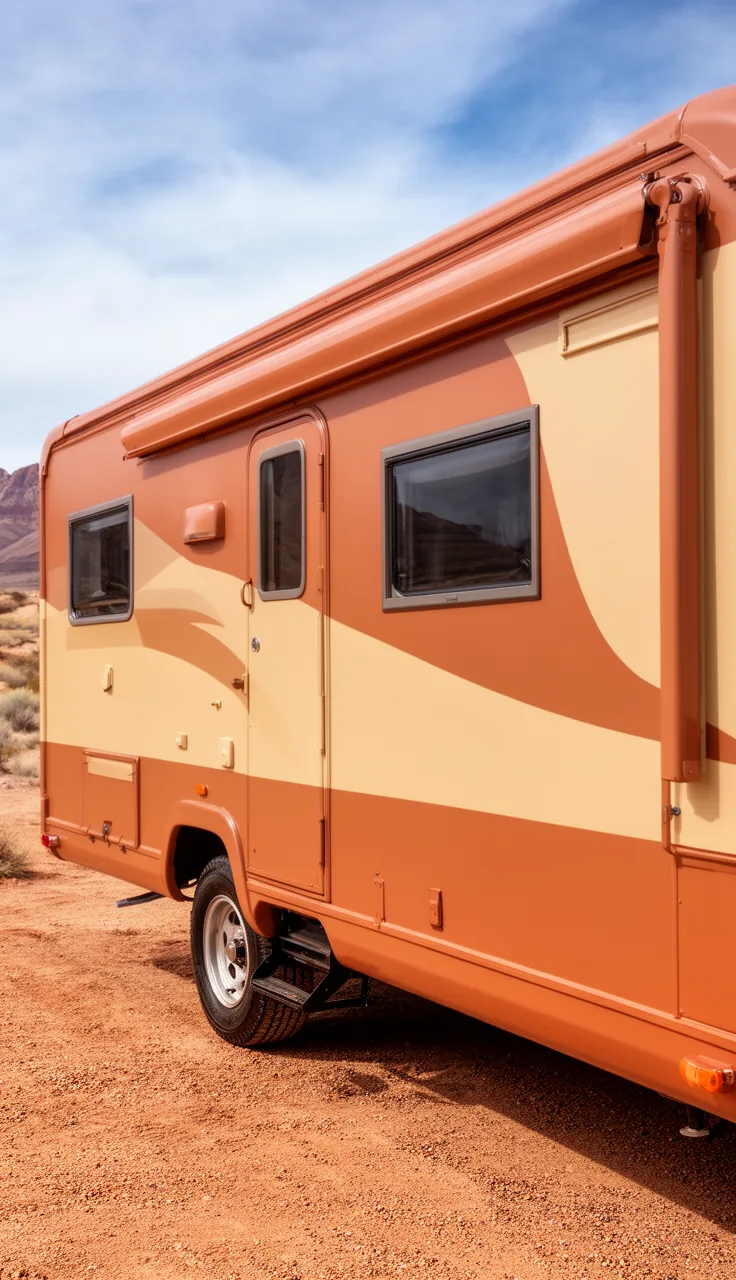 4 / 5
4 / 5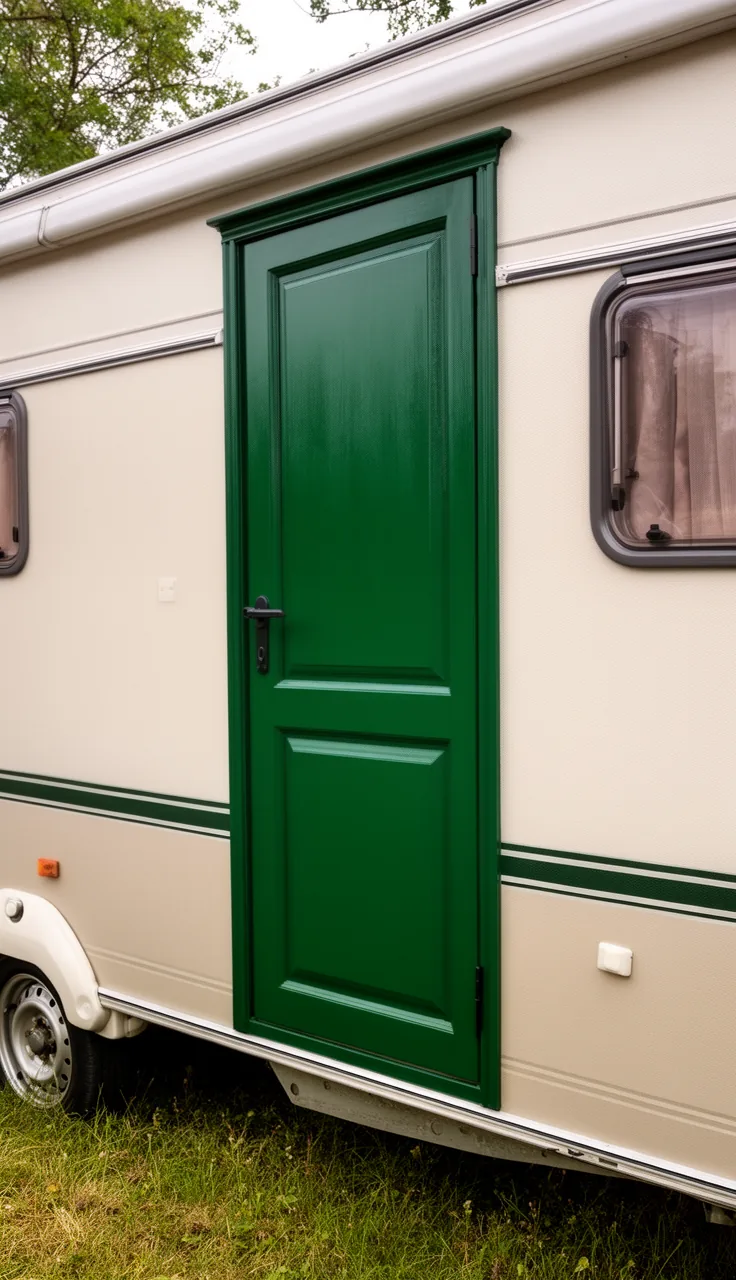 5 / 5
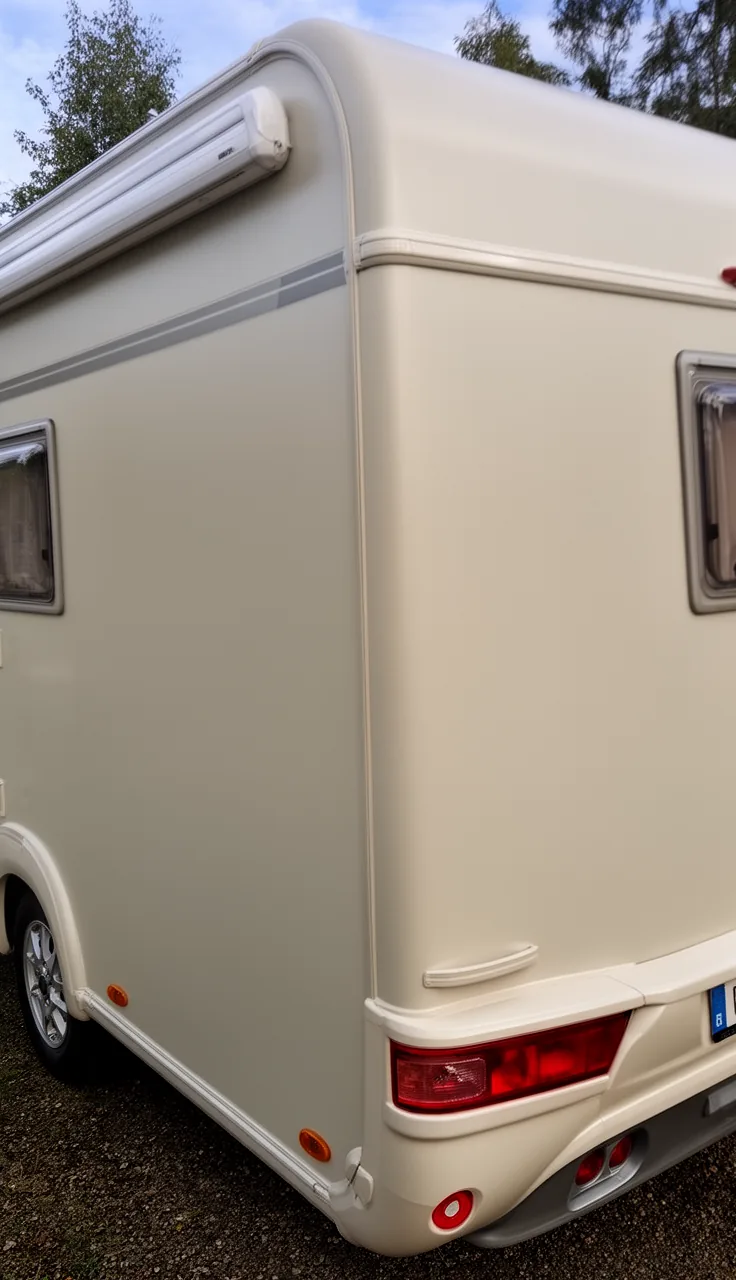
5 / 56. Matte or Satin Finish for a Contemporary Feel
 Shop this look: matte exterior paint
Choosing a matte or low-satin finish instead of high gloss gives a camper a modern, understated look that hides small dents and surface imperfections, which is why so many renovated rigs skip the shiny factory sheen entirely.
The finish matters as much as the color. A glossy exterior shows every dent, ripple, and imperfection, while a matte or soft-satin sheen reads calm and contemporary and quietly hides those flaws. I’ve seen a plain rig look far more expensive simply by switching from gloss to matte, and satin is a nice middle ground if you want a little easy-clean smoothness without the mirror shine.
Why It Works
- Matte hides dents and surface ripples
- Reads modern and understated, not flashy
- Satin cleans a touch easier than flat matte
For an exterior that looks intentionally modern, a matte or satin finish sets the tone.
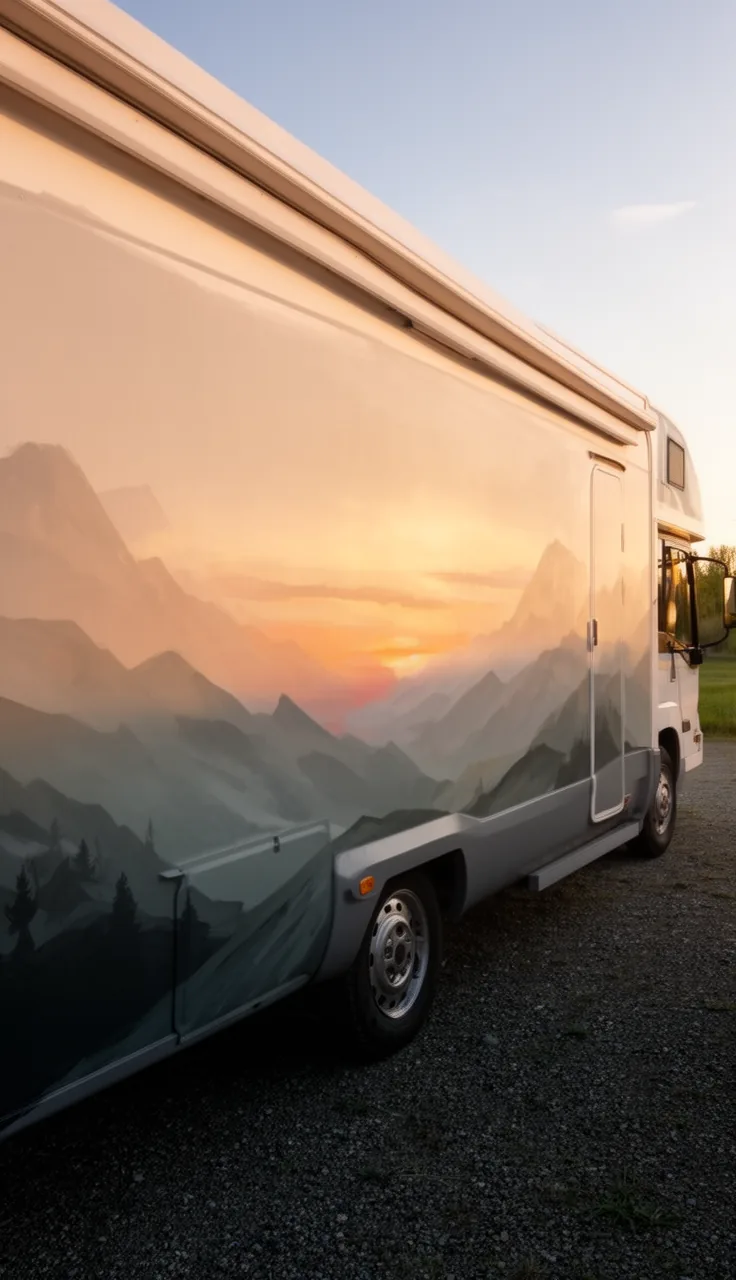
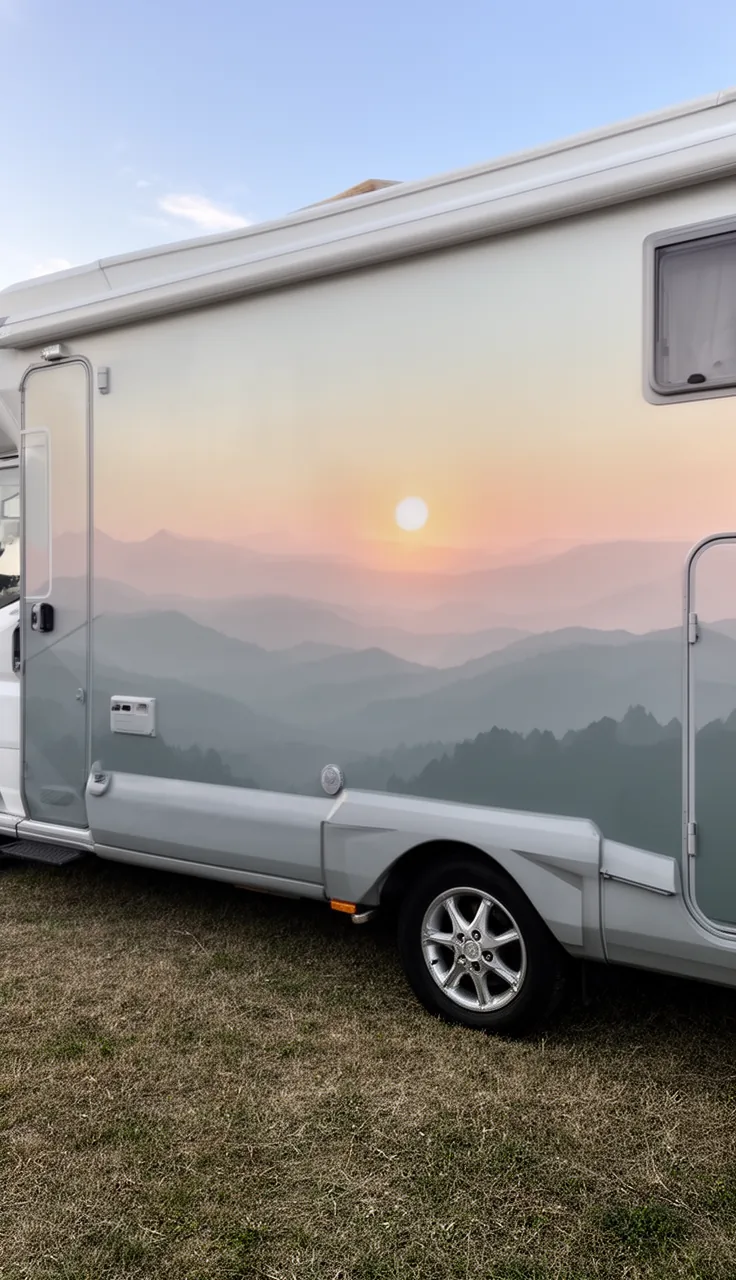
7. A Painted Mural or Landscape Scene
 Shop this look: exterior craft paint
A hand-painted mural, a mountain range, a desert sunset, or rolling waves, turns the flat side of a camper into a true one-of-a-kind statement, and keeping the scene in muted, cohesive tones stops it from looking busy or cartoonish.
For those who want their rig to be unmistakably theirs, a painted mural is the ultimate move. A soft mountain range, a low sunset, or gentle waves along the side turns blank fiberglass into a scene that tells your story. I remember a camper wrapped in muted painted hills that stopped everyone at the campsite, and the trick is keeping the palette calm and cohesive so the mural feels artful rather than loud.
If this one speaks to you, you will enjoy the same custom, personal spirit in these RV wallpaper ideas for the interior, since they carry the same easygoing, characterful spirit.
Materials
- Muted, cohesive colors for an artful scene
- Exterior-grade paints that resist fading
- A sealant coat to protect the artwork
For a truly one-of-a-kind rig, a soft muted mural makes the whole side unforgettable.
8. Vinyl Decals and Graphics for a No-Paint Upgrade
 Shop this look: vinyl decals
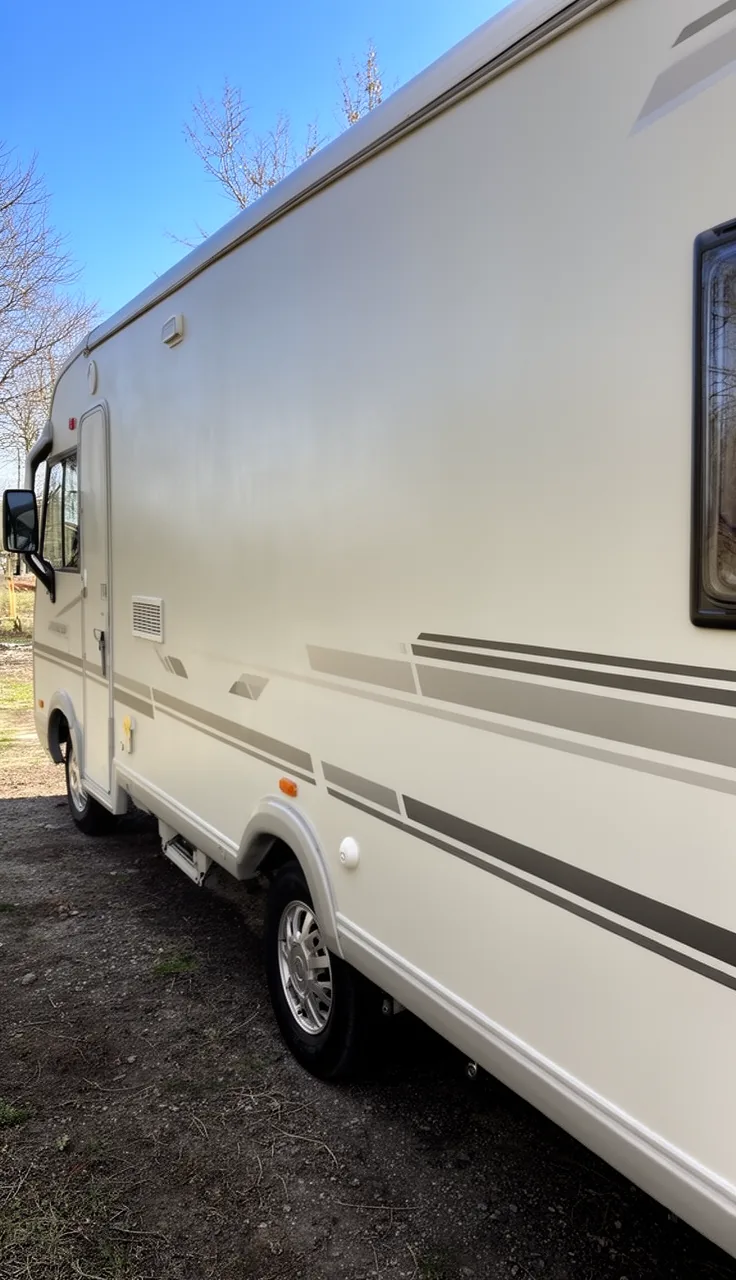
If you are not ready to pick up a brush, adhesive vinyl decals and graphic stripes give the camper a custom exterior look with zero paint, since you can add geometric shapes, retro bands, or simple line art that peels off cleanly later.
Not every exterior refresh needs paint at all. High-quality outdoor vinyl decals let you add stripes, geometric shapes, or simple line graphics that look painted on from a few feet away. A friend of mine dressed up a plain white trailer with a set of desert-arch decals in an afternoon, and because good vinyl peels off cleanly, it is the most renter-friendly and reversible of all the camper exterior paint ideas here.
Why It Works
- No painting, priming, or sanding required
- Peels off cleanly if you change your mind
- Geometric and retro graphics look custom
For a custom look with no brush at all, quality vinyl decals do the styling for you.
9. A Deep Moody Color for Drama
 Shop this look: dark exterior paint
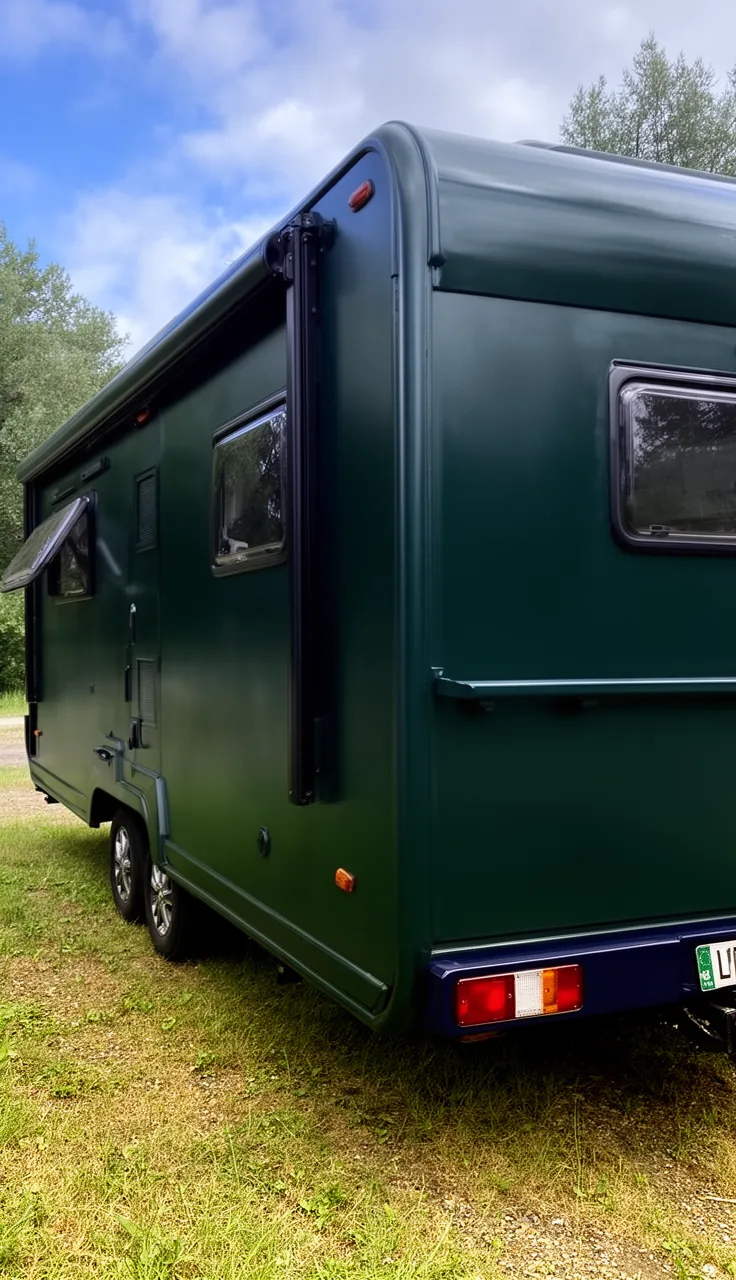
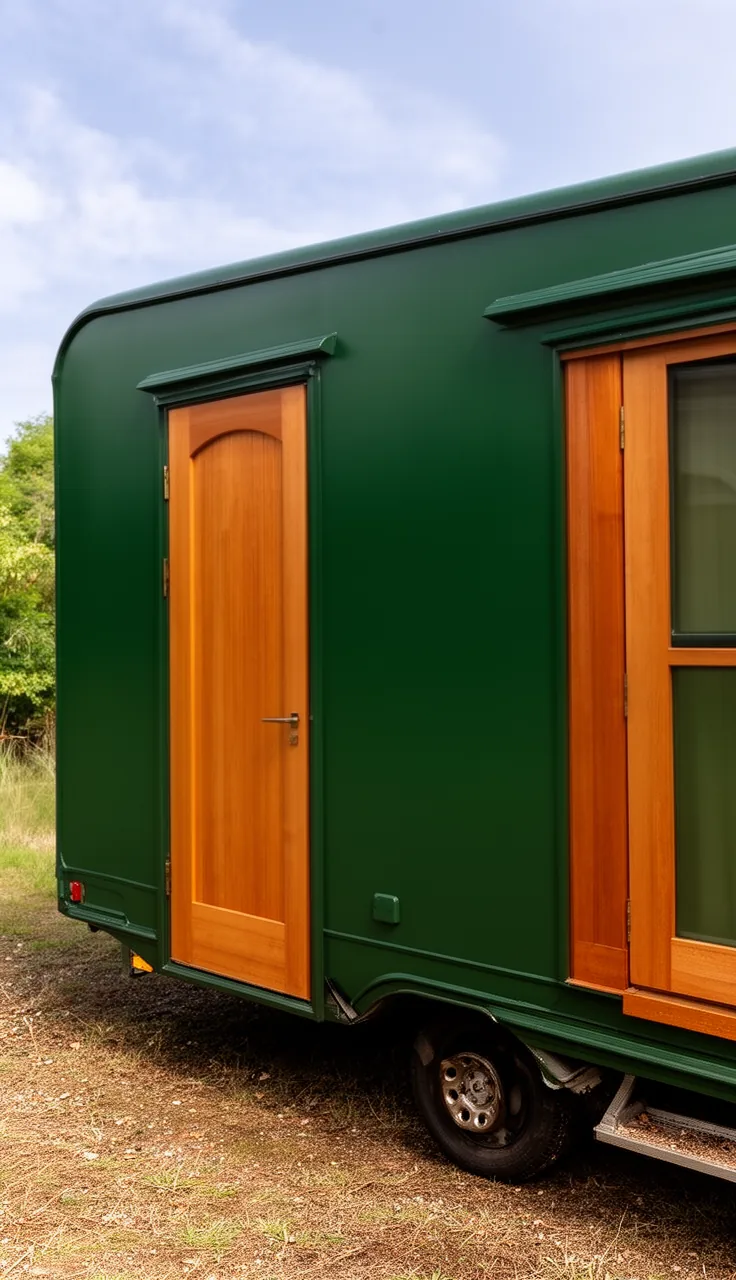
Going dark with a deep forest green, rich navy, or charcoal gives a camper a bold, high-end feel that stands out against light-colored rigs, and pairing the moody body with warm wood or brass accents keeps it feeling cozy rather than severe.
Most campers are light, so a deep moody color reads instantly premium and confident. A rich forest green, deep navy, or soft charcoal gives the rig a grounded, high-end presence, especially next to a row of white trailers. I keep coming back to darker exteriors because they photograph beautifully, though it is worth remembering a dark body absorbs more heat, so it suits cooler climates or shady sites best.
Materials
- Deep tones: forest green, navy, or charcoal
- Warm wood or brass accents to soften it
- A heat-reflective topcoat if you camp hot
For a rig with real presence, a deep moody color turns heads on any campground.
10. Coastal Blues and Soft Whites for a Breezy Look
 Shop this look: blue exterior paint
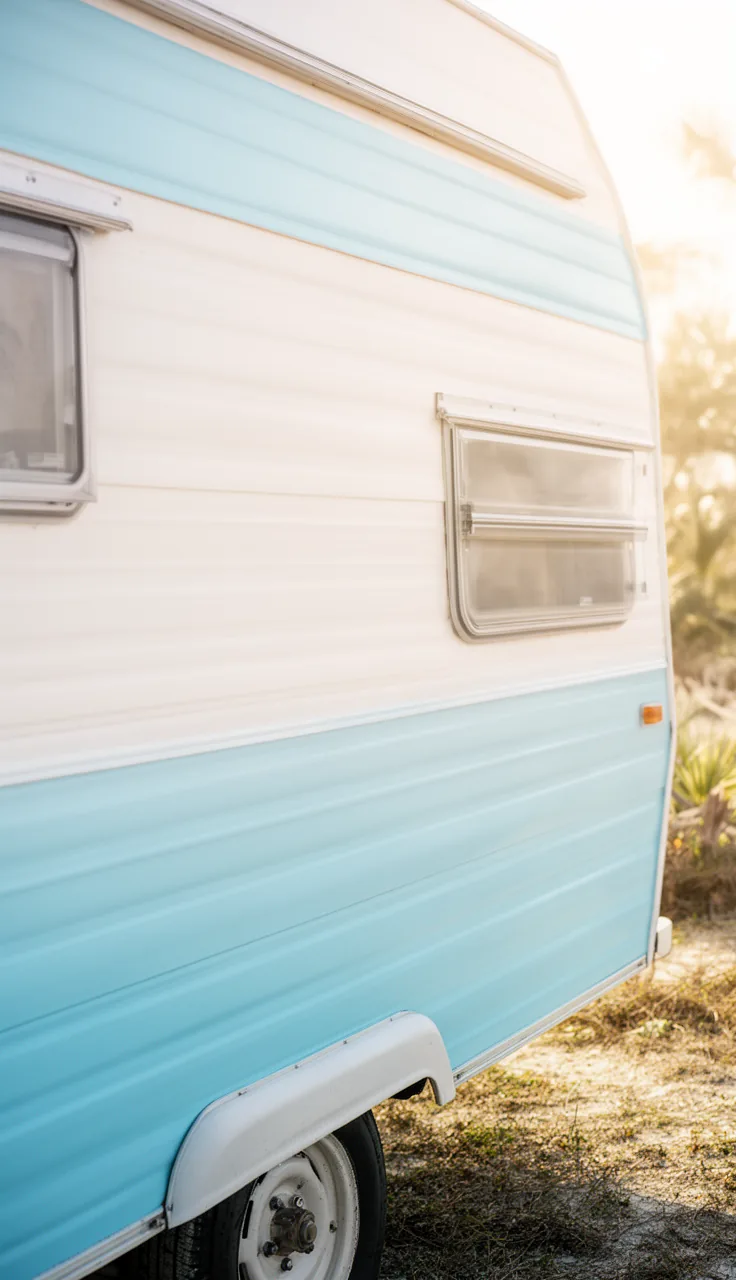
A soft coastal palette of powder blue, seafoam, or pale gray-blue paired with warm white gives a camper a breezy, beach-house feel, and these light airy colors keep the rig cool in the sun while reading fresh and cheerful.
If your travels lean toward the coast, a soft blue-and-white scheme feels exactly right. Powder blue, seafoam, or a pale gray-blue over a warm white base reads breezy and cheerful, like a little beach house on wheels. I’ve seen this palette make an ordinary trailer look like it just rolled off the shore, and the light colors have the practical perk of staying cooler in full sun than any dark tone would.
Why It Works
- Light coastal blues stay cooler in the sun
- Blue and warm white read fresh and breezy
- Cheerful without feeling loud or trendy
For a rig that feels like a seaside escape, soft coastal blues and white never miss.
11. Prime First for Paint That Actually Lasts
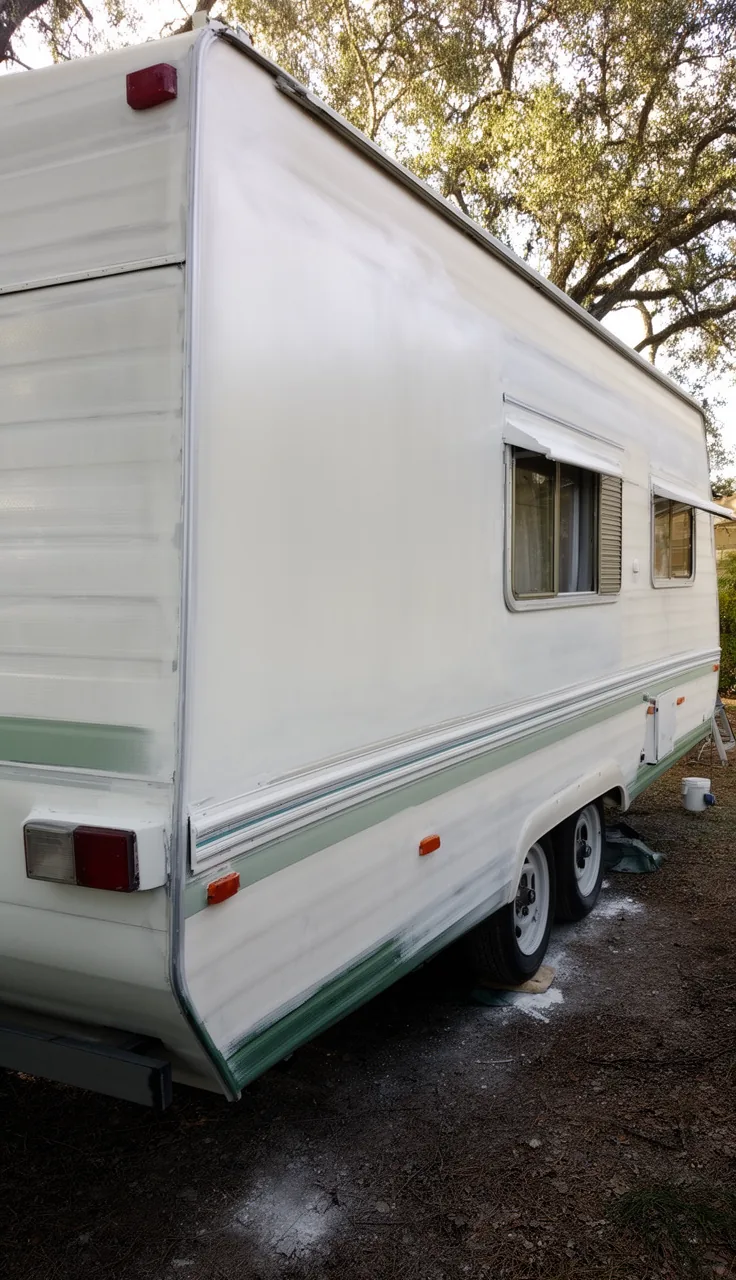
The secret to any exterior paint job that lasts is a proper bonding primer, since fiberglass and aluminum camper skins need the right primer to grip, and skipping this single step is why so many DIY paint jobs peel within a season.
This is the least glamorous but most important step of the whole project. A camper’s fiberglass or aluminum skin is slick, and paint simply will not hold without a proper bonding or self-etching primer underneath. From what I’ve gathered, nearly every peeling, flaking DIY horror story traces back to a skipped or wrong primer, so when people ask about the best paint for camper exterior work, the honest answer starts with what goes on before the color.
Taking on a bigger project than paint alone?Browse these DIY camper renovation ideas→Materials
- A bonding or self-etching primer for the surface
- Thorough cleaning and light sanding first
- A test patch to confirm adhesion before you commit
For paint that lasts more than one season, the right primer is where every good job begins.
Mural, decal, and graphic ideas that make the side unforgettable →
 1 / 5
1 / 5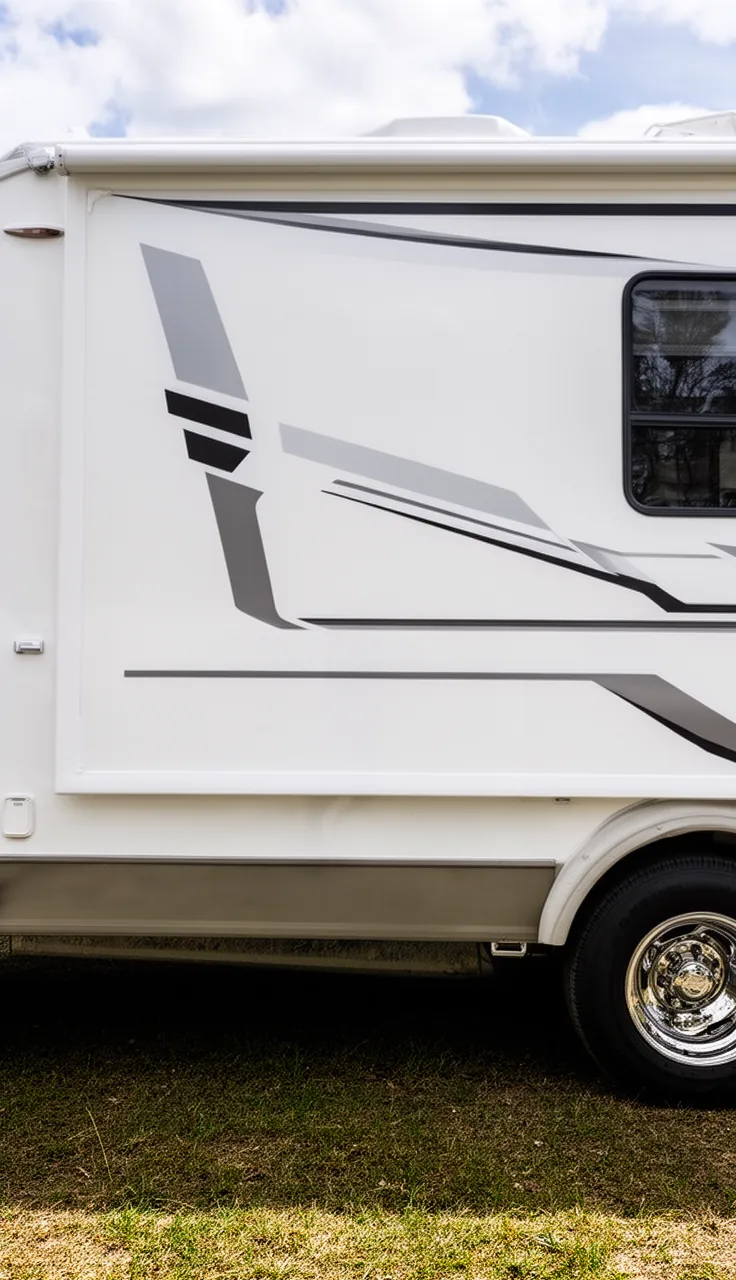 2 / 5
2 / 5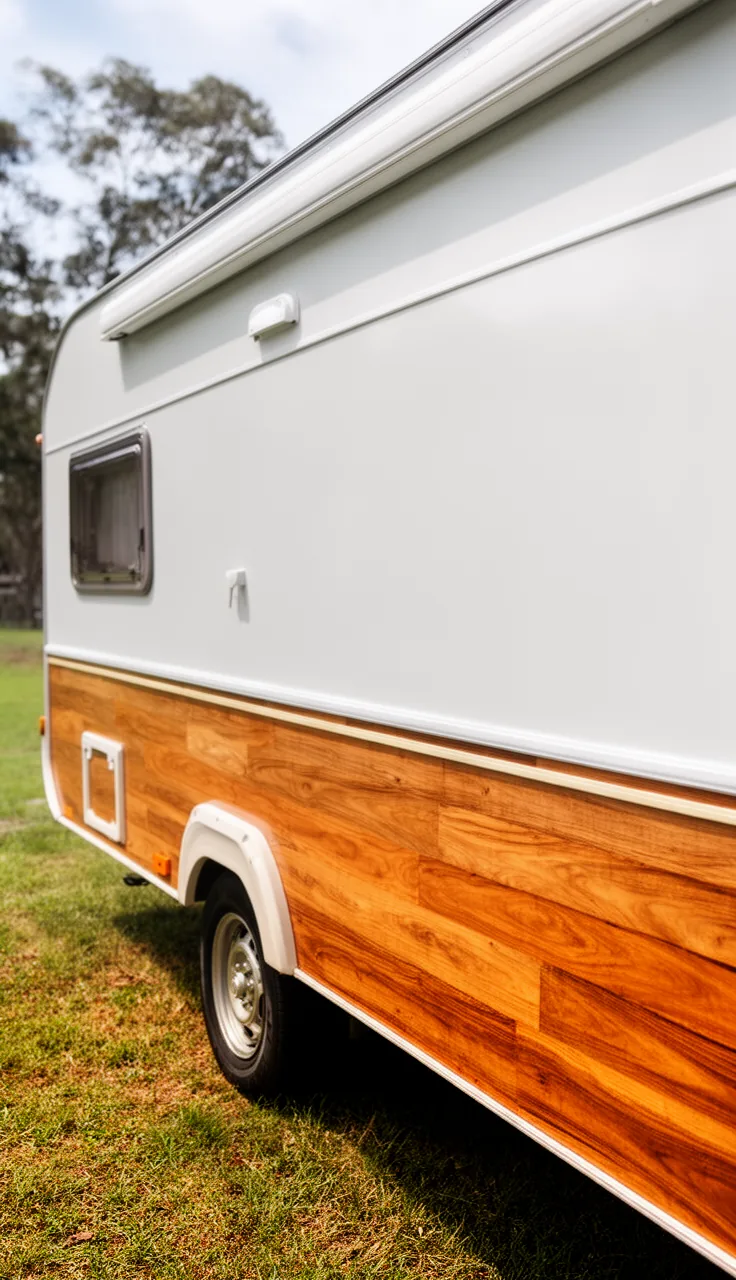 3 / 5
3 / 5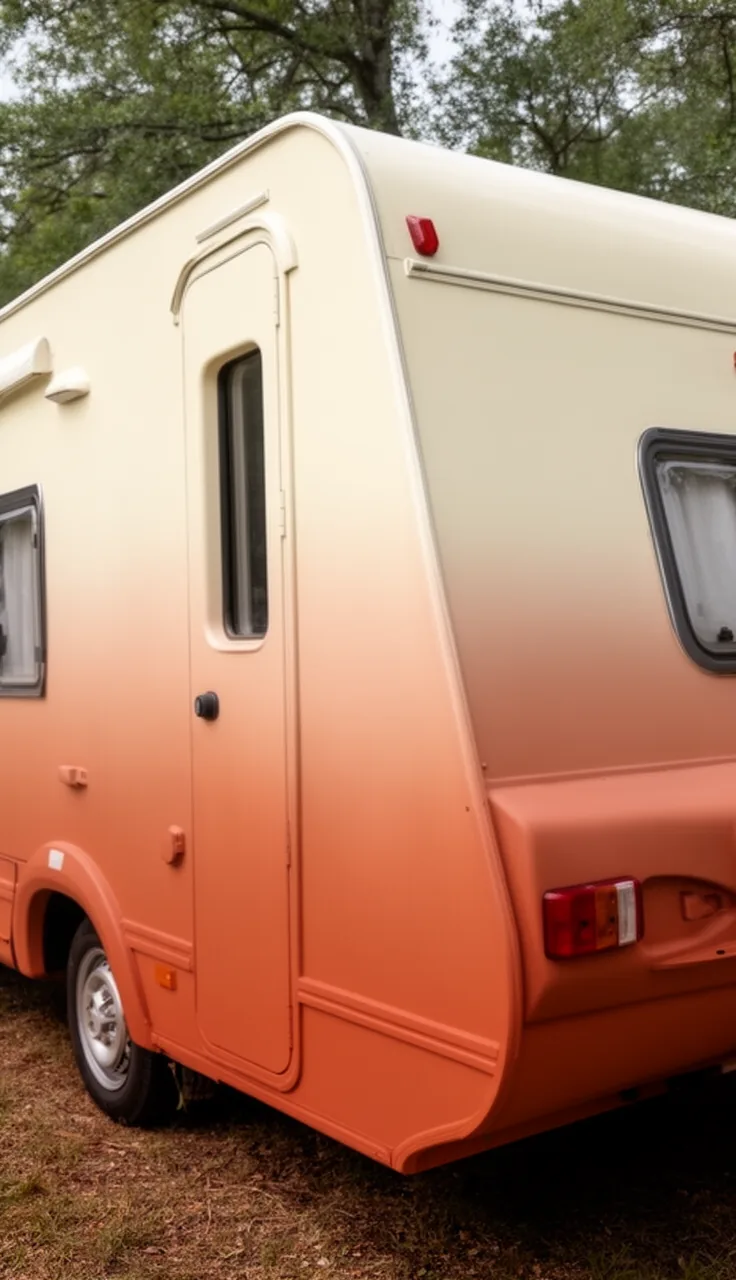 4 / 5
4 / 5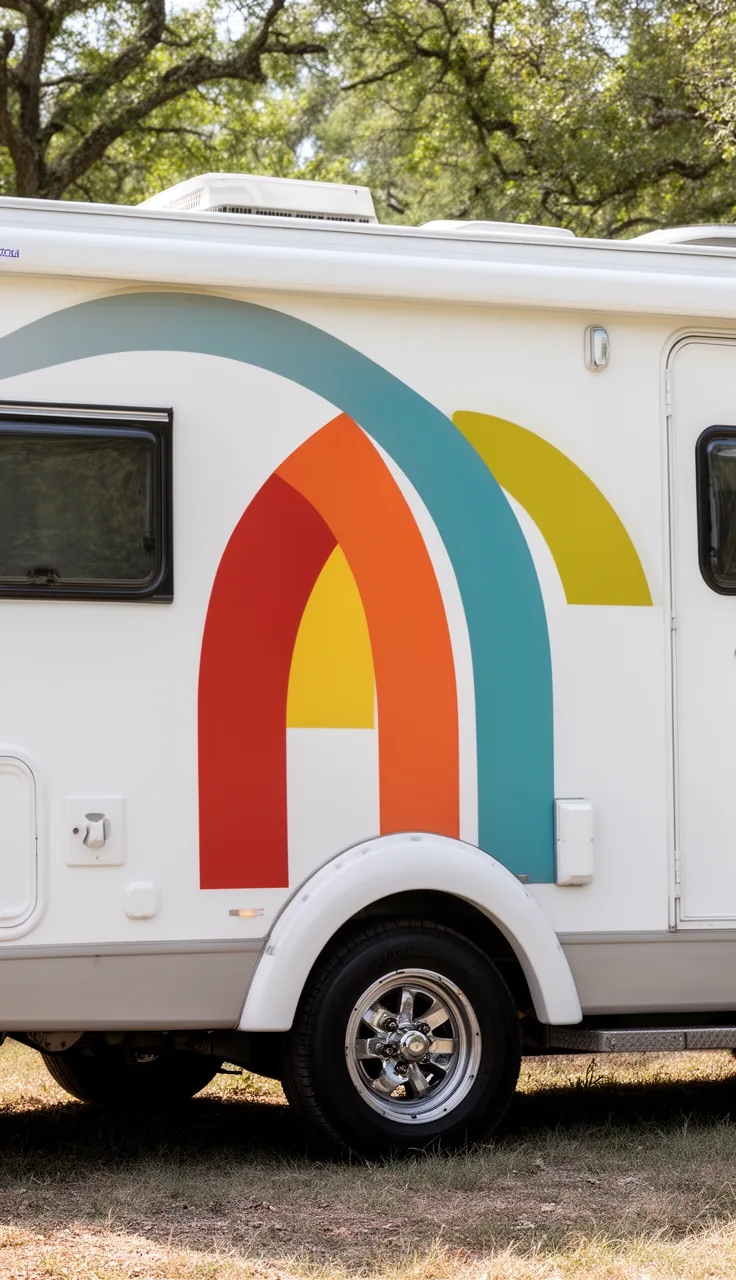 5 / 5
5 / 512. A Painted or Refreshed Wheel-Arch Detail
 Shop this look: fender paint
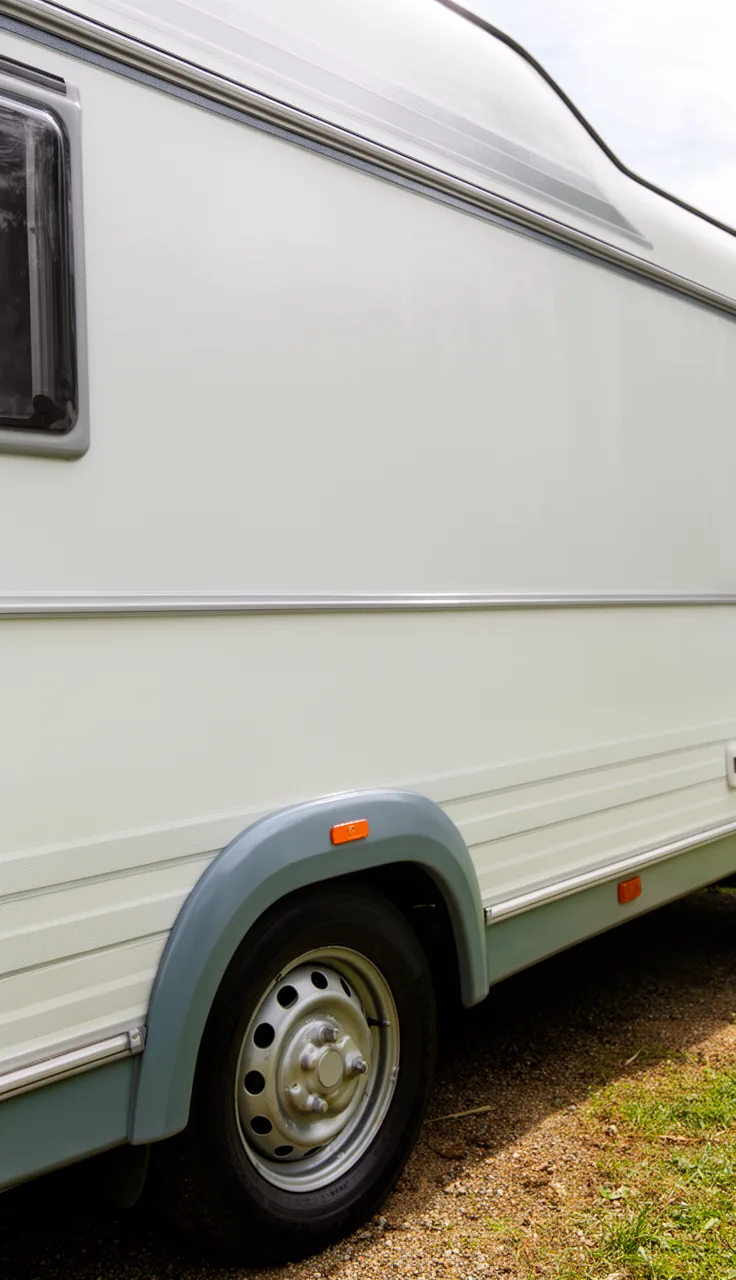
Picking out the wheel arches, fenders, and lower skirt in a contrasting color sharpens the whole exterior, and since these low areas take the most road spray, a darker painted arch both looks intentional and hides the grime that white would show.
The details around the wheels quietly make or break how finished a camper looks. Painting the arches, fenders, and lower skirt a shade darker than the body frames the rig neatly and gives it a purposeful, designed stance. I remember a plain trailer that looked suddenly sharp once the wheel arches were picked out in charcoal, and putting the darkest paint where the road spray hits keeps that clean line looking clean.
Why It Works
- Frames the rig with a purposeful stance
- Dark arches hide constant road spray
- A small area for a big finished-look payoff
For a sharper, more finished stance, a contrasting wheel-arch detail pulls it together.
13. Soft Sage and Cream for a Cottage-Camper Vibe
 Shop this look: sage exterior paint
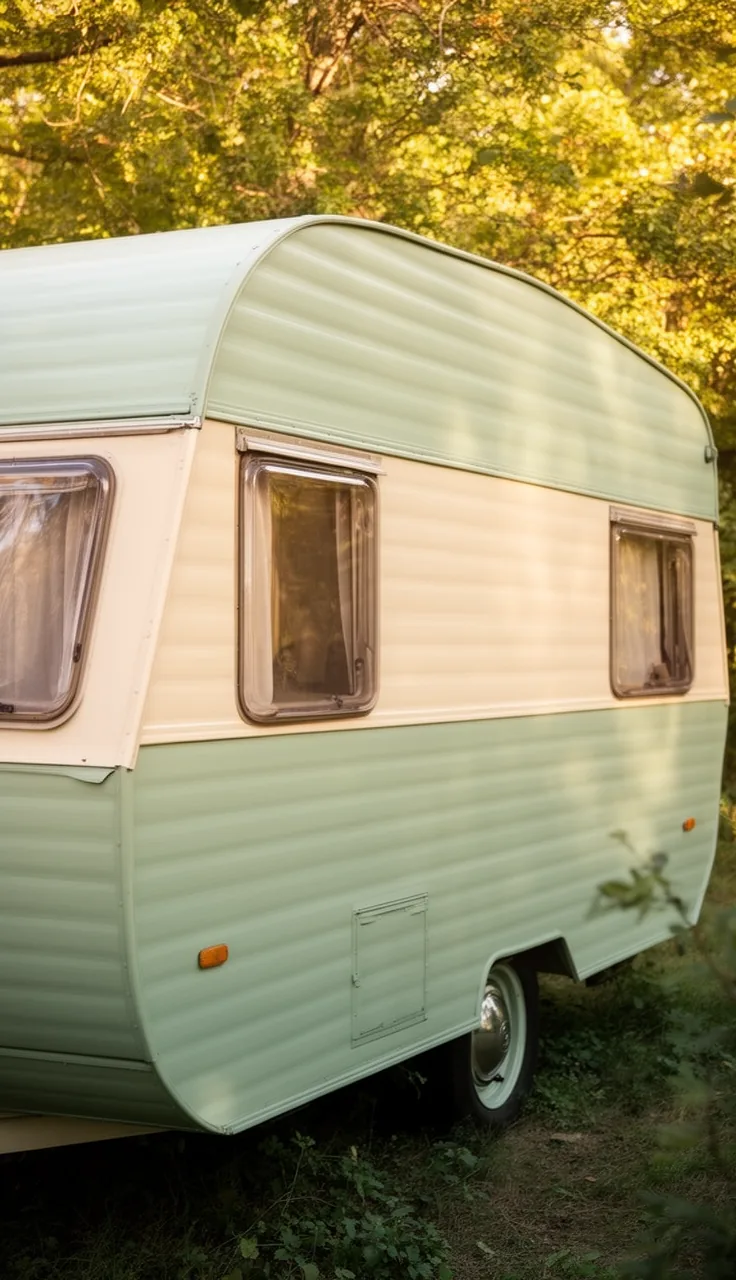
A gentle sage green paired with creamy off-white gives a camper a soft cottage-garden feel that looks especially charming among trees and greenery, and this calm, muted combination reads classic rather than trendy on any vintage rig.
Sage green has quietly become the friendliest color on the road, and over a cream base it gives a camper the softest cottage-garden charm. It looks especially lovely parked among trees, where the muted green settles right into the leaves. I keep coming back to sage and cream because it feels calm and grounded instead of chasing a trend, and it flatters both boxy modern trailers and curvy vintage ones alike.
Materials
- Muted sage green over a creamy off-white
- A soft satin finish to keep it gentle
- Warm wood or brass door details to finish
For a rig with quiet cottage charm, soft sage and cream feel right in any setting.
14. A Pop-Up Camper Exterior Refresh
 Shop this look: exterior paint
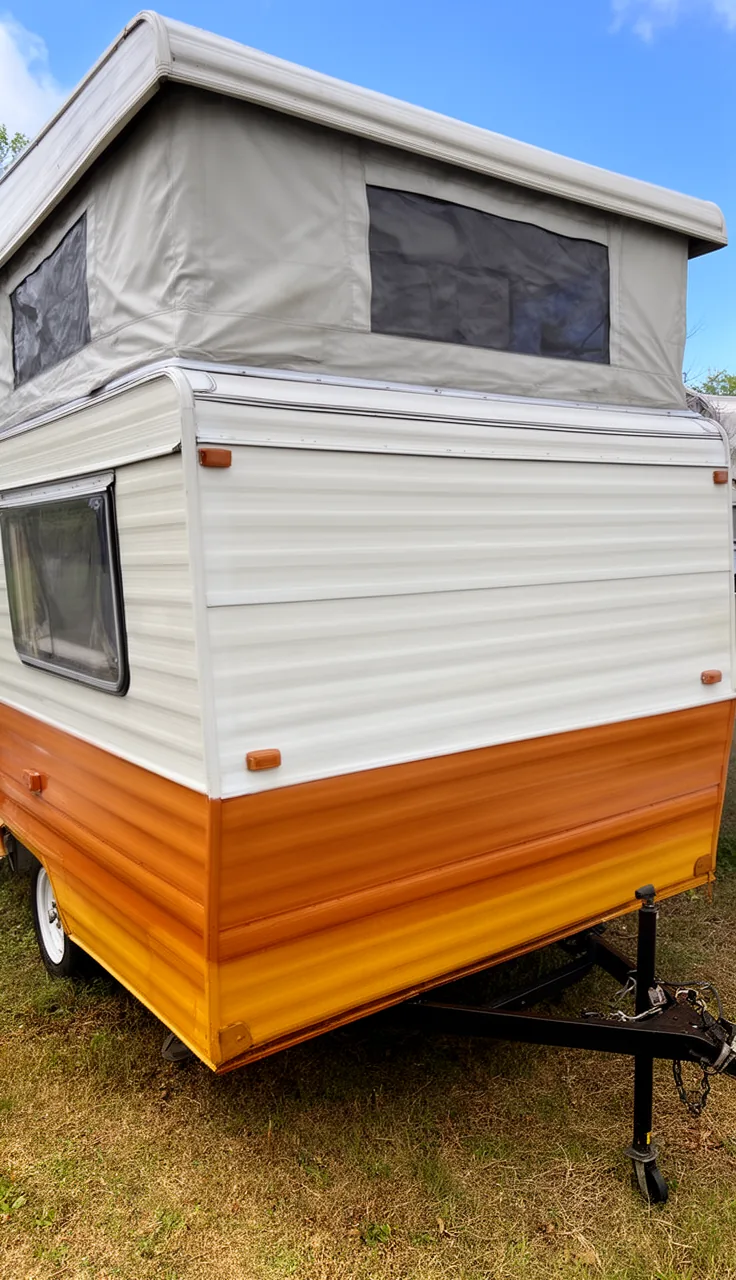
Pop-up campers have a small, boxy body that takes paint beautifully, so a fresh two-tone or bold accent color on the lower shell, paired with a clean canvas top, makes these pop-up camper exterior paint ideas some of the most rewarding for the least paint.
The little folding shell of a pop-up is the perfect low-stakes canvas, since the paintable body is small and simple. A crisp two-tone on the box, or one bold color with white trim, completely refreshes a tired pop-up in an afternoon. A friend of mine gave her faded pop-up a sage-and-cream makeover with barely a quart of paint, proving pop-up camper exterior paint ideas can deliver the biggest visual payoff per dollar of any rig out there.
Why It Works
- The small boxy body needs very little paint
- Two-tone or bold accent both suit pop-ups
- A clean canvas top keeps the whole look fresh
For the most change from the least paint, a pop-up refresh is wonderfully rewarding.
15. A Monochrome Blackout for a Sleek Modern Rig
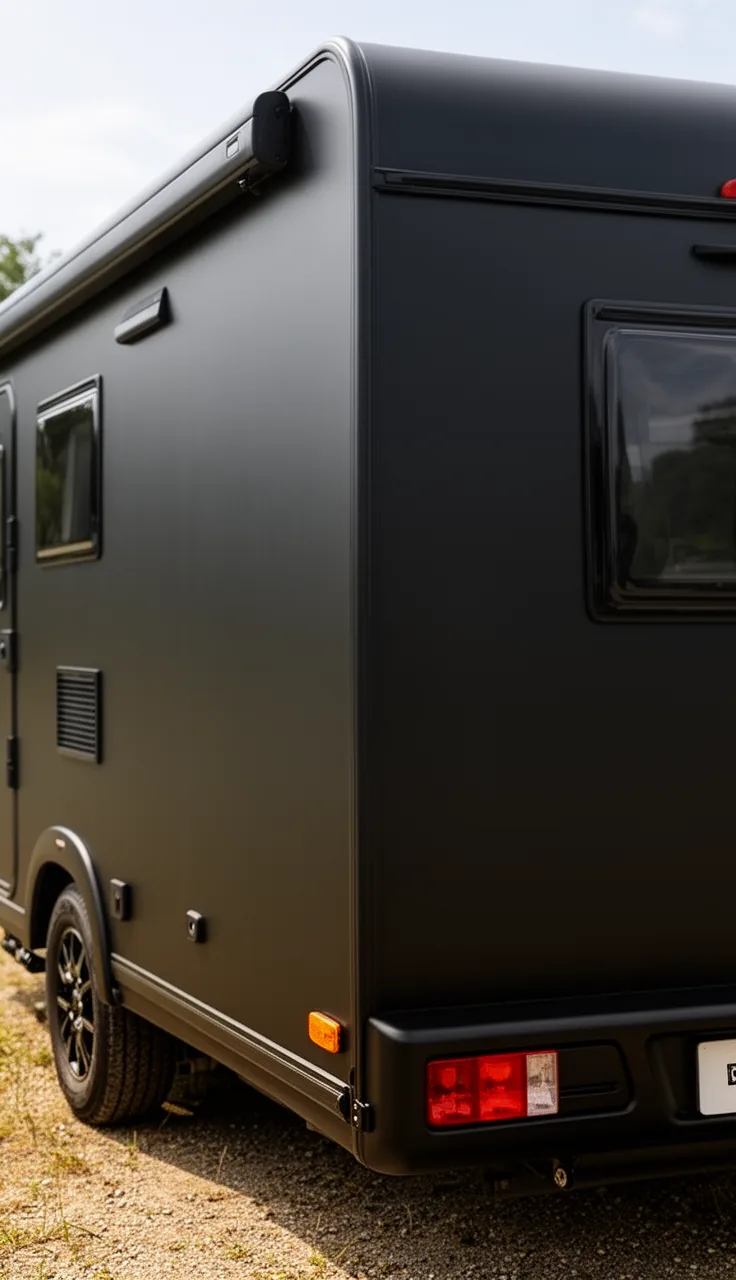 Shop this look: matte black paint
Painting the body, trim, and hardware all in one deep matte tone, usually black or graphite, gives a camper a sleek, modern, blacked-out look that feels expensive and cohesive, though it suits shady sites and cooler travel since dark bodies hold heat.
For a genuinely modern, minimalist rig, going fully monochrome is the boldest choice here. Painting the body, trim, and even the hardware in one deep matte graphite or black creates a unified, high-end look with no visual clutter at all. I’ve seen a blacked-out trailer that looked almost architectural next to the usual white boxes, though it is worth planning shady parking, since a dark exterior absorbs real heat in summer sun.
If this one speaks to you, you will enjoy the same sleek, modern direction in these modern camper remodel ideas, since they carry the same easygoing, characterful spirit.
Materials
- One deep matte tone for body, trim, and hardware
- A heat-reflective clear coat if you can find it
- Shady sites for hot-weather travel
For a sleek architectural look, a monochrome blackout is the boldest rig on the row.
16. A Sealant Topcoat to Protect the New Color
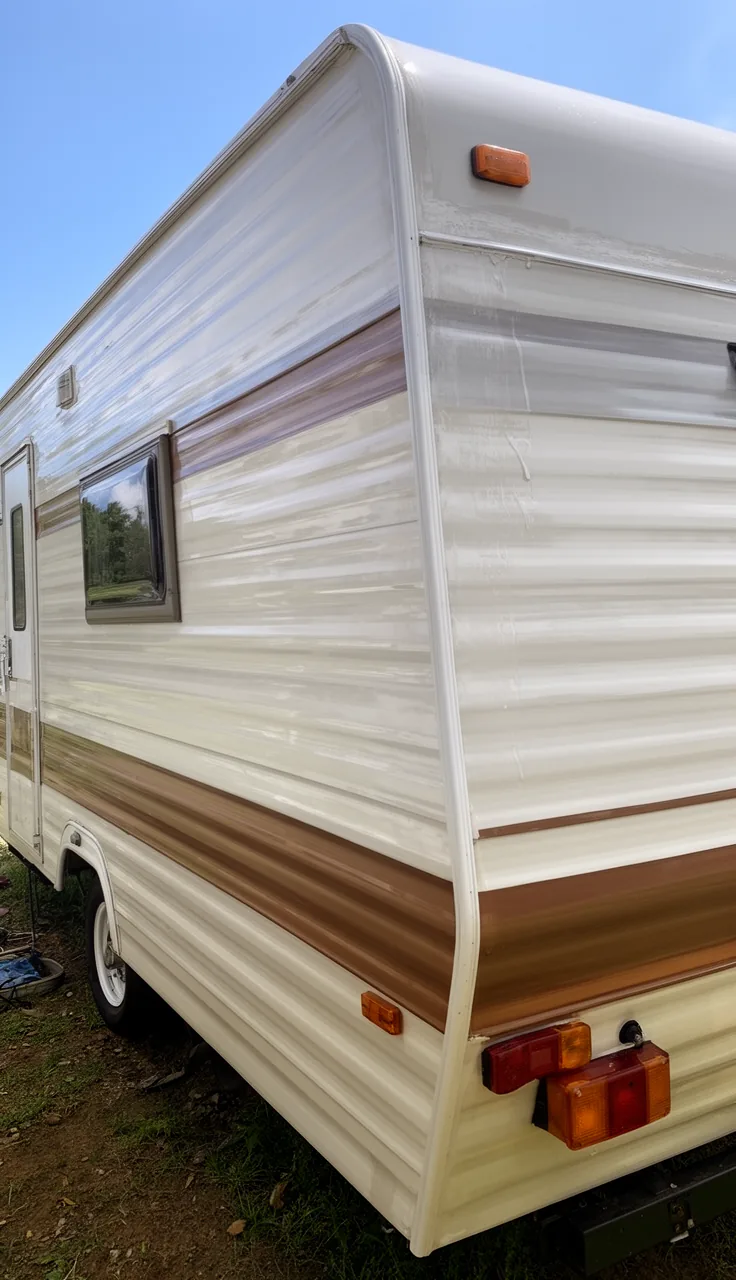 Shop this look: clear sealant
A clear UV-resistant sealant or clear coat over your finished color is the step that makes the paint job last, since it shields the color from sun fade, rain, and road chemicals and keeps that fresh-painted look going for years instead of months.
Once the color is on, one last coat protects everything you just did. A clear UV-resistant sealant or automotive-style clear coat shields the paint from relentless sun, rain, and road salt, all of which fade and dull an unprotected finish fast. From what I’ve gathered, skipping the topcoat is why some jobs look tired within a year, so treating the sealant as non-negotiable is the quiet key to a lasting exterior.
Why It Works
- UV sealant guards color against sun fade
- Sheds rain, dust, and road chemicals
- Keeps the fresh look for years, not months
For color that stays fresh season after season, a protective topcoat seals the deal.
17. Warm Terracotta and Rust for Southwestern Charm
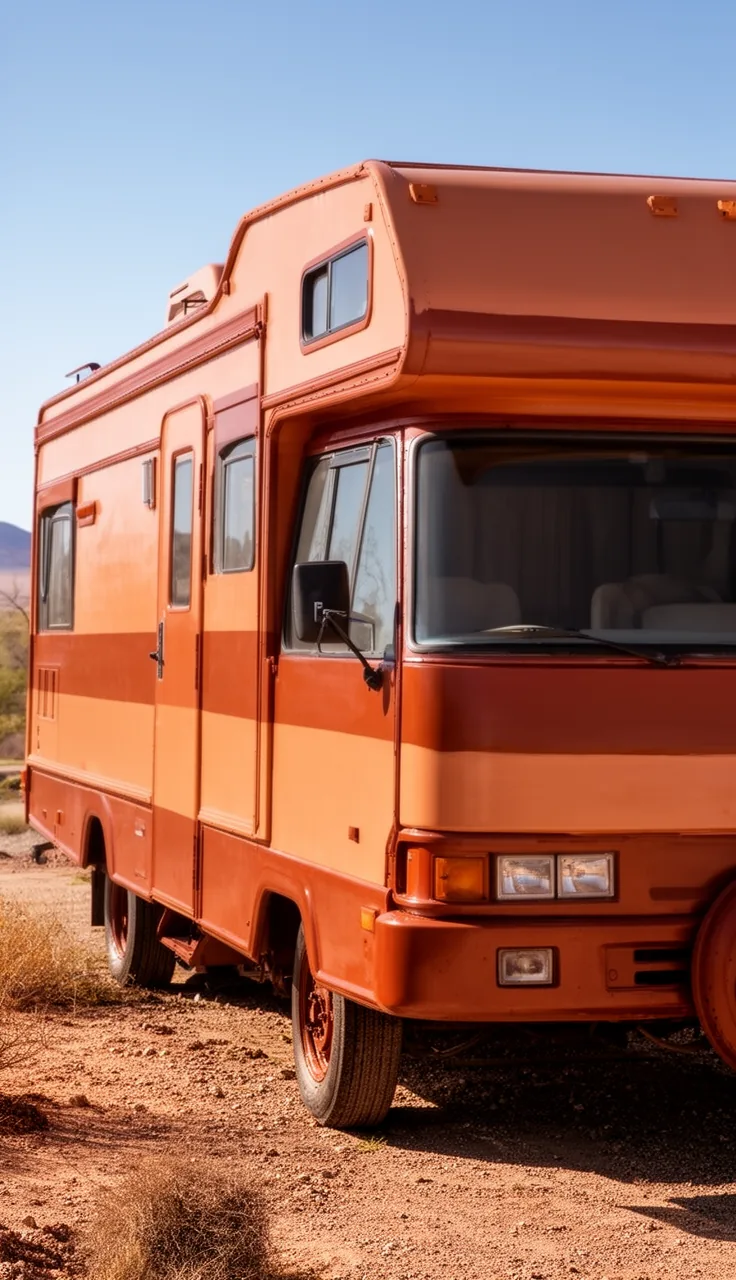
Leaning into warm terracotta, rust, and burnt-clay tones gives a camper a rich southwestern character that glows in golden light, and these deep warm colors feel especially at home on desert and canyon travels while hiding trail dust well.
For travelers drawn to the Southwest, a warm terracotta-and-rust palette feels like it was made for the landscape. Burnt clay, rust, and warm ochre give the rig a rich, sun-baked character that positively glows at golden hour. I remember a trailer in deep terracotta parked against red rock that looked absolutely at home, and the warm depth of these tones has the bonus of hiding the fine desert dust that would show on anything pale.
Materials
- Warm terracotta, rust, and ochre tones
- A matte finish to keep it earthy, not shiny
- Cream or wood accents to lift the warmth
For a rig that glows in desert light, warm terracotta and rust bring real southwestern soul.
Prep, primer, and finish steps that make the paint actually last →
 1 / 5
1 / 5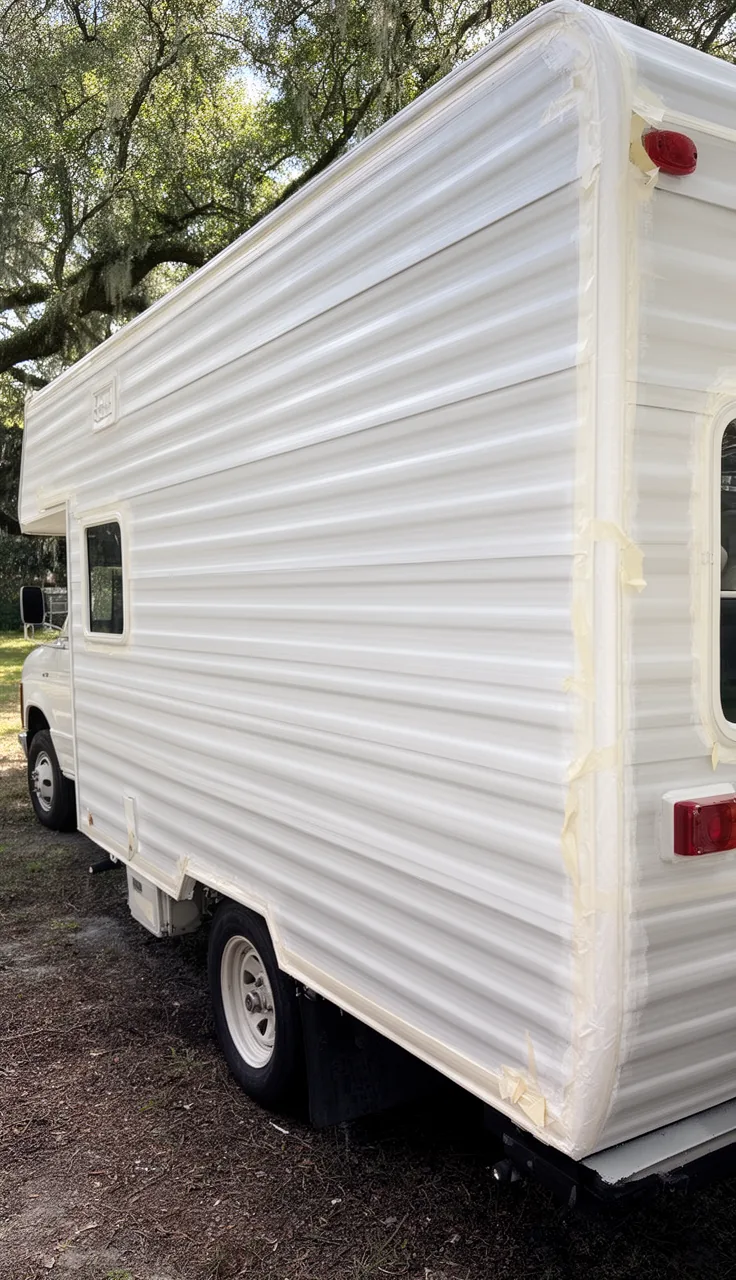 2 / 5
2 / 5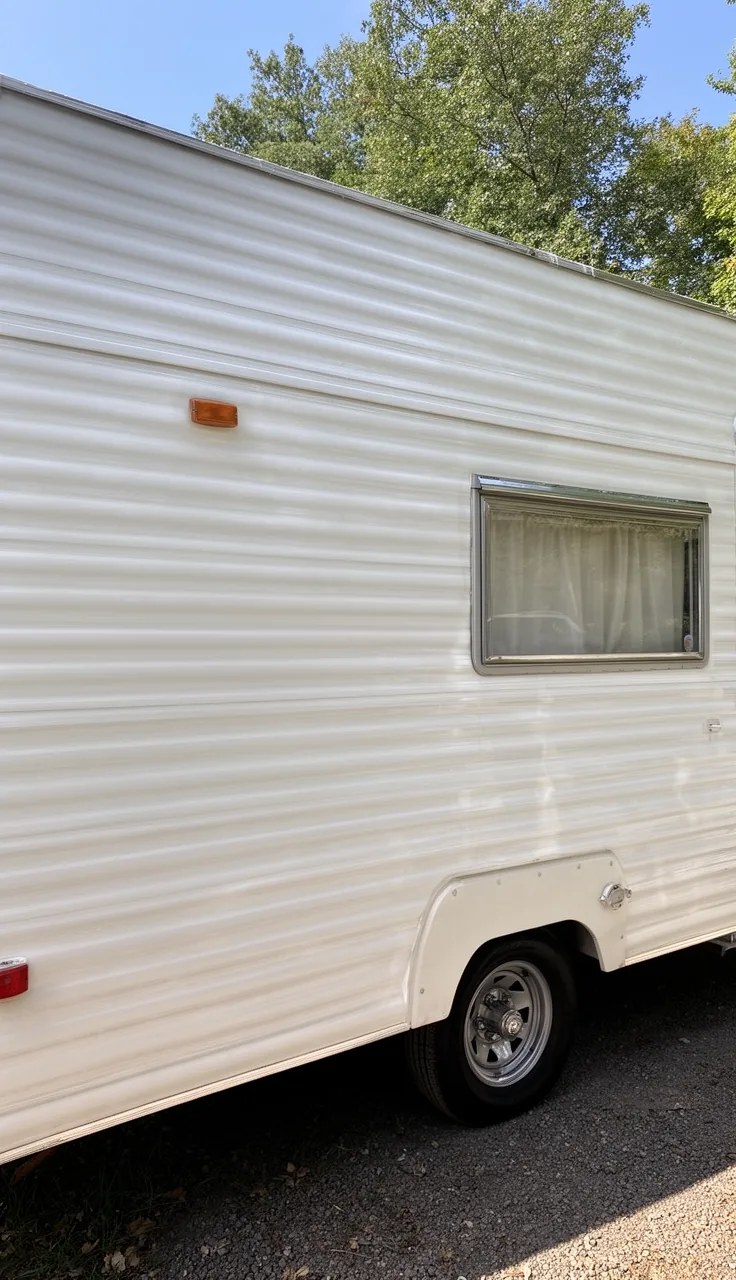 3 / 5
3 / 5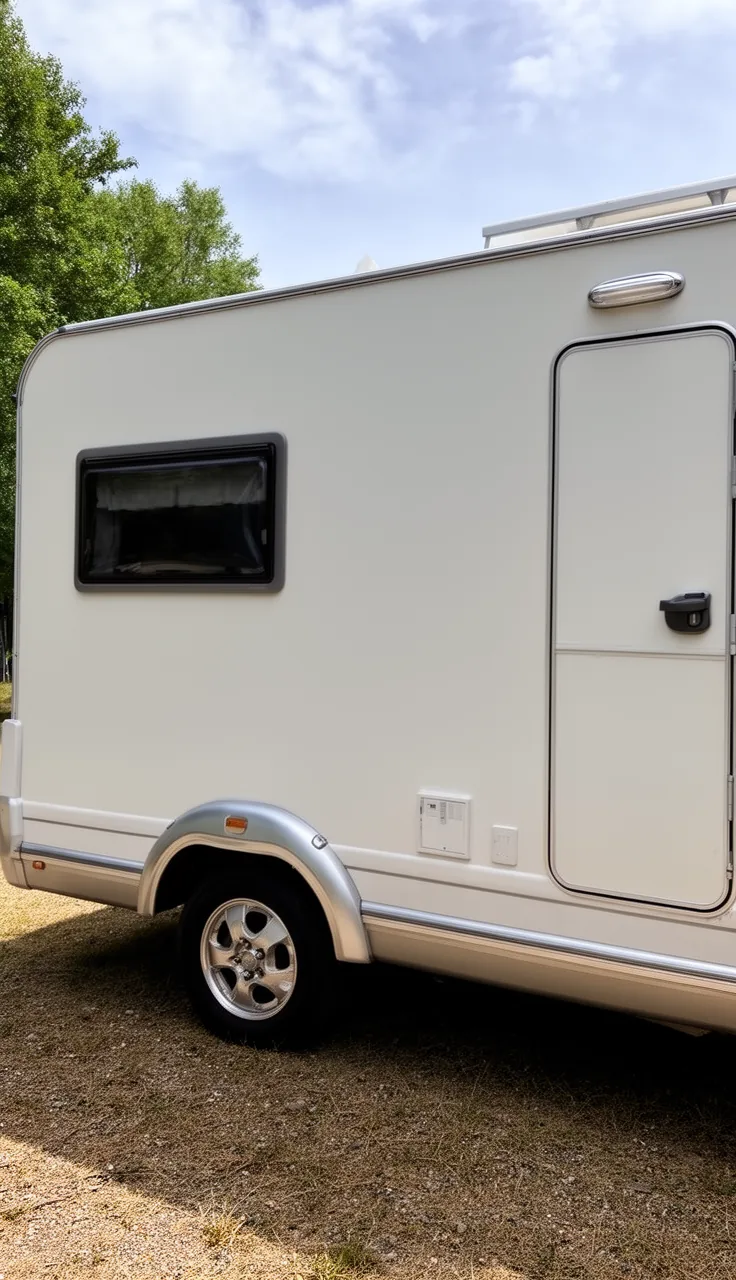 4 / 5
4 / 5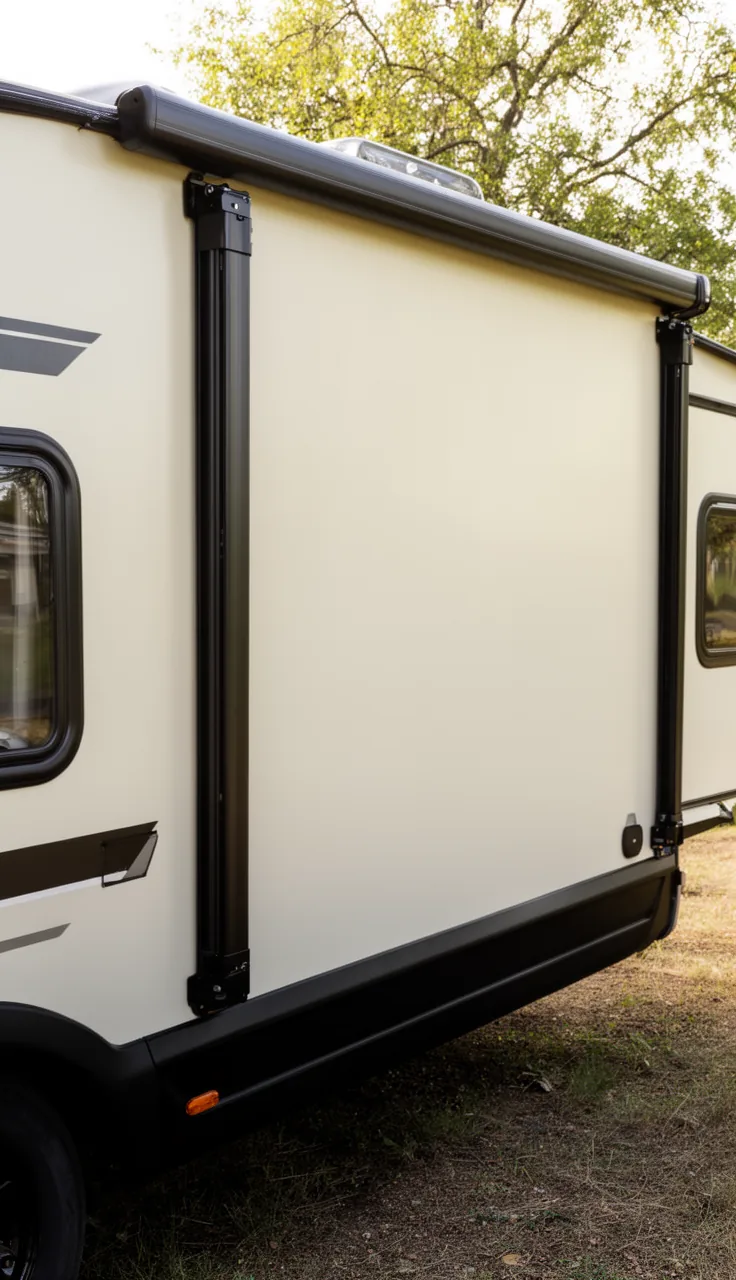 5 / 5
5 / 518. A Painted Faux-Wood or Woodgrain Panel Accent
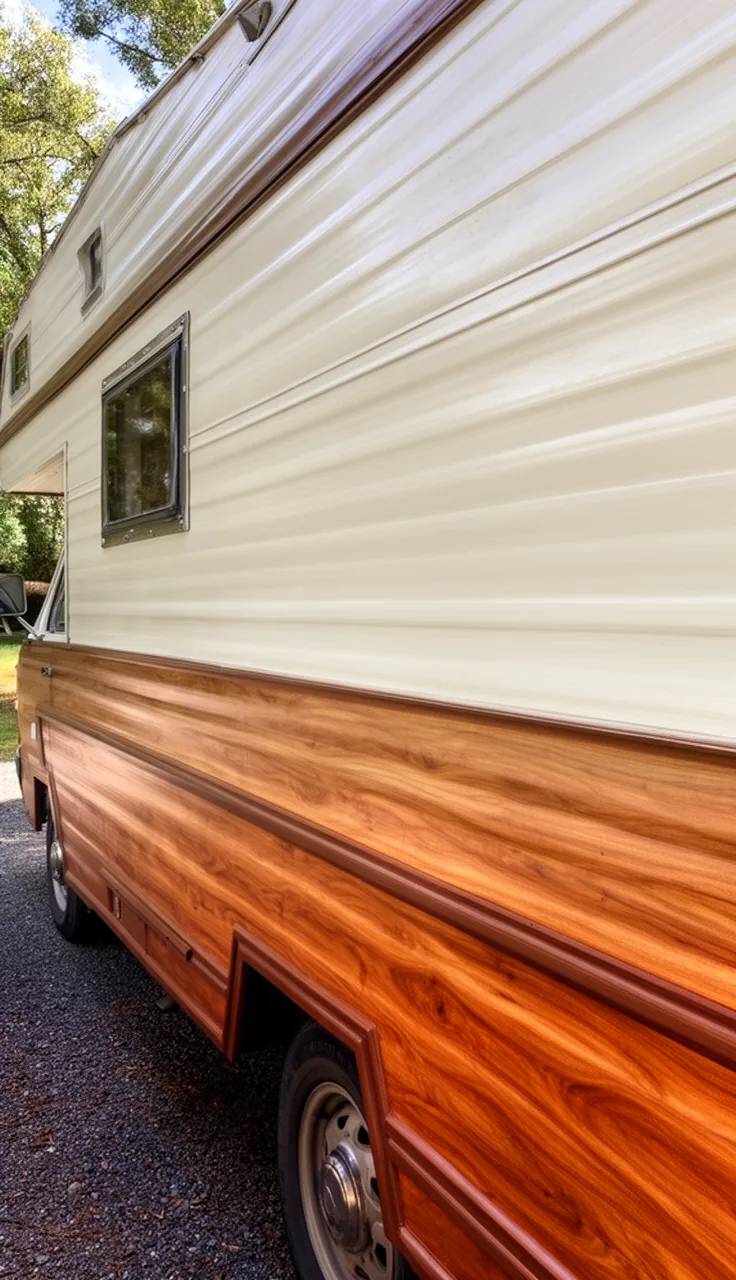 Shop this look: woodgrain paint kit
A painted faux-woodgrain panel along the lower body or around the entry adds warm, cabin-like character to a camper without the weight of real wood, and this classic detail nods to the woody station-wagon look that has always felt cozy and timeless.
There is something instantly cozy about a touch of wood on a rig, and a painted faux-woodgrain panel delivers that warmth with none of the real thing’s weight or upkeep. Running a woody band along the lower side or around the door nods to those classic woody wagons and vintage trailers. A friend of mine added a warm faux-wood panel to her plain white camper and it took the whole thing from generic to genuinely charming.
Why It Works
- Adds warm, cabin-like character to the body
- No weight or upkeep of real wood trim
- Nods to classic woody-wagon nostalgia
For cozy vintage warmth with no real wood, a painted woodgrain panel charms every time.
19. A Gradient or Ombre Fade Along the Body
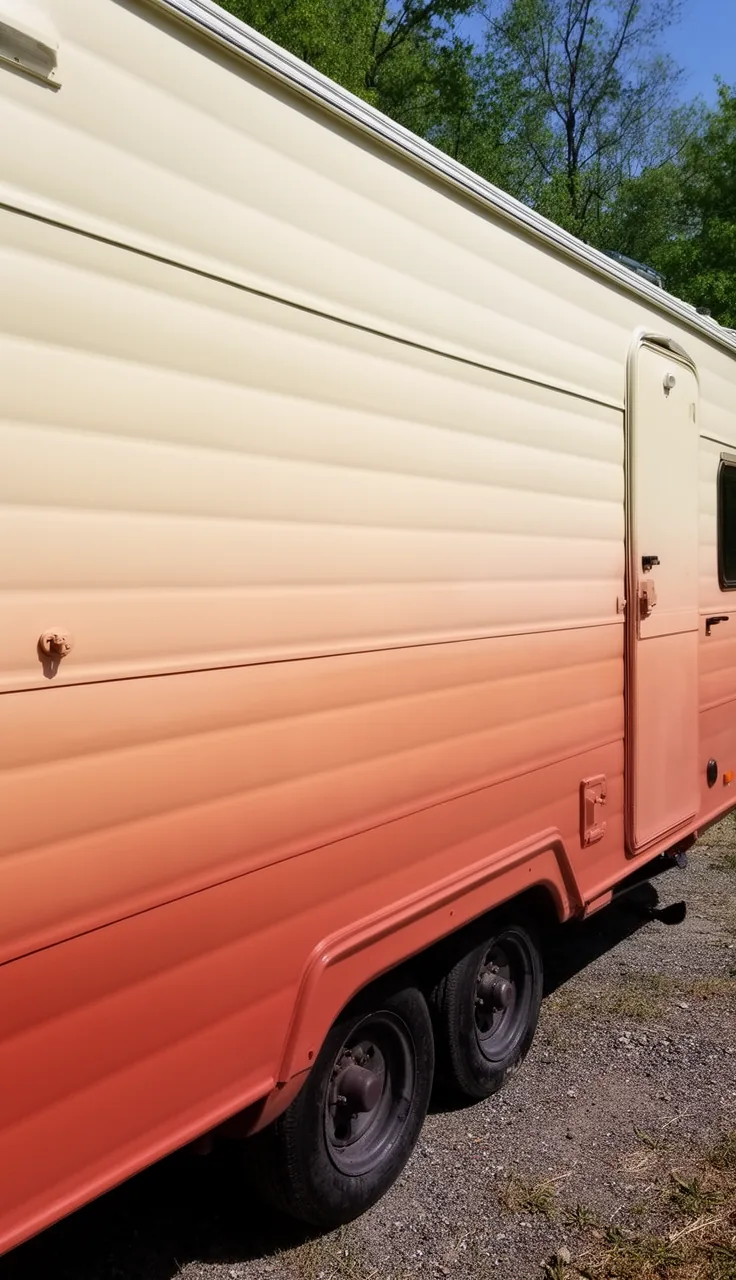 Shop this look: exterior spray paint
A gentle gradient that fades one color softly into another along the length of the body gives a camper a dreamy, custom look that feels artful without a full mural, and keeping the two tones close on the color wheel keeps the fade subtle and sophisticated.
A soft ombre fade is the middle ground between a plain color and a busy mural, and it looks genuinely custom. Blending one tone gently into another along the body, cream into terracotta, or blush into sand, gives the rig a dreamy, sunset-like quality. I keep coming back to gradients because they feel so artful, and the secret is choosing two colors that sit close together so the blend stays soft and sophisticated rather than jarring.
Materials
- Two close tones for a soft, subtle blend
- A spray setup for the smoothest fade
- A test panel to practice the transition
For a dreamy custom finish short of a mural, a soft ombre fade is quietly spectacular.
20. Refreshed Trim, Bumper, and Hardware in Black
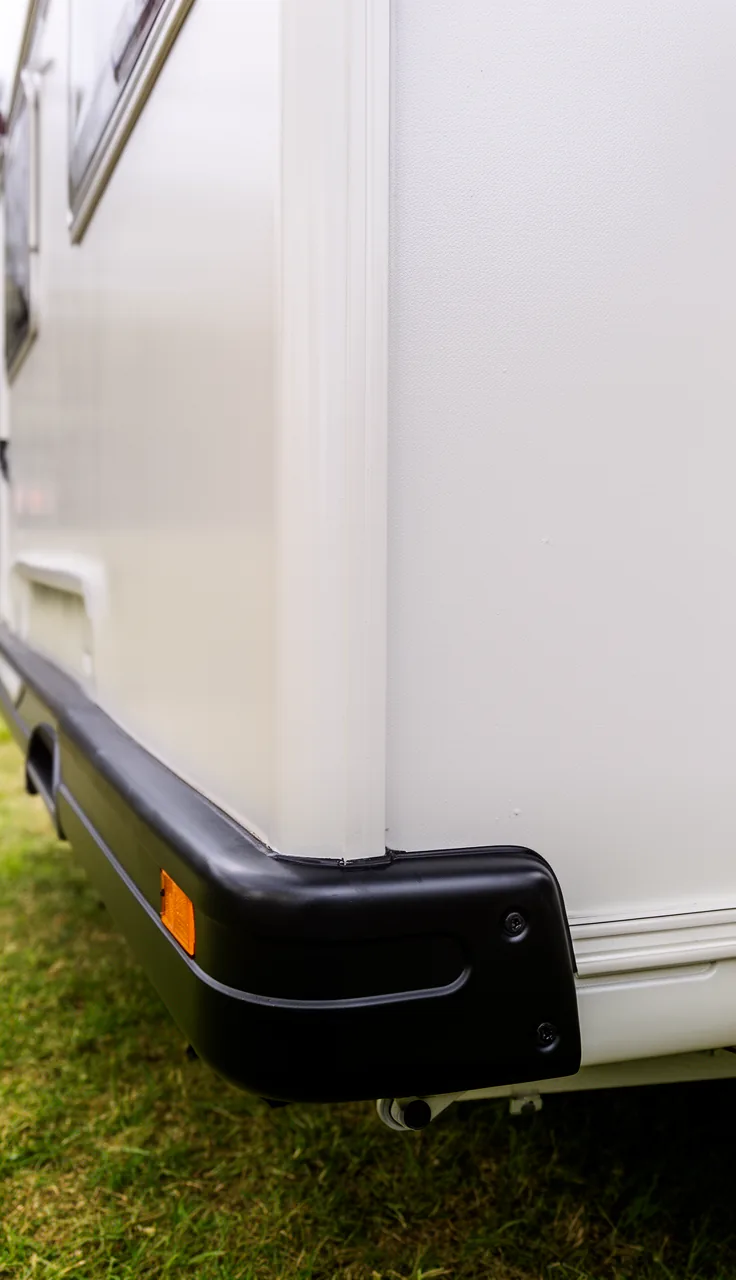 Shop this look: trim paint
Blacking out the tired trim, bumper, propane cover, and hardware against a light body is a small-effort detail that sharpens the whole exterior, since crisp dark hardware against pale paint looks deliberate and instantly hides years of scuffs and fading.
The trim and hardware age faster than anything on a camper, going chalky and gray long before the body does. Repainting the trim, bumper, propane cover, and step in a crisp black against a light body pulls the whole rig back together for very little paint. From what I’ve gathered, this small detailing pass is one of the highest-impact exterior camper paint ideas per dollar, since fresh dark hardware reads sharp and intentional every time.
Why It Works
- Crisp black hardware reads sharp and modern
- Hides chalky, faded trim and scuffs
- Tiny paint area for a big finished payoff
For a sharper rig with almost no paint, blacked-out trim and hardware do the trick.
21. A Cheerful Colorful Body for Full-On Personality
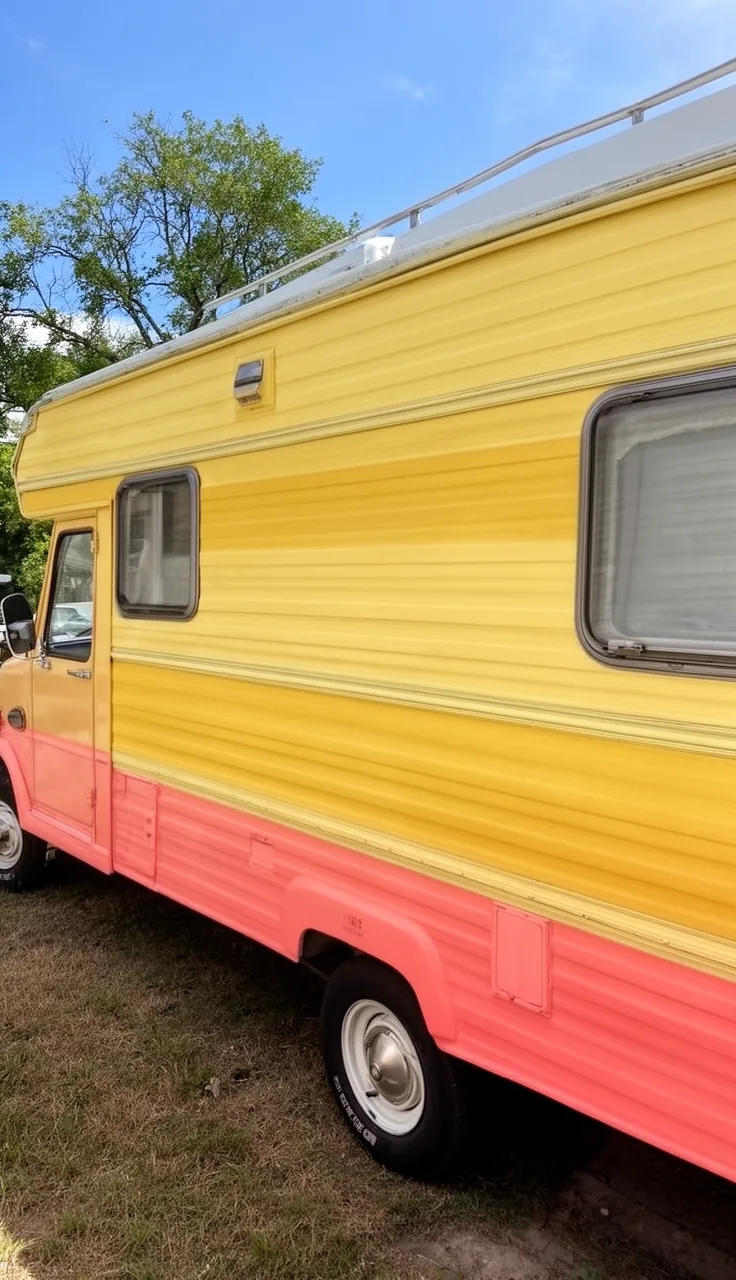
If subtle is not your style, a cheerful body color, warm butter yellow, soft coral, or sky blue, gives the whole camper a happy, unmistakable personality, and pairing the bright shade with plenty of white trim keeps it joyful rather than overwhelming.
Some rigs are meant to make people smile, and a cheerful body color does exactly that. A warm buttery yellow, a soft coral, or a friendly sky blue turns the camper into a little bundle of joy on wheels. I remember a butter-yellow trailer that made everyone at the campground grin, and the way to keep a bright color feeling happy rather than loud is to balance it with generous white trim and simple, clean lines.
Materials
- A warm, friendly bright: butter, coral, sky
- Plenty of white trim to balance the color
- Clean simple lines so it reads joyful, not busy
For a rig with full-on personality, a cheerful body color spreads smiles everywhere it goes.
Deep and moody exterior colors that give a rig real presence →
 1 / 5
1 / 5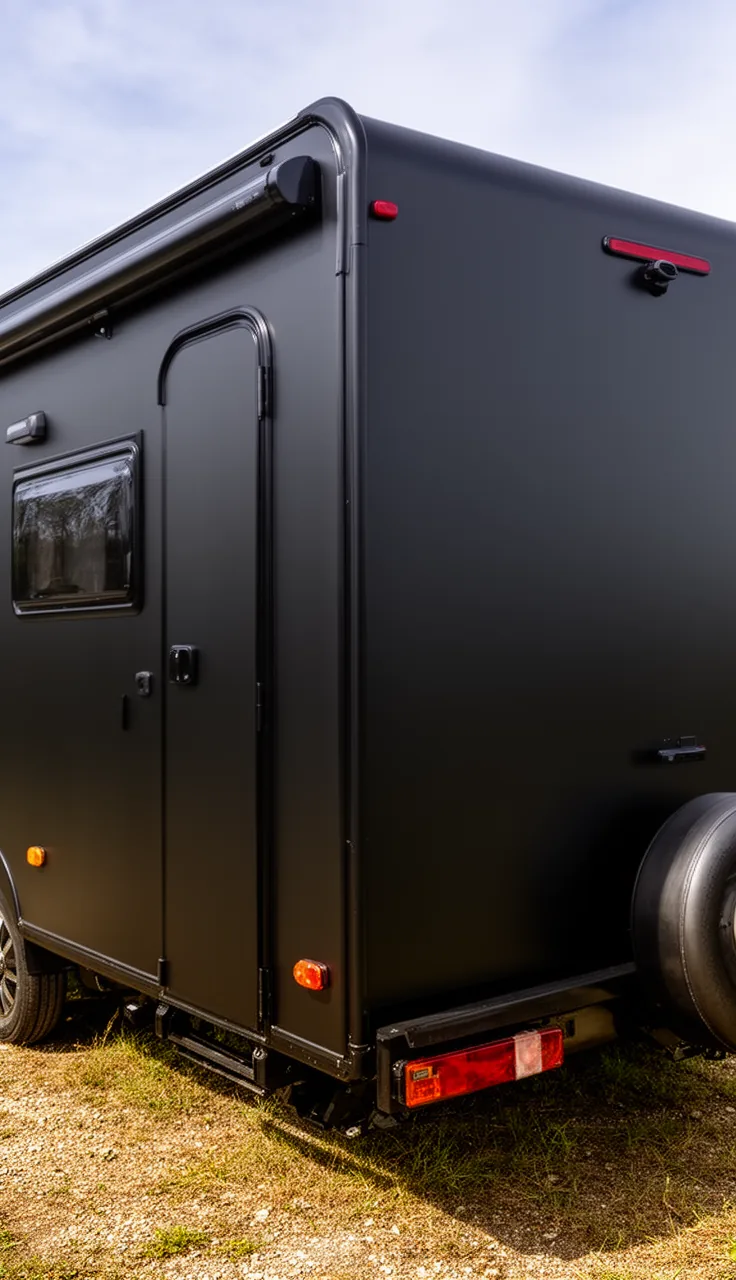 2 / 5
2 / 5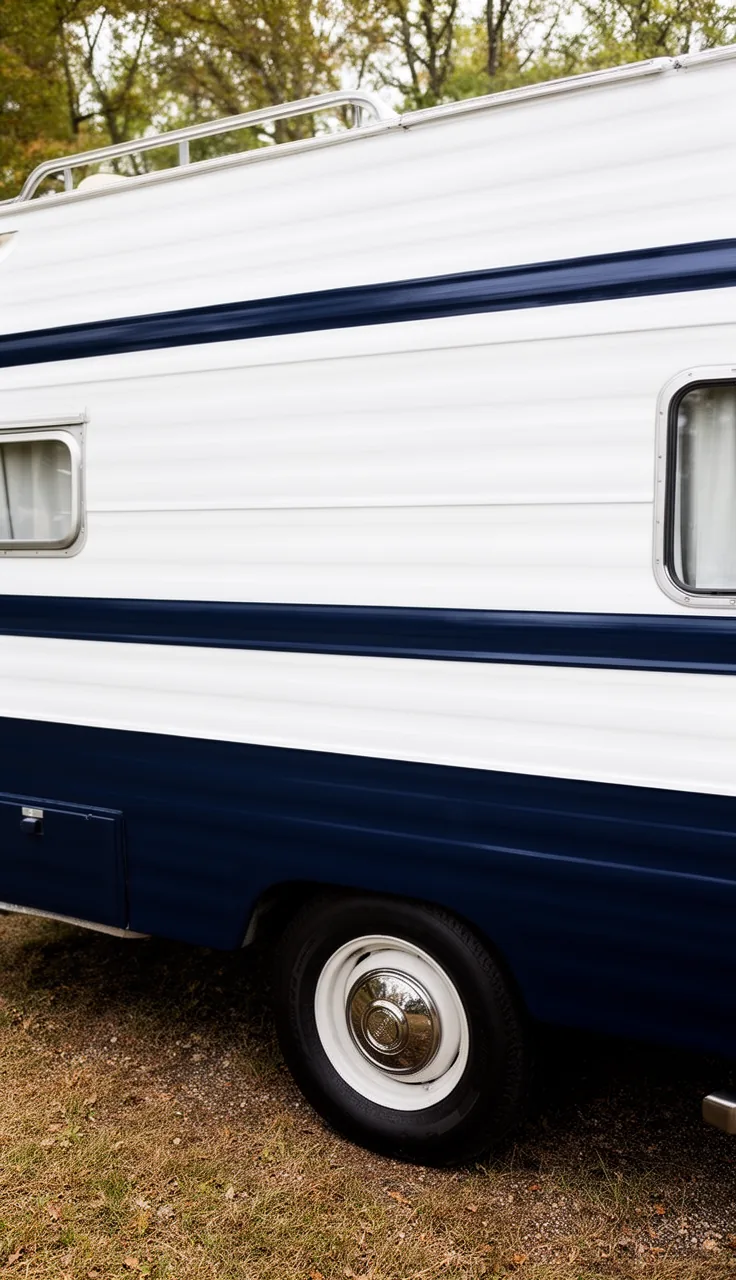 3 / 5
3 / 5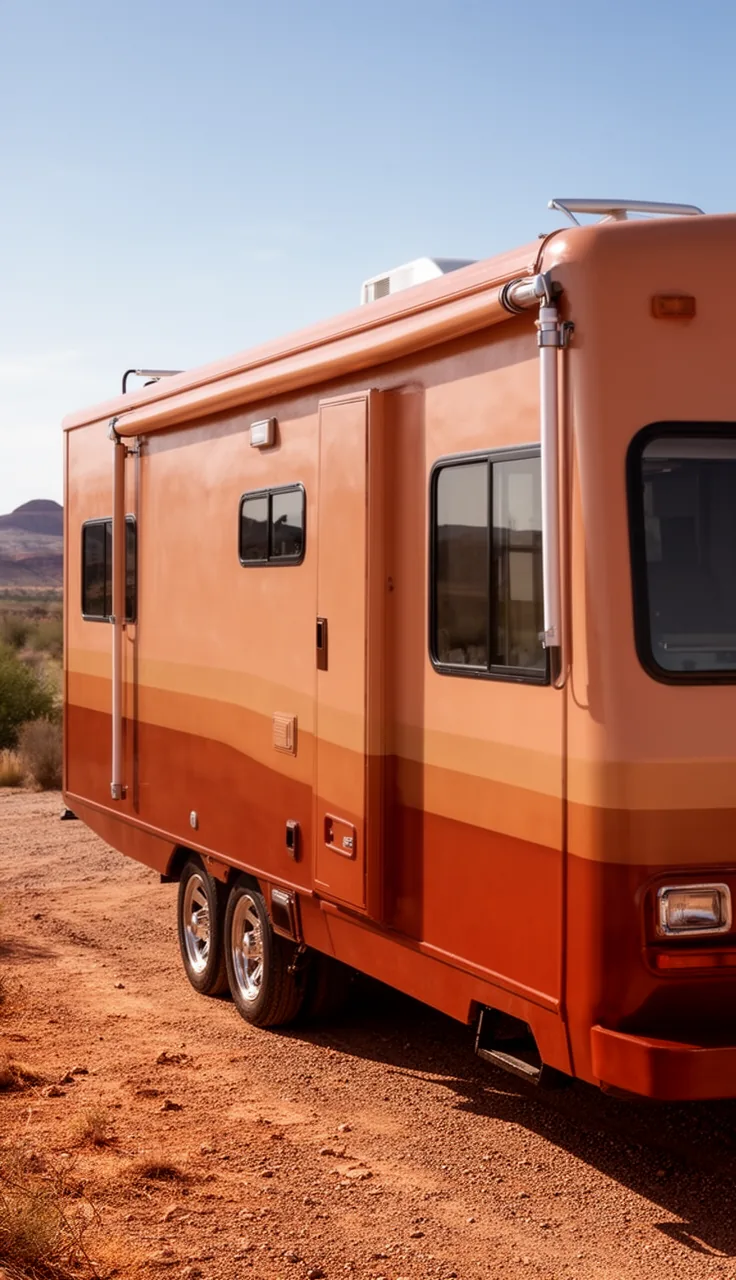 4 / 5
4 / 5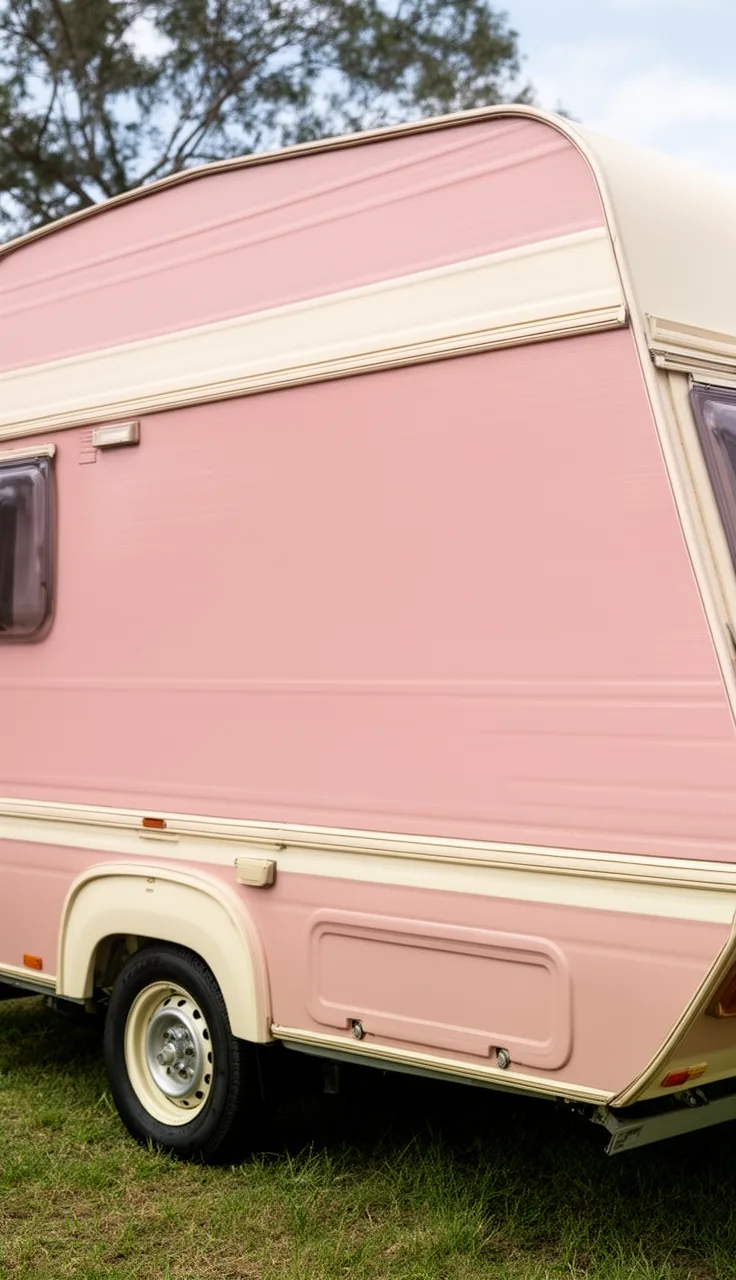 5 / 5
5 / 522. A Practical Guide to How You Paint the Exterior
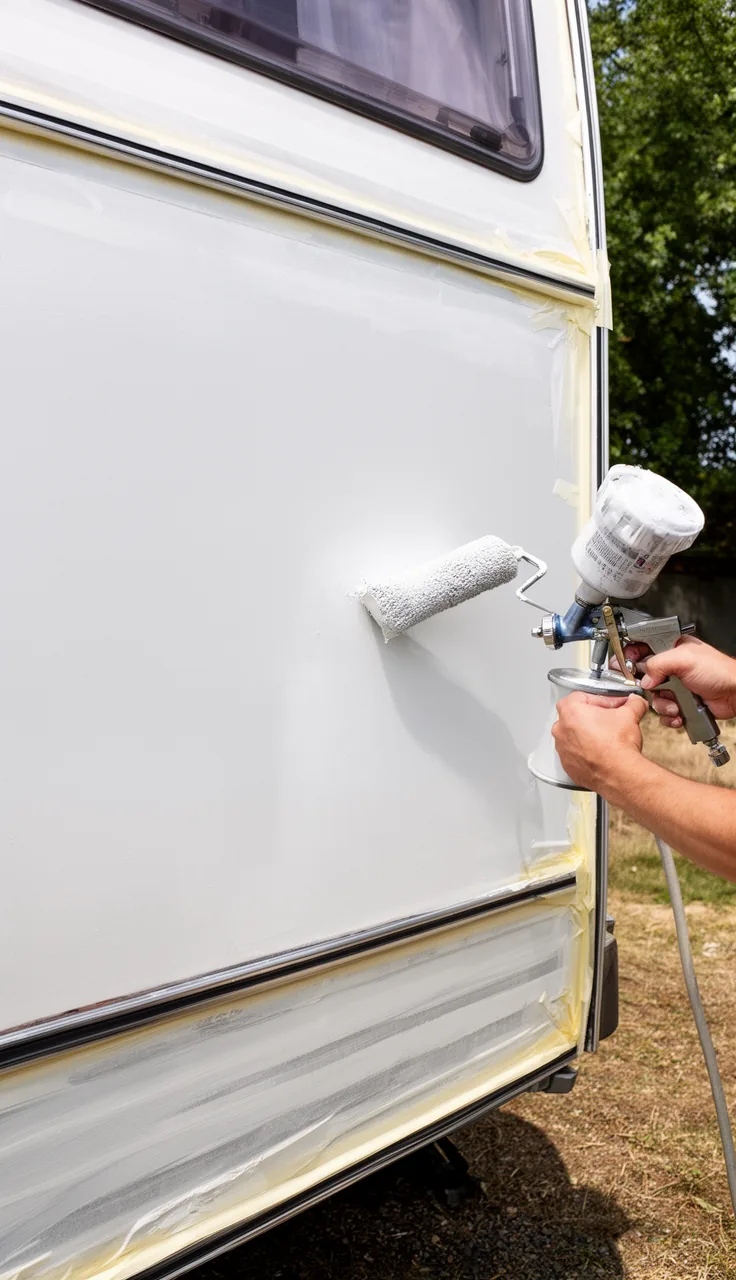 Shop this look: prep and masking supplies
Knowing how to paint a camper exterior well comes down to prep, primer, and patience: wash and lightly sand the body, mask every edge, prime for adhesion, then lay thin even coats of exterior paint, which is the order that separates a lasting job from a peeling one.
The color ideas matter, but the process is what makes them last, so it helps to know the order. You wash the rig thoroughly, scuff-sand for grip, mask every window and light, prime for adhesion, then apply thin, even coats rather than one thick one. From what I’ve gathered, most people who ask how to paint camper exterior surfaces underestimate the prep, when in truth the cleaning, sanding, and taping are exactly what make the finish smooth and long-lasting.
If this one speaks to you, you will enjoy the same budget-smart approach in these budget camper makeover ideas, since they carry the same easygoing, characterful spirit.
Why It Works
- Wash and scuff-sand so paint can grip
- Mask windows, lights, and trim edges
- Thin even coats beat one heavy pass
For a finish that truly lasts, patient prep and thin coats matter more than the color.
23. Nautical Navy and White for Classic Style
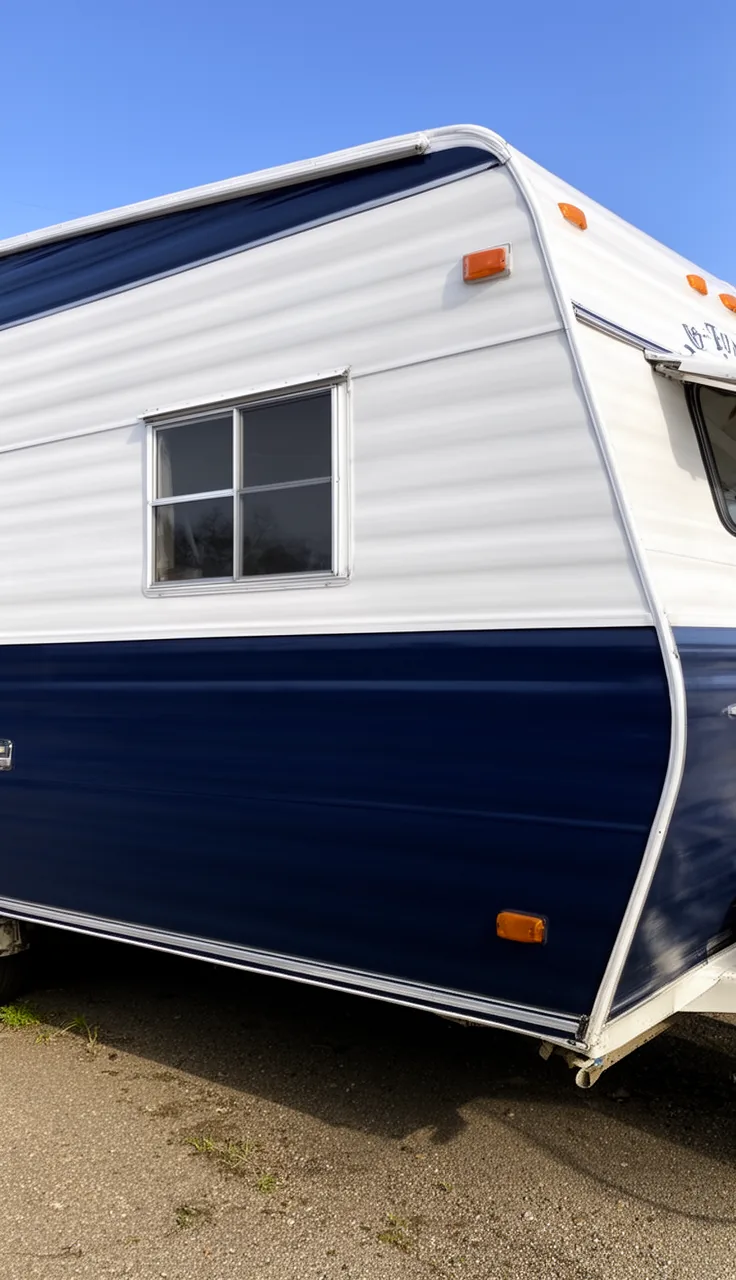 Shop this look: navy exterior paint
A crisp navy-and-white scheme gives a camper classic nautical style that never really dates, and pairing deep navy on the lower body with bright white above keeps the look sharp, classic, and endlessly easy to accessorize.
Navy and white is one of those combinations that simply always looks right, borrowing that clean, classic nautical confidence. Deep navy along the lower body with crisp white above gives the rig a sharp, tailored profile that never chases a trend. I’ve seen a navy-and-white trailer look just as smart parked lakeside as it did years later, since this palette has the kind of enduring staying power that trendier colors rarely match.
Materials
- Deep navy low, crisp white on the upper body
- A clean tape line where the two colors meet
- Brass or wood accents for warmth
For sharp, classic style, a nautical navy-and-white rig looks right in every setting.
24. Geometric Color-Block Panels for a Bold Statement
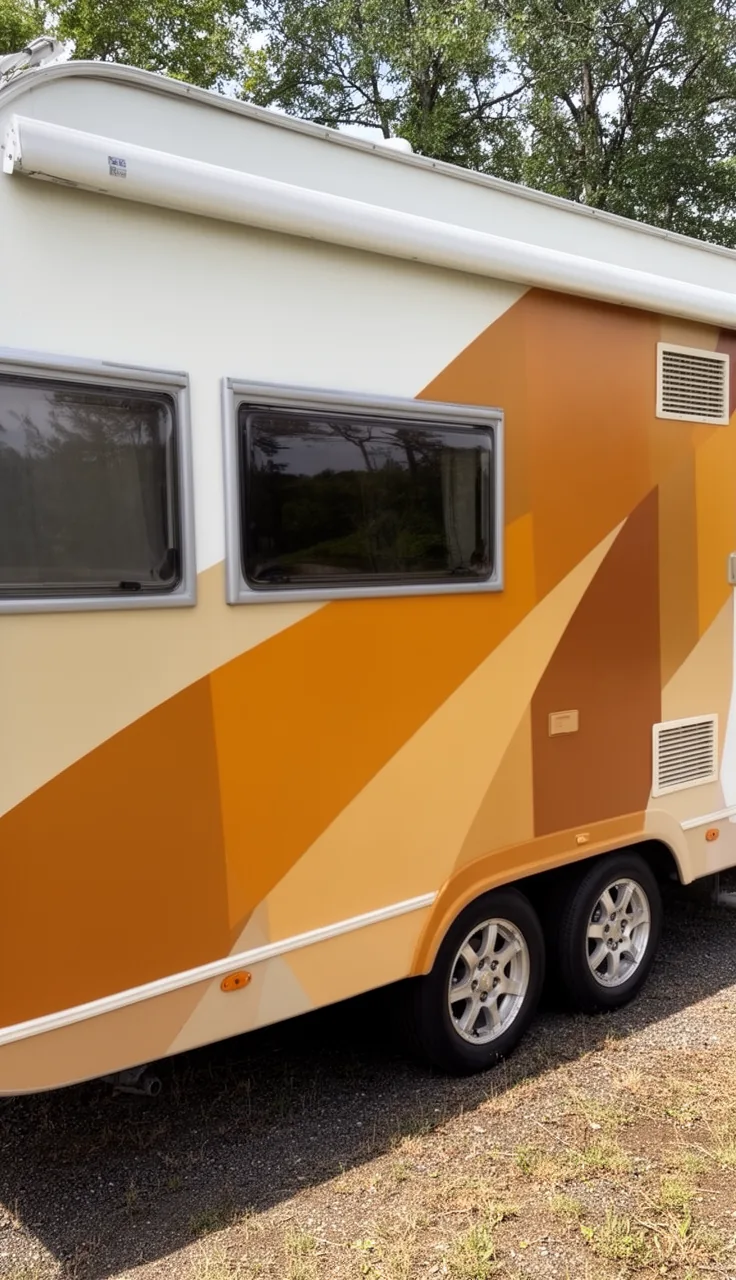 Shop this look: color-block supplies
Painting the side in clean geometric color blocks, triangles, arches, or angled panels in a few coordinated tones, gives a camper a bold, graphic, modern-retro look, and taping crisp edges is the whole secret to keeping these shapes looking sharp and intentional.
For a look that is playful yet modern, geometric color-blocking turns the side of a camper into graphic art. A few coordinated tones arranged in clean triangles, arches, or angled panels reads bold and contemporary with a retro wink. A friend of mine taped out a desert-arch color-block on her trailer and it looks like a design magazine cover, and the entire trick is patient, crisp taping so every edge stays razor sharp.
Materials
- A few coordinated tones, not too many colors
- Crisp painter’s tape for razor-sharp shapes
- Simple shapes: arches, triangles, angled bands
For a bold graphic statement, clean geometric color blocks make the side pure art.
25. A Soft Blush or Muted Pink for a Sweet Retro Rig
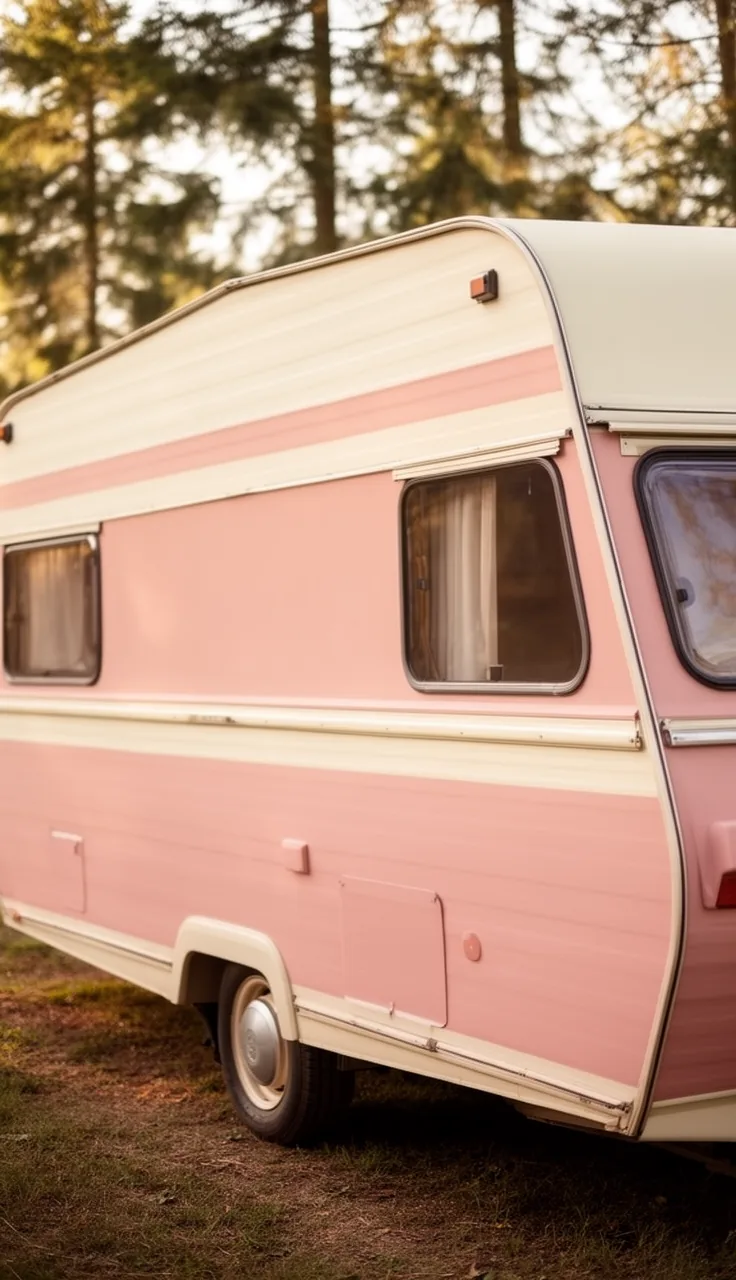 Shop this look: blush exterior paint
A gentle muted blush or dusty rose gives a vintage camper the sweetest retro charm without tipping into candy-bright, and pairing the soft pink with warm cream trim keeps it looking grown-up, timeless, and endlessly photogenic.
A soft blush camper has a way of stealing hearts, feeling both retro and grown-up when the pink stays muted. A dusty rose or warm blush over cream trim gives that classic vintage-trailer sweetness without veering into bubblegum. I keep coming back to muted blush because it photographs like a dream and feels grown-up rather than trendy, especially on the curvy body of an older camper where it looks utterly at home.
Materials
- A muted, dusty blush over candy-bright pink
- Warm cream trim to keep it grown-up
- A soft satin finish for a gentle glow
For a sweet retro rig with real charm, a muted blush and cream steal the show.
26. Reflective or Cool-Tone Paint to Beat the Heat
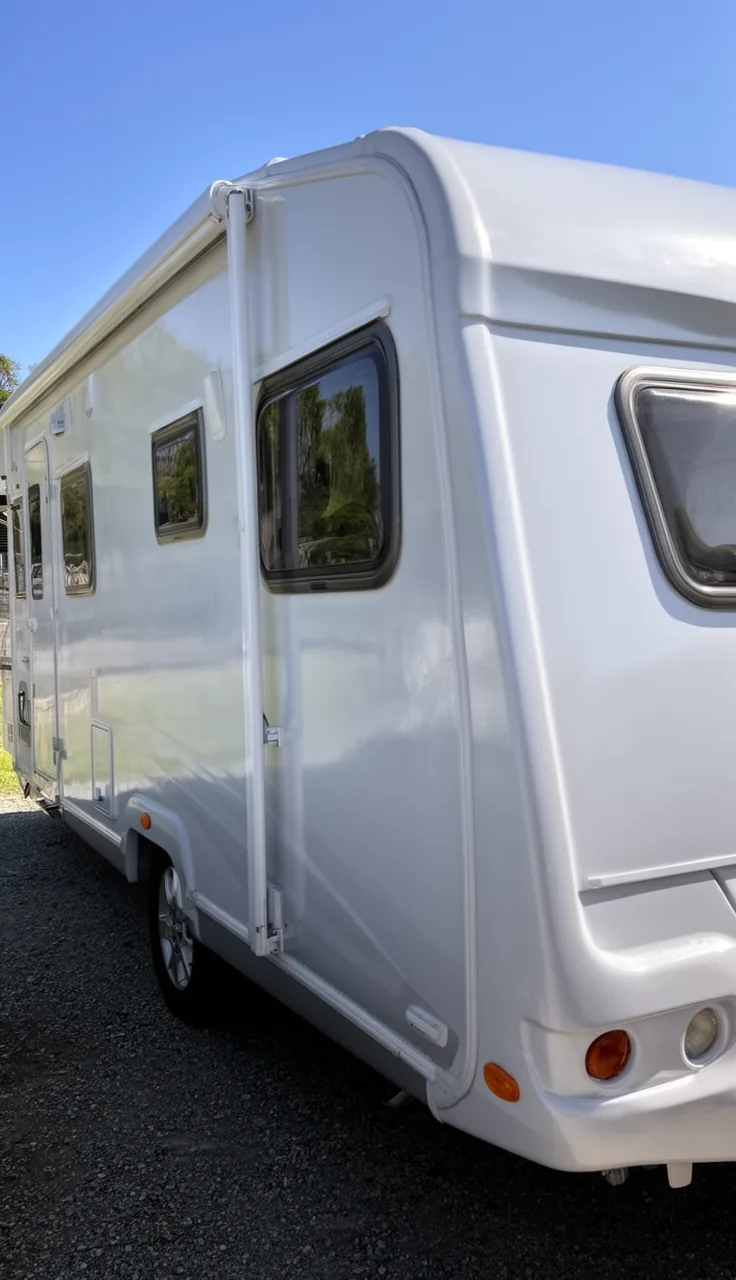
In hot-climate travel, a light reflective color does real work, since pale, cool-toned or heat-reflective exterior paint bounces the sun and keeps the interior noticeably cooler, making these practical shades one of the smartest exterior camper paint ideas for desert and summer camping.
Color is not only about looks, and in blazing sun a pale, reflective body pays off every single afternoon. Light cool tones, or a proper heat-reflective coating, bounce the sun away and keep the interior meaningfully cooler than a dark rig ever could. From what I’ve gathered from desert campers, choosing a reflective light exterior is one of the most practical paint decisions, turning a sweltering afternoon inside into a genuinely livable one.
If this one speaks to you, you will enjoy the same bright, airy feeling in these white camper interior ideas, since they carry the same easygoing, characterful spirit.
Why It Works
- Light, cool tones reflect the sun’s heat
- Keeps the interior noticeably cooler
- Heat-reflective coatings add extra help
For summer and desert travel, a cool reflective color keeps the whole rig livable inside.
Fully finished camper exteriors with a cohesive, pulled-together look →
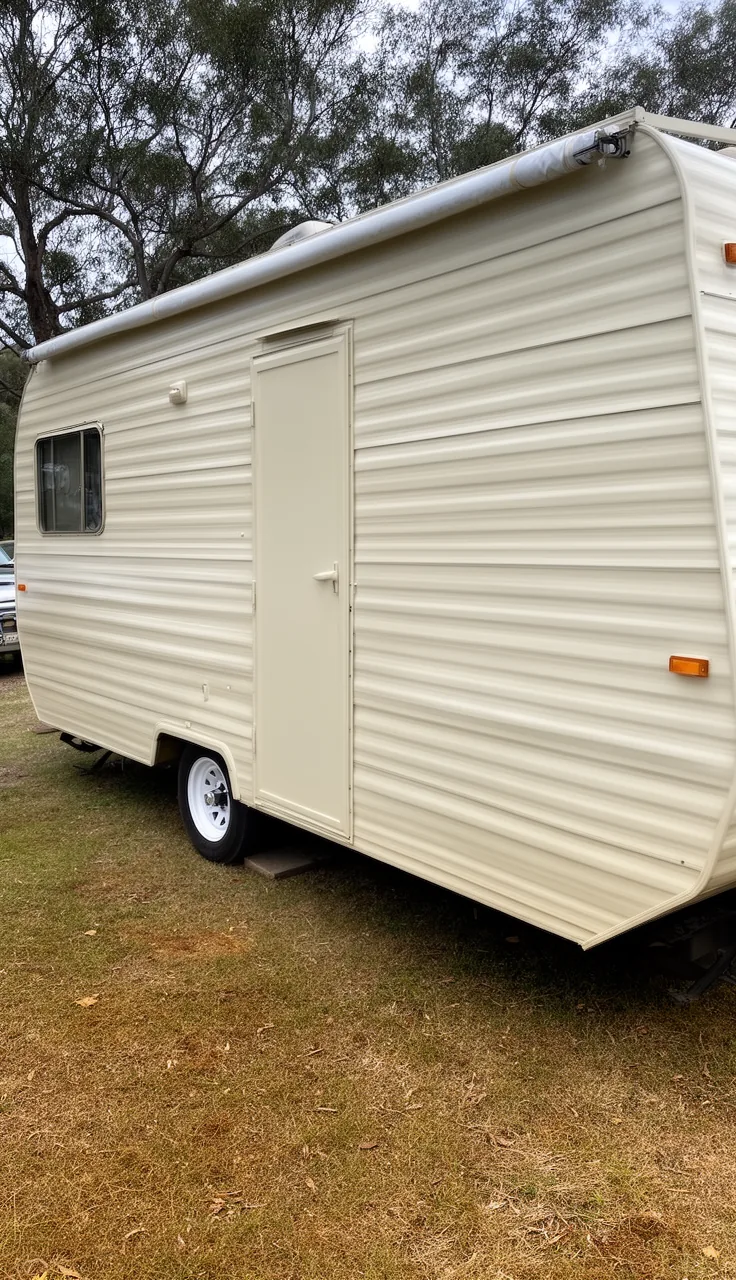 1 / 5
1 / 5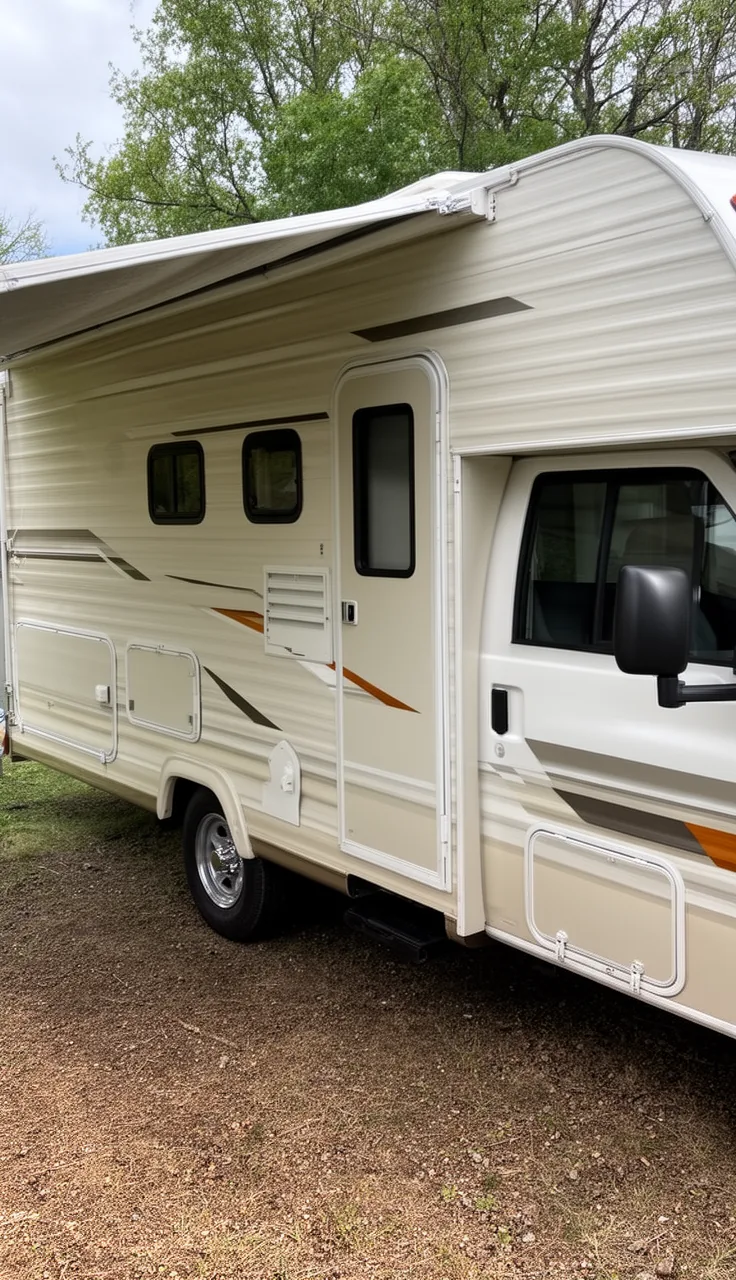 2 / 5
2 / 5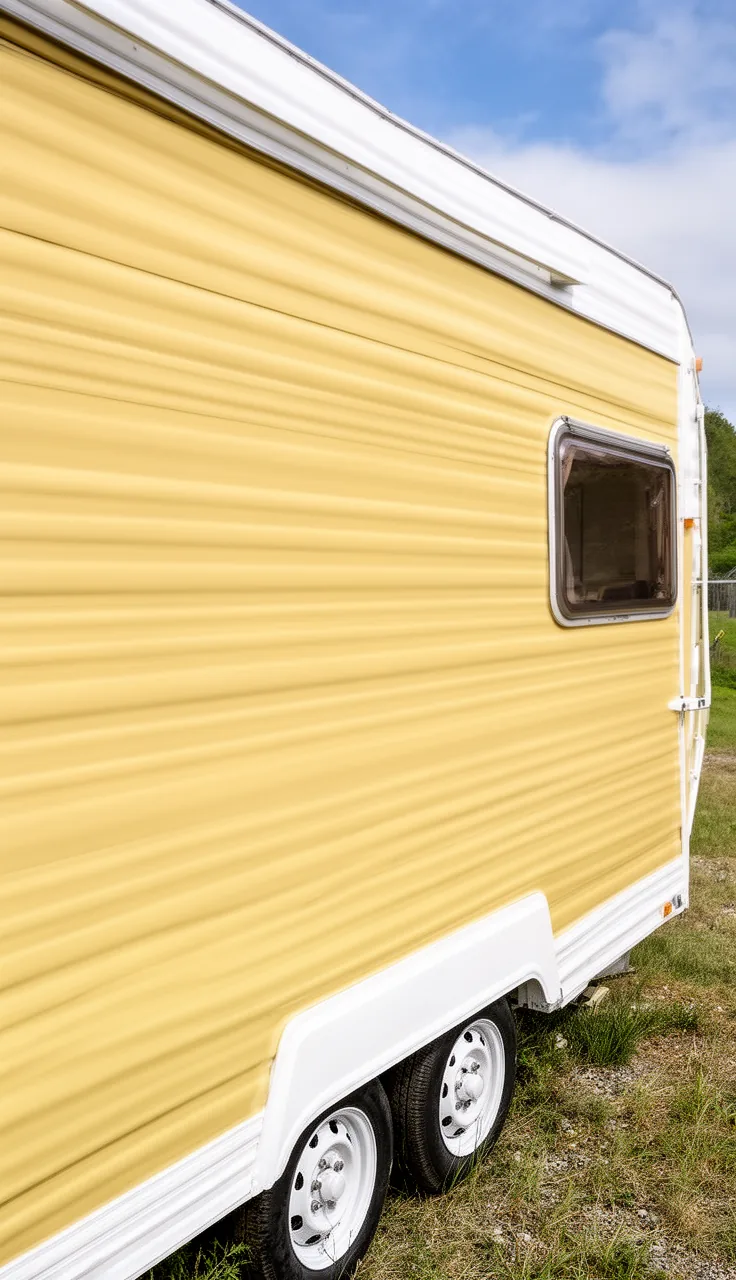 3 / 5
3 / 5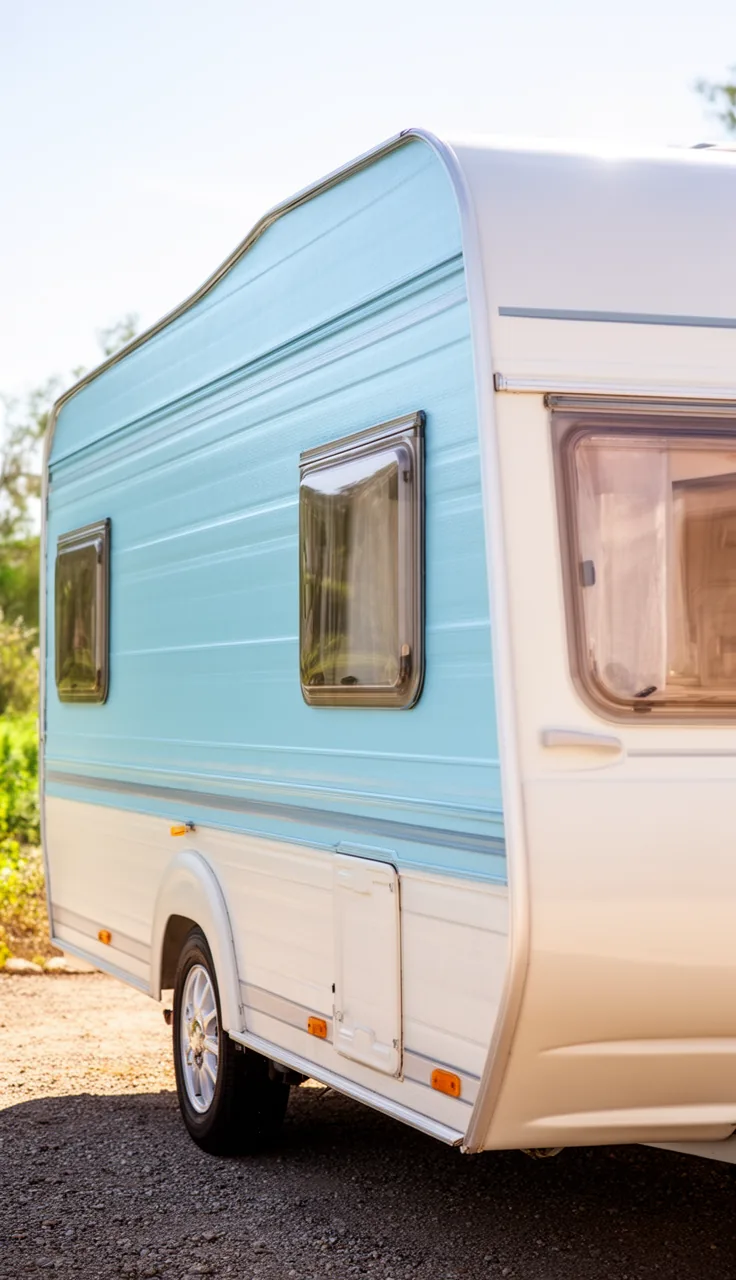 4 / 5
4 / 5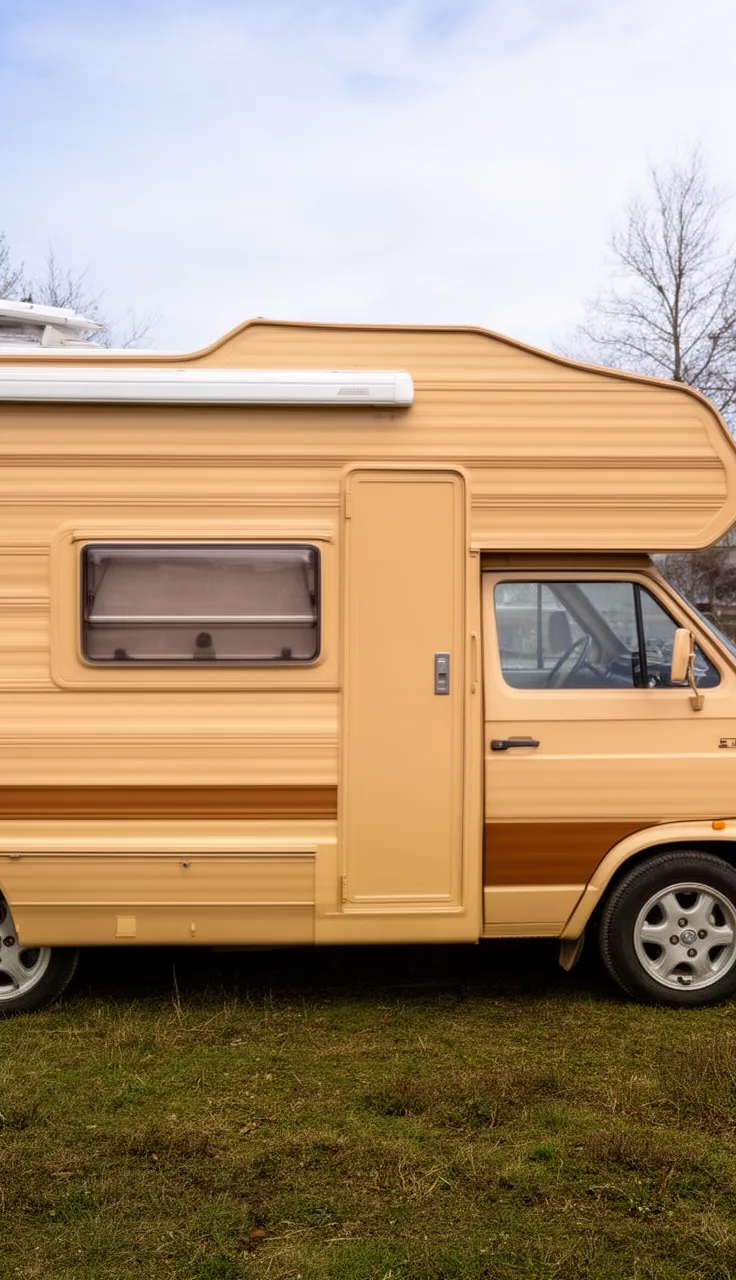 5 / 5
5 / 527. A Full Repaint for a Ground-Up Fresh Start
 Shop this look: full paint kits
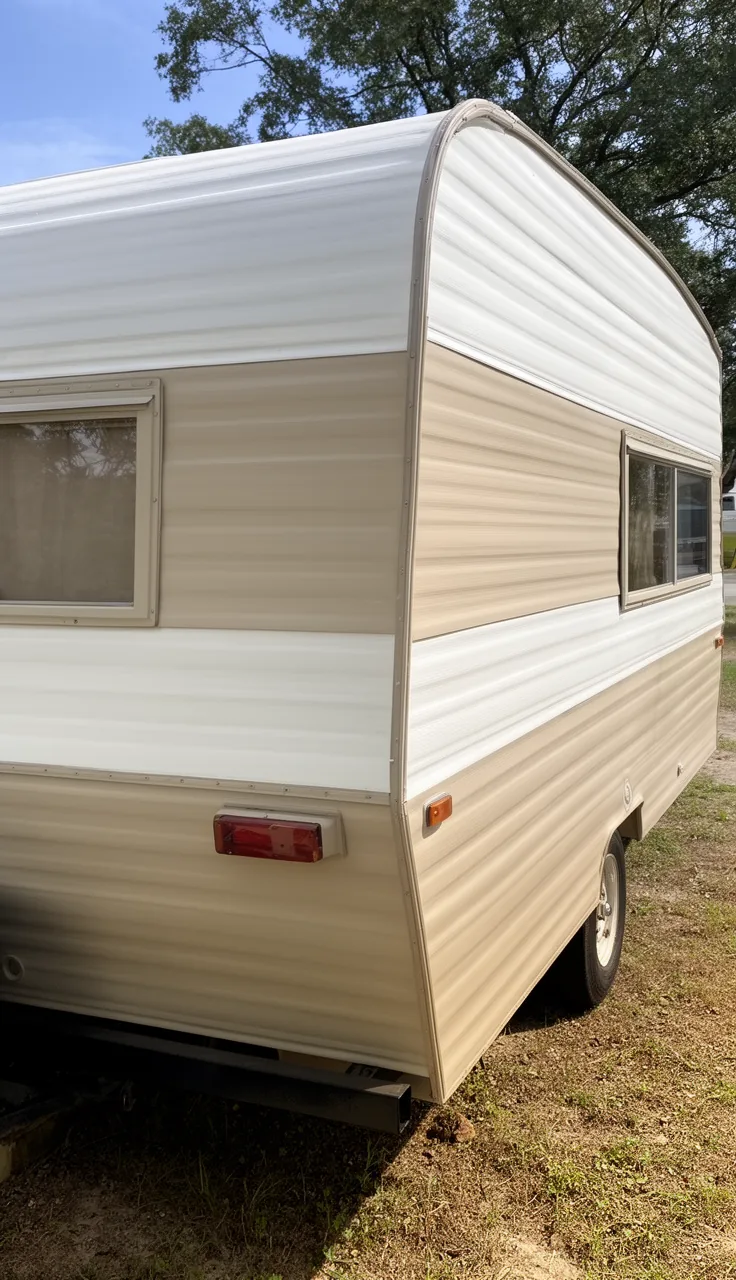
When the body is oxidized, mismatched, or covered in dated decals, nothing resets it like a full repaint, and stripping back to bare, priming properly, and coating the whole rig in one fresh color is the single most dramatic of all the camper exterior paint ideas.
Sometimes patchwork touches are not enough, and the whole faded, mismatched, decal-ghosted body needs a clean start. A full repaint, done properly with cleaning, sanding, primer, and even coats, resets everything and makes the rig look years younger. From what I’ve gathered, a complete exterior repaint is the biggest project here but also the most rewarding, since it erases every past mistake and gives you a true blank canvas to build a cohesive look on.
Why It Works
- Erases oxidation, mismatch, and old decals
- A cohesive single color reads brand-fresh
- The proper base for any accents you add later
For the most dramatic reset of all, a full repaint gives the whole rig a brand-new start.
28. Coordinated Awning, Wheels, and Accents
 Shop this look: coordinating accents
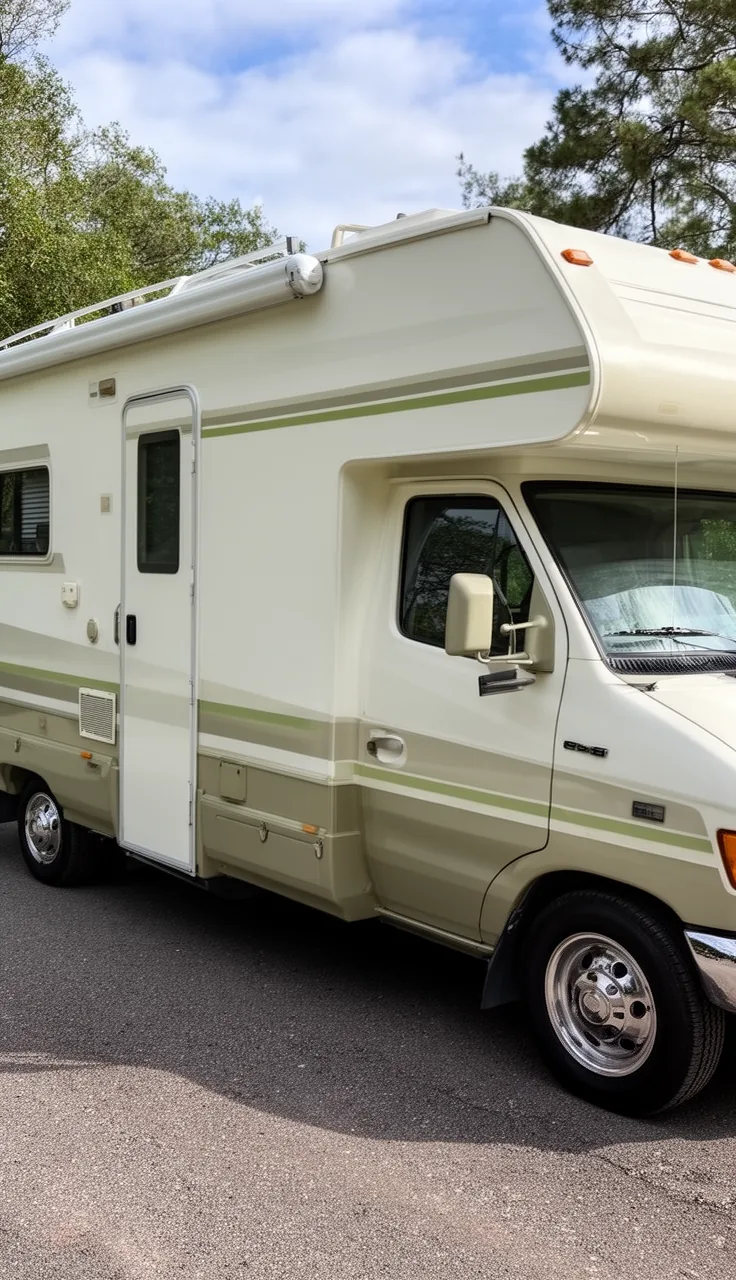
The finishing move that makes any exterior paint job look truly designed is coordinating the details, so choosing an awning, wheel color, and accents that echo your paint palette pulls the whole rig into one cohesive, intentional look instead of a patchwork.
A gorgeous paint job can still look unfinished if the awning, wheels, and accessories clash with it. The finishing step is pulling those details into the same palette, whether that means a coordinated awning stripe, painted or powder-coated wheels, or accents that echo your body colors. I love this last step because it is what makes a rig read as fully designed, tying every one of these camper exterior paint ideas into one intentional, cohesive whole.
Working with a small rig in particular?See how to decorate a small camper→Styling Notes
- Match the awning to your paint palette
- Coordinate or paint the wheels to suit
- Echo the body colors in small accents
For a rig that looks fully designed, coordinating every accent is the pulled-together secret.
29. Tie It Together with a Calm, Cohesive Color Story
 Shop this look: coordinating paint
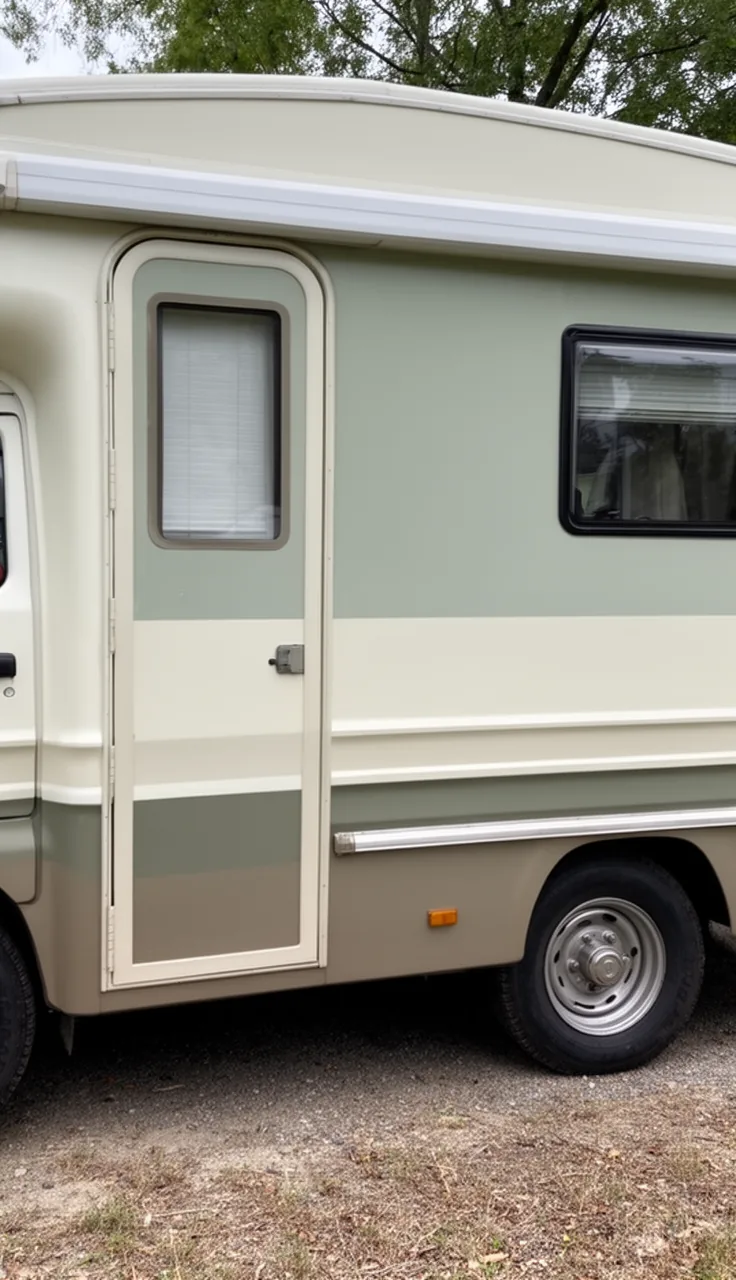
The touch that makes every other idea work is a single calm color story, so choosing two or three tones and repeating them across the body, trim, and accents makes even a plain camper exterior feel intentional, polished, and beautifully whole.
The gentlest way to finish any exterior is to commit to a simple, cohesive palette rather than a jumble of favorites. Pick two or three tones and echo them across the body, the trim, and a few accents, and the whole rig suddenly reads calm and designed. I keep coming back to this because a cohesive color story is what ties all these camper exterior paint ideas into one polished, standout rig you will be proud to park anywhere.
If this one speaks to you, you will enjoy the same calm, cohesive palette in these neutral camper interior ideas, since they carry the same easygoing, characterful spirit.
Styling Notes
- Choose two or three tones and stick to them
- Repeat them across body, trim, and accents
- Let one soft neutral carry the biggest surface
For an exterior that feels whole, a calm color story is the quiet secret behind it all.
Frequently Asked Questions
What kind of paint do you use on a camper exterior?
For a camper’s fiberglass or aluminum skin, you want a durable exterior or automotive-grade paint made to flex and resist weather, always over the right bonding or self-etching primer. Acrylic urethane and specialty RV exterior paints hold up well to sun and road grit. The single most important part of the best paint for camper exterior work is the prep and primer underneath, since that is what keeps the color from peeling.
How do you paint a camper exterior so it lasts?
Prep is everything. Wash the rig thoroughly, scuff-sand the surface for grip, mask off every window, light, and trim edge, then apply a bonding primer before your color. Lay down thin, even coats rather than one thick pass, and finish with a clear UV sealant. Anyone asking how to paint camper exterior surfaces well should remember that the cleaning, sanding, and priming matter far more than the brand of paint.
Can you paint over old camper decals and stripes?
You can, but you should remove or scuff down old decals first for a smooth finish, since painting straight over raised graphics leaves ghost lines showing through. A heat gun and a plastic scraper lift most vinyl, then clean off the adhesive, sand lightly, and prime. Starting from a clean, even surface is what makes fresh camper exterior paint ideas look professional instead of patchy.
What are good camper exterior paint colors for a vintage look?
Warm, muted tones carry that classic road-trip charm best. Think cream paired with mustard, teal, or rust, soft sage and cream, or a muted blush with warm trim. These gentle, slightly retro palettes are the heart of most vintage camper exterior paint ideas, and keeping them muted rather than bright is what makes an older rig look timeless instead of costume-y.
What is the best exterior paint for a pop-up camper?
Because a pop-up has a small, simple shell, a quality exterior or acrylic urethane paint over a bonding primer covers the whole box in very little product. A two-tone scheme or one bold accent color with white trim refreshes it beautifully. These pop-up camper exterior paint ideas deliver a big change for a small amount of paint, as long as you prep the surface and prime it properly first.
Give Your Rig an Exterior You Are Proud to Park
When it comes down to it, the best of these camper exterior paint ideas are the ones that suit your rig, your travels, and your climate. Whether you go with a crisp two-tone body, warm desert earth tones, a sweet retro stripe, a bold painted mural, or a full ground-up repaint, giving the exterior fresh color and a little intention is the surest way to fall in love with your camper all over again. Prep it well, pick a palette you adore, and enjoy every second glance it earns at the campground. Happy decorating!