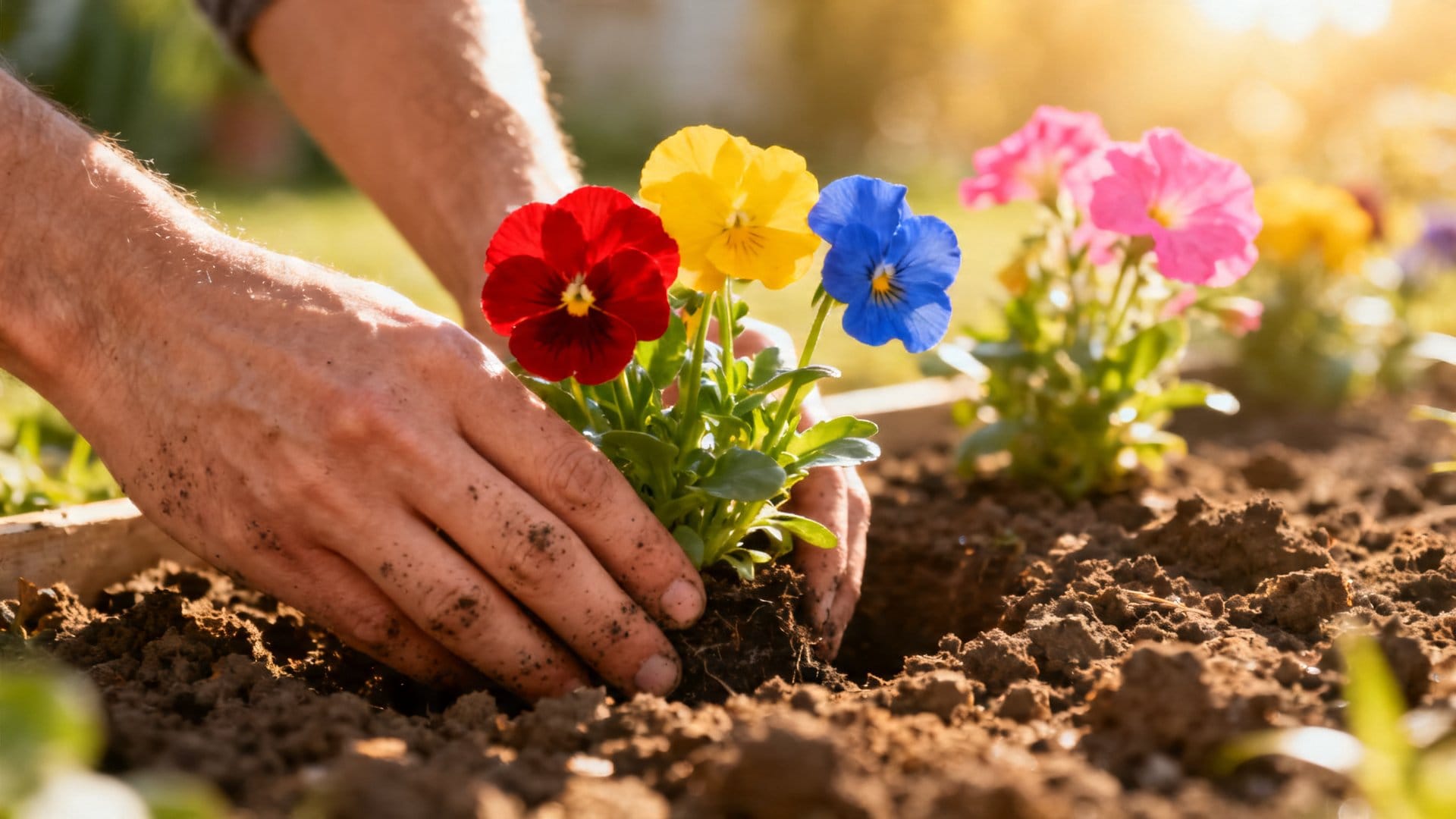
There is something about stepping outside on a warm June morning, coffee in hand, and realizing your garden is full of possibility. The light is soft, the air smells like earth and promise, and everything feels like it is just waiting to grow. If you have ever stood in that moment and thought, “I want this summer to be different,” you are in exactly the right place. This summer garden guide gives you the tips and encouragement you need to make this your most rewarding season yet, whether you have a sprawling backyard or a few raised beds tucked along a fence line.
&# 128218; Go deeper: Once your beds are thriving, ourcomplete guide to beautiful outdoor styling→Why Is Soil the Foundation Everything Else Depends On?
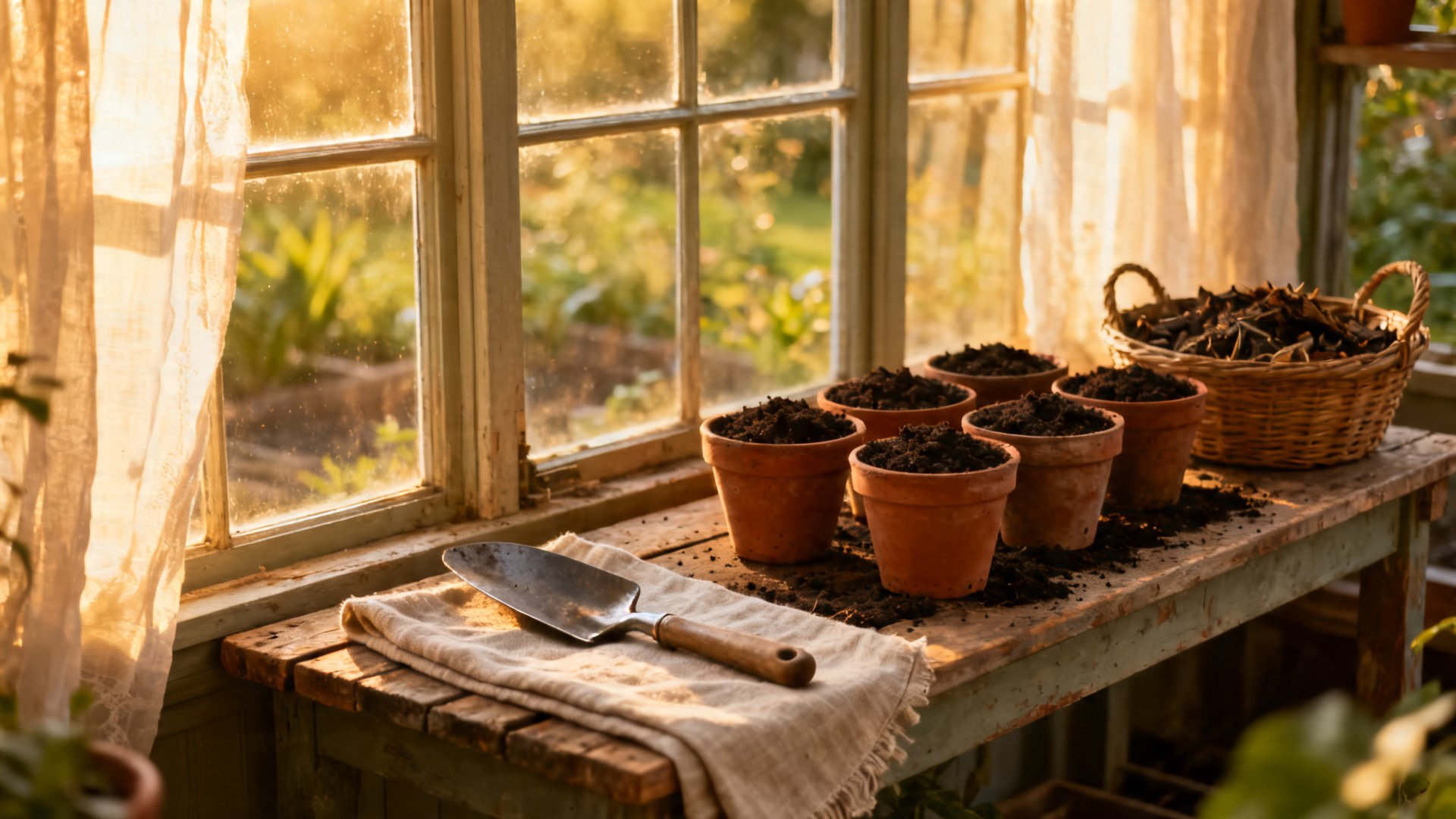
Soil is the foundation of a thriving summer garden because it supplies roots with water, nutrients, and the structure they need to grow strong. Without healthy soil, even the best plants and most attentive care will fall short.
 Shop this look: compost and soil amendments on Amazon
Before you plant a single seed or tuck a single seedling into the ground, spend a little time getting to know your soil. Healthy soil is the quiet engine behind every thriving summer garden, and if you are planting your first beds this year, our complete beginner’s guide to starting a summer garden walks you through it step by step. It is one of those things that makes an enormous difference once you start paying attention to it.
One thing I have noticed is that gardeners who struggle with wilting plants or poor harvests often overlook this step entirely. They buy beautiful transplants, put them in dry, compacted dirt, and wonder why nothing takes off. The good news is that improving your soil does not have to be complicated or expensive.
What to Consider Before You Dig
Start by doing a simple squeeze test: grab a handful of moist soil and squeeze it. If it crumbles apart when you open your hand, it has good structure. If it stays in a tight, muddy ball, it is too clay-heavy and needs amendment. Adding compost, even just a two-inch layer worked into the top six inches, dramatically improves drainage, aeration, and nutrient content. Many local garden centers sell compost by the bag or by the cubic yard, and it is one of the most worthwhile investments you can make at the start of the season. A good pair of gardening gloves makes all that digging and amending far more comfortable, too.
How Do You Choose What to Grow to Match Your Actual Life?
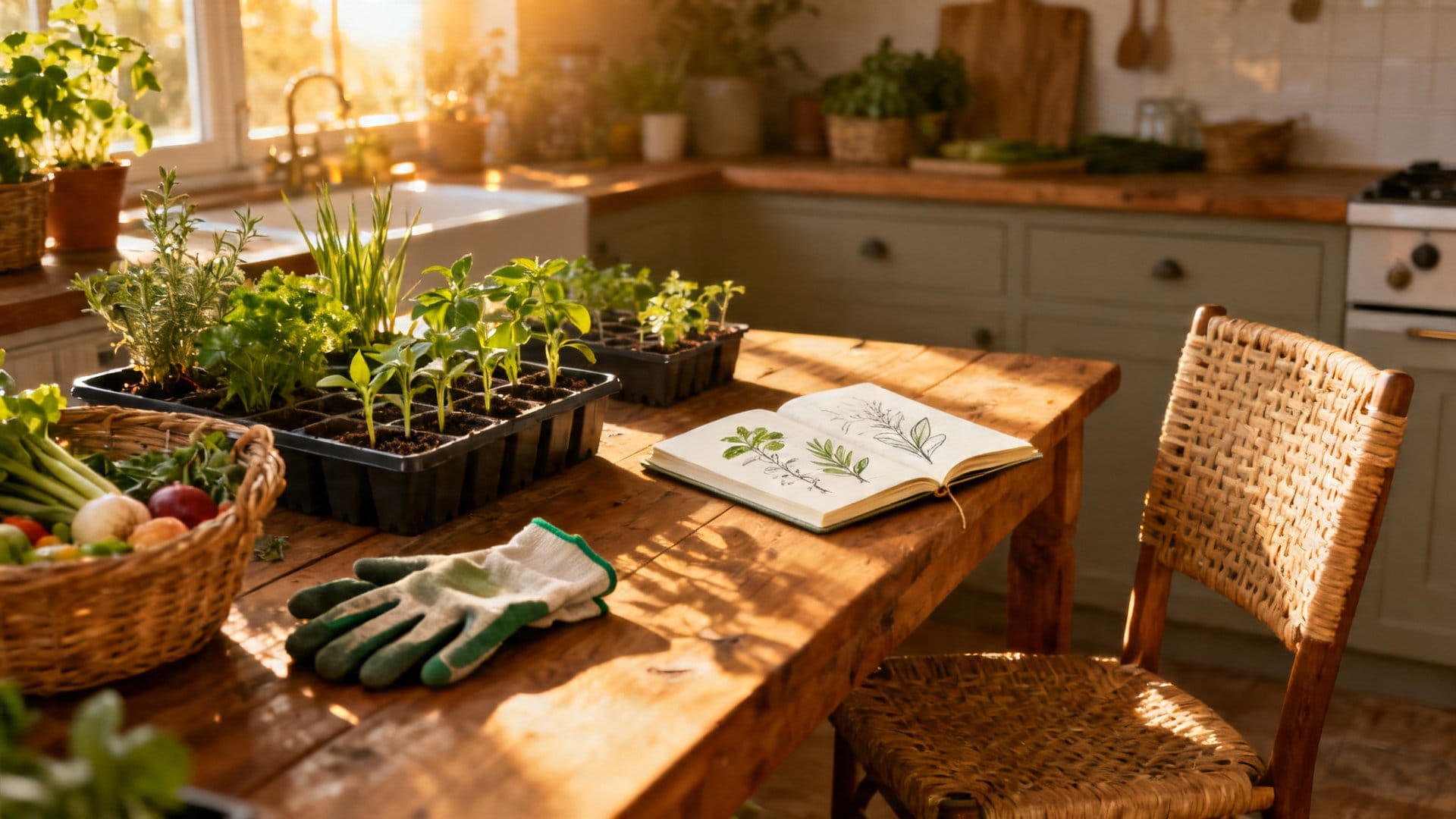
The best plants to grow are the ones that fit the time and energy you can realistically give them each week. Matching your plant choices to your schedule, rather than your wishlist, is what keeps gardening enjoyable all season long.
 Shop this look: vegetable seed starter kits on Amazon
Here is a question worth asking before you get carried away at the nursery: how much time do you actually want to spend in your garden each week? There is no wrong answer, but being honest with yourself here saves a lot of frustration come August. If you are just getting started, these simple home garden ideas for beginners are a gentle, low-pressure place to begin.
If you love the idea of a lush, productive garden but have a busy schedule, focus on plants that give you a lot with relatively little fuss. Zucchini, cherry tomatoes, basil, and marigolds are all generous growers that do not demand constant attention. If you have more time and love the ritual of daily garden care, you might enjoy cucumbers, pole beans, or cutting flowers like zinnias and cosmos that reward regular harvesting with even more blooms.
I love how a well-chosen mix of edibles and flowers can make a garden feel both practical and beautiful at the same time. A row of bright zinnias planted alongside your tomatoes does double duty, attracting pollinators and gives you something gorgeous to cut for the kitchen table.
Pro tip: Resist the urge to fill every inch of your space in June. Leave room for succession planting, sowing a new round of lettuce or beans every two to three weeks, so you have fresh harvests rolling in all season long rather than one overwhelming glut.
Once your plants are in the ground and thriving, the next challenge is keeping them that way, and how you water makes all the difference.
How Do You Water Smarter, Not More?
Watering smarter means watering deeply and infrequently rather than giving plants a light sprinkle every day. This encourages roots to grow deeper, making plants more resilient and less dependent on constant irrigation.
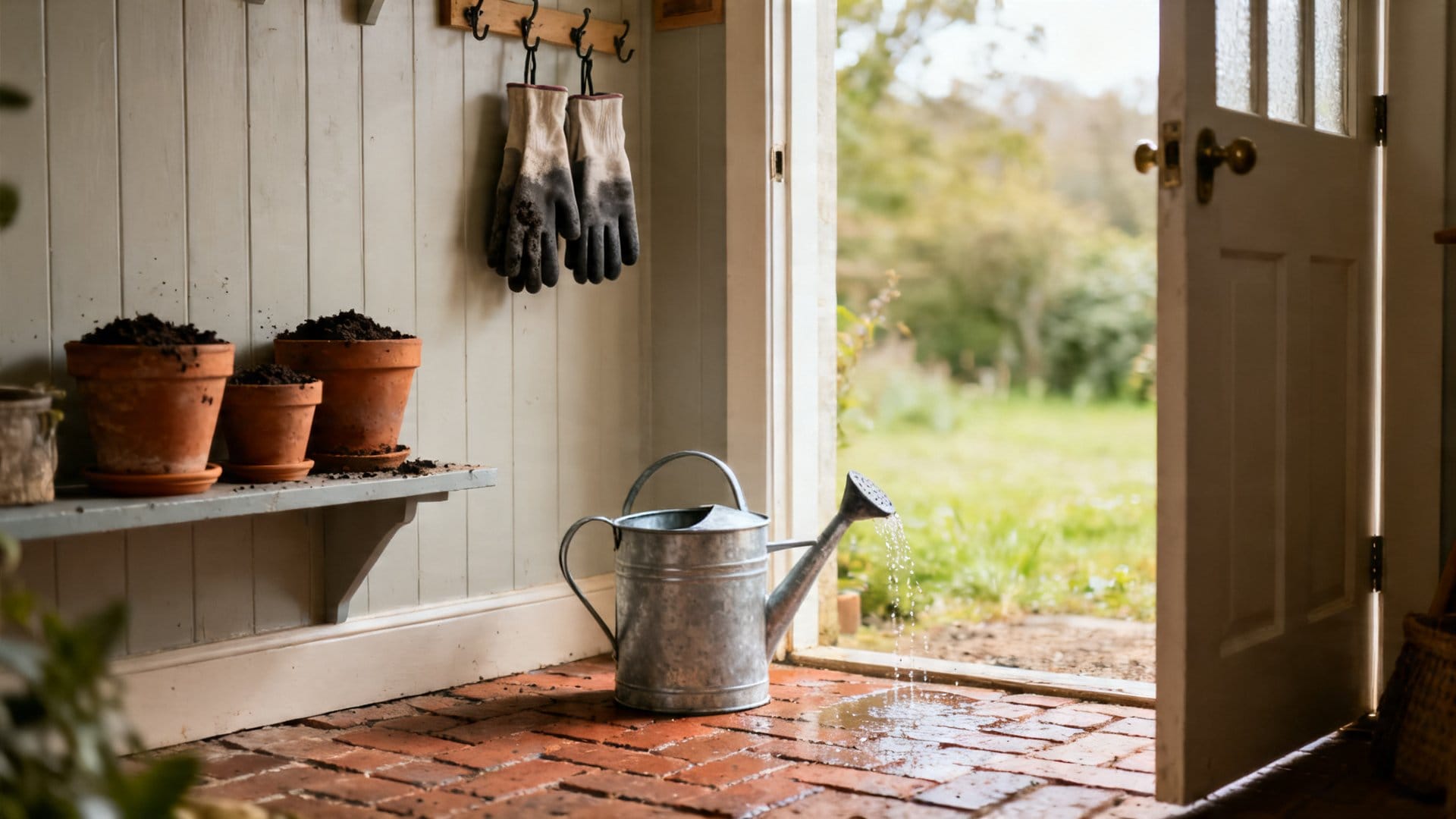 Shop this look: soaker hoses and drip irrigation on Amazon
Watering is one of those garden tasks that seems simple until you realize that both too much and too little can quietly sabotage everything you have worked for. Most summer vegetables and flowers prefer deep, infrequent watering over a light daily sprinkle, and understanding that one principle changes everything.
When you water deeply, you encourage roots to grow downward in search of moisture, which makes plants more drought-tolerant and resilient during heat waves. A shallow daily sprinkle, on the other hand, keeps roots near the surface where they are vulnerable to heat and dryness. Aim for about one inch of water per week, and adjust upward during stretches of intense heat above 90 degrees Fahrenheit.
Timing and Technique
Morning watering is almost always the best choice. It gives foliage time to dry before evening, which reduces the risk of fungal issues like powdery mildew. If you can, water at the base of plants rather than overhead, using a soaker hose or drip line. This keeps moisture exactly where roots need it and wastes very little to evaporation. From what I have gathered, gardeners who switch to drip irrigation or soaker hoses often notice a meaningful reduction in plant disease and a real improvement in overall garden health within a single season. For containers and spot-watering, a drip-free watering can with a long spout is still the easiest tool for the job.
&# 10024; You might also love: For a softer, romantic take on summer planting, thesecottage summer garden ideas with English countryside charm→
Why Is Mulching the Single Best Thing You Can Do in July?
Mulching in July keeps soil cool and moist during the hottest weeks, dramatically reducing how often you need to water. It also suppresses weeds and slowly improves your soil as it breaks down: three major benefits from one simple action.
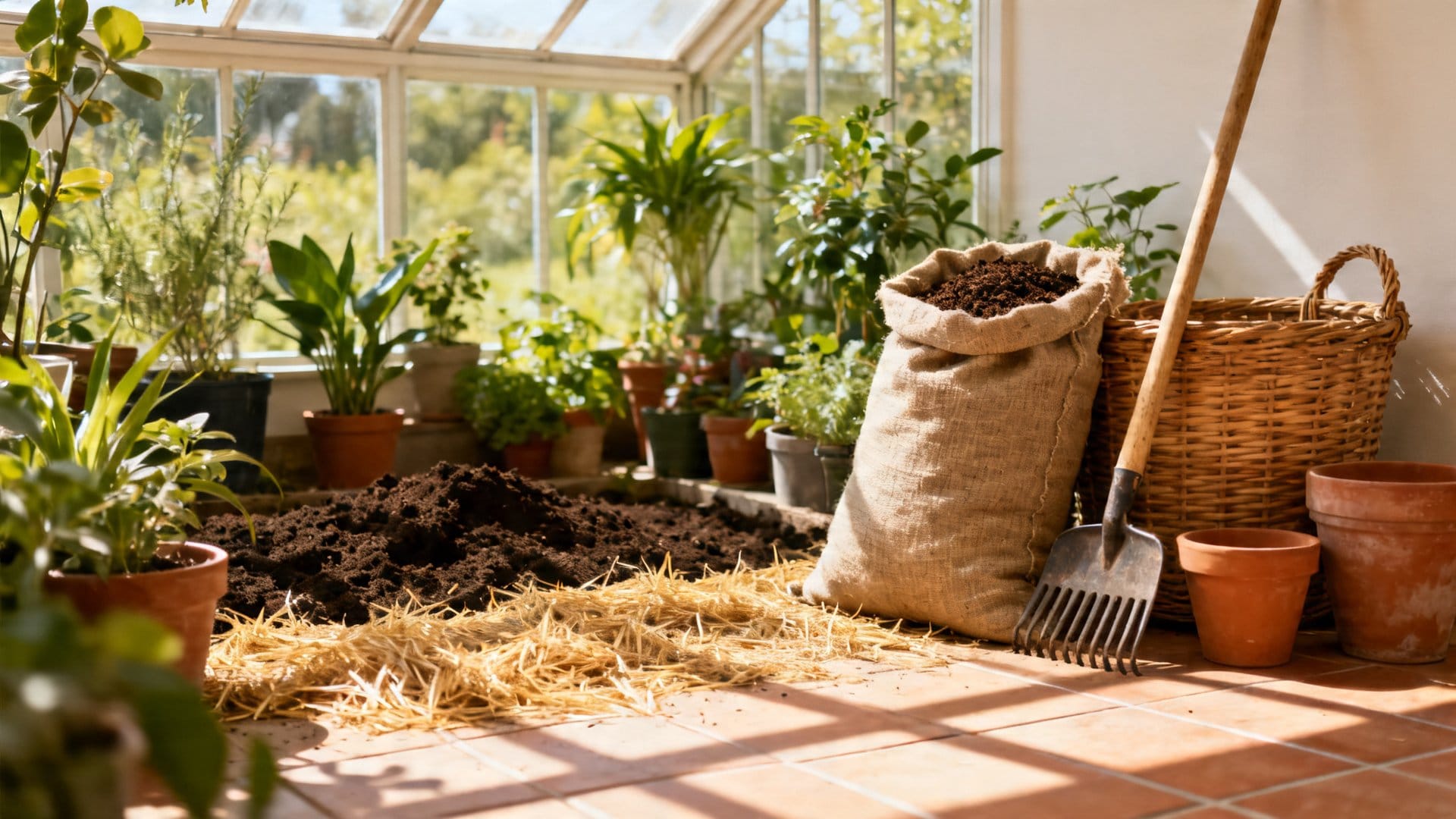 Shop this look: organic mulch on Amazon
If there is one tip in this entire summer garden guide that I want you to take seriously, it is this one: mulch your garden beds generously before the hottest weeks arrive. A three-inch layer of organic mulch, such as straw, shredded leaves, wood chips, or even untreated grass clippings, does more good than almost any other single action you can take.
Mulch keeps the soil cool and moist, which means you water less and your plants stress less. It suppresses weeds so you spend less time pulling and more time enjoying. And as it breaks down over the season, it adds organic matter back into your soil, setting you up for an even better garden next year. A friend of mine tried mulching her raised beds for the first time last summer and could not believe how much less work the whole garden felt from that point on.
Pro tip: Keep mulch pulled back about an inch from plant stems. Mulch piled directly against stems can trap moisture and invite rot or pest damage, a small detail that makes a real difference.
How Should You Feed Your Garden Through the Season?
Start with a slow-release granular fertilizer at planting time, then switch to a liquid fertilizer higher in potassium and phosphorus once plants begin flowering and setting fruit. This two-stage approach gives heavy producers like tomatoes and peppers the nutrition they need at each stage of growth.
 Shop this look: organic vegetable fertilizer on Amazon
Most garden soil, even well-amended soil, benefits from a little nutritional support as the summer progresses. Heavy-producing plants like tomatoes, peppers, and squash are especially hungry, drawing nutrients from the soil at a steady rate as they fruit and grow.
You do not need a complicated feeding schedule to keep your plants happy. A balanced, slow-release granular fertilizer worked into the soil at planting time gives most vegetables a solid start. Then, once plants begin flowering and setting fruit, a liquid fertilizer higher in potassium and phosphorus helps support that productive stage. Many home goods and garden stores carry both organic and conventional options seasonally, so you can usually find something that fits your gardening philosophy.
Signs Your Plants Are Hungry
- Yellowing lower leaves on tomatoes or squash often signal a nitrogen deficiency, especially mid-season when soil reserves run low
- Pale, washed-out foliage across multiple plant types can suggest the soil pH is off, preventing nutrient uptake even when fertilizer has been applied
- Slow fruit development or blossom drop in peppers and tomatoes sometimes points to a need for more phosphorus and consistent moisture
- Purple-tinged leaves on young plants, especially in cool early-summer weather, often indicate a temporary phosphorus deficiency that resolves as soil warms
Paying attention to what your plants are telling you is one of the most satisfying parts of gardening, and once you start reading those signals, you feel a real connection to what is growing.
&# 127793; While you're here: Craving more color alongside your veggies? Our guide tothe best summer flowers for your garden→
Even a well-fed, well-watered garden will eventually attract some unwanted visitors, but a little knowledge goes a long way toward keeping things in check.
How Do You Deal with Pests Without Losing Your Mind?
The key is to aim for balance rather than elimination, since most healthy gardens can tolerate some pest activity without serious damage. Starting with the gentlest interventions and supporting beneficial insects keeps your garden ecosystem intact.
 Shop this look: durable coated garden gloves on Amazon
Every summer garden faces some level of pest pressure, and the goal is not to eliminate every insect, it is to keep things in balance. Most healthy gardens can handle a certain amount of pest activity without significant damage, especially when beneficial insects like ladybugs, lacewings, and parasitic wasps are present and thriving.
This works especially well when you plant a diverse garden rather than large blocks of a single crop. Monocultures invite pest explosions; a mixed garden with flowers, herbs, and vegetables woven together tends to stay naturally balanced. Basil planted near tomatoes, nasturtiums tucked at the edges of beds, and a patch of dill left to flower all attract beneficial insects and can deter common pests like aphids and whiteflies.
When you do spot a pest problem, start with the gentlest intervention first. Hand-picking large pests like tomato hornworms, spraying aphid clusters off with a strong jet of water, or applying a diluted neem oil solution are all effective first steps that do not disrupt the broader garden ecosystem. Reaching for strong pesticides as a first response often does more harm than good, killing off the beneficial insects that would have helped solve the problem naturally. If hand-picking hornworms makes you squeamish, a sturdy pair of garden gloves takes the ick factor right out of it.
How Do You Create a Garden Space You Actually Want to Spend Time In?
Adding a few simple comfort elements, like a bench, a small table, or some lighting, changes your garden from a work zone into a place you genuinely want to linger. The goal is to make the space feel as good as it looks.
 Shop this look: a foldable garden kneeler and stool on Amazon
A summer garden is not just about what you grow, it is about how the space feels when you are in it. I keep coming back to this idea because so many gardeners focus entirely on productivity and forget that the garden itself should be a place of pleasure, not just labor.
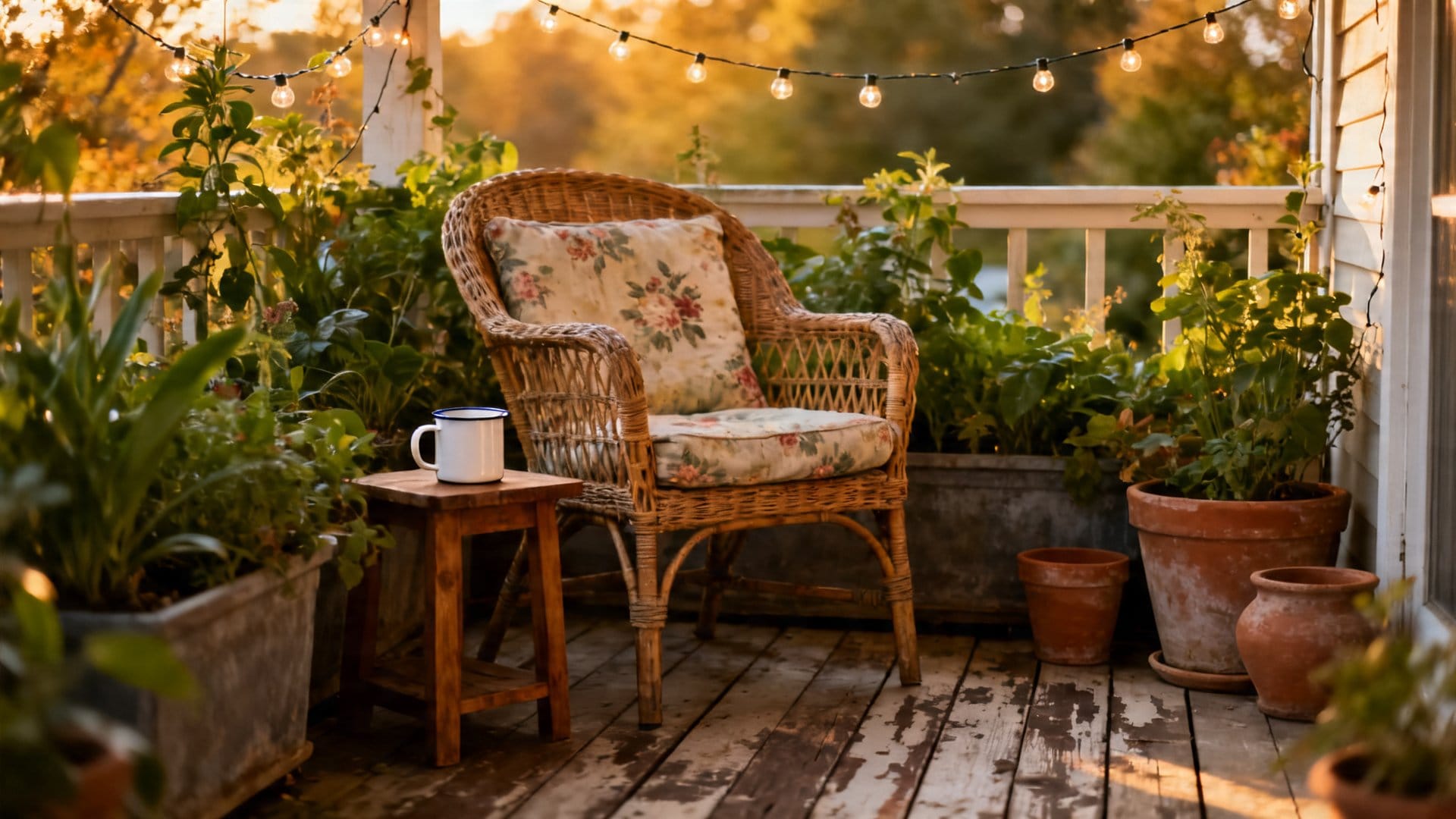
Think about adding one or two elements that make the space inviting beyond the plants themselves. A simple wooden bench tucked at the edge of a bed, a small bistro table where you can set your morning coffee, a wind chime that catches the afternoon breeze, these small touches shift the garden from a work zone into a retreat. Even a stepping stone path through a larger garden bed changes how you move through and experience the space. A folding garden kneeler that flips over into a low seat is a small, practical piece that earns its keep on both fronts. For more inspiration, these summer garden decoration ideas show how small touches add up to a yard you love.
Lighting is another detail worth considering if you spend time outside in the evenings. Simple solar stake lights along a path or a string of warm-toned patio string lights draped over a pergola or fence extend the hours you can enjoy your garden and give it an entirely different, softer character after dark. If your seating area sits under cover, these covered patio ideas for shade and style pair beautifully with garden lighting.
Final Thoughts
A summer garden guide is really just a starting point, and your garden will teach you the rest, season by season, in ways no article fully can. What matters most is that you begin, stay curious, and give yourself permission to learn as you go without expecting perfection. This summer garden guide is here to give you the confidence to try new things, pay attention to what works, and enjoy every warm, green, sun-filled moment your garden offers. Here is to your best season yet. Happy gardening!
Frequently Asked Questions
The best time to start preparing your summer garden is in late spring, ideally a few weeks before your last frost date. This gives you time to amend your soil, plan your layout, and start seeds indoors if needed. Getting a head start on soil preparation in particular pays off significantly once the growing season is in full swing.
Healthy soil is dark in color, crumbly in texture, and has a rich, earthy smell, and it should also be teeming with earthworms, which are a great sign of good soil biology. You can also do a simple home pH test or send a sample to your local cooperative extension office for a more detailed analysis. If your soil is compacted, pale, or drains poorly, adding compost is one of the most effective ways to improve it before the season begins.
In a small space like raised beds, prioritizing soil quality, plant selection, and consistent watering will give you the biggest return on your effort. Choose compact or vertical-growing varieties that are well-suited to contained spaces, and avoid overcrowding, which can reduce airflow and invite disease. Even a few well-tended raised beds can produce an impressive and rewarding harvest when managed thoughtfully throughout the summer.
Most summer gardens benefit from about one inch of water per week, though hot or dry spells may require more frequent watering. The best practice is to water deeply and less often, which encourages roots to grow deeper into the soil rather than staying shallow and vulnerable to heat stress. Watering in the early morning is ideal because it reduces evaporation and gives foliage time to dry before nightfall, which helps prevent fungal issues.
It is rarely too late to start or improve your summer garden, as many vegetables and flowers thrive when planted well into the summer months. Warm-season crops like cucumbers, beans, squash, and herbs can be direct-sown in early to midsummer and still produce a generous harvest before the first frost. Starting now with fresh enthusiasm and a few simple improvements, especially to your soil, can absolutely make this your most rewarding season yet.