There’s a particular kind of joy that comes from stepping outside on a warm morning, coffee in hand, and feeling like your garden actually reflects who you are. Whether you have a sprawling backyard or a modest patio tucked between two fences, the way you style your outdoor space matters more than you might think. This complete guide to garden decor covers everything from choosing the right focal points to layering textures in a way that feels intentional rather than cluttered. If you’ve ever looked at your outdoor space and thought “something’s missing,” you’re in exactly the right place.
How Do You Find Your Outdoor Garden Style?
Finding your outdoor garden style starts with identifying the feeling you want your space to evoke. Narrowing down to one primary aesthetic, whether cottage, coastal, farmhouse, or boho, gives every future decor decision a clear direction.
 Shop this look: garden decor on Amazon
Before you buy a single planter or string a single light, it helps to pause and ask yourself what feeling you want your garden to give you. Do you want it to feel like a wild English cottage garden, a clean Scandinavian retreat, a breezy coastal escape, or something warm and farmhouse-inspired? Knowing your style direction saves you from the common trap of mixing too many aesthetics until nothing feels cohesive.
One thing I’ve noticed is that the most beautiful outdoor spaces tend to borrow from one primary style and layer in personal touches rather than trying to blend three or four completely different looks. A free-spirited boho garden, for example, leans into macramé wall hangings, terracotta pots in varying sizes, and wildflower-style plantings. A coastal garden favors weathered wood, blue-gray tones, and simple driftwood accents. If you lean moody instead, even a dark and mysterious gothic garden can feel cohesive once you commit to it. Picking your lane makes every future decision much easier.
Design Details
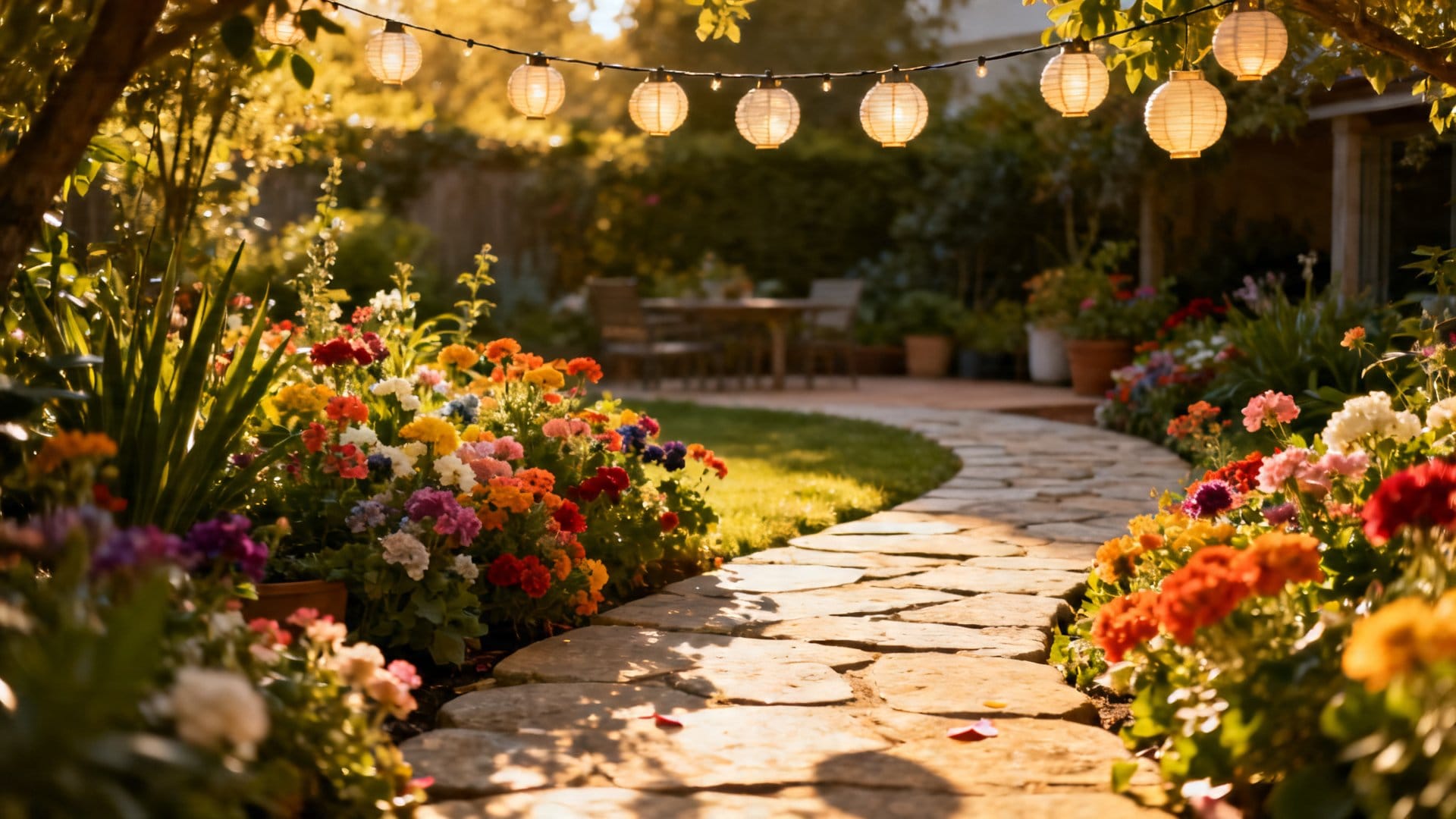
Gather inspiration by noticing what draws your eye in outdoor spaces you admire, the curve of a stone path, the warm glow of lanterns at dusk, the texture of a woven rug under a bistro table. These small observations are your style compass. Once you have three or four images that all share a common feeling, you’ve found your direction.
&# 127793; Pick your vibe:Whimsical Garden Decor: Magical & Playful Outdoor Ideas→Why Does Every Garden Need a Strong Focal Point?
Every garden needs a focal point because it gives the eye somewhere to land and anchors the entire design. Without one, even a well-planted space can feel visually scattered and lacking in intention.
 Shop this look: garden trellises on Amazon
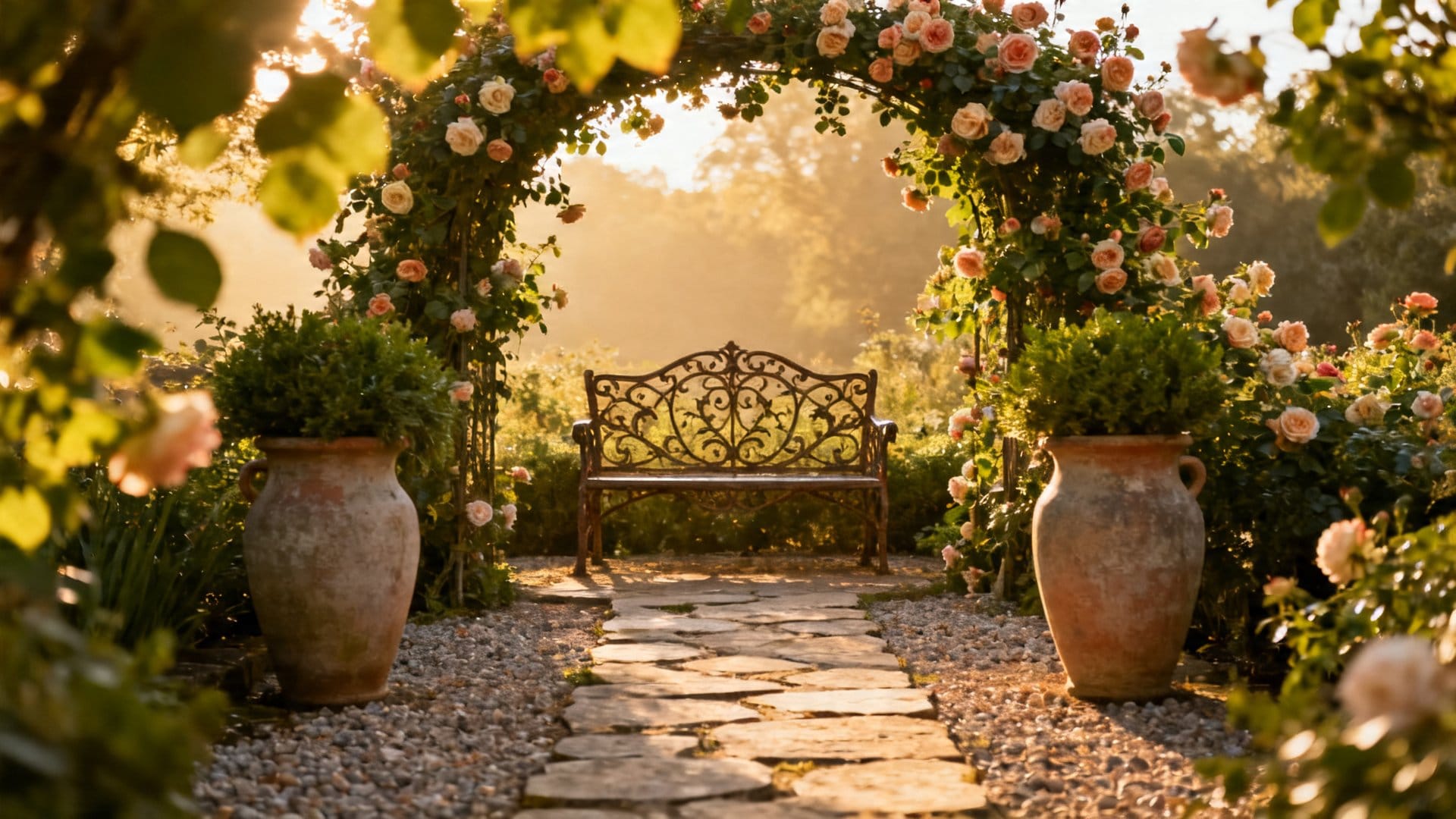
Every beautiful outdoor space has at least one strong focal point, something your eye travels to first when you walk outside. It might be a weathered wooden bench framed by climbing roses, a large ceramic urn overflowing with trailing plants, or even a simple birdbath positioned at the end of a gravel path. Without a focal point, even a well-planted garden can feel directionless.
I love how a single oversized element can anchor an entire outdoor room. A vintage-style iron gate repurposed as a trellis, a hand-painted garden sign, or even a cluster of three tall terracotta urns arranged at different heights all create visual weight that the rest of your garden decor can radiate outward from. Think of it the way you’d think about a sofa in a living room: everything else is arranged in relationship to it. This same anchoring trick works beautifully in a sun-drenched Mediterranean garden, where a single ornate urn or fountain sets the whole tone.
Pro tip: If you’re working with a smaller garden or patio, choose a vertical focal point, a tall trellis, a wall-mounted planter arrangement, or a climbing vine on a wooden frame, to draw the eye upward and make the space feel larger than it is.
How Do You Layer Textures and Materials for a Lived-In Look?
Layering textures means pairing contrasting materials, such as rough wood with smooth concrete, or soft plants against stone, to create visual richness. The key is variety with restraint, so the space feels inviting rather than cluttered.
 Shop this look: textured outdoor throws on Amazon
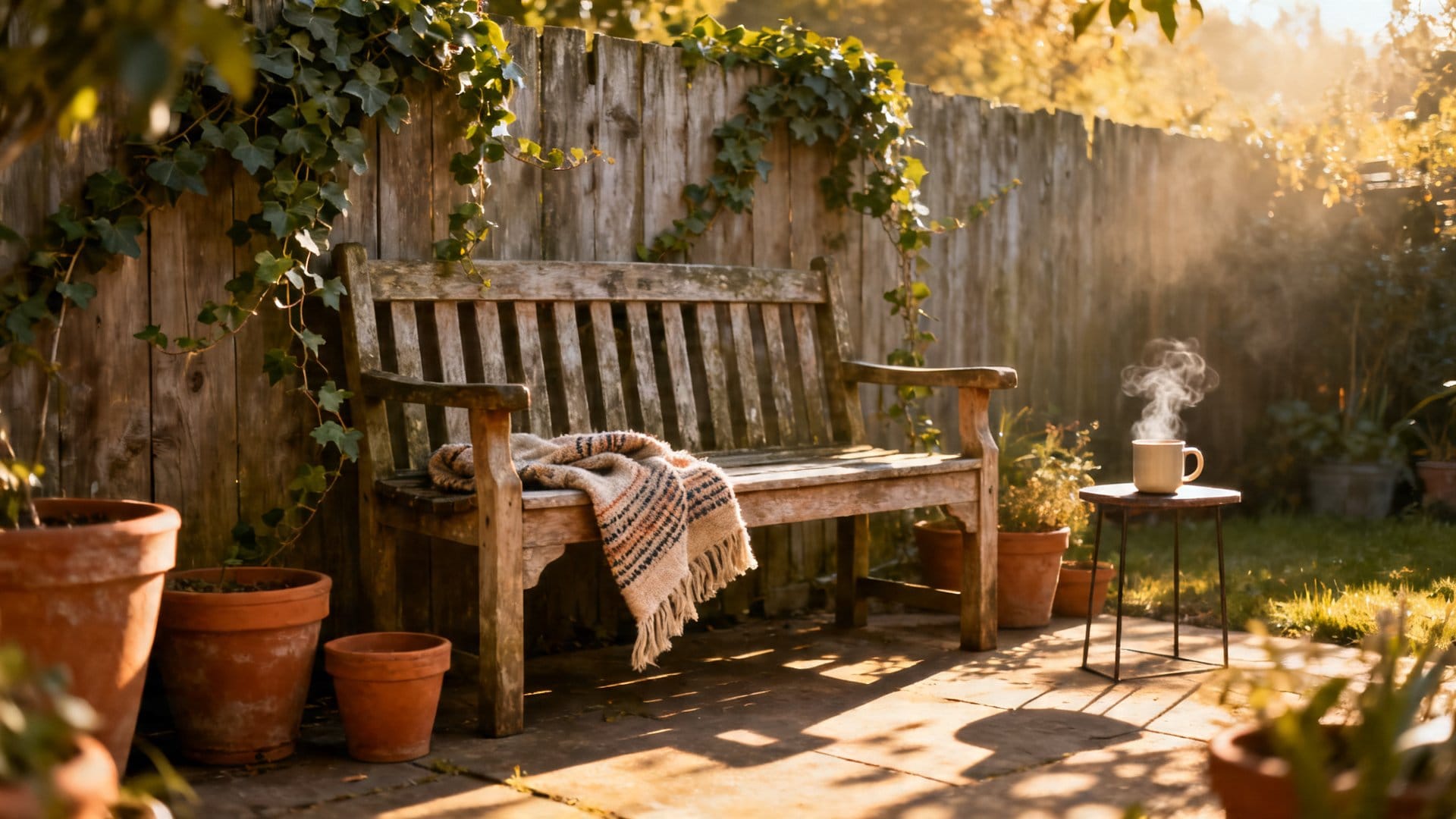
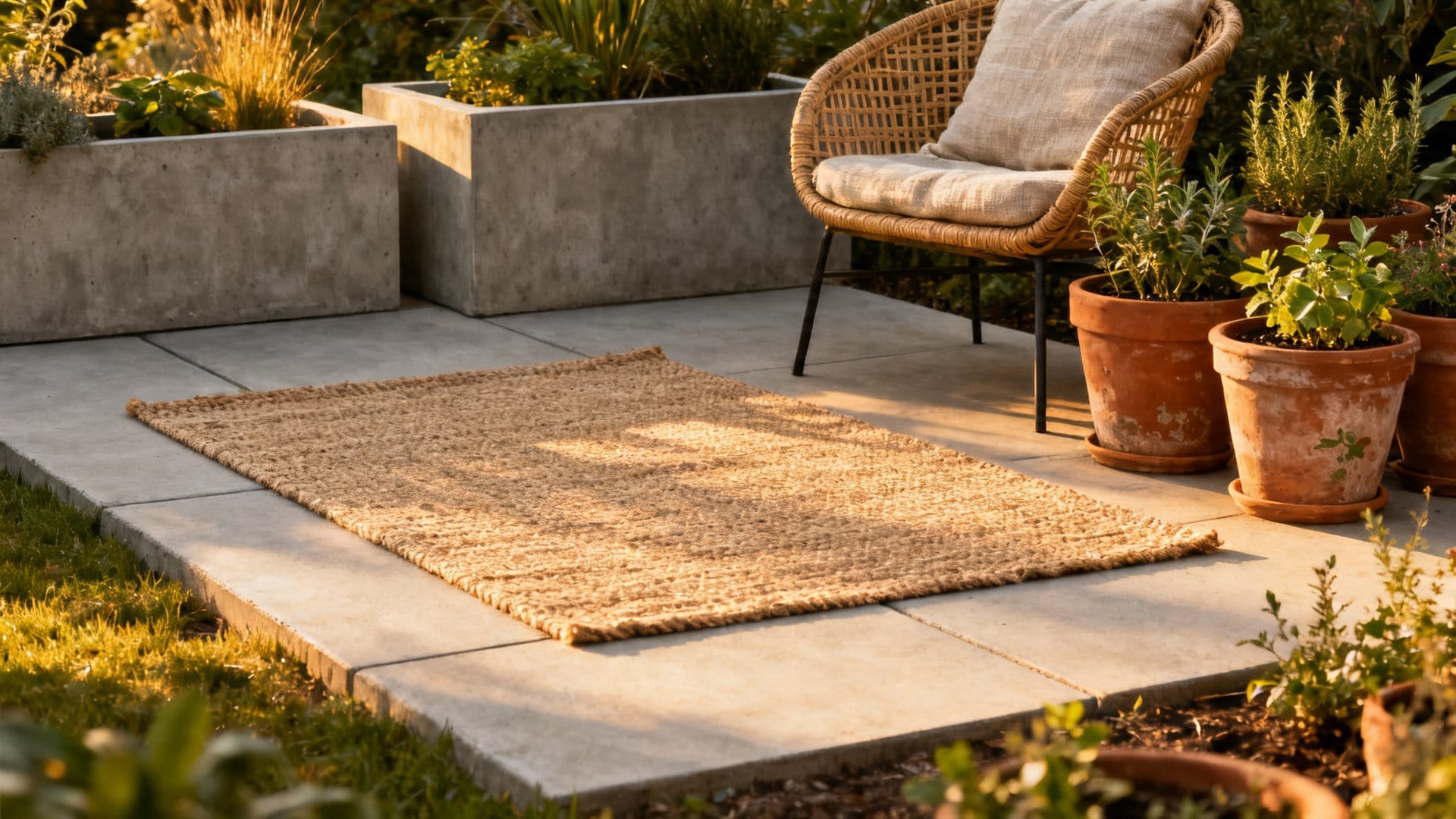
The difference between a garden that feels polished and one that feels truly inviting often comes down to texture. Smooth concrete pavers paired with rough-hewn wooden furniture, soft trailing plants spilling over the edges of a stone wall, a woven outdoor rug underneath a metal bistro set: these contrasts create visual richness that makes a space feel curated rather than catalog-perfect. The same layering instinct carries into rustic garden decor, where raw, natural materials do most of the heavy lifting.
For materials, mixing natural elements almost always works beautifully outdoors. Terracotta, weathered wood, galvanized metal, and natural stone each bring their own warmth and age gracefully together. Avoid using too many synthetic or overly shiny materials, which can feel cold and disconnected from the garden setting. Even budget-friendly outdoor furniture looks more intentional when you add a natural fiber rug or a few clay pots in warm earthy tones.
Materials That Work
For seating areas, look for weather-resistant cushion covers in natural linen-look fabrics, since they soften hard metal or wood frames without fighting against the outdoor setting. Layer a lightweight outdoor throw in a warm terracotta or sage green over the arm of your chair for that effortless, lived-in quality that makes a garden feel like an extension of your home rather than a separate, formal space.
Once you’ve established your textures and materials, the next layer that truly improves a garden is one that only reveals itself after sunset.
How Does Garden Lighting Change Your Outdoor Space After Dark?
Garden lighting changes your outdoor space after dark by adding warmth, depth, and atmosphere that daylight alone cannot create. The right combination of ambient, task, and accent lighting makes even a simple patio feel magical in the evening.
 Shop this look: solar lights on Amazon
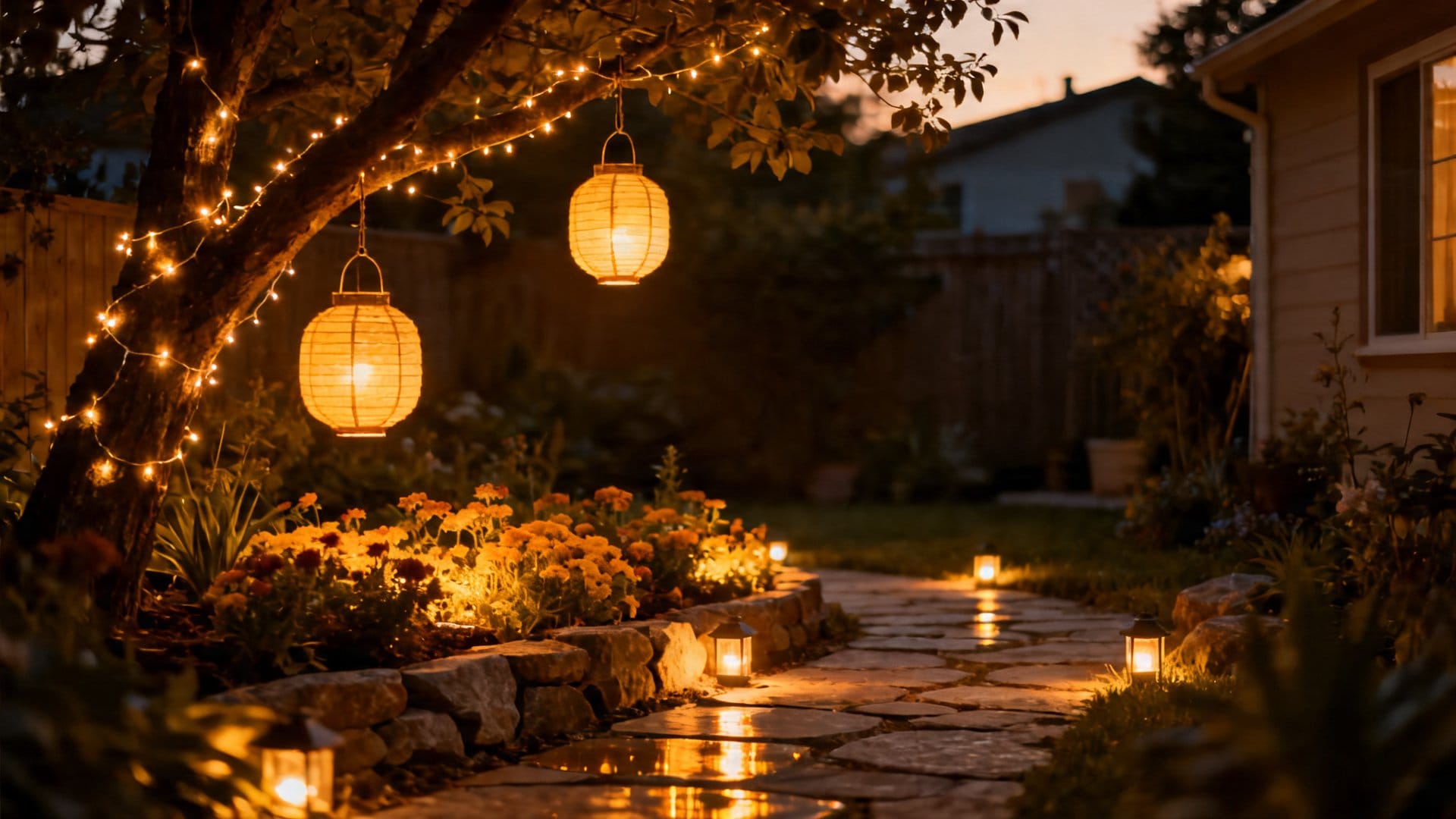
Outdoor lighting is one of the most underrated elements of garden decor, and it’s also one of the easiest ways to completely shift the feeling of your space once the sun goes down. String lights draped loosely through tree branches or along a pergola create a warm, golden glow that no overhead fixture can replicate. Solar-powered lanterns placed along a pathway guide the eye and add a soft, flickering quality that feels almost magical on a summer evening.
&# 10024; While you're here:Japanese Garden Decor: Peaceful Minimalist Design Ideas→From what I’ve gathered, the easiest approach to outdoor lighting is to think in layers, just like you would indoors. Start with ambient light, such as string lights or wall-mounted lanterns. Then add task lighting if you have a dining table or cooking area. Finally, accent lighting like small solar spotlights aimed at a beautiful tree or a statement planter adds depth and drama. Warm white bulbs almost always feel cozier and more welcoming than cool or daylight tones, which can make an outdoor space feel clinical rather than inviting.
Pro tip: Candles in hurricane lanterns or weighted outdoor candle holders add a layer of warmth that electric lighting simply can’t match. Group three or five together on a table or low wall for a pooled glow effect that feels effortlessly romantic.
How Can Planting Choices Work as Garden Decor?
Planting choices function as garden decor when you treat them as a styling decision rather than just a horticultural one. The height, texture, and arrangement of your plants shape the overall mood and visual structure of your outdoor space.
 Shop this look: raised planters on Amazon · SunnyTong Galvanized Metal Watering Can 1…
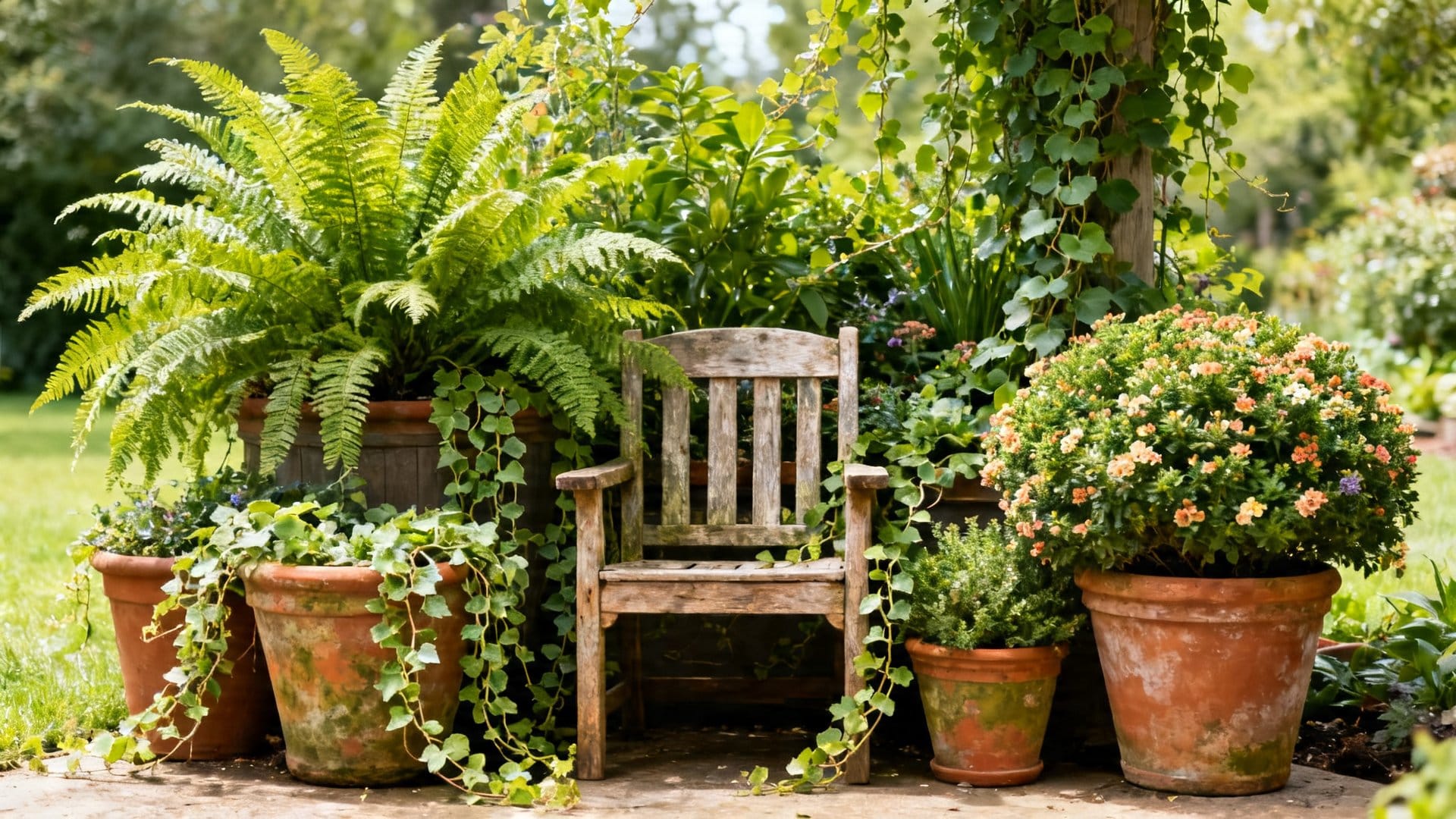
Plants are, of course, the heart of any garden, but the way you choose and arrange them is very much a styling decision. This is where garden decor and horticulture overlap beautifully. Tall grasses add movement and a soft, naturalistic quality. Topiaries and clipped boxwood hedges bring a more formal, structured elegance. Wildflower-style plantings in a down-home country garden feel abundant and romantic, while succulents in geometric pots lean modern and minimal. For a softer, more romantic spin, a shabby chic garden pairs faded florals with worn painted finishes.
A friend of mine tried something similar to what garden designers call the “thriller, filler, spiller” approach in her container plantings, one tall dramatic plant, one medium bushy filler, and one trailing variety that spills over the pot’s edge, and it changed the whole feel of her front porch. The pots went from looking like afterthoughts to looking intentional and full. It’s a simple formula that works in almost any style.
Small Space Tricks
- Use tall, narrow planters to add vertical interest on small patios without taking up precious floor space
- Group pots in odd numbers, since three or five together always looks more natural than two or four
- Repeat one plant variety in different pot sizes to create visual rhythm across a balcony or garden border
- Hang wall-mounted planters to bring greenery up to eye level and free up the ground below
- Choose plants with interesting foliage texture, like dusty miller, lamb’s ear, or variegated hostas, to add visual interest even when nothing is in bloom
Greenery is the backbone of beautiful outdoor styling, and even a few well-chosen plants can soften a hard, bare space into something that feels genuinely welcoming.
How Do Outdoor Rugs and Cushions Create a Cozy Seating Area?
Outdoor rugs and cushions create a cozy seating area by bringing the warmth and definition of an indoor room to your patio or deck. A rug anchors the space, while coordinating cushions signal that the area was designed with care.
 Shop this look: outdoor rugs on Amazon · Ckorzen Fall Plaid Rug Orange White Buffalo… · JONATHAN Y Border Stripe Indoor Outdoor Area…
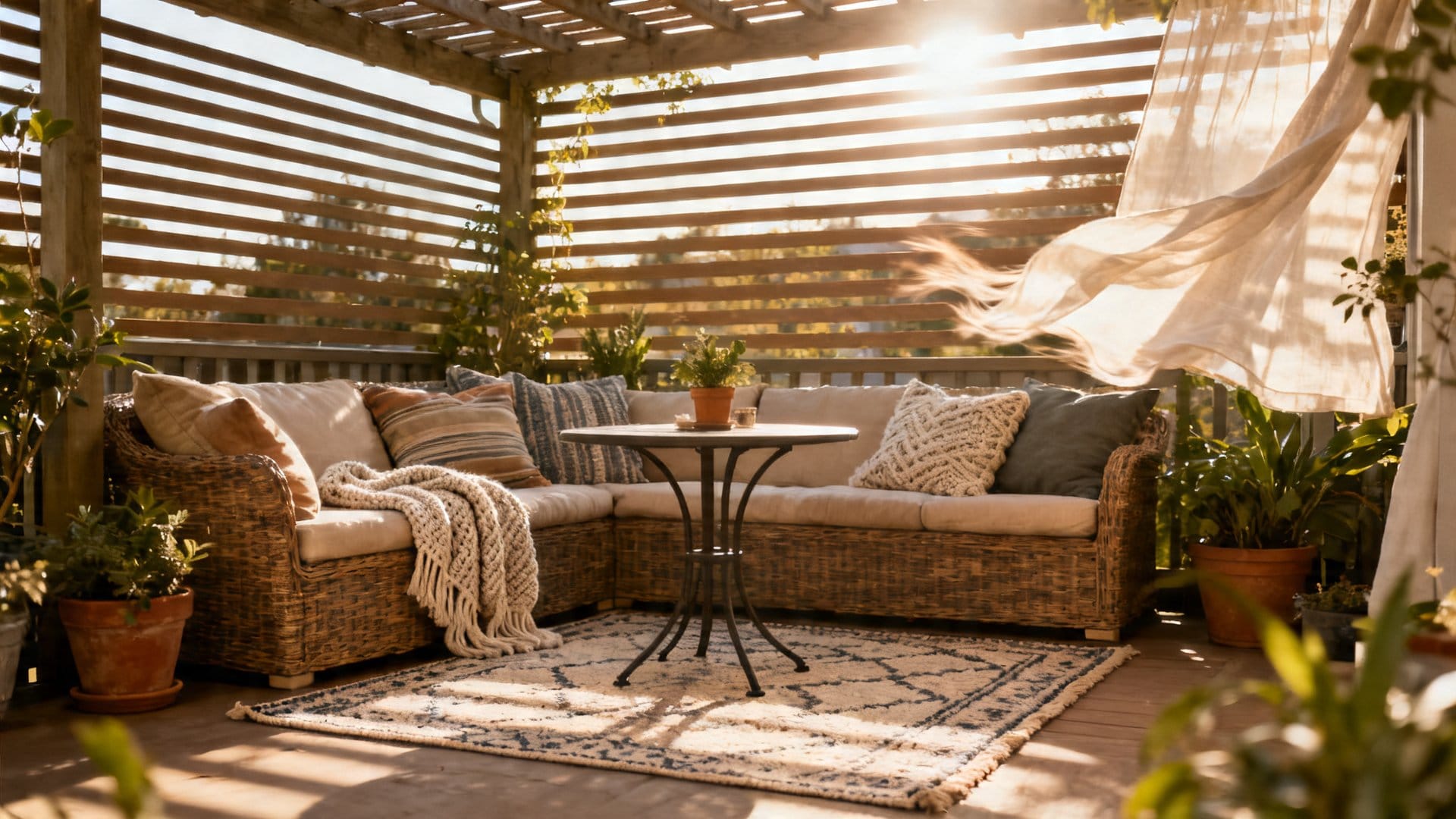
One of the most satisfying parts of working through a complete guide to beautiful outdoor styling is discovering how much the “indoor” elements, rugs, cushions, throws, do for an outdoor space. An outdoor rug defines a seating area the way a living room rug anchors a sofa grouping. It signals to anyone who walks out that this is a room, not just a patch of patio. If you want a more romantic, faded palette, the same idea carries over into French country garden decor, where soft layered textiles do a lot of the work.
This works especially well in spaces that don’t have natural boundaries, like an open backyard or a wide deck. A large outdoor rug in a warm stripe or a subtle geometric pattern immediately creates a sense of enclosure and intention. Pair it with cushions in two or three coordinating colors, not all matching, but all belonging to the same color family, and suddenly your patio furniture looks like it was chosen with care.
I keep coming back to this approach because it costs relatively little but makes an enormous visual difference. Look for outdoor cushions and rugs at home goods stores or online marketplaces, especially at the start of the season when selection is best. Choose fabrics labeled as UV-resistant and water-repellent so they hold their color and texture through sun and rain without fading into disappointment by August.
What Seasonal Touches Keep Your Garden Feeling Fresh?
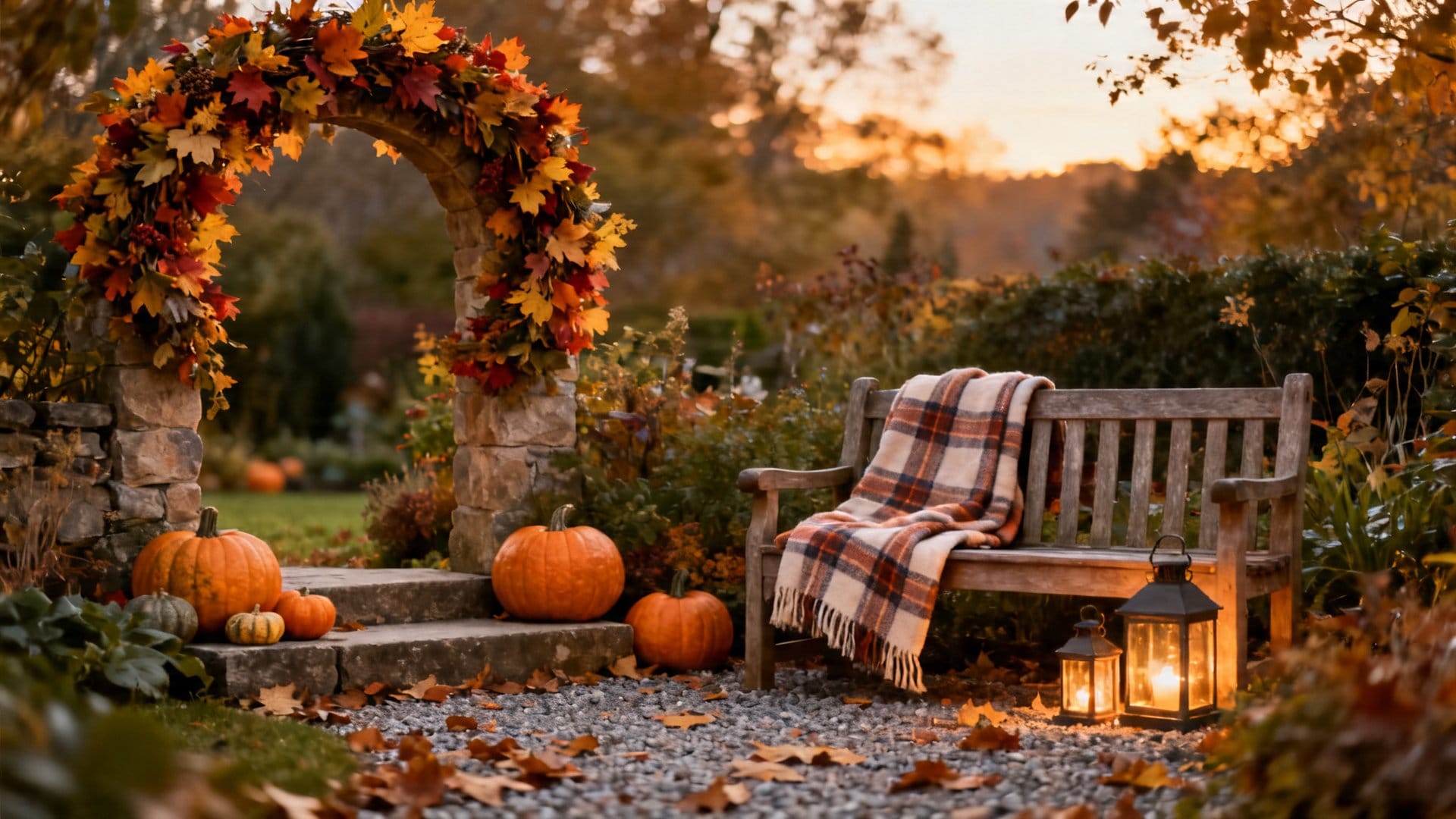
Swapping a few key accessories with each season, like cushion covers, planters, candles, and natural textures, keeps your garden feeling alive and intentional all year long. Small, targeted changes are all it takes to refresh the overall look.
 Shop this look: seasonal cushion covers on Amazon
One of the most enjoyable aspects of garden decor is that it doesn’t have to be static. Swapping out a few key accessories with the seasons keeps your outdoor space feeling alive and intentional all year long, and it doesn’t require a complete overhaul each time.
In spring, lean into fresh greens, soft pastels, and the light, airy feeling of new growth, think white ceramic pots, lavender, and simple linen cushion covers in pale sage or blush. Summer calls for bolder color, more lush planting, and the addition of outdoor candles and string lights for long evening gatherings. As fall arrives, bring in warm terracotta tones, dried grasses, and the texture of woven baskets. Even in winter, a few evergreen branches tucked into a large urn, a lantern with a pillar candle, and a weather-resistant throw draped over a chair can make an outdoor space feel considered rather than abandoned. If you want a tidier, low-key version of this all year, the minimalist Japanese garden look is worth borrowing from.
Pro tip: Keep a small bin or basket near your back door with your seasonal swap items, a few cushion covers, a candle or two, a small decorative element, so refreshing your outdoor space takes twenty minutes rather than an afternoon.
Final Thoughts
Beautiful garden decor isn’t about perfection or spending a fortune. It’s about creating a space that feels like yours, one thoughtful layer at a time. This complete guide to beautiful outdoor styling is really just a starting point; your own eye, your own sense of what makes you exhale and settle in, is the best guide you have. Whether you’re working with a tiny balcony or a generous backyard, the same principles apply: choose a style direction, anchor the space with a focal point, layer in texture and light, and let your plants do the heavy lifting. Your outdoor space deserves the same love and attention as any room inside your home. Happy decorating!
Frequently Asked Questions
Start by asking yourself what feeling you want your garden to evoke, whether that’s the relaxed charm of an English cottage, the clean simplicity of a Scandinavian retreat, or the warmth of a farmhouse aesthetic. Gathering inspiration images and identifying common themes across the ones you love is a great way to pinpoint your direction. Having a clear style in mind before you shop prevents impulse purchases that don’t work together and saves you both time and money.
A focal point is a single standout element that draws the eye and anchors the overall design of your outdoor space, such as a statement planter, a water feature, a sculptural tree, or a decorative bench. Without one, a garden can feel visually scattered and lack a sense of intention, even if individual elements are attractive on their own. Choosing your focal point first gives you a foundation to build the rest of your styling decisions around.
Absolutely, small outdoor spaces can be just as thoughtfully styled as large gardens, and in many ways the constraints make the design process more focused and rewarding. Vertical elements like wall-mounted planters, trellises, and hanging lights help maximize space without cluttering the floor area. Choosing a cohesive color palette and limiting your decor to a few well-chosen pieces will make even the most compact space feel intentional and inviting.
Layering textures successfully comes down to variety with restraint, meaning you want to mix materials like wood, metal, stone, and soft planting without repeating the same texture too many times in one area. A good rule of thumb is to pair rough or rustic elements with something smoother or more refined nearby to create visual contrast that feels balanced rather than chaotic. Grouping items in odd numbers and leaving deliberate negative space between arrangements also helps the eye move comfortably through the space.
Certain decor elements transcend specific trends and blend naturally into a wide range of garden aesthetics, including terracotta planters, simple wooden furniture, lantern-style lighting, and natural stone accents. These pieces work because they draw on organic materials and classic forms that complement both planted greenery and structured hardscaping equally well. Investing in a few high-quality timeless pieces rather than many trend-driven items will keep your garden looking cohesive and stylish for years to come.