There is something quietly magical about stepping outside on a warm morning, coffee in hand, and noticing that a tiny seed you planted last week has finally pushed through the soil. That small moment, hopeful and unhurried and a little miraculous, is exactly what gardening gives you. If you have been thinking about starting your own garden but feel unsure where to begin, these simple home garden ideas for beginners are the gentle nudge you need. No prior experience required, no massive backyard needed, just a little curiosity and a willingness to get your hands a little dirty.
Gardening does not have to be complicated or expensive to be deeply satisfying. Whether you have a sprawling yard, a sunny balcony, or just a windowsill with good light, there is a version of this that works for your life. The garden ideas for beginners ahead cover everything from container gardening to raised beds, herbs to flowers, so you can find what genuinely excites you and start there.
Why Should You Start With a Simple Herb Garden on Your Windowsill?
Starting with a windowsill herb garden is the easiest first step for beginners. Herbs like basil, mint, and chives grow quickly in small pots and reward you with something useful almost immediately.
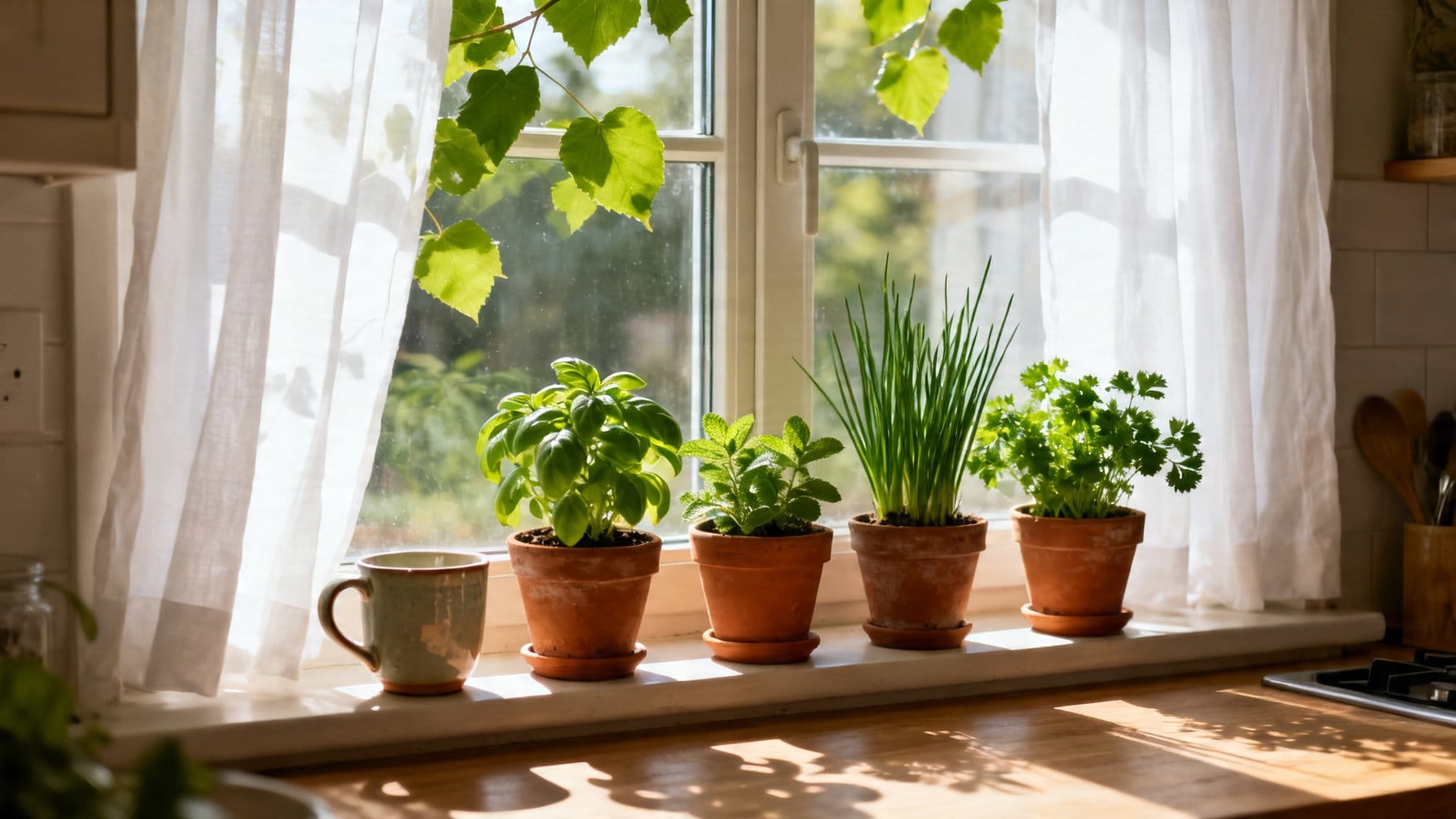
If you have never grown anything before, herbs are the most forgiving and rewarding place to begin. Basil, mint, chives, and parsley grow quickly, tolerate small pots beautifully, and give you something immediately useful in the kitchen.
I love how a row of small terracotta pots lined up on a sunny kitchen windowsill can make the whole room feel more alive and intentional. The faint smell of fresh basil when you brush past it, the cheerful green against a white wall, it all adds warmth in a way that feels effortless. If you enjoy that fresh, growing-things feeling indoors, you might also love these retro kitchen window ideas to frame your little herb collection.
Getting Your Herb Garden Started
Choose a south- or east-facing window that gets at least four to six hours of sunlight daily. Fill small pots with good-quality potting mix, plant your seeds or seedlings, and water consistently but not excessively, since most herbs dislike soggy roots. Within a few weeks, you will have fresh herbs ready to snip into your cooking.
&# 128218; Keep reading:Explore more home garden ideas for your whole outdoor space→Once you have mastered a few pots of herbs, you may find yourself ready to expand your growing space, and that is where container gardening opens up a whole new world of possibilities.
Can You Garden When Space Is Limited?
Yes, container gardening makes it possible to grow a thriving garden almost anywhere, including balconies, patios, and front steps. All you need are the right containers, good potting mix, and consistent watering.
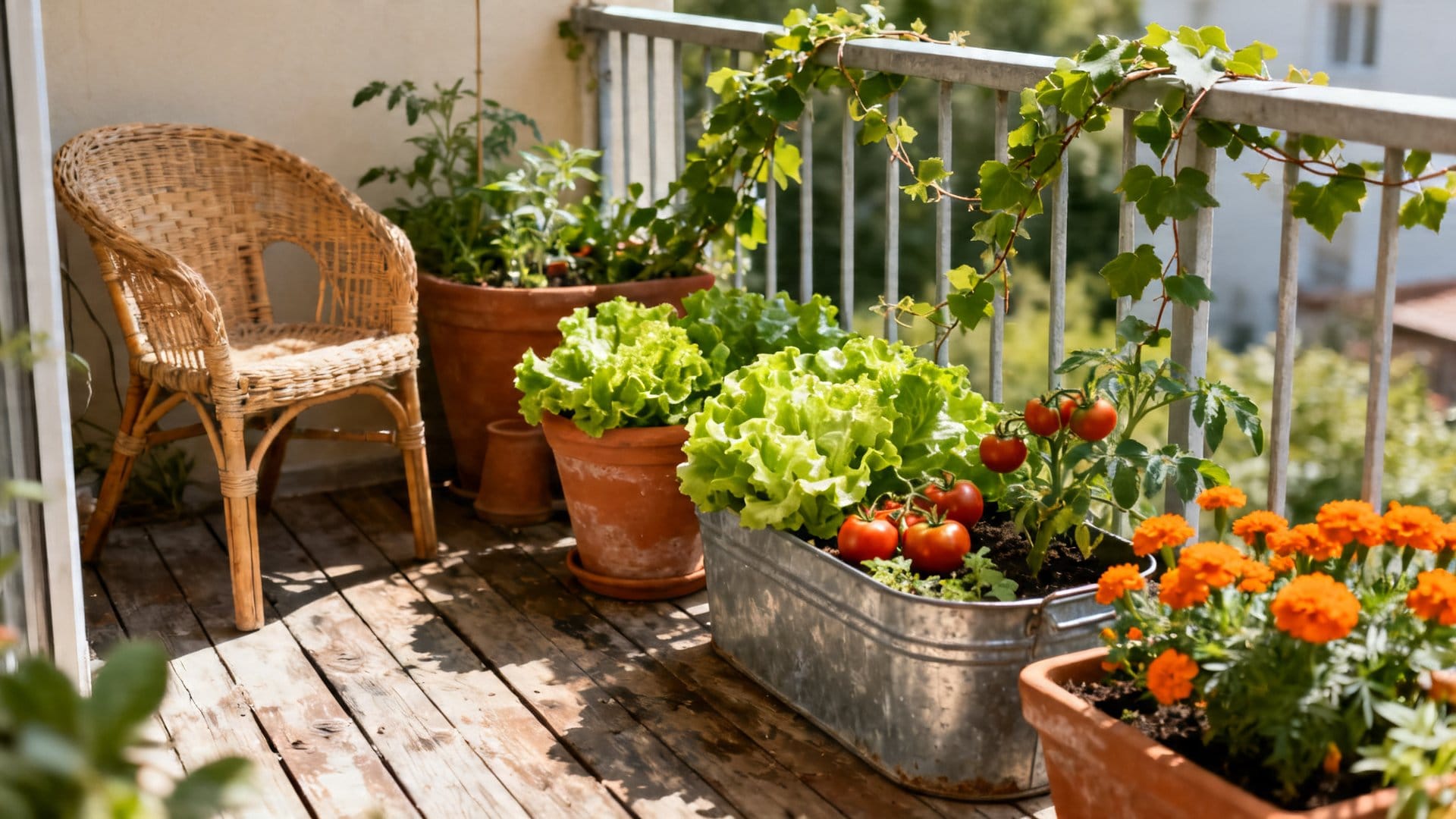
One of the most accessible simple home garden ideas for beginners is container gardening, because it works almost anywhere. Balconies, patios, front steps, even a corner of a small yard can become a lush little garden with surprisingly little effort. If you are working with a tight outdoor footprint, these apartment patio ideas on a budget pair beautifully with a few well-placed planters.
The beauty of containers is the flexibility they offer. You can move them around to chase sunlight, rearrange them seasonally, and experiment without committing to permanent beds. Tomatoes, peppers, strawberries, lettuce, and marigolds all thrive in containers when given the right pot size and consistent watering. A large 12-inch pot can support a cherry tomato plant that will produce fruit all summer long. Pair it with a trailing nasturtium for color and you have something that looks as good as it tastes.
Pro tip: Always choose containers with drainage holes at the bottom. Roots sitting in standing water is the number one reason beginner container gardens struggle, and it is entirely preventable with the right pot.
Should You Build or Buy a Raised Garden Bed for Vegetables?
Either option works well for beginners. A raised garden bed gives you full control over your soil and makes growing vegetables far more manageable than planting directly in the ground.
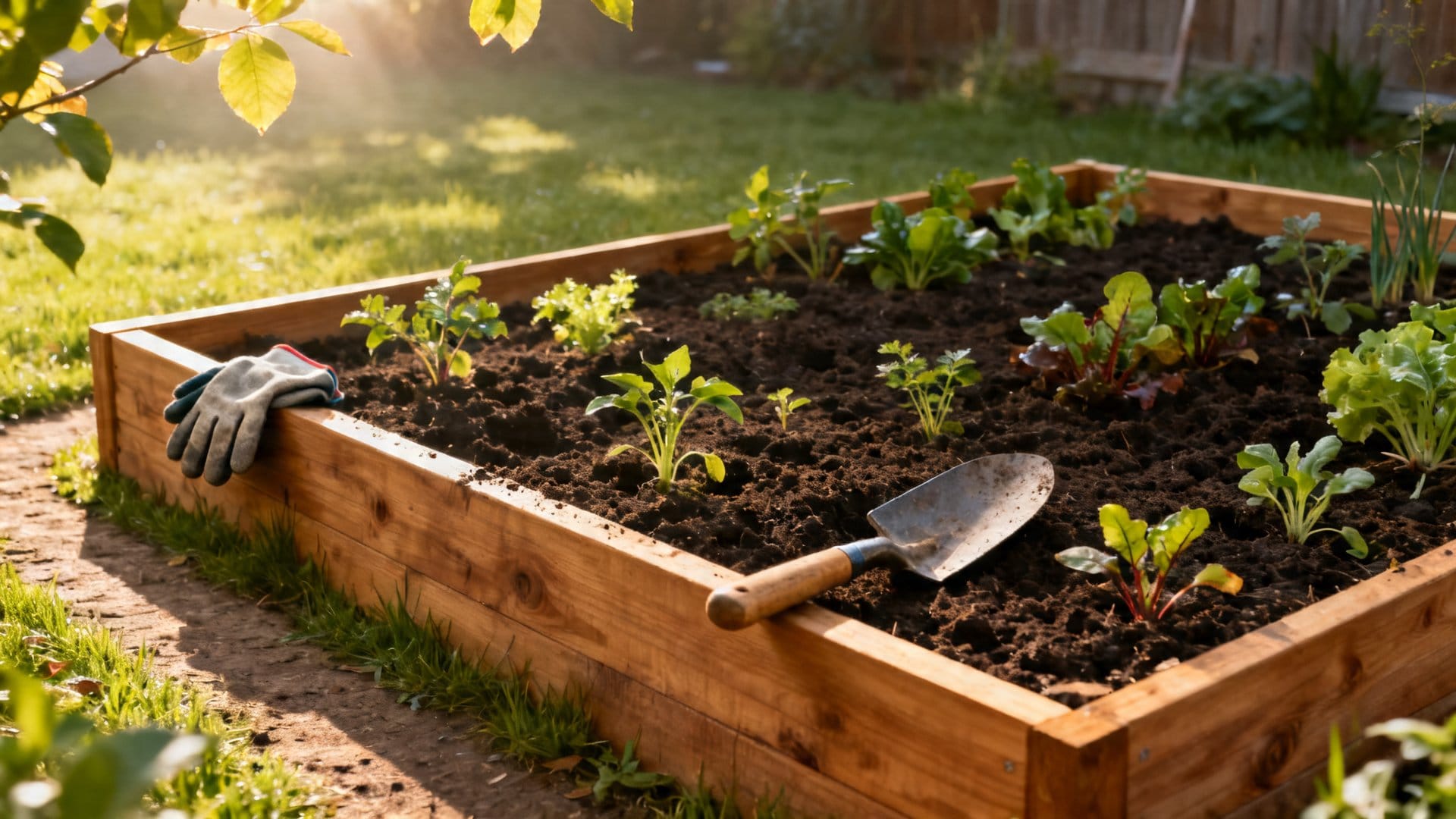
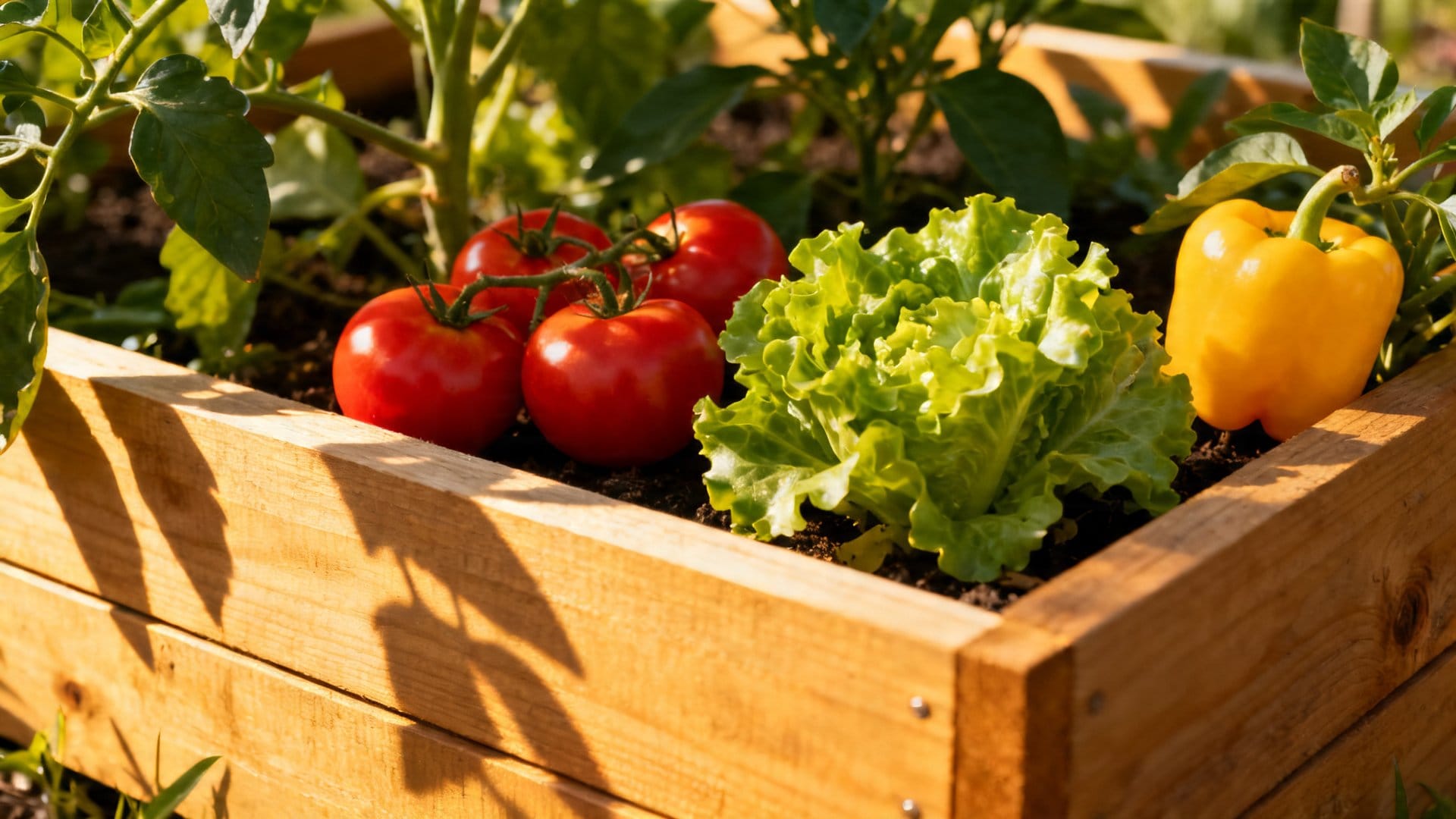
Raised garden beds have become enormously popular for good reason. They give you complete control over your soil, drain beautifully, and make it much easier on your back. For beginners wanting to grow vegetables, a single raised bed is one of the most satisfying ways to start. If you love the cozy, lived-in look of a productive plot, a touch of farmhouse garden decor around the edges makes the whole space feel like home.
A standard 4-by-8-foot raised bed gives you enough space to grow a meaningful mix of vegetables without feeling overwhelming. Fill it with a blend of topsoil, compost, and aged manure for rich, loose growing conditions that seeds love. One thing I have noticed is that beginners who start with a raised bed tend to stick with gardening long-term, because the results come faster and the weeding is far more manageable than in-ground beds.
Best Beginner Vegetables for a Raised Bed
Stick with easy, fast-growing crops your first season so you experience the joy of harvest quickly. Zucchini, bush beans, radishes, and leaf lettuce are all wonderfully reliable for first-time gardeners. They sprout fast, grow vigorously, and give you visible progress within days of planting, which keeps motivation high when you are just learning the rhythm of a garden.
Why Should You Grow Flowers From Seed for Color and Pollinators?
Growing flowers from seed is one of the most affordable and rewarding things a beginner gardener can do. Many varieties sow directly into the ground and bloom with very little effort.
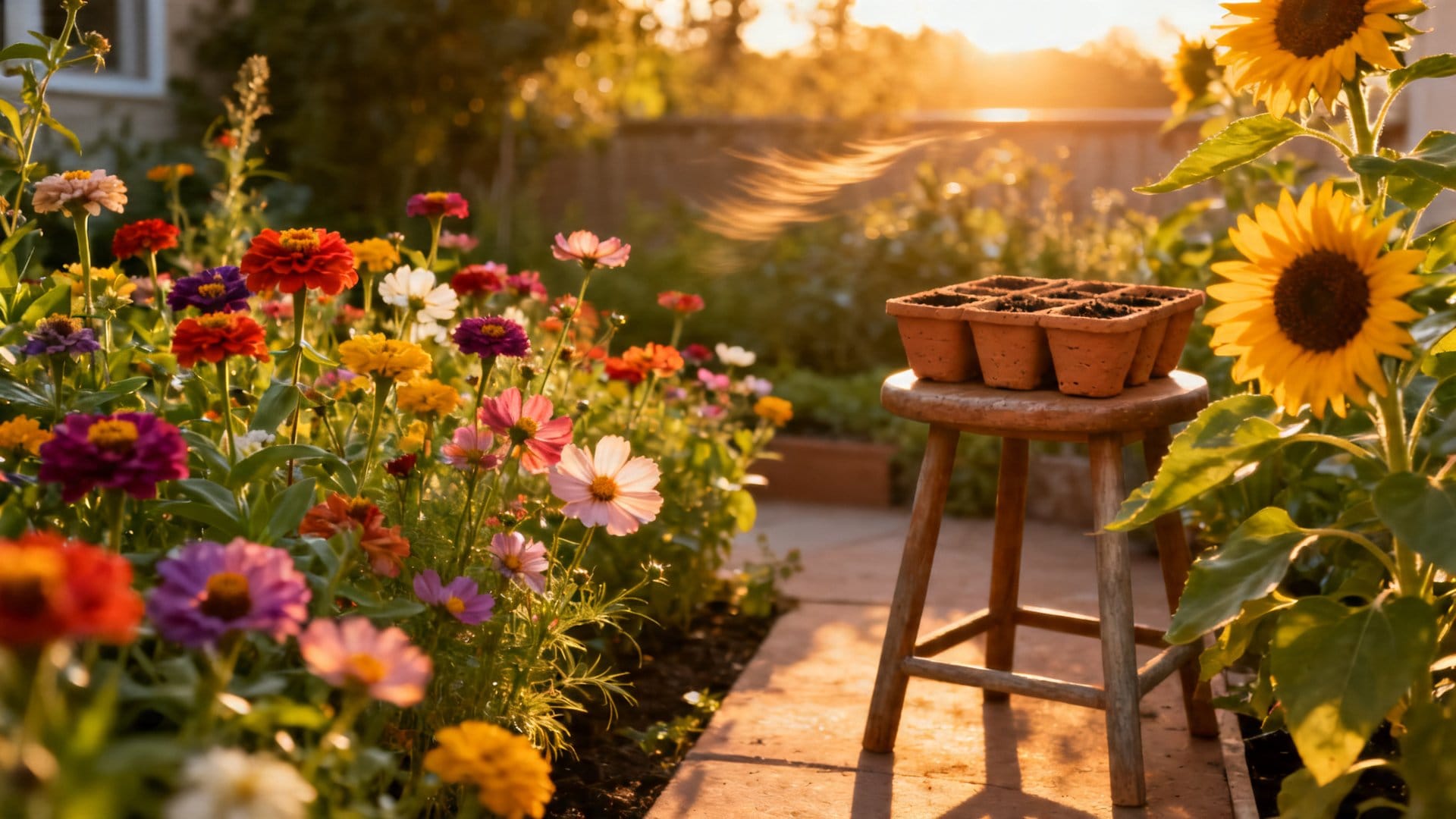
A vegetable garden feeds your table, but a flower garden feeds your soul, and honestly, it feeds your vegetables too. Growing flowers from seed is one of the most budget-friendly and joyful simple home garden ideas for beginners, especially when you choose varieties that practically grow themselves. For a more playful, magical corner, these summer fairy garden ideas are a lovely way to mix blooms with a little whimsy.
Sunflowers, zinnias, cosmos, and sweet alyssum are all incredibly easy to direct-sow straight into the ground or a container. You simply scatter seeds, press them lightly into the soil, water gently, and step back. Zinnias in particular are almost impossible to fail with. They germinate in days, grow fast, and bloom in a riot of orange, pink, red, and yellow that lasts from midsummer right through the first frost. A friend of mine filled an entire raised bed with zinnias her first gardening season and said it completely changed how she felt about her backyard.
Pro tip: Planting flowers near your vegetable garden attracts bees and butterflies, which dramatically improves pollination and ultimately increases your vegetable yield, a beautiful and practical combination.
&# 10024; You might also love:Summer garden decoration ideas to brighten your yard→With your beds planted and flowers growing, the next step toward a truly self-sustaining garden is learning to feed your soil from the ground up.
How Do You Create a Small Composting System to Feed Your Garden Naturally?
Creating a compost system is simpler than most beginners expect. You layer kitchen scraps and yard waste, keep the pile lightly moist, and within a few months you have rich, free fertilizer for your garden.
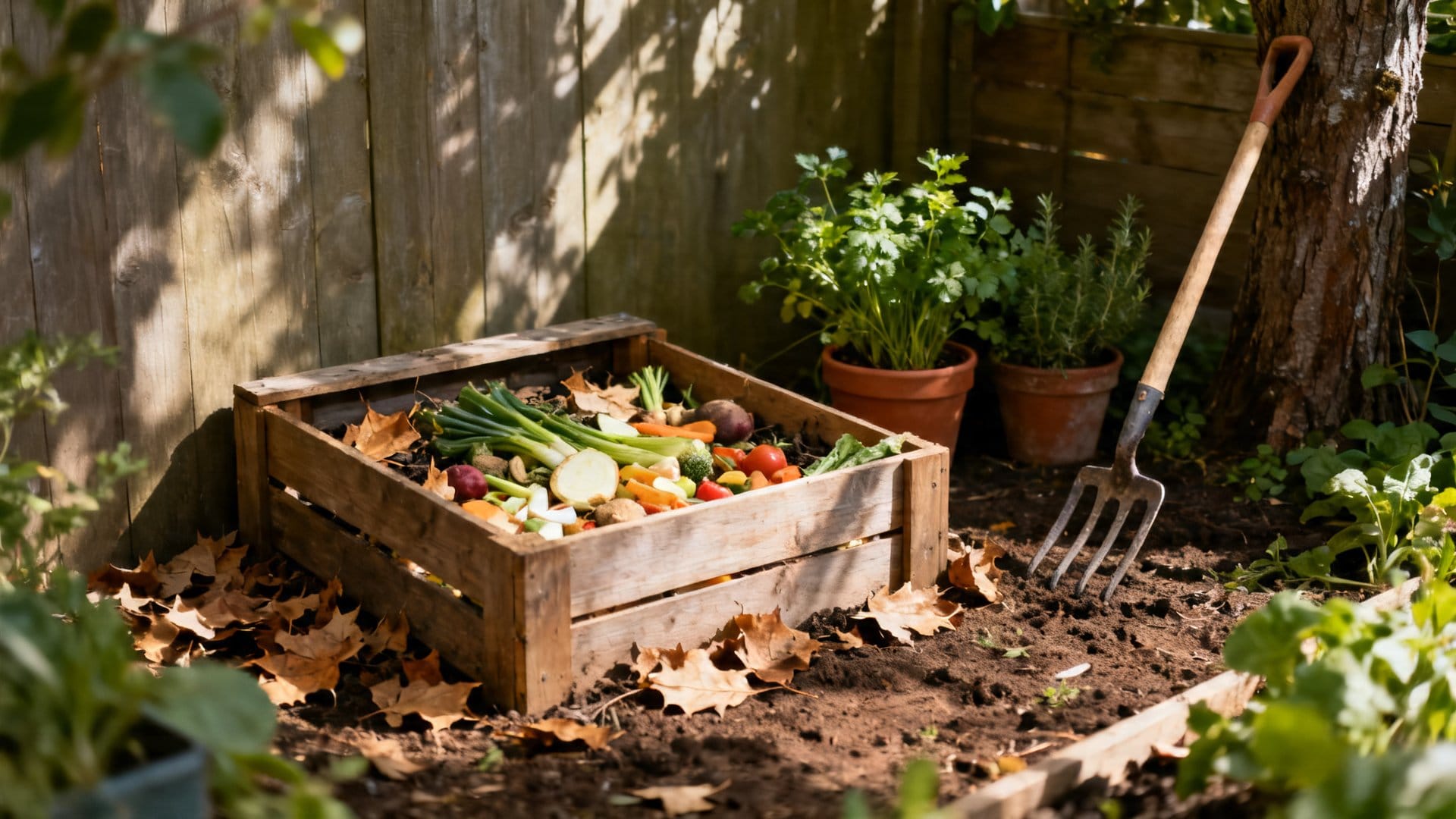
Healthy soil is the foundation of every thriving garden, and composting is the most natural way to build it. Even a small backyard compost bin or a simple tumbler-style composter can change your kitchen scraps and yard waste into rich, dark compost that your plants will absolutely love.
The idea of composting can feel intimidating at first, but the basics are genuinely simple. You layer green materials like vegetable peels, coffee grounds, and grass clippings with brown materials like dried leaves, cardboard, and straw. Keep the pile lightly moist, turn it occasionally, and within a few months you have free fertilizer that improves soil structure, feeds beneficial microbes, and reduces waste all at once. If you also love giving your yard a charming, weathered look, a few rustic garden decor ideas blend wonderfully with a natural, low-waste garden.
Why It Works
Compost-amended soil retains moisture far better than plain garden soil, which means less frequent watering during dry spells. It also introduces a living ecosystem of microorganisms that naturally suppress some plant diseases and pests. From what I have gathered, gardens fed with homemade compost consistently outperform those relying solely on synthetic fertilizers, especially over multiple seasons.
How Do You Design a Simple Pollinator Garden With Native Plants?
Designing a pollinator garden starts with choosing native plants suited to your local climate. These plants need minimal care and naturally attract bees, butterflies, and other beneficial wildlife.
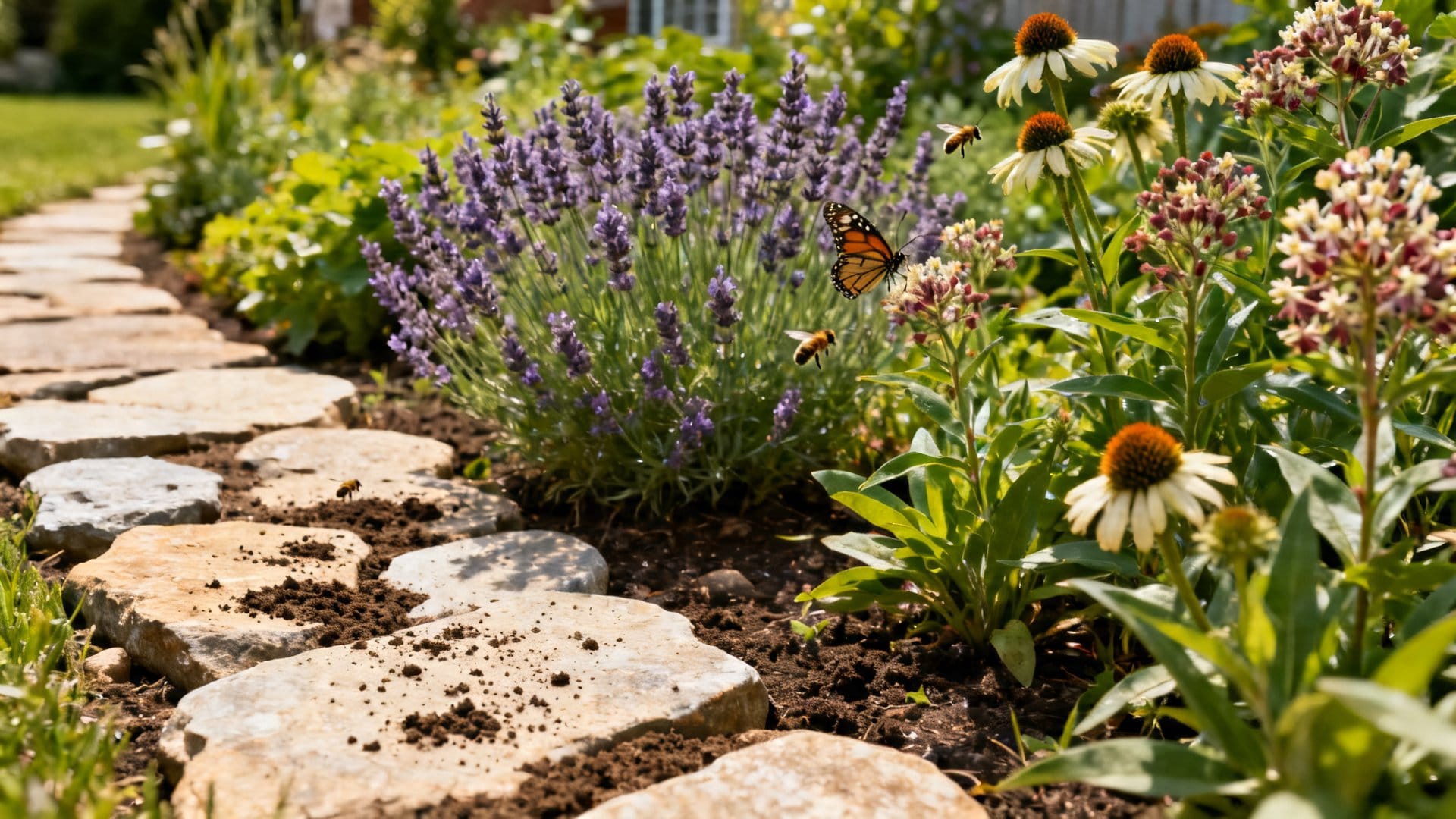
If you want a garden that practically takes care of itself while doing something genuinely good for the environment, a pollinator garden using native plants is one of the most rewarding options available to beginners.
Native plants are adapted to your local climate, soil, and rainfall patterns, which means they need far less water, fertilizer, and attention than exotic ornamentals. They also provide exactly the right food and habitat for local bees, butterflies, and hummingbirds. Coneflowers, black-eyed Susans, milkweed, and bee balm are all lovely, low-maintenance choices that work beautifully across most of the United States. For a softer, more romantic take on a blooming border, you may enjoy these vintage garden decor ideas tucked among your native flowers.
This works especially well in sunny spots along fences or the edges of a yard where you want color and life without constant maintenance. I keep coming back to this approach because it feels like gardening in partnership with nature rather than against it. The plants want to be there, and the wildlife shows up gratefully.
Pro tip: Check with your local cooperative extension office or a native plant society for a list of the best native species for your specific region. What thrives in Texas looks very different from what grows happily in the Pacific Northwest.
What Are the Best Practical Tips for Keeping Your Beginner Garden Thriving?
The most effective habits are simple ones done consistently. Watering deeply, mulching, and spending a few minutes in your garden each day will keep most beginner gardens healthy through the entire season.
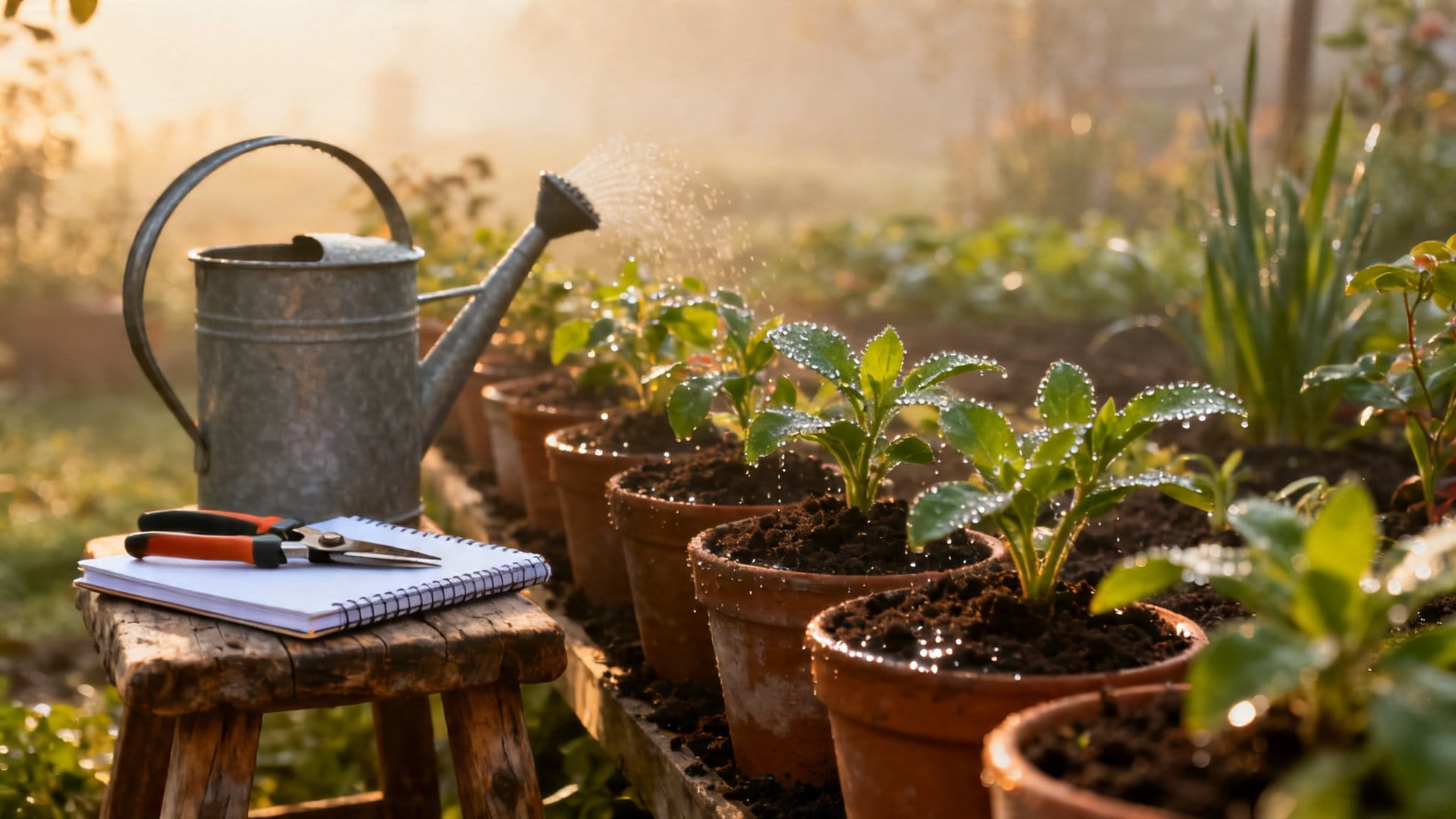
Starting a garden is exciting, but keeping it going through the season is where many beginners lose momentum. A few consistent habits make all the difference between a garden that flourishes and one that quietly fades by July. These are some of the most reliable garden ideas for beginners who want results that last all summer.
Simple Habits That Make a Big Difference
- Water deeply and less often rather than a little every day, since deep watering encourages roots to grow downward and creates more drought-resistant plants overall
- Spend ten minutes in your garden each morning to spot pest damage, wilting, or overcrowding before small problems become big ones
- Mulch around your plants with a 2-to-3-inch layer of wood chips or straw to lock in moisture, regulate soil temperature, and dramatically reduce weeding
- Keep a simple garden journal noting what you planted, when it sprouted, and what worked, since this information becomes invaluable when planning next year’s garden
- Thin seedlings early and without guilt, because overcrowded plants compete for nutrients and rarely perform as well as those given proper space to grow
These small, consistent actions take very little time individually but add up to a garden that feels cared for and responds with abundance. Gardening rewards attention more than effort, and once you fall into the rhythm of it, those daily check-ins become one of the most peaceful parts of your day.
&# 128064; Don't miss:Modern garden decor ideas to style your finished space→Final Thoughts
There has never been a better moment to explore these simple garden ideas for beginners. Whether you start with a single pot of basil on your kitchen windowsill or a full raised bed bursting with summer vegetables, every garden begins with one small, hopeful step. Your space, your pace, and your style all get to shape what this looks like for you, and that is exactly what makes it so personal and rewarding. The most important thing is simply to begin, to plant something, water it, and watch what happens next. Happy gardening!
Frequently Asked Questions
Container gardening is widely considered the easiest starting point for beginners because it requires minimal space, little upfront investment, and gives you full control over soil quality and placement. You can begin with just a few pots on a balcony or windowsill and gradually expand as your confidence grows. Herbs like basil, mint, and chives are especially forgiving choices for your first containers.
Absolutely not, since some of the most productive and rewarding gardens grow in very small spaces, including apartment balconies, patios, and even sunny indoor windowsills. Vertical gardens, hanging planters, and compact raised beds are all great solutions designed specifically for limited spaces. What matters most is access to adequate sunlight, typically at least six hours per day, rather than the overall size of your growing area.
Starting a home garden can be surprisingly affordable, with many beginners getting started for well under fifty dollars using basic seed packets, recycled containers, and a bag of quality potting mix. You do not need expensive tools or elaborate raised bed kits to grow something beautiful and productive. As you gain experience and decide which type of gardening you enjoy most, you can invest more gradually and intentionally.
Overwatering is one of the most frequent mistakes new gardeners make, as it is easy to assume that more water equals better growth when in reality it can suffocate roots and cause rot. Planting too many different things at once is another common pitfall that leads to feeling overwhelmed and losing track of each plant’s specific needs. Starting small, choosing low-maintenance plants, and learning to check soil moisture before watering will help you build good habits from the very beginning.
The best time to start depends on your local climate and what you plan to grow, but spring is generally the most popular and beginner-friendly season because warming temperatures and longer days support strong plant growth. However, if you are growing herbs indoors or starting seeds in containers, you can realistically begin at almost any time of year. Checking your region’s last frost date is one of the most helpful first steps, as it tells you when it is safe to plant outdoors without risking cold damage.