

I remember the exact moment last June when I walked into my own living room, glanced at the sofa, and thought — those winter pillows have to go. There’s a specific moment every year when you walk into your living room, glance at the sofa, and think — those pillows just don’t feel right anymore. Maybe the colors feel too heavy, or the textures seem out of place now that the windows are open and the breeze is drifting in. That feeling is your home telling you it’s time for a change. Spring to summer pillow swaps are one of the simplest, most satisfying ways to honor that seasonal shift without rearranging a single piece of furniture. This article will walk you through spring to summer pillow swaps thoughtfully, joyfully, and with real intention — so your space feels as fresh as the season itself.
The quick answer: The easiest spring summer pillow swaps trade heavier velvets and dark plaids for breezy linen, cotton, and lighter tones — soft whites, sage, dusty blue, pale coral. Keep one or two existing pillows as anchors, swap in two or three lighter ones, and add a single tropical or floral accent.
Why Are Pillows the Secret to a Seasonal Refresh?
Pillows are the secret to a seasonal refresh because they change a room’s entire mood instantly — no tools, no major purchases required. They combine color, texture, and softness in one small swap that delivers an outsized visual impact.
 Shop this look: summer pillow covers on Amazon
Pillows do something that very few other home accessories can — they change the entire mood of a room without requiring a single power tool or a major shopping trip. They carry color, texture, and softness all at once, which means swapping them out is genuinely one of the highest-impact, lowest-effort updates you can make.
One thing I’ve noticed is that people often underestimate just how much a sofa’s personality shifts when you change its pillows. A neutral gray couch that felt moody and grounded in March can feel airy and welcoming in June simply by swapping out velvet cushions for linen ones in a soft sage or warm white. The bones of the room stay exactly the same — the feeling completely changes.
Why It Works
Pillows work as seasonal anchors because they’re the first thing the eye lands on in a seating area. When their color and texture align with the current season, the whole room feels intentional and cohesive — even if nothing else has changed.
How Do You Read the Color Shift from Spring to Summer?
The shift from spring to summer is really about turning up the volume on your existing palette — bright citrus-toned summer pillows are an easy way to do it. Spring leans soft and hazy, while summer calls for bolder, more saturated tones like coral, cobalt, and terracotta.
 Shop this look: floral pillows on Amazon
Spring and summer share a lot of the same color family — both lean toward lighter, brighter palettes — but they speak in slightly different dialects. Spring colors tend to be soft and hazy: dusty rose, lavender, pale mint, blush peach. Summer, on the other hand, reaches for something bolder and more saturated: deep coral, cobalt blue, sunflower yellow, warm terracotta.
When you’re planning your spring to summer pillow swaps, think of it as turning up the volume on your existing palette rather than starting from scratch. If you had blush pink pillows in spring, try moving toward a deeper coral or a punchy rust for summer. If you loved a soft sage green, consider pairing it with a richer olive or a bold navy as the season warms up. I love how this approach creates a sense of continuity — your home feels like it’s evolving, not reinventing itself every few months.
Pro tip: Pull one color from something already in your room — a piece of art, a rug, even a favorite throw blanket — and use it as your anchor when choosing summer pillow colors. This keeps the swap feeling select rather than random.
Once you’ve settled on your summer color direction, the next step is choosing fabrics that bring those colors to life in the right way.
&# 128719; Style it further:25 Summer Throw Pillows That Transform Your Living Room→Which Textures Signal That Summer Has Arrived?
Lightweight, breathable fabrics like linen, woven cotton, and jute signal that summer has arrived — exactly the textures behind coastal summer pillow ideas. These materials look and feel airy, which is exactly the quality a warm-weather room needs.
 Shop this look: bright pillows on Amazon
Color gets a lot of attention in seasonal decorating, but texture is equally powerful — maybe even more so, because we feel it before we consciously notice it. Spring pillows often carry a bit of softness: cotton knits, light wool blends, brushed fabrics that still nod to the tail end of cool weather. Summer calls for something that breathes.
Linen is the undisputed star of summer pillow fabric. It wrinkles beautifully, softens with use, and has that effortlessly relaxed quality that makes a room feel like it’s on a permanent slow morning. Woven cotton, jute-blend covers, and even lightweight canvas all carry that same easy-summer energy. Avoid anything with a plush pile or heavy weight — velvet, faux fur, and thick fleece covers are wonderful in winter but they visually “read” as warm, which works against the breezy summer mood you’re going for.
Materials That Work
For summer pillow covers, look for stonewashed linen, lightweight cotton slub, open-weave macramé accents, or printed canvas. These materials not only look the part — they also feel cooler to the touch, which is a subtle but genuinely pleasant detail on a hot afternoon.
How Do You Mix Patterns Without Stressing the Room?
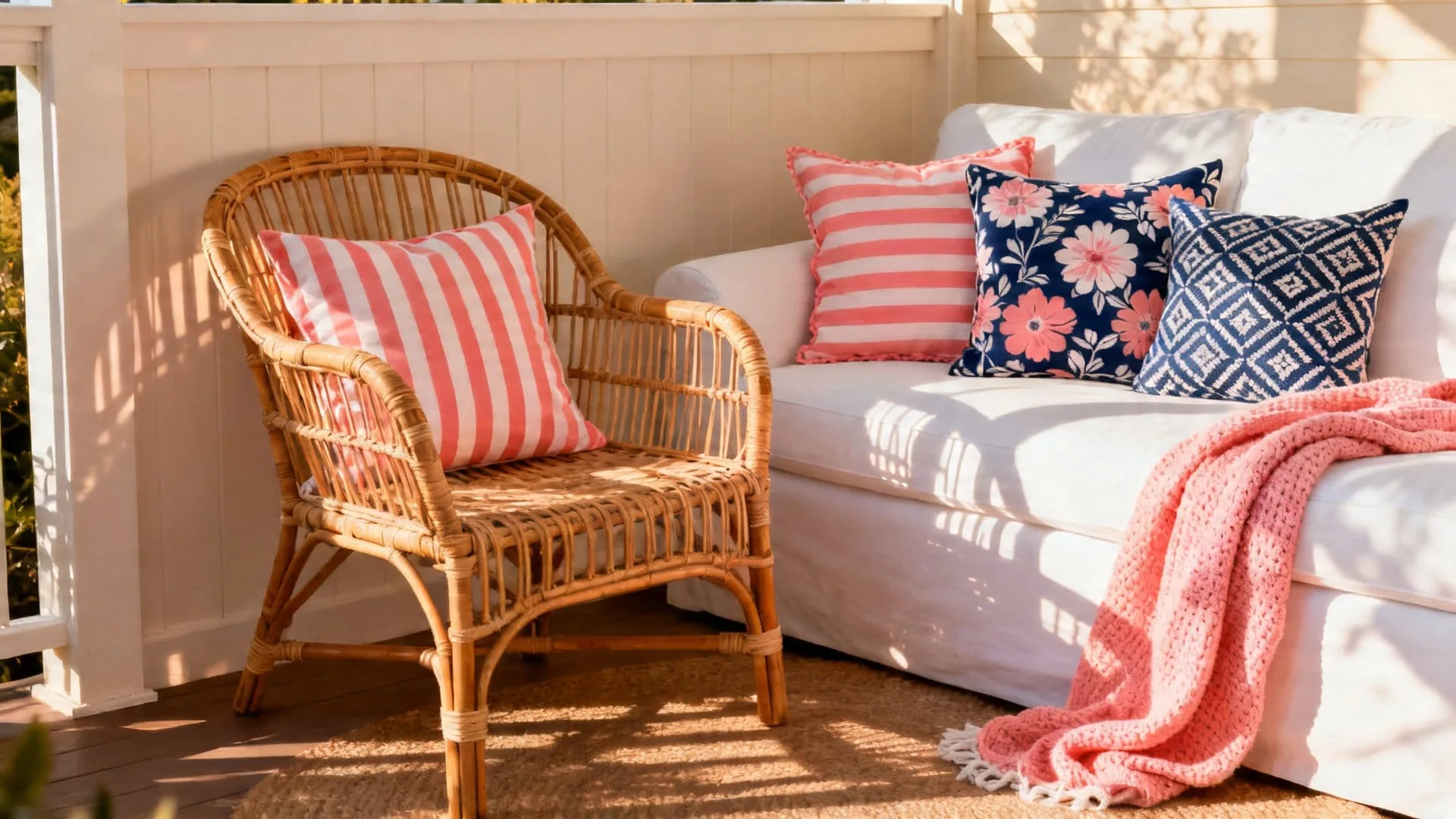
The key to mixing patterns without stressing a room is to vary the scale — our tropical summer pillow designs show how bold prints can still feel balanced and keep the color palette consistent. Pair a large bold print with a smaller geometric or botanical, and repeat two or three colors across all your pillows to hold the grouping together.
 Shop this look: linen pillows on Amazon
Summer is the season that gives you permission to play with pattern a little more boldly. Stripes, botanical prints, geometric block prints, and loose watercolor florals all feel at home in a summer living room or bedroom. The challenge is mixing them without the sofa looking like a mood board explosion.
A friend of mine tried something similar in her sunroom — she mixed a wide navy stripe with a small white-and-green leaf print and a solid warm white pillow in between. The result looked so intentional that guests assumed she’d hired someone to style it. She hadn’t. She’d just followed the scale rule and let the colors do the work.
Pro tip: Always include at least one solid pillow in your grouping. It gives the eye a place to rest and keeps the arrangement from feeling too busy, no matter how many patterns you’ve mixed in.
How Many Pillows Do You Need and Where Should You Put Them?
The right number of pillows depends on your furniture size, but the goal is always a grouping that looks intentional without feeling stiff. Odd numbers tend to feel more relaxed, and placement should frame how you actually want to use the space.
 Shop this look: seasonal covers on Amazon
This is the question I hear most often, and the answer is simpler than most people expect. The goal isn’t to follow a formula — it’s to create a grouping that looks intentional without looking stiff.
Layout Ideas
- On a standard three-seat sofa: two larger 20-inch pillows at each end, one or two smaller 18-inch accent pillows in the center — odd numbers feel more relaxed than even ones
- On a loveseat or small sofa: two pillows of the same size in complementary colors work beautifully without crowding the seat
- On a bed: layer two Euro shams at the back, two standard pillows in front, and finish with one lumbar pillow in a bold summer print for a polished but unfussy look
- On an outdoor bench or porch swing: weather-resistant covers in a single bold color or simple stripe keep things cheerful and low-maintenance
- In a reading nook or window seat: pile them generously — this is one spot where more really does feel better, especially in a mix of textures
Think of pillow placement as framing the space for how you actually want to use it — inviting, comfortable, and easy to sink into on a long summer afternoon.
With your summer pillows in place, it’s worth taking a moment to think about what happens to the ones you’ve just swapped out.
What Is the Smart Way to Store Your Spring Pillows?
The smart way to store spring pillows is to wash all covers first, let them dry completely, then fold them into a breathable cotton bag or pillowcase. Avoid plastic bins, which trap moisture and can cause yellowing over time.
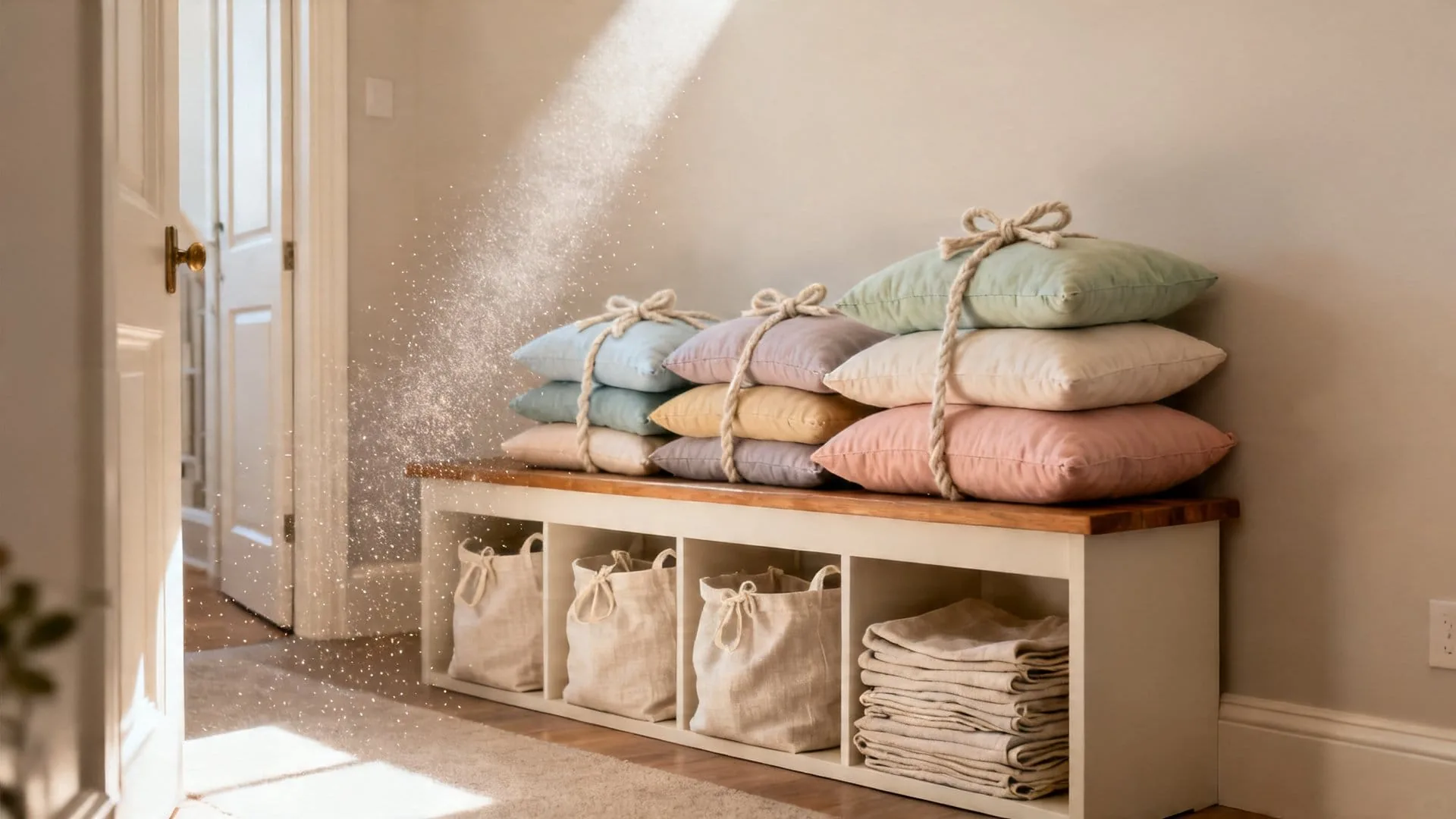
One of the small pleasures of seasonal pillow swaps is that your spring collection gets to rest while summer takes the stage — but only if you store them properly. Pillow covers tossed into a bin without care come out wrinkled, musty, or worse, with a faint mildew smell that no amount of airing out will fully fix.
This small habit makes the whole seasonal swap cycle feel effortless. When you pull out your spring pillows again next year, they’ll look and smell fresh, and you’ll actually be glad to see them.
Pro tip: Take a quick photo of your spring pillow arrangement before you swap it out. Next year, you won’t have to guess what worked — you’ll have a reference right in your phone’s camera roll.
&# 128064; Worth a look:Summer Throw Pillows: The Ultimate Room-by-Room Style Guide→
What Are Budget-Friendly Ways to Build a Seasonal Pillow Collection?
The most budget-friendly approach is to invest in quality pillow inserts — and if you want color-pairing help, see our blue decorative pillow guide once and rotate covers as the seasons change. Covers cost far less than full pillows and take up a fraction of the storage space.
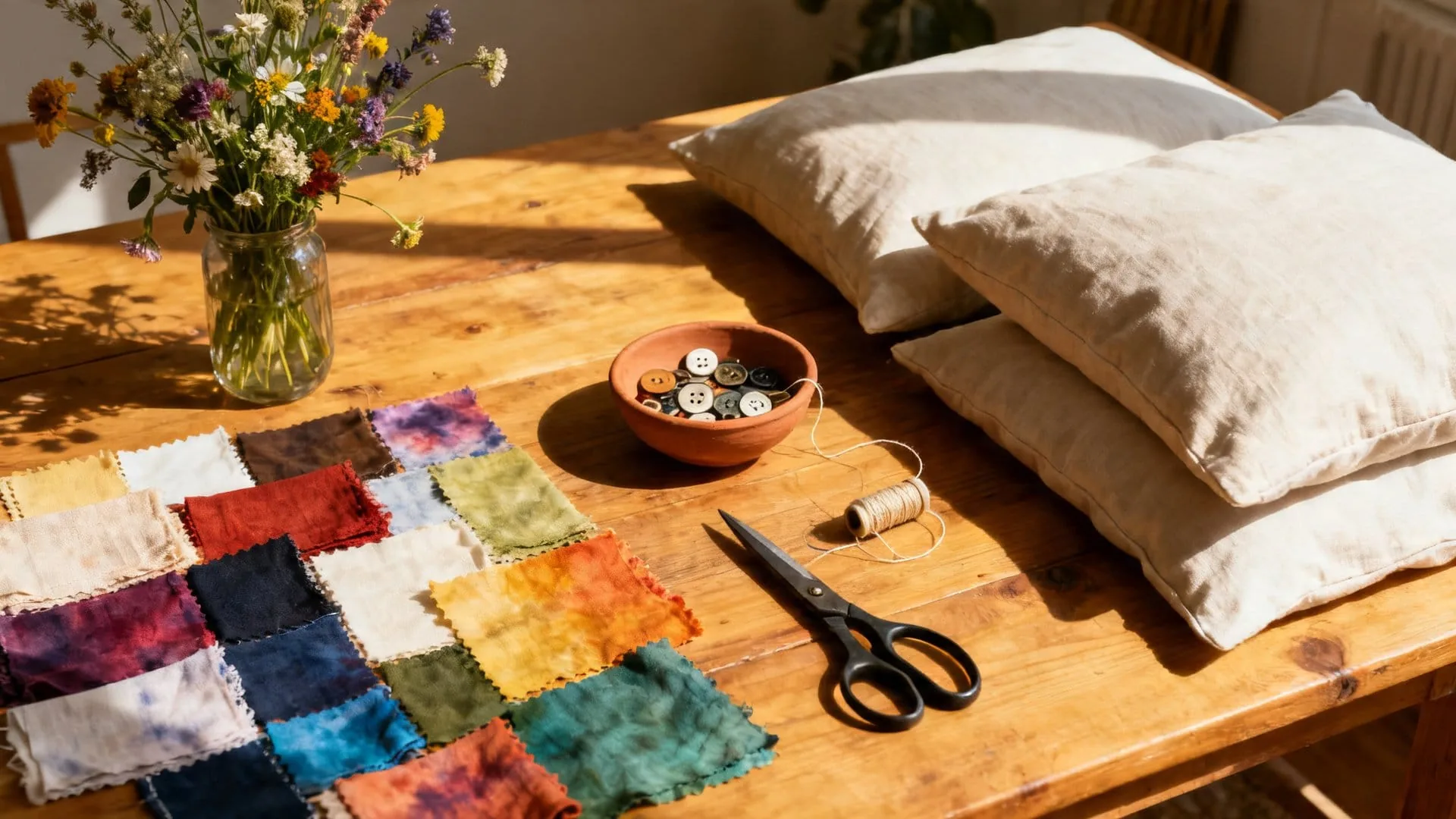
Home goods stores and online marketplaces often carry a wide range of pillow covers in seasonal colors, and thrift stores are genuinely wonderful hunting grounds for unique printed covers that you won’t find anywhere else. Estate sales sometimes turn up beautiful vintage linen covers in muted, faded tones that have a quality no new piece can replicate. This kind of layered, found collection is part of what makes a home feel personal rather than catalog-styled.
This works especially well in smaller homes where storage is limited — a flat stack of pillow covers takes up almost no space compared to a bin full of fully stuffed pillows. It’s one of those practical solutions that also happens to be the more beautiful one.
Final Thoughts
Spring to summer pillow swaps are one of those small seasonal rituals that carry more meaning than their simplicity suggests — they’re a way of paying attention to your home, of saying yes to the season, and of making your everyday surroundings feel alive and cared for. Whether you swap out every pillow on your sofa or simply change one or two covers in the bedroom, the effect is real and immediate. Trust your instincts with your spring to summer pillow swaps — follow the colors and textures that make you feel good, and don’t overthink it — your home already knows what it needs. Happy summer decorating!

Frequently Asked Questions
Most home décor experts recommend making the full seasonal swap once — typically in late May or early June — when the weather has reliably warmed and you’re ready to commit to a lighter, breezier aesthetic. However, you can make smaller adjustments, like swapping just one or two accent pillows, as early as March or April if your space already feels too heavy or dark. The key is to follow your instincts and let the natural light and temperature in your home guide your timing.
For summer, lightweight and breathable fabrics like linen, cotton canvas, and woven jute are good choices because they feel casual, airy, and visually cool even on the hottest days. These materials also tend to resist the kind of heat retention that heavier fabrics like velvet or chenille are known for, making your seating areas feel more comfortable during warm months. Outdoor-grade fabrics such as Sunbrella are also worth considering, especially if your pillows will be used on a patio or sunroom furniture.
The most popular color directions for summer pillows include soft coastal palettes featuring sandy neutrals, ocean blues, and crisp whites, as well as vibrant tropical schemes with coral, citrus yellow, and leafy greens. Earthy terracotta tones paired with warm cream and sage green have also become a widely embraced choice for those who prefer a more grounded, nature-inspired summer look. The best approach is to pull from colors already present in your room — like a rug, artwork, or curtain — and let those anchor your pillow selections.
You absolutely do not need to purchase entirely new pillows every season — swapping pillow covers is one of the most budget-friendly and sustainable ways to refresh your space. Many standard pillow inserts come in universal sizes like 18×18 or 20×20 inches, which means you can build a small collection of inserts and simply rotate covers throughout the year. Investing in high-quality inserts once and purchasing new covers seasonally will save you significant money over time while still giving your home a completely fresh look each season.
For a summer aesthetic, less is often more — a lighter, more open arrangement of three to five pillows on a standard sofa tends to feel appropriately relaxed and uncluttered compared to the layered, cozy stacking you might embrace in fall or winter. A common approach is to use two matching pillows on either end for symmetry, then add one or two contrasting accent pillows in the center to introduce pattern or a pop of color. The goal during warmer months is to create a sense of ease and airiness, so resist the urge to over-pile and let each pillow have visual breathing room.