
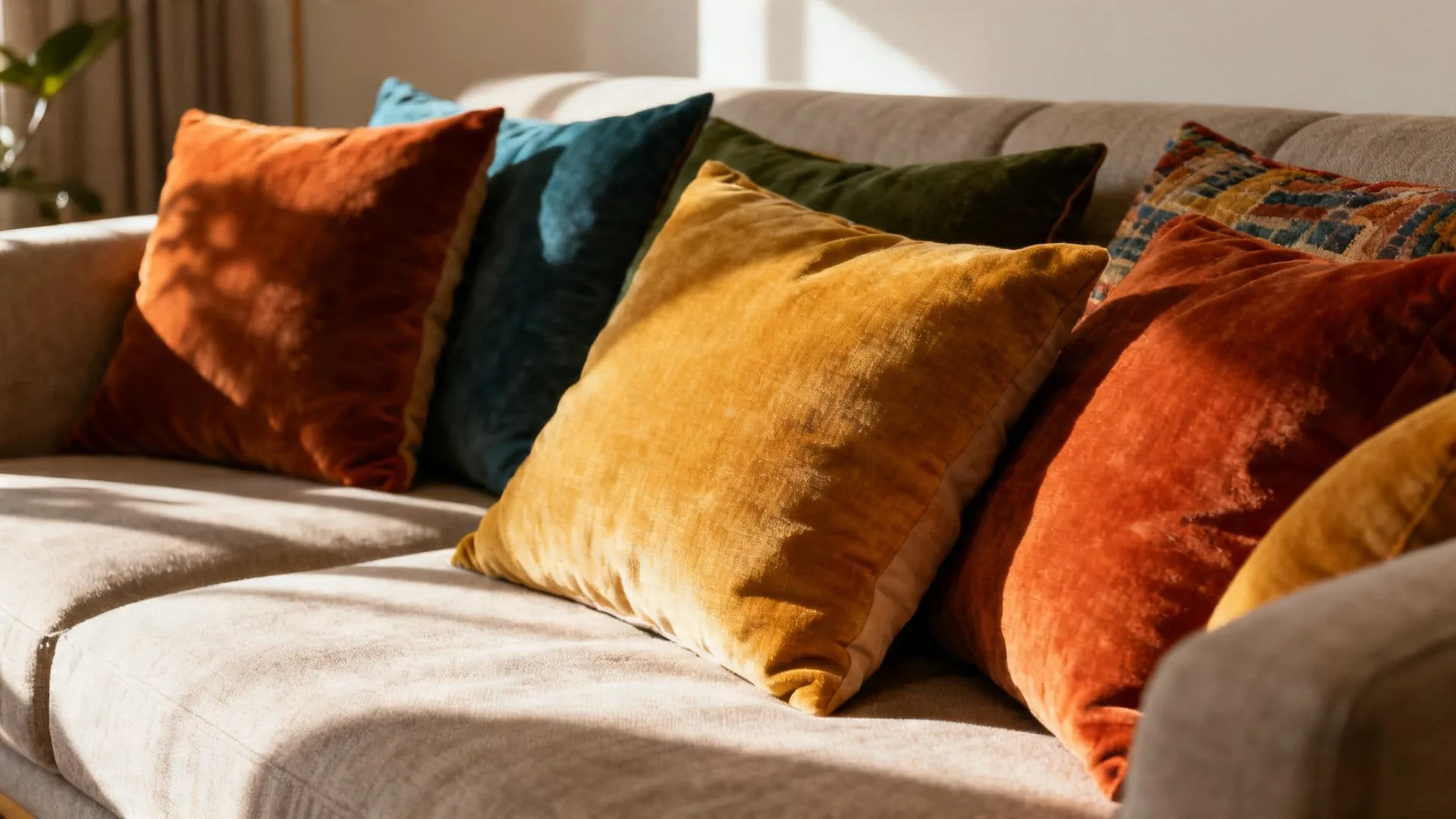
There’s a moment — maybe you’ve felt it too — when you sink into your sofa after a long day and something just feels off. The room is fine, but it doesn’t quite feel like yours yet. That’s often where decorative living room pillows come in, doing quiet, underestimated work to pull a space together. In this article, we’re exploring modern and cozy ideas that go beyond the basic “grab two matching pillows” advice, because your living room deserves more thought than that. Whether your style leans sleek and minimal or warm and layered, there’s a pillow approach here that will click for you.
The quick answer: The best decorative living room pillows mix three textures (linen, velvet, knit), two scales (large 22″ and accent 18″), and one accent color repeated across the room. Group in odd numbers, pair patterns with solids, and refresh seasonally — a small swap reads bigger than a furniture change.
Why Is Pillow Styling More Powerful Than You Think?
Pillow styling is one of the most impactful — and underrated — ways to change a living room. Because pillows are easy to swap and relatively affordable, they can shift the entire mood of a space without moving a single piece of furniture.
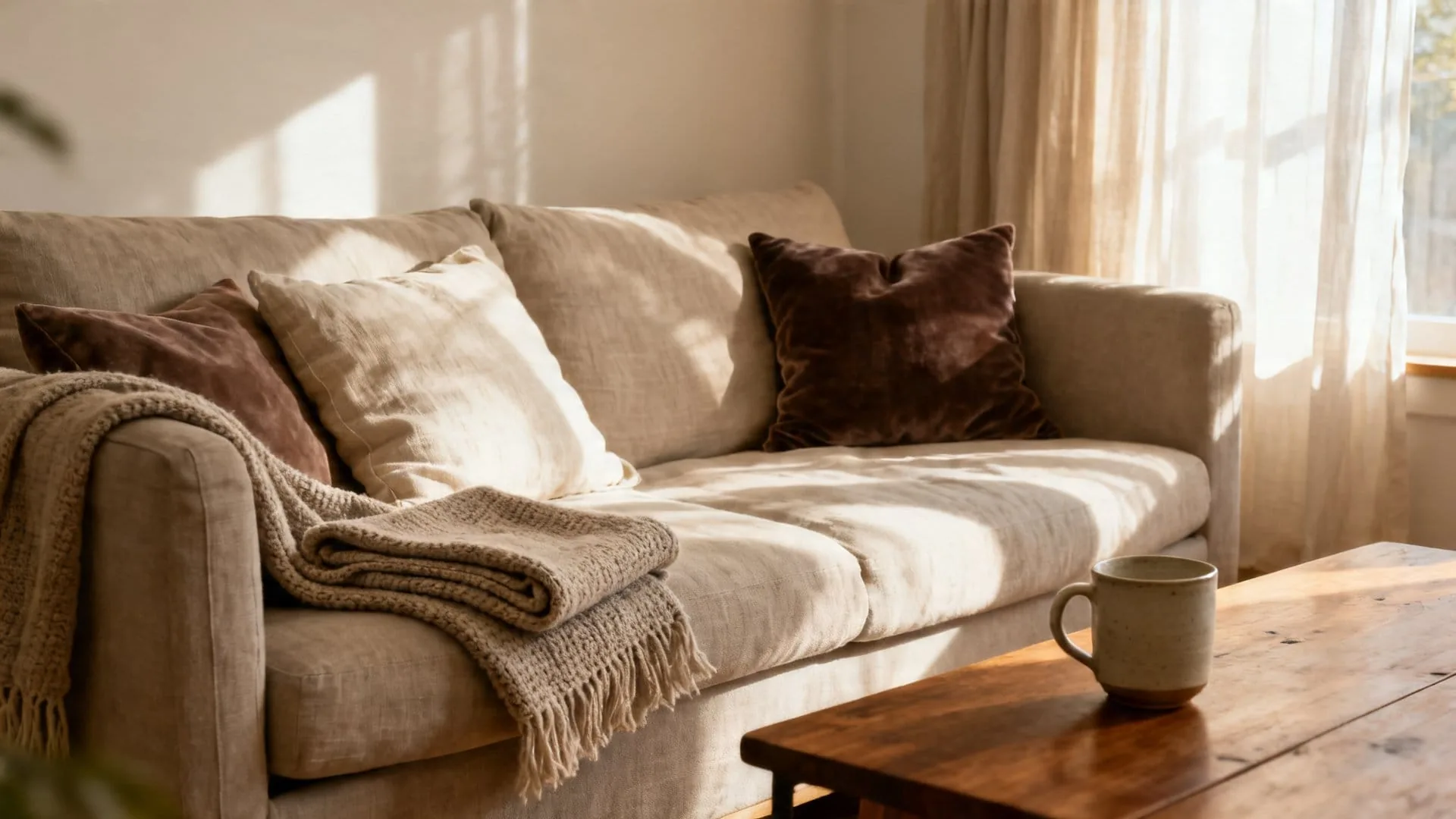 Shop this look: a throw pillow set on Amazon
Most people treat throw pillows as an afterthought — something to toss on the couch once the “real” decorating is done. But pillows are actually one of the most flexible design tools you have, because they’re easy to swap, relatively affordable, and they shift the entire mood of a room without moving a single piece of furniture.
One thing I’ve noticed is that the homes that feel the most select and inviting almost always have pillows that look intentional but not stiff. There’s a softness to the arrangement, like someone actually sits there and lives in the space. That’s the feeling we’re going for — not a showroom, but a home.
Why It Works
Pillows add both visual texture and physical comfort in one move. They introduce color, pattern, and material without any commitment — if a style stops feeling right, you can swap them out for a fraction of what a new sofa or rug would cost. That flexibility is what makes them such a smart starting point for refreshing a room.
What Is the Right Way to Mix Pillow Textures?
The right way to mix pillow textures is to combine contrasting materials — the same instinct behind coastal summer pillow styling — such as velvet, linen, and chunky knit — within a cohesive color palette of two to three tones. This creates an arrangement that feels collected and layered rather than matchy or flat.
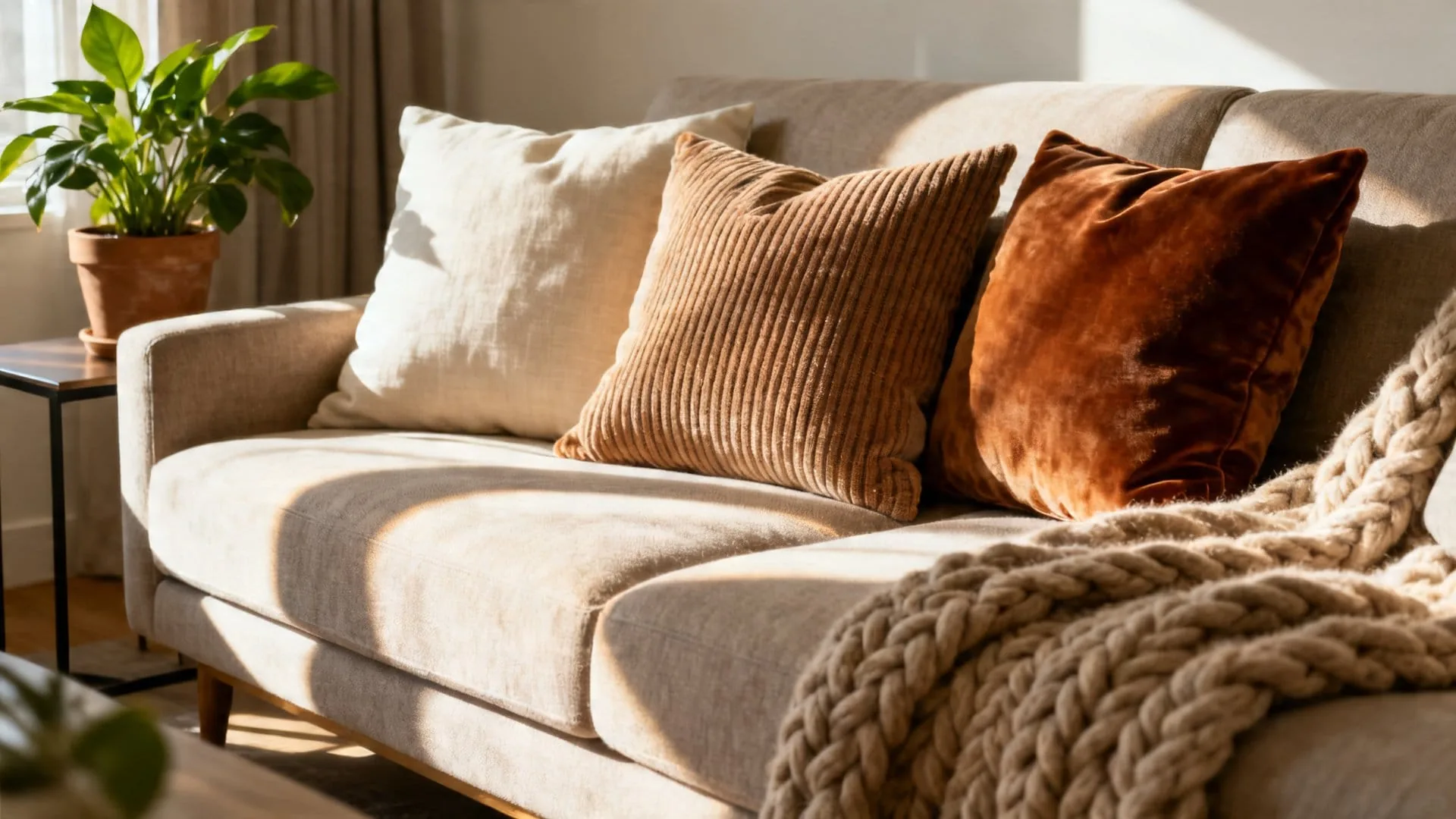 Shop this look: modern pillow covers on Amazon
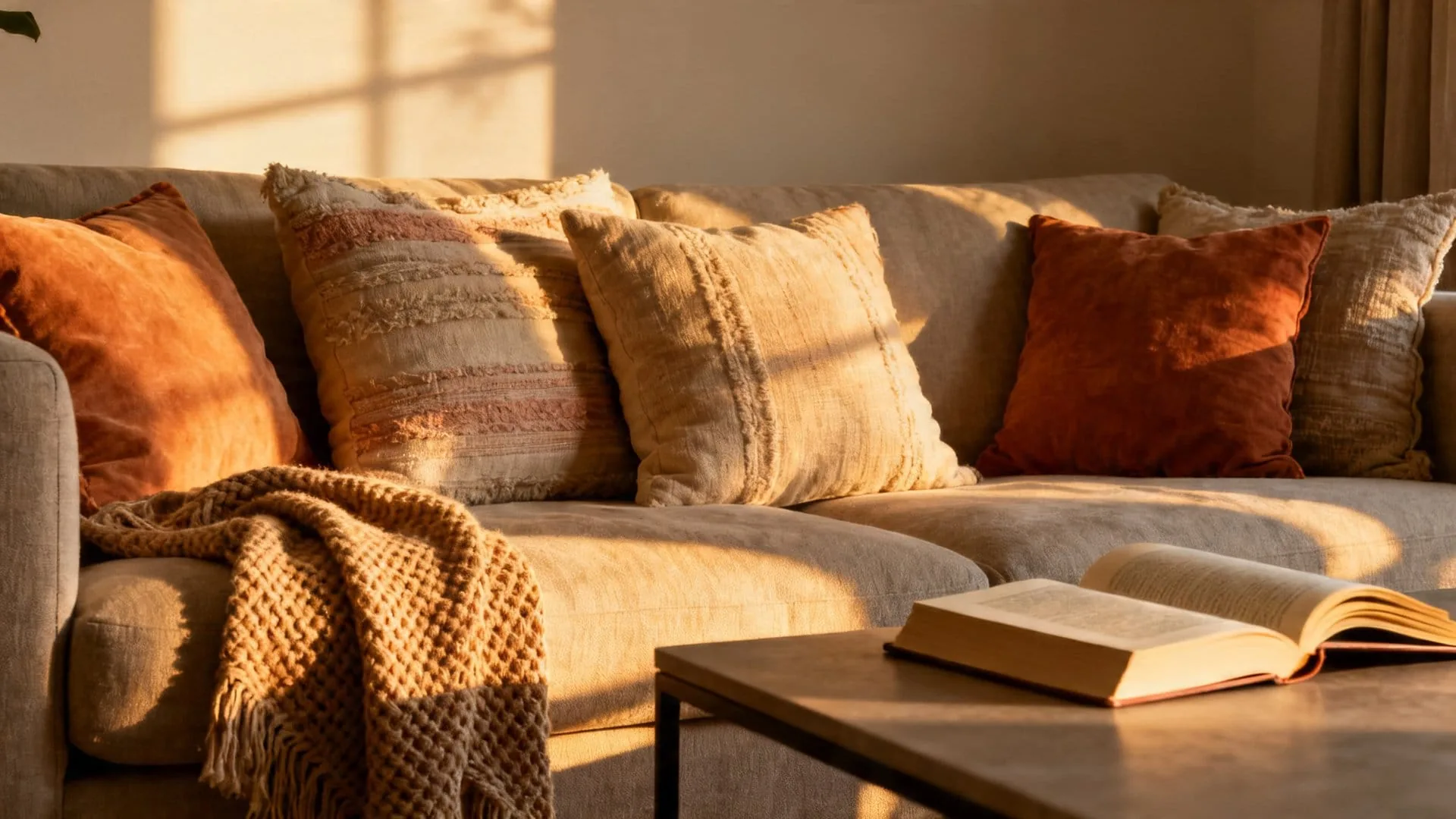
If there’s one styling rule that consistently makes a living room feel rich and layered, it’s mixing textures across your decorative living room pillows rather than matching materials. Think velvet next to linen, or a chunky knit cushion beside a smooth cotton cover in a similar color family. The contrast does something almost magical — it makes the whole arrangement feel collected over time rather than purchased in one trip.
A friend of mine tried this approach after years of buying matching pillow sets, and she said it completely changed how her living room felt. She kept a neutral linen base, added one deep emerald velvet pillow, and layered in a small woven pillow with fringe detail. Suddenly the couch looked like it belonged in a design magazine — but in a warm, lived-in way, not a sterile one.
Pro tip: Stick to a cohesive color palette of two to three tones, then go wild with texture variety. This keeps the arrangement feeling intentional even when the materials are very different from each other.
Which Modern Pillow Styles Don’t Feel Cold?
Modern pillow styles that use clean lines and geometric patterns in warm earth tones — and a few navy and light-blue accent pillows keep them from feeling cold — like terracotta, soft rust, or dusty olive — deliver a contemporary look without sacrificing warmth. Choosing natural materials in these shades keeps the aesthetic modern yet genuinely inviting.
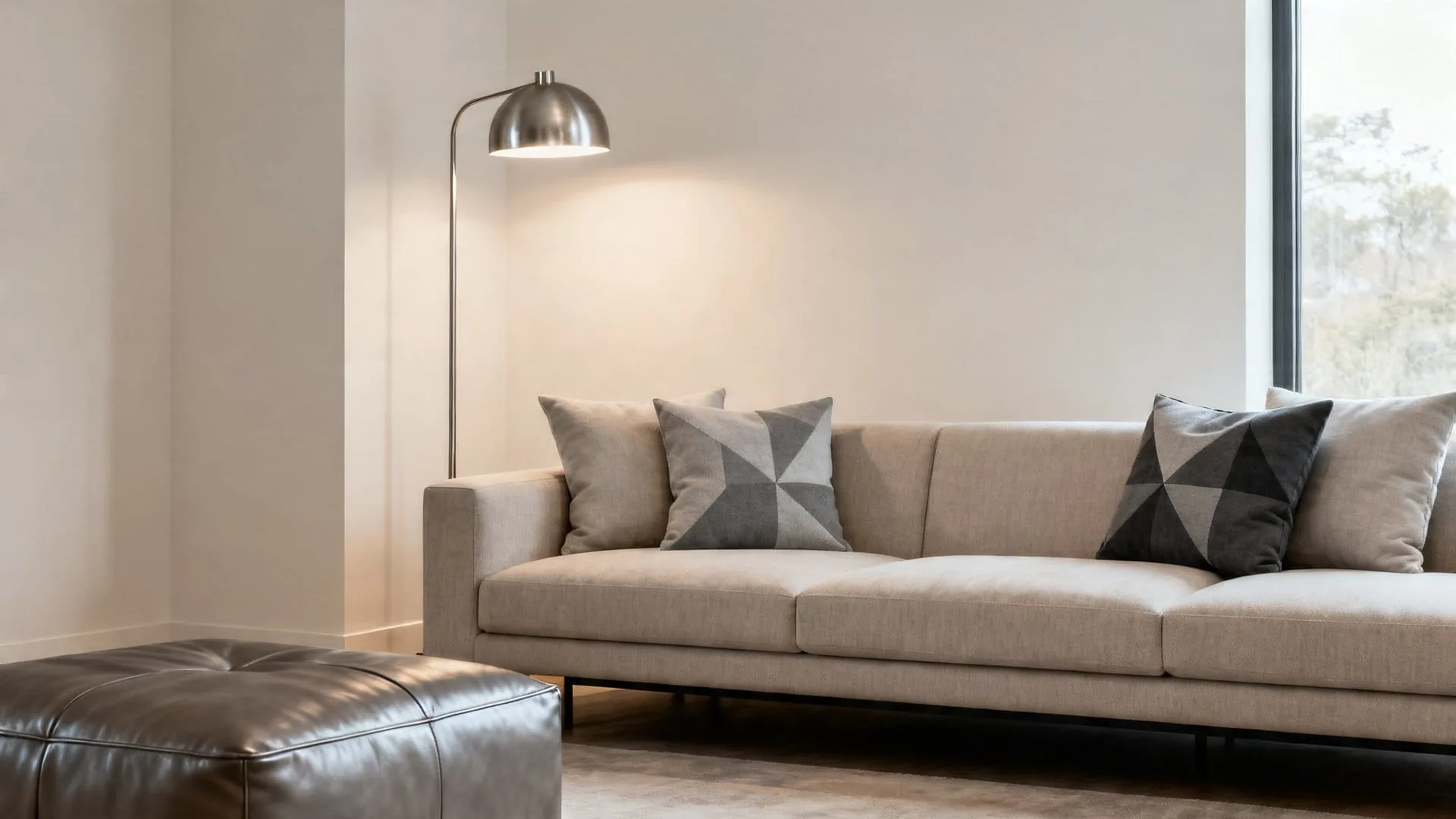 Shop this look: velvet pillows on Amazon
Modern decor sometimes gets a bad reputation for feeling too stark or uninviting, but it doesn’t have to be that way. The key is choosing modern shapes and clean lines while still prioritizing warmth in the materials and colors you choose.
For a genuinely modern look that still feels cozy, consider geometric patterns in warm earth tones — think terracotta, warm sand, soft rust, or dusty olive. A square pillow with a subtle abstract print in these shades brings modern energy without draining the warmth from the room. I love how a deep charcoal linen pillow with a single embroidered detail can feel both minimal and personal at the same time. Pair it with a caramel-colored leather sofa and you’ve got contrast that feels sophisticated without being cold.
Pro tip: If your sofa is a bold color or pattern, keep pillow designs quieter and let texture carry the interest. If your sofa is neutral, that’s your invitation to play with bolder prints or richer colors in your pillow selection.
What Is the Art of Layering Pillow Sizes and Shapes?
Layering pillow sizes and shapes means combining large square pillows at the back — our designer pillow-layering guide breaks down the same logic, medium pillows in front, and a lumbar pillow at the center. This creates the full, plush look you see in beautifully styled living rooms — far more dynamic than lining up identical sizes in a row.
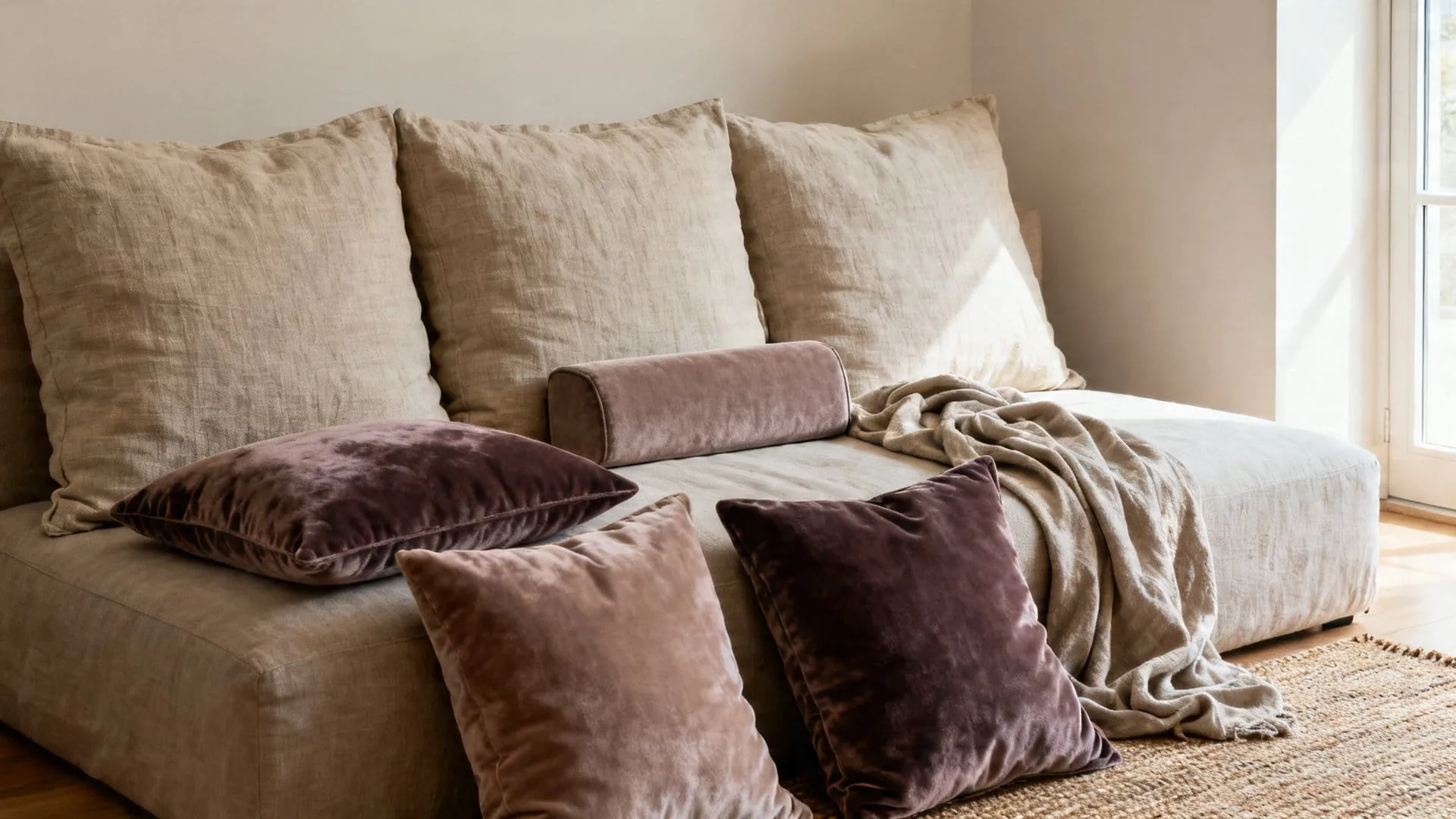 Shop this look: a lumbar pillow on Amazon
Getting the sizing right is where a lot of people get stuck. A common mistake is buying all the same size pillow and lining them up in a row — it looks flat and a little uninspired. Layering different sizes and even different shapes is what gives a sofa that full, plush look you see in beautifully styled living rooms.
Layout Ideas
- Start with two large square pillows (about 22–24 inches) against the sofa back as your foundation layer
- Add one or two medium pillows (18–20 inches) in front of those, slightly overlapping for a relaxed, layered effect
- Finish with one lumbar pillow centered in the front — this long rectangular shape adds visual interest and is incredibly practical for back support
- On a sectional, try a cluster of three pillows at one end and two at the other rather than symmetrical rows on both sides
- Round or support-shaped pillows mixed into a mostly square arrangement add an unexpected softness that feels very current
The goal isn’t perfect symmetry — it’s comfortable abundance. Slightly overlapping, loosely arranged pillows always look more inviting than a ruler-straight lineup.
Once you’ve nailed your texture mix and sizing, the next layer to consider is color — and it’s where the whole arrangement really comes to life.
&# 128719; Style it further:Best Decorative Pillows for Grey Couch: Top Color Combos→Which Color Combinations Feel Fresh and Cozy?
The most effective color combinations anchor one tone already present in the room — from the rug, curtains, or art — then pair it with one complementary shade and one neutral. This approach makes the pillow palette feel connected to the room rather than dropped in from somewhere else.
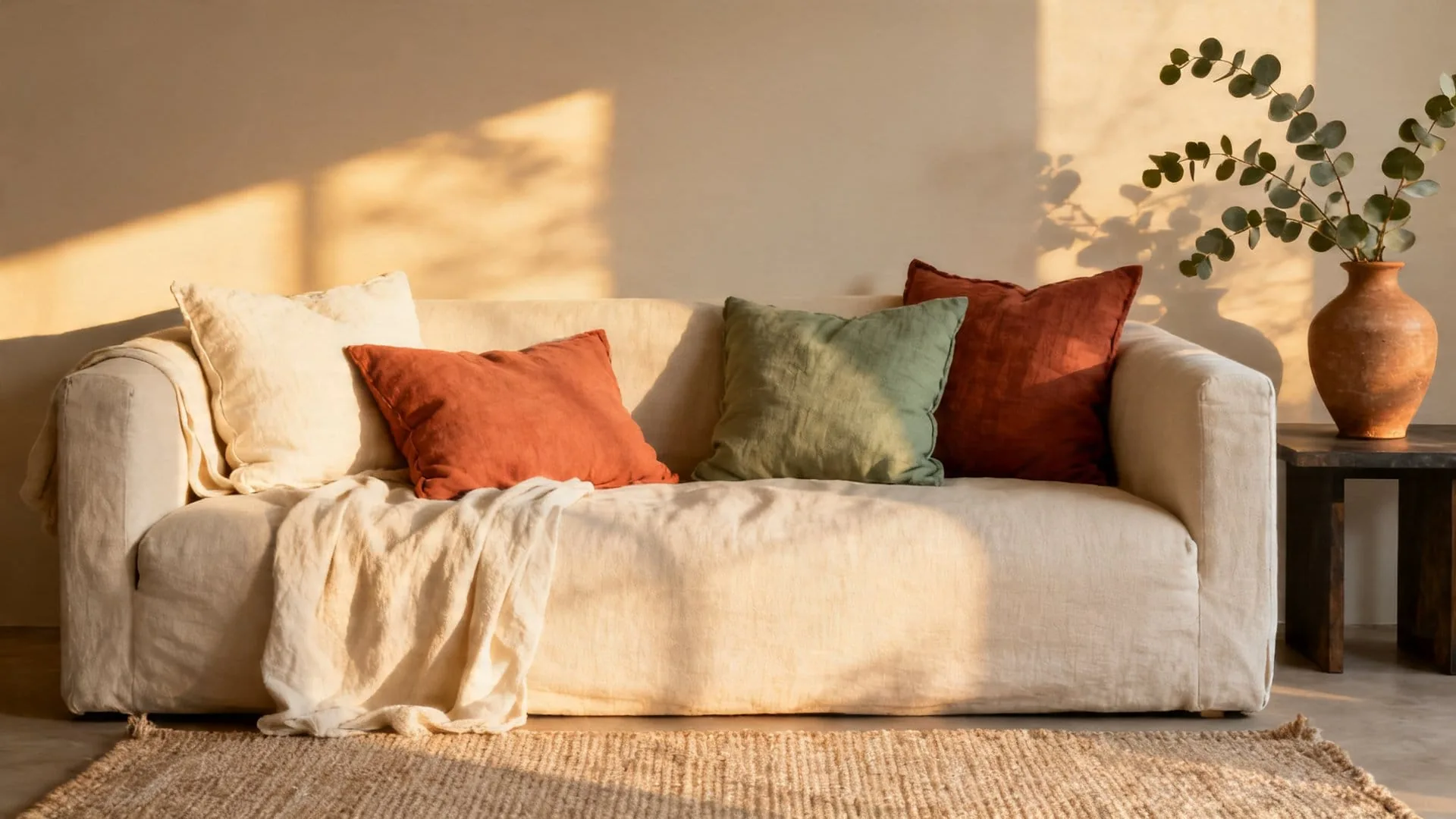 Shop this look: neutral pillows on Amazon
Color is where decorative living room pillows really earn their place in the room. A well-chosen palette can warm up a space that feels too cool, add personality to a room that feels too safe, or bring a sense of calm to a living room that feels a little chaotic.
Color Combinations
Warm and grounded: Burnt orange, warm white, and deep brown work beautifully on a tan or cognac leather sofa, especially in fall. Cool and calm: Dusty blue, soft gray, and natural linen feel fresh and airy in a bright living room with white walls. Bold and modern: Mustard yellow, charcoal, and ivory create a high-contrast look that feels graphic without being aggressive.
&# 10024; While you're here:Decorative Pillows for White Couch and Cream Sofa Looks→
Which Cozy Pillow Materials Are Worth Seeking Out?
The coziest pillow materials are natural fibers like linen, wool, chunky knit — for seasonal picks, see our room-by-room summer throw pillow guide, and velvet. These textures add genuine warmth — both visually and physically — in a way that synthetic covers simply cannot replicate.
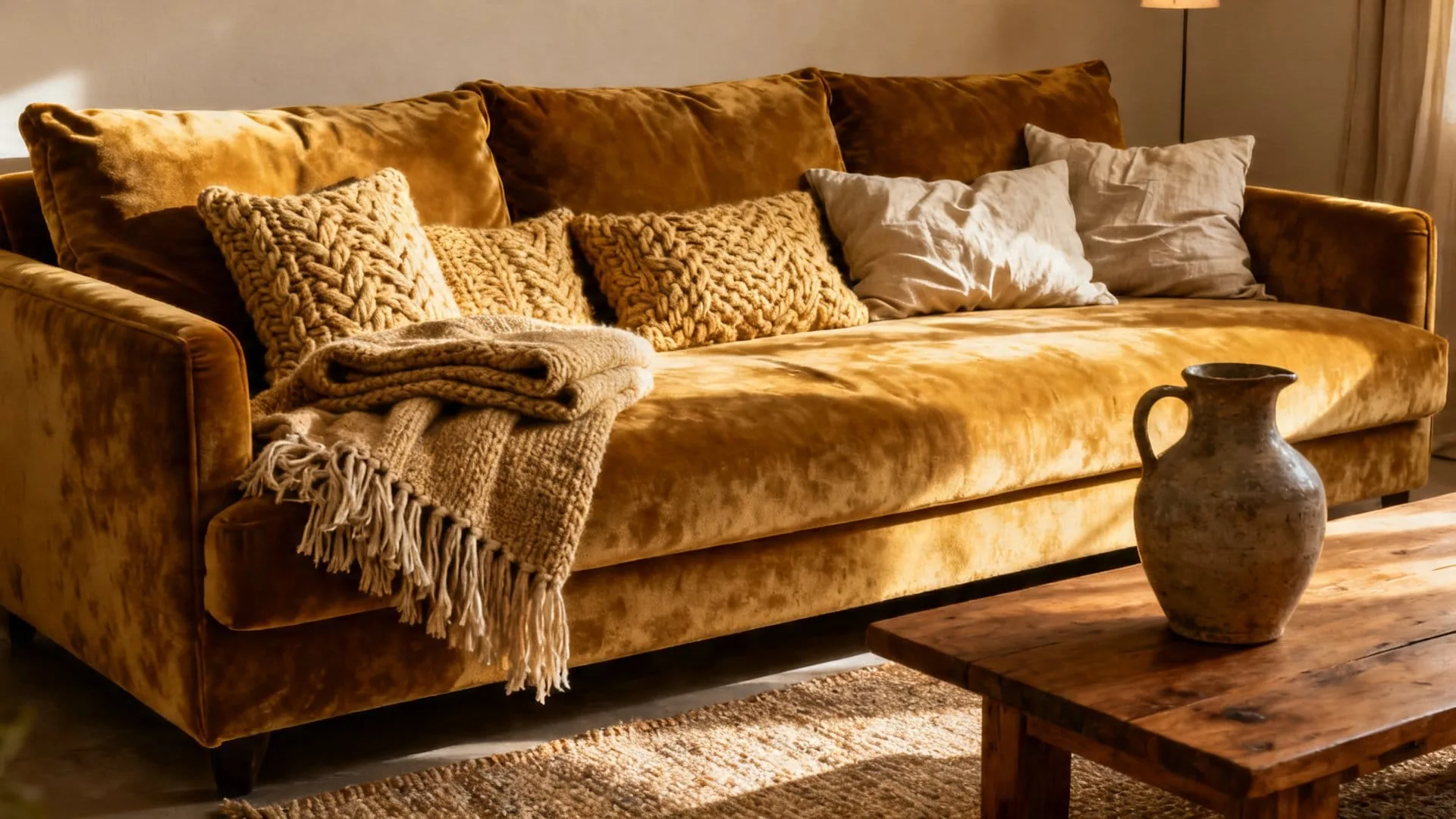
The material of a pillow changes everything about how a room feels — not just visually, but physically. Walking into a room with velvet, wool, and knit textures feels genuinely warmer than walking into one filled with polyester covers, even if the colors are identical. Material choice is one of those quiet details that separates a truly cozy living room from one that just looks cozy in photos.
From what I’ve gathered, the easiest way to add warmth through materials is to prioritize natural fibers wherever possible. Linen and cotton breathe beautifully and soften over time. Wool and chunky knit covers add that tactile, grab-it-and-hold-it comfort that makes a sofa feel like a destination. Velvet — especially in deeper jewel tones or muted earth tones — adds a quiet luxury that photographs well and feels even better in person. For a more casual, beachy feel, woven jute or cotton canvas covers bring a relaxed, textural quality that suits laid-back living rooms perfectly.
Pro tip: Look for pillow covers with removable inserts. This makes washing easy and lets you swap covers seasonally without buying entirely new pillows — a simple, practical way to keep your living room feeling fresh through the year.
Of course, not every living room has the luxury of a sprawling sectional — and smaller spaces call for a slightly different approach to pillow styling.
&# 128064; Worth a look:Cute Decorative Pillows for Bed: Aesthetic Picks→What Are the Best Small Space Tricks for Pillow Styling?
The best small space pillow styling tricks involve limiting your palette to two tones, keeping pillow scale proportional to your sofa, and using three pillows instead of four. These edits keep the arrangement feeling intentional without stressing a smaller room.
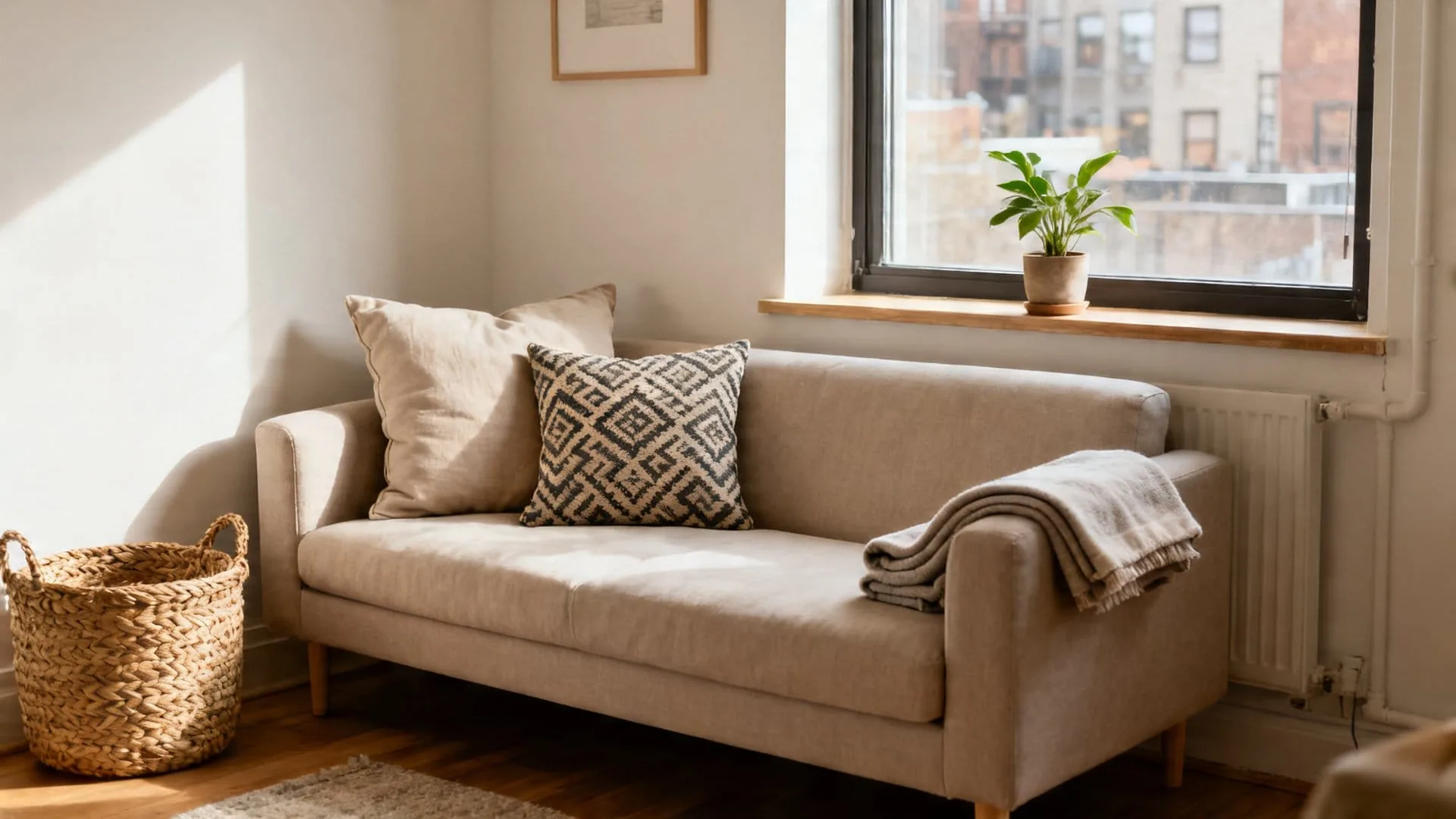
If your living room is on the smaller side, you might worry that a full pillow arrangement will make the sofa feel cluttered or the room feel even more cramped. The good news is that thoughtful pillow styling can actually make a small living room feel more intentional and pulled together — not messier.
This works especially well in smaller living rooms: choose a tighter color palette for your pillows — two tones maximum — and keep the scale of the pillows proportional to your sofa. A petite loveseat doesn’t need 24-inch pillows; 18-inch squares with one small lumbar will look much more balanced. Lighter colors and smoother textures also keep the eye moving freely through the space rather than creating visual stopping points that make the room feel smaller.
Small Space Tricks
- Use three pillows total on a loveseat rather than four — odd numbers feel more relaxed and take up less visual space
- Choose pillow covers in a color close to your sofa tone to create a smooth, uncluttered look
- A single bold-pattern pillow surrounded by solids adds personality without stressing a small sofa
- Avoid overstuffed inserts in small spaces — a slightly flatter pillow looks more proportional and leaves room to actually sit comfortably
Small rooms deserve just as much styling attention as large ones — the trick is editing with intention rather than filling every inch.
Final Thoughts
Decorative living room pillows might seem like a small detail, but they have a genuinely outsized impact on how a room feels — how warm it is, how personal, how inviting. Whether you’re drawn to the clean lines of modern styling or the soft abundance of a cozier aesthetic, the ideas here give you a real starting point to work from. Trust your instincts, choose materials that make you want to reach out and touch them, and don’t be afraid to mix things up until the arrangement feels like you. Happy decorating!
Frequently Asked Questions
There’s no strict rule, but a common guideline is to use an odd number of pillows for a more natural, select look — typically three to five on a standard sofa works well. The key is to avoid overcrowding the seating space, so guests and family members can actually sit comfortably without relocating a pile of pillows first. Start with a base of two to three pillows and add from there, stepping back frequently to assess the balance visually.
For a clean, modern look, larger pillows in the 20×20 or 22×22 inch range tend to feel more intentional and less cluttered than a mix of many small sizes. You can layer in a longer lumbar pillow — typically 14×20 or 12×24 inches — in the front to add dimension without sacrificing that simplified feel. Keeping the size range tight and consistent is one of the easiest ways to make a pillow arrangement look deliberately styled rather than randomly assembled.
The most reliable approach is to vary the scale of your patterns — pair a large bold print with a smaller geometric or subtle texture so they complement rather than compete with each other. Anchoring your mix with a shared color palette, even just one or two repeated tones across all the pillows, creates visual cohesion that keeps the arrangement feeling intentional. Adding at least one solid-colored pillow acts as a visual resting point and prevents the overall look from feeling too busy.
Down or down-alternative inserts are widely considered the gold standard for that soft, plush, sink-in quality that makes a living room feel genuinely cozy and inviting. They hold their shape well when fluffed but still have that relaxed, slightly slouchy look that feels warm rather than stiff. If allergies are a concern, high-quality down-alternative fills have improved significantly and can deliver a very similar feel without the allergen risk.
One of the biggest advantages of decorative pillows is how easily they can be rotated to refresh a room’s look, and many designers recommend updating them at least seasonally — swapping in warmer textures like velvet and chunky knits for fall and winter, and lighter linens or cotton for spring and summer. Beyond seasonal changes, if your pillows are looking flat, faded, or pilling significantly, it’s a good sign that fresh covers or new inserts are overdue. Since pillow covers are often sold separately from inserts, you can affordably change the entire look of your sofa without replacing everything.