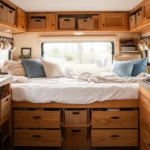
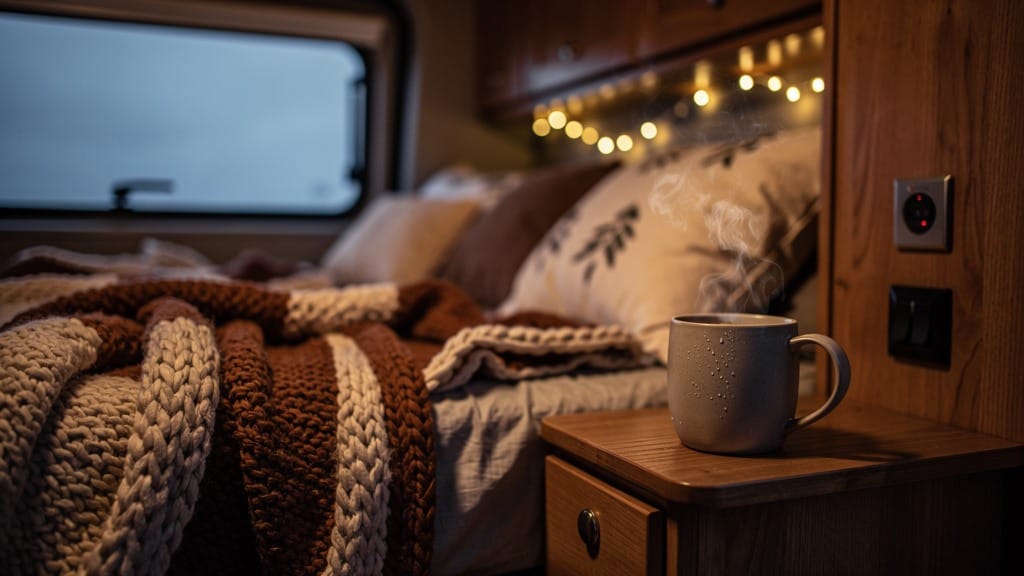
When I first started living in my camper, it felt exciting but oddly cold. Not the temperature kind of cold, the emotional kind. Everything was efficient, but nothing felt like me. Over time, I figured out how to make a camper feel like home, turning that little box on wheels into something warm and welcoming. So here’s what I learned about cozy camper living, including the small mistakes and surprises that taught me what comfort truly means on the road.
Start With the Senses: Smell, Sound, and Light
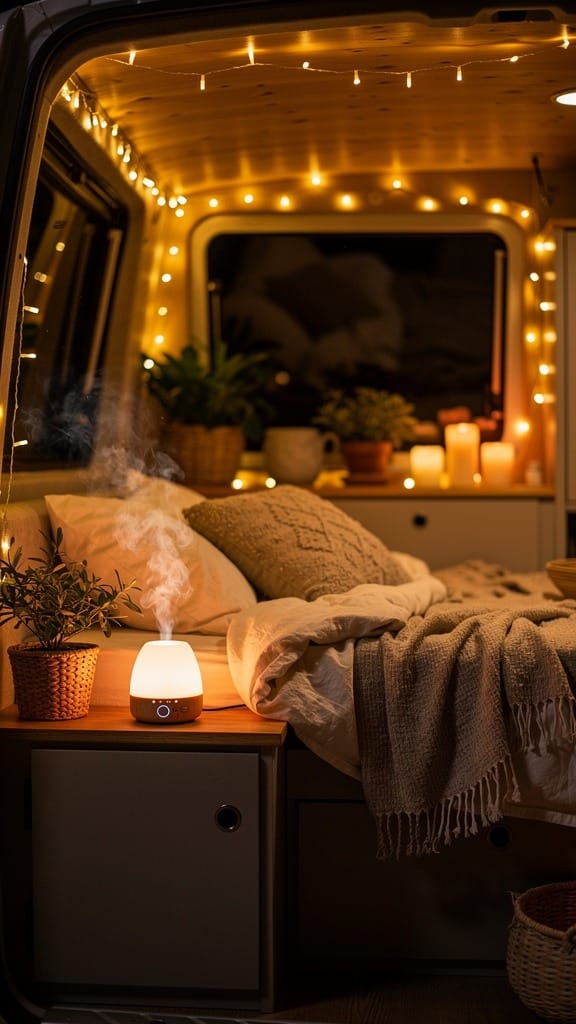 Shop this look: small diffusers on Amazon
Home begins with what you sense the moment you walk in. In a camper, this can get tricky since small spaces amplify every smell and sound. The first fix that made a huge difference for me was scent. Candles were out, too risky in tight quarters, but essential oils and natural diffusers worked beautifully. Vanilla or cedar made the space warmer instantly. Even a simple sachet of lavender stashed near the bed helps.
Then came sound. A buzzing fridge and rain hitting a metal roof can be oddly stressful if you’re not used to it. I started using a small Bluetooth speaker to play quiet, familiar playlists. It shifted the mood completely. And lighting? That was my biggest mistake early on. I relied on harsh overhead LEDs, thinking utility mattered more than warmth. Big mistake. I switched to soft, rechargeable lamps and fairy lights with a yellow tone, the kind of warm glow you’ll also find in these cozy camper lighting ideas. Suddenly, my camper didn’t just look better, it felt lived in.
&# 128161; Related idea:15 Small Camper Lighting Ideas to Brighten Your Adventure→Keep It Clean, But Not Sterile
 Shop this look: RV cleaning supplies on Amazon
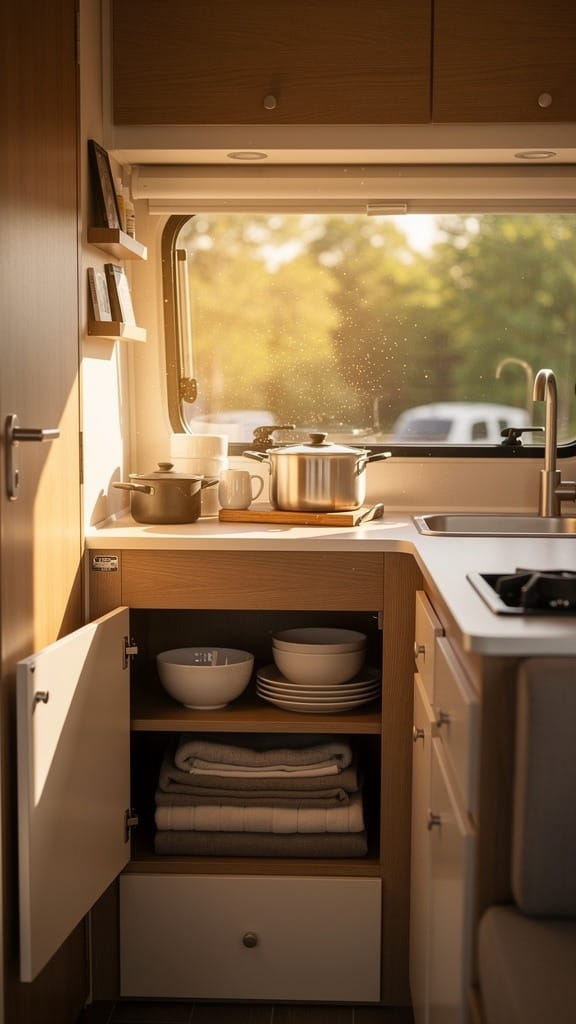
I admit it. At first, I tried to keep my camper spotless, every dish washed instantly, every blanket folded perfectly. It looked nice, but it didn’t feel cozy. Too perfect can feel cold. So I learned to balance tidy with relaxed. Now, I make sure there’s order but allow for lived-in signs, a mug left out, a book left open. It’s a small psychological shift, but it changes how you feel inside the space. If clutter is your real struggle, these tiny camper storage ideas help keep surfaces clear without feeling stark.
Deep cleaning certain things weekly does make a difference, though. Tiny areas collect dust unbelievably fast. Wipe down shelves, air out bedding, and wash curtains regularly. I was surprised to learn that a camper without fresh fabrics starts to smell like storage pretty quickly. Fresh air helps, too. Open windows even when it’s chilly. The light and cross-breeze are tiny luxuries you’ll appreciate more than you expect.
Personal Touches Matter More Than Perfect Design
 Shop this look: camper curtains on Amazon
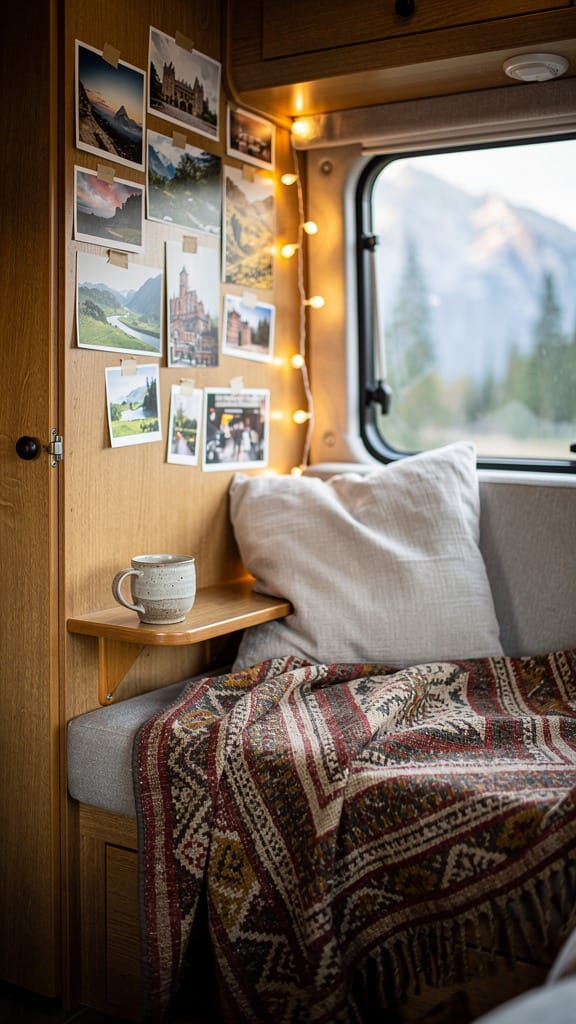
When I looked at other people’s campers on social media, I felt pressured to make mine match. Perfect color schemes. Coordinated storage bins. Everything looked staged. But when I tried that approach, it felt nothing like home. Then I realized: what makes a home isn’t perfection, it’s personality. I added photos of my friends, a thrifted blanket from a trip years ago, and my favorite coffee mug. Suddenly it told my story. This is honestly the biggest part of how to make a camper feel like home.
This part of camper living is where creativity really shines. You can’t fit everything you own, so every item you choose carries weight. A handmade wall hanging or a small potted plant, yes, even in a moving home, adds character that no showroom display could copy. I still laugh when I see the little cactus I’ve kept alive (somehow) through the shaking and temperature changes. It’s not about how it looks; it’s about what feels like you. If you’re working with a really compact rig, these tips to make a small camper feel bigger pair nicely with adding personality.
&# 10024; While you're here:20 DIY Camper Renovation Ideas for Your Adventure→Rethink Comfort: Bedding, Seating, and Small Luxuries
 Shop this look: RV mattress toppers on Amazon
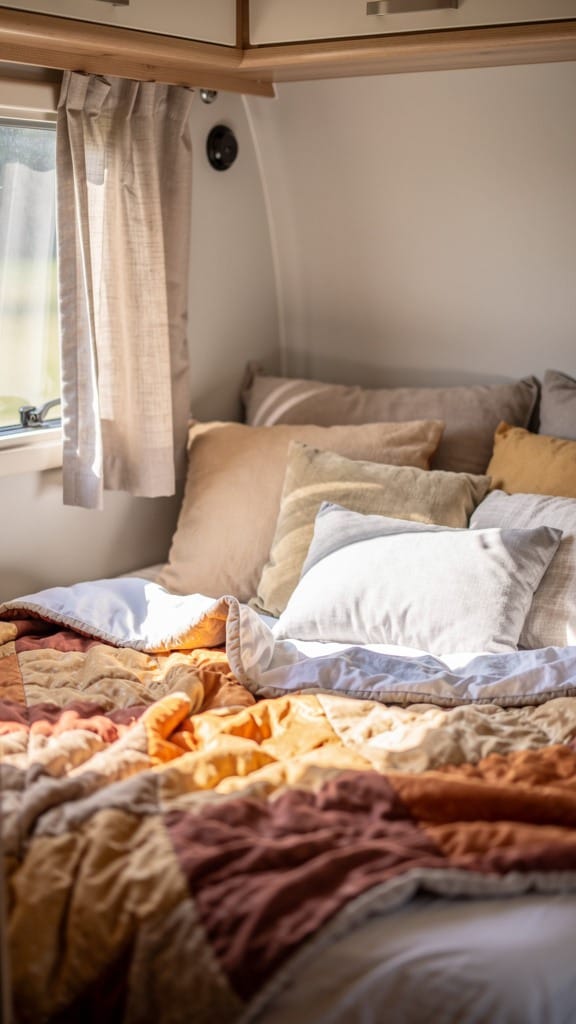
I underestimated how vital bedding would be in a camper. My first month, I cheaped out, thinking a compact blanket and a thin mattress topper would do. Big mistake. Camper mattresses are notoriously firm, and cold air seeps through the base. I woke up stiff and grumpy more mornings than I care to admit. Eventually, I invested in a memory foam layer and a good-quality duvet. Warmth, softness, and genuine rest followed immediately.
Seating can be tricky too. Built-in benches are functional but rarely inviting. Cushions and throws make them feel welcoming fast. Soft textures make you linger longer, reading or simply relaxing by a window. I even added a small rug near the bed area, not because it was practical, but because stepping onto it instead of the linoleum in the morning made a huge difference. If your benches feel awkward, these camper seating layout ideas show smart, cozy ways to arrange them. These little comforts create emotional warmth as much as physical ease.
To make everyday life feel like something special, keep one or two small luxuries within reach. For me, that’s a manual coffee grinder and a small moka pot. Something about the smell and process grounds me, literally and emotionally, wherever I park. Those tiny rituals are part of what helps make a camper feel like home, turning passing days into a steady routine.
Think Storage Like a Designer, Not a Minimalist
 Shop this look: RV kitchen organizers on Amazon
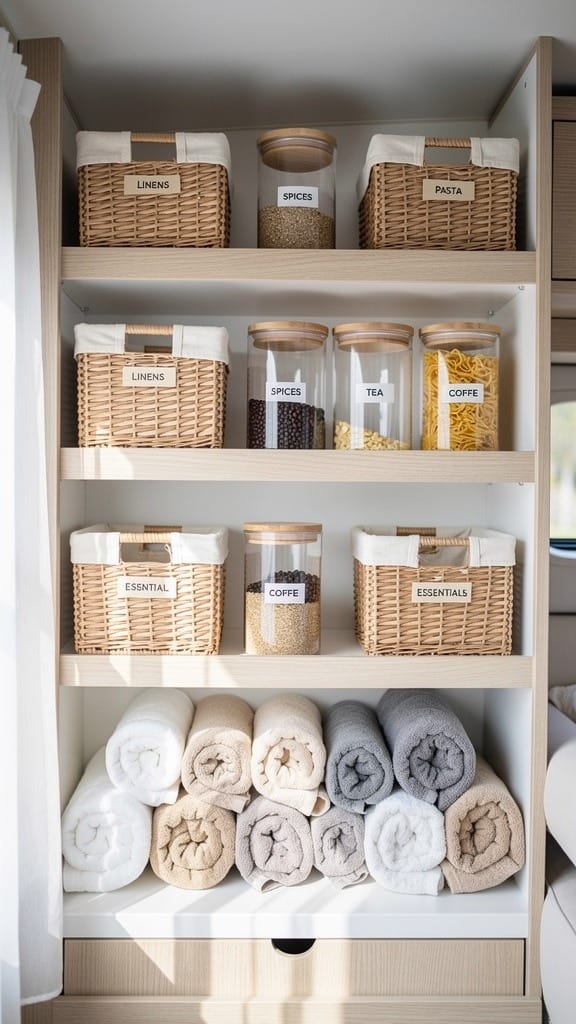
It took me months to stop resenting how small storage areas were. Everything seemed to fight for space. Eventually, I realized I didn’t need fewer things, just smarter systems. Drawer dividers, stackable containers, and hanging organizers are lifesavers. But don’t turn your camper into a puzzle box. You should be able to get things quickly without creating chaos every time you open a cupboard. A few clever space-saving furniture ideas do a lot of this work for you.
Some campers thrive on minimalism, but I prefer comfort over austerity. I keep sentimental items and small indulgences, even if they take up space. The real trick is to make them easy to store away when you need to travel. Hooks on walls or cabinet doors, storage under the bed, and multipurpose furniture are key. For instance, my ottoman doubles as both a seat and a blanket chest. It’s functional, yes, but it also feels intentional, like a home solution rather than a cramped necessity.
- Use bins with lids that stack tightly, it reduces noise during travel.
- Hang frequently used items, like jackets or bags, on sturdy wall hooks near the entrance.
Balance practicality with visual calm. Open shelves look appealing in photos but gather clutter fast. Closed storage with tidy surfaces makes a small camper feel larger and more peaceful.
Bring Nature Inside, Gently
Living in a camper already means being close to nature, but bringing bits of it inside adds warmth and calm. Plants can thrive if you choose hardy types, succulents, pothos, or snake plants work well. I’ve accidentally killed more than one plant figuring this out, but a small burst of green still feels worth it. Some people gather rocks, shells, or pinecones from their travels and keep them in small jars. It’s an earthy reminder of each stop, and surprisingly grounding.
Even your view becomes part of your interior. Park near trees, water, or open fields when you can. Open curtains during the day to let the scenery act as a living mural. One of my favorite memories is waking up near a lake in the early morning, steam rising off the surface, sunlight sneaking through the curtains. Those moments make the tight space disappear entirely. The outdoors feels like an extension of home. A friend of mine swears that even one trailing plant by the window changed how her whole rig felt, and I believe her.
Eat and Cook With Care
Cooking in a camper can feel like an exercise in frustration. Limited counter space, tiny sinks, and storage challenges mean even basic meals need planning. But eating well is one of the strongest connections to feeling at home. When all I ate were camp meals from packets, everything felt temporary, like extended camping. When I started cooking actual food, soups, stir-fries, and pasta, it changed the rhythm of my days.
Smells from real cooking wrap the space in comfort. Even baking a small batch of cookies makes a camper smell alive. Cleanup is the tough part, but simplifying supplies helps. One good skillet and a decent knife go further than an entire drawer of mismatched tools. I once broke a glass bowl on a bumpy drive and realized how fragile my setup was. Now I use sturdy, unbreakable dishes that still look nice enough to feel like real dining.
- Prep ingredients outside on a folding table when weather allows, more space and less mess inside.
- Keep a small stash of comfort foods, whether that’s tea, chocolate, or instant noodles for cold nights.
Eating habits anchor you wherever you go. Familiar tastes bridge the gap between travel and routine life, reminding you of where you’ve been and what makes you feel secure.
Lighting Your Evenings Right
Evenings in a camper are magical if the lighting feels right. Too bright and it kills the mood. Too dim and it’s frustrating. I learned to layer my lighting, one soft lamp near the bed, battery lights over the counter, and a string of warm LEDs near the ceiling. Adjustable tones help shift from task light to cozy glow. I still catch myself turning off the overheads early because the low light makes everything slower and calmer, a gentle signal that the day is winding down. For more on this, these tiny RV lighting ideas are full of layered, low-power tricks.
It might sound small, but light defines the emotional temperature of a room. A warm glow softens everything, walls, corners, even your own thoughts. And in a camper, where everything else changes so often, that kind of calm consistency can mean more than fancy decor.
Final Thoughts
Learning how to make a camper feel like home isn’t about bigger furniture or designer storage tricks. It’s about creating the small comforts that make your surroundings feel safe and yours. I’ve learned that coziness is personal, sometimes messy, sometimes minimal, but always intentional. And once those details settle into place, every new parking spot really does start to feel like coming home. Happy travels, and happy nesting wherever the road takes you!
Frequently Asked Questions
Add personal touches such as favorite colors, meaningful photos, and small decor items that reflect your style. Even something as simple as a cozy throw blanket or a familiar mug can turn a neutral space into one that feels uniquely yours.
Since open flames can be unsafe, opt for essential oils, reed diffusers, or natural sachets. Scents like vanilla, cedarwood, and lavender are calming and warm, helping to give your camper that homey, lived-in feel.
Use battery-operated LED fairy lights, solar lanterns, or soft white bulbs to create a warm glow without draining your battery. Layer different light sources so you can adjust brightness for reading, relaxing, or cooking.
Maximize vertical space with wall hooks, collapsible storage bins, and under-seat compartments. Keeping surfaces clear and assigning a specific spot for each item prevents clutter and makes your camper feel calm and spacious.
In colder months, add layered blankets, rugs, and thermal curtains to trap warmth. For warmer weather, use breathable cotton fabrics, light curtains, and portable fans to keep the air fresh and comfortable.