
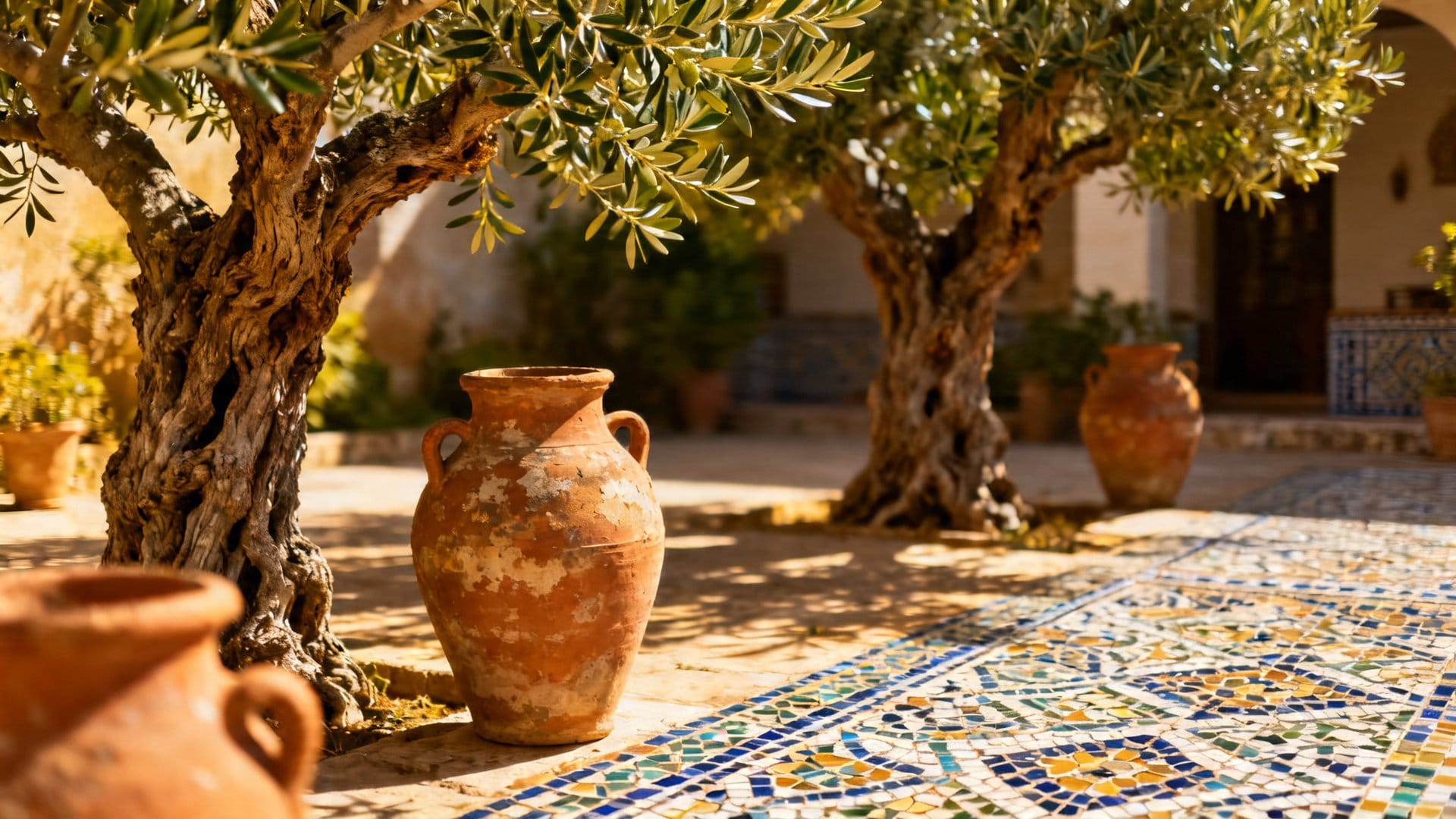
There’s something about stepping into a Mediterranean-style garden that makes you want to slow down, pour a glass of something cold, and just breathe. The warm terracotta, the scent of lavender drifting in the breeze, the sound of a small fountain somewhere nearby, it feels like a place that has always existed, unhurried and full of life. If you’ve been dreaming of that kind of outdoor space, the good news is that Mediterranean garden decor is more accessible than it looks. This article will walk you through everything you need to bring that sun-drenched outdoor style to your own backyard, patio, or even a compact balcony.
What Makes Mediterranean Style Feel So Alive?
Mediterranean garden decor draws its energy from the space of southern France, Greece, Italy, and Spain, places where outdoor living is a way of life. The style layers natural materials, warm earthy tones, and lush plantings in a way that feels lived-in and effortlessly abundant.
 Shop this look: terracotta garden decor on Amazon
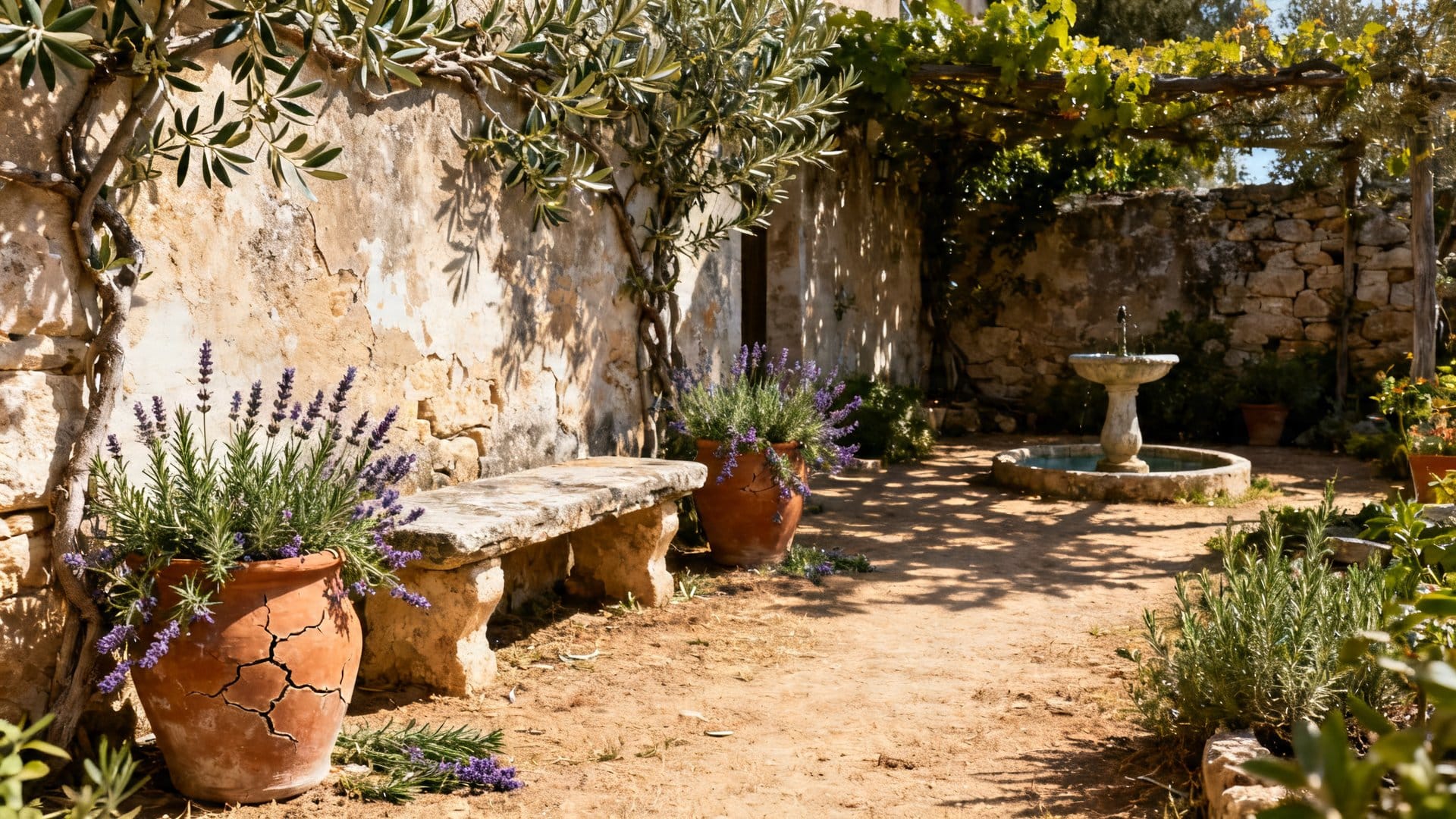
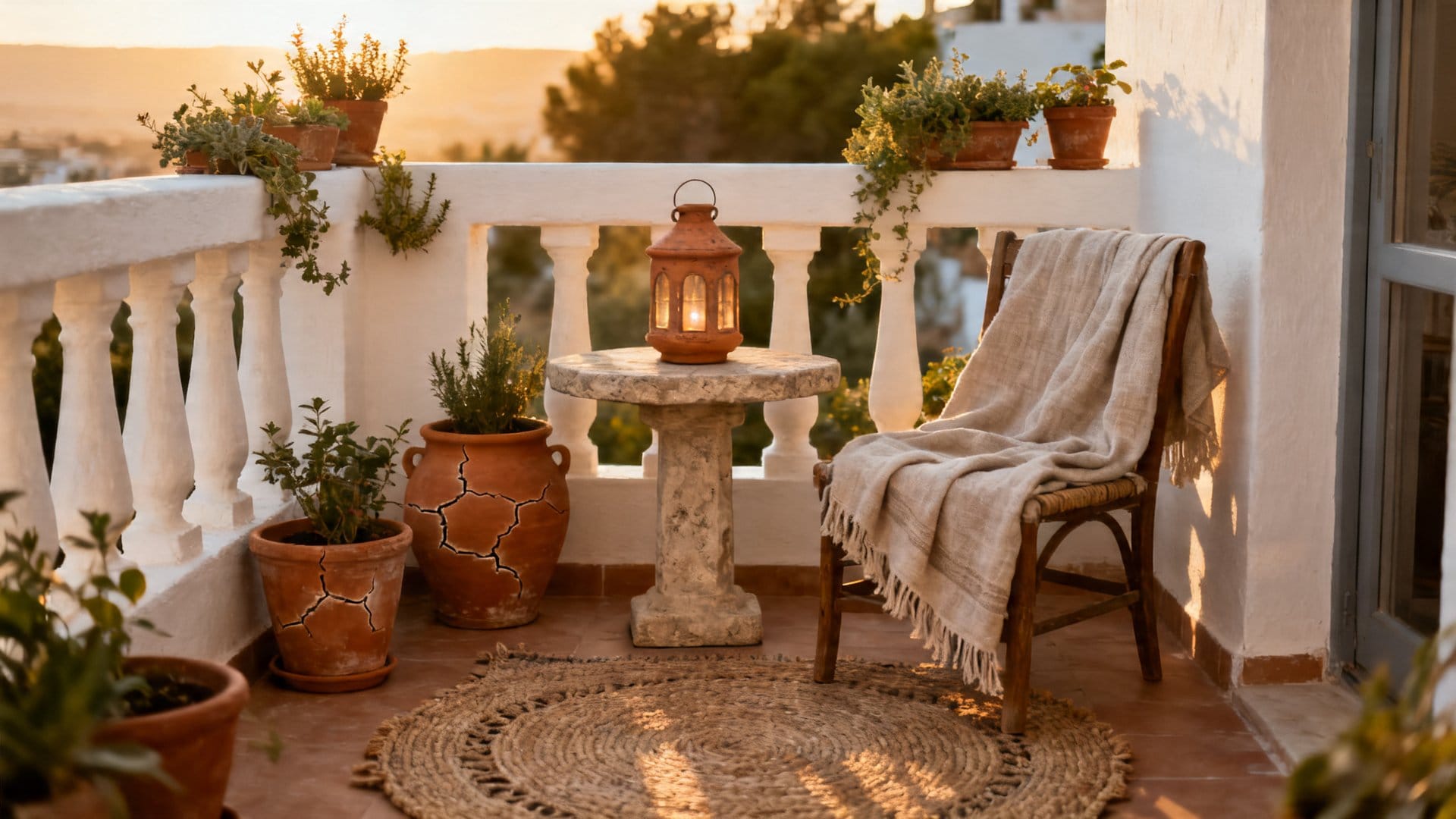
One thing I’ve noticed about this style is how intentionally imperfect it looks. A cracked terracotta pot with a trailing rosemary plant, a weathered stone bench half-hidden by lavender, these are the details that make it feel real rather than staged. The beauty of Mediterranean design is that age and wear add to the charm rather than taking away from it.
Why It Works So Well in American Backyards
Whether you live in a warm Southern climate or a cooler northern state, Mediterranean garden decor translates beautifully because it relies on structure, texture, and color rather than a specific climate. You can adapt the plant palette to your region while keeping the bones of the style completely intact.
What Is the Mediterranean Garden Color Palette?
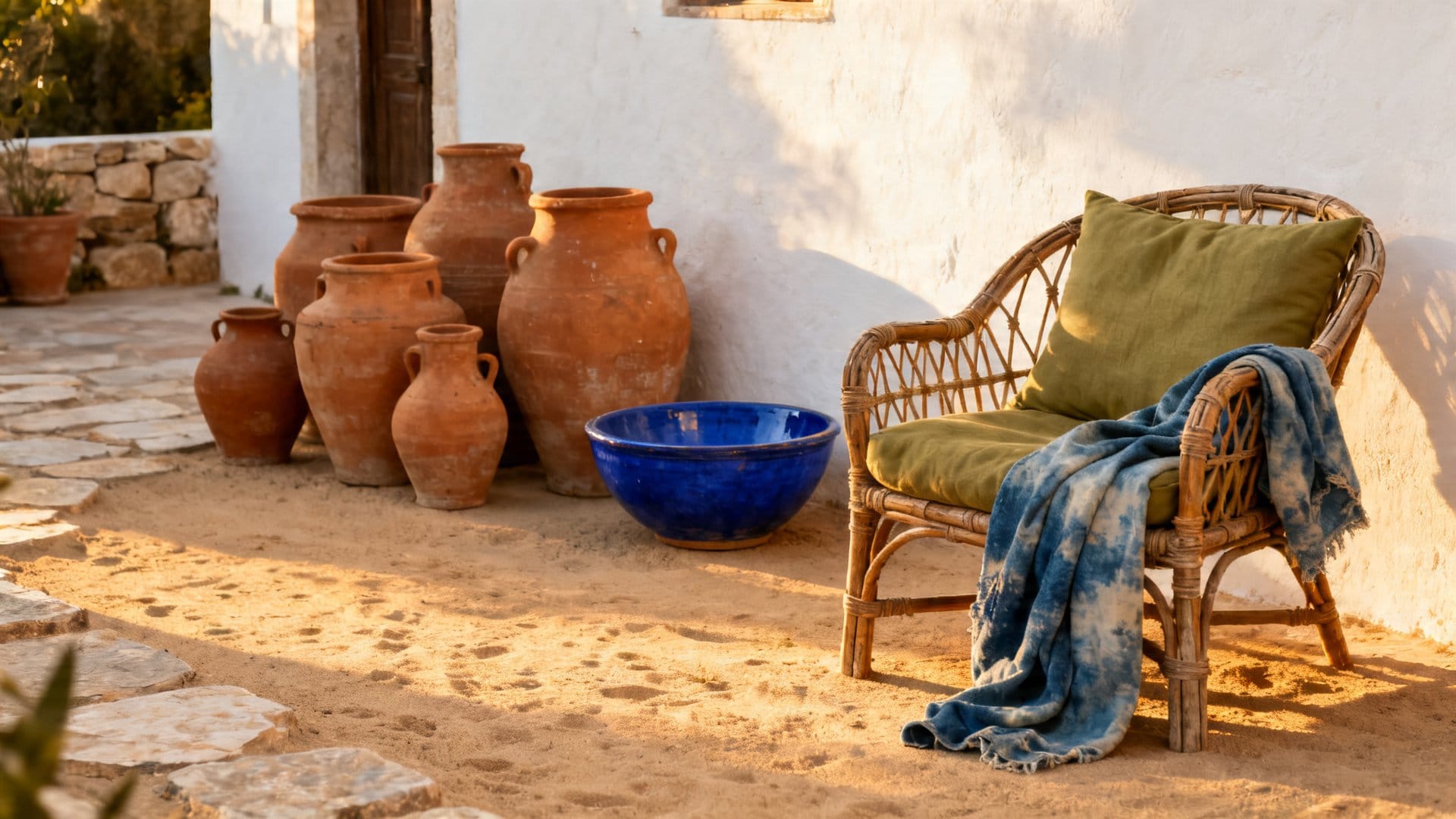
The Mediterranean color palette centers on warm, sun-soaked tones, terracotta orange, dusty sand, olive green, and chalky white, accented with cobalt blue and deep indigo. These colors work together to create that instantly recognizable coastal warmth.
 Shop this look: cobalt ceramic tiles on Amazon
Getting the Mediterranean color palette right is one of the fastest ways to shift the mood of your outdoor space. Think warm, sun-soaked tones, terracotta orange, dusty sand, olive green, and chalky white, balanced by punchy accents of cobalt blue and deep indigo. These are the colors you see on tiled walls in Lisbon, on shutters in Provence, on ceramic bowls stacked in a Sicilian market.
Start with a neutral base of warm stone or sandy concrete, then layer in color through pots, cushions, tiles, and textiles. A cluster of terracotta pots in varying heights immediately anchors the palette. Add a few cobalt blue ceramic vessels or a mosaic side table, and the whole space starts to hum with that coastal warmth. I love how even a single deep blue lantern against a whitewashed wall can do so much visual work on its own.
Pro tip: Avoid using bright, primary colors here, opt instead for slightly faded, sun-bleached versions of cobalt, rust, and sage. Many home goods stores carry weathered-finish ceramics that mimic the look of pieces that have spent years in the sun, which is exactly the effect you’re after.
How Do You Use Terracotta Pots and Layered Container Planting?
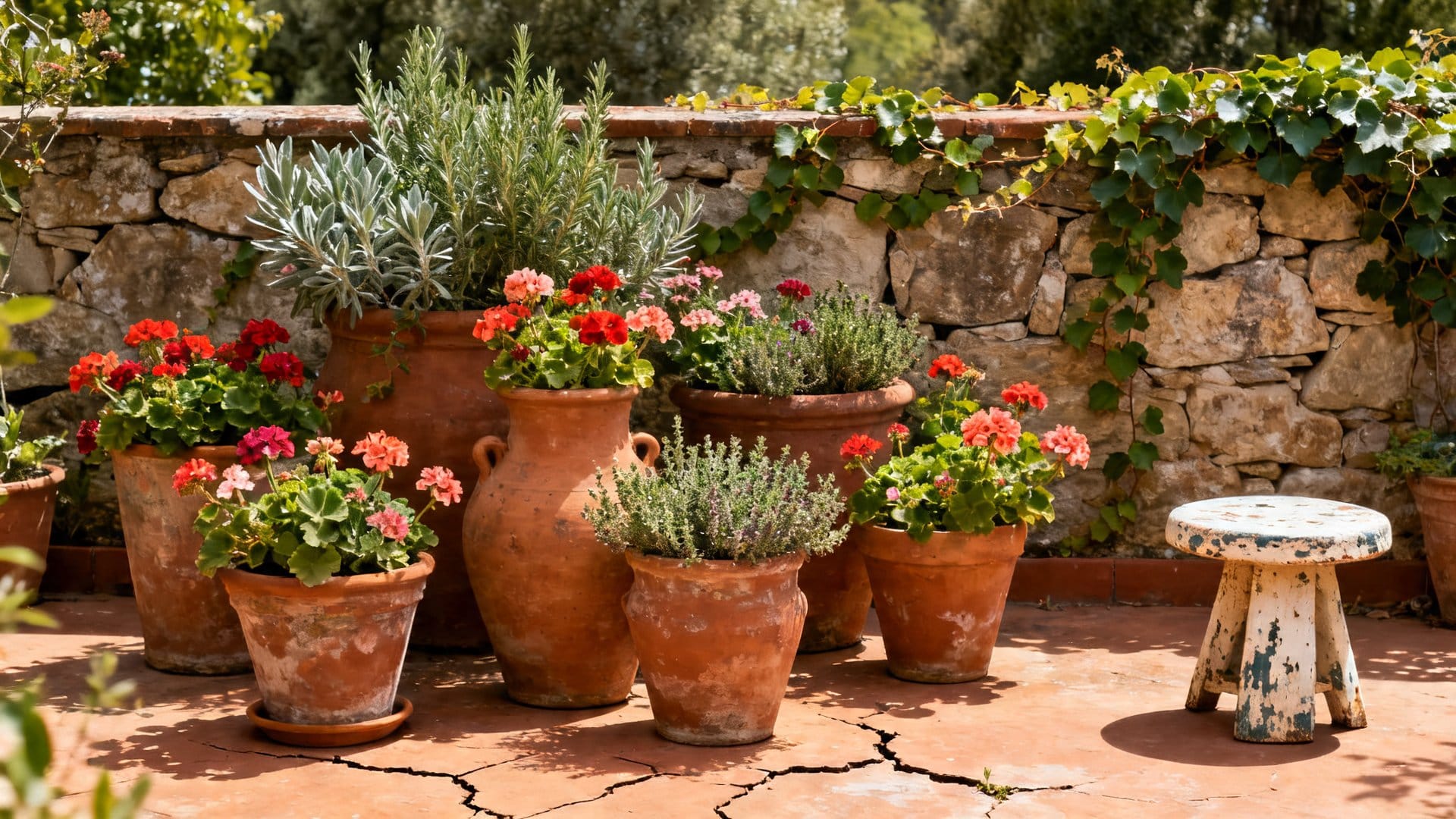
The key is grouping terracotta pots in varying heights and widths, mixing plain and patterned styles, and layering plants from tall anchor specimens down to low trailing varieties. This approach creates an abundant, organic look that feels like it has evolved naturally over time.
 Shop this look: terracotta planters on Amazon · Orceler 6in Terracotta Clay Pots with Saucer
If there’s one single element that defines Mediterranean garden decor more than anything else, it’s the terracotta pot. Not just one, but many, grouped together, stacked on steps, arranged along a low wall, tucked into corners. The key is variety: different heights, different widths, some plain and some with simple relief patterns, some brand new and some aged with a patina of moss and mineral stains.
Layering your container planting is just as important as the pots themselves. Try planting a tall olive tree or a standard rosemary in a large urn as your anchor piece, then surround it with medium pots of lavender, thyme, and trailing nasturtiums. At the lowest level, tuck in small pots of succulents or herbs like oregano and marjoram. The result looks abundant and effortless, like a garden that has been tended lovingly for years.
Styling Notes for Small Spaces
If you’re working with a balcony or a narrow patio, vertical container arrangements are your best friend. A tiered plant stand in wrought iron or weathered wood can hold six to eight pots in a footprint of just two square feet. Stack your tallest plant at the top and let trailing varieties, like creeping thyme or cascading pelargoniums, spill over the lower shelves for that lush, overgrown effect. I’ve seen this single trick turn a bare corner of a rented balcony into the coziest spot of the whole apartment.
Which Natural Materials Define Mediterranean Garden Decor?
Natural stone, wrought iron, and aged wood are the three core materials of Mediterranean garden decor. Together they create a warm, grounded foundation that feels both historic and inviting.
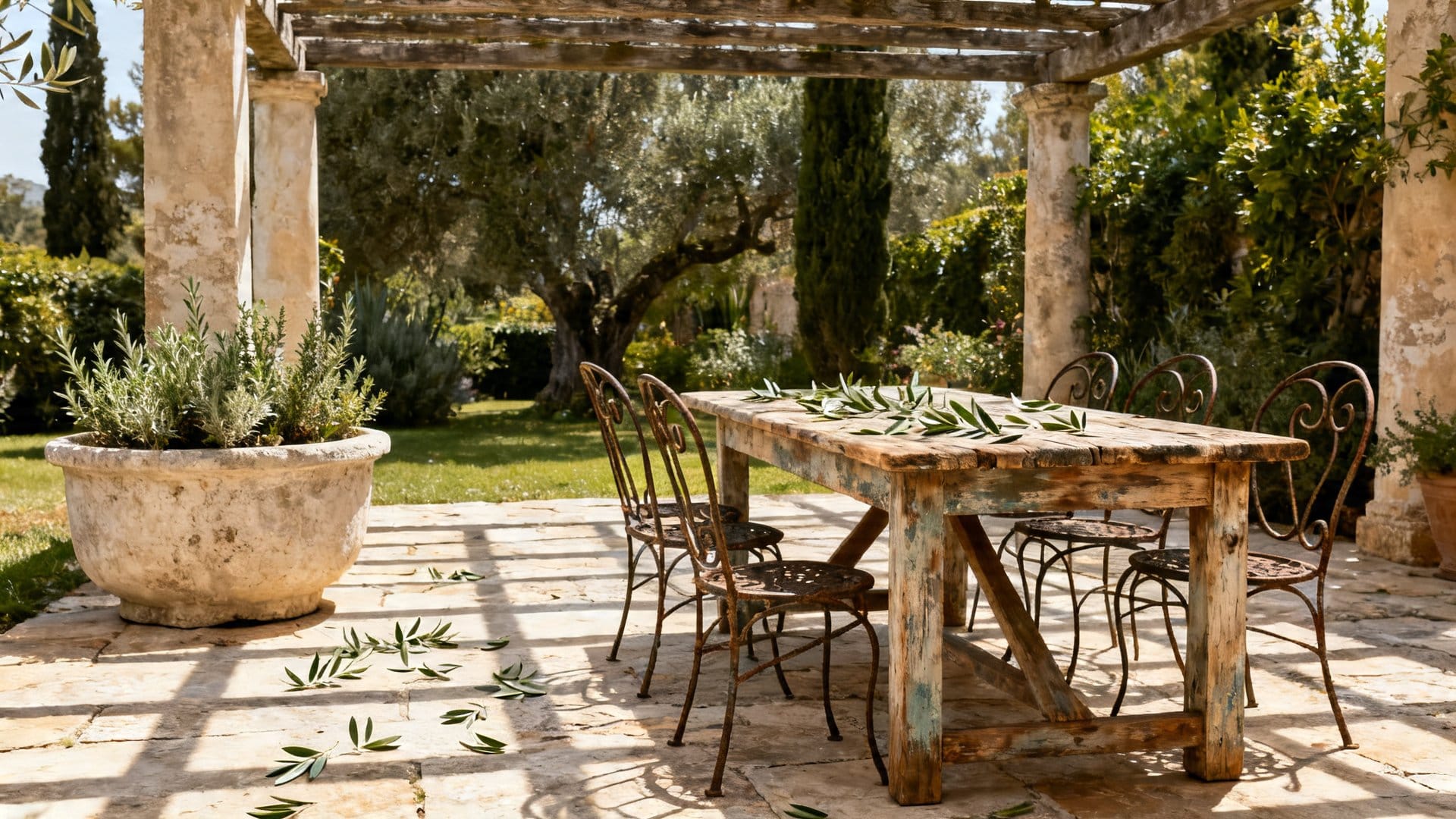 Shop this look: wrought iron furniture on Amazon
The material palette of Mediterranean garden decor is as important as the color story. Natural stone is the foundation, flagstone pathways, limestone steps, pebble mosaic accents, or even just a simple stone birdbath. Stone carries warmth from the sun during the day and releases it slowly in the evening, which is part of why Mediterranean outdoor spaces feel so inviting even after sunset.
Wrought iron adds structure and a sense of history. A wrought iron bistro table and chairs, a scrolled iron lantern holder, or a simple iron trellis covered in climbing jasmine all feel deeply at home in this style. Aged wood plays a supporting role, a rough-hewn wooden bench, a reclaimed timber shelf mounted on an exterior wall, or a simple wooden trug filled with freshly cut herbs from the garden.
A friend of mine layered all three materials on a small back patio, stone pavers, a wrought iron café set, and a reclaimed wood potting bench, and the combination was so warm and grounded that it completely changed how she used her outdoor space. She told me she started eating breakfast outside every morning just because it felt so good to be there.
Pro tip: Look for wrought iron furniture and stone accessories at estate sales, architectural salvage yards, and flea markets. Pieces with a little rust or weathering will look far more authentic than brand-new equivalents, and they’re often significantly more affordable.
With your materials and color palette in place, the next step is choosing the plants that will bring the whole design to life.
&# 9989; Keep reading:Modern garden decor ideas for a sleeker outdoor look→Which Plants Work Best in a Mediterranean Garden?
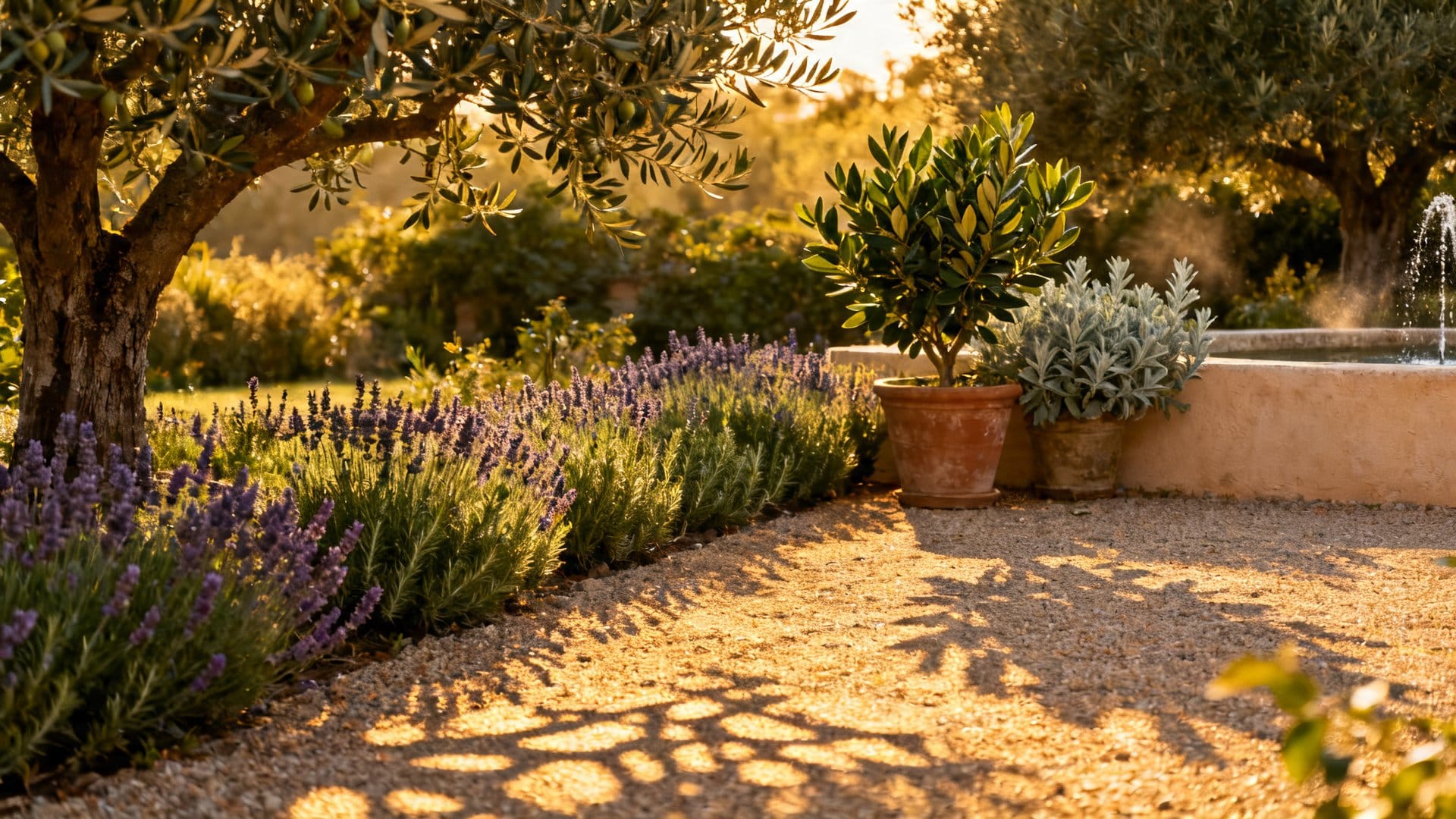
The best Mediterranean garden plants are drought-tolerant, fragrant, and sun-loving. Lavender, rosemary, sage, thyme, olive trees, and bougainvillea are the classic choices that define the style.
 Shop this look: olive tree planters on Amazon
The plant selection in a Mediterranean-style garden is where the whole design really comes to life. The classic Mediterranean plant palette leans heavily on drought-tolerant, fragrant, and silvery-leaved species that thrive in full sun and well-drained soil. Think lavender, rosemary, sage, thyme, cistus, and agapanthus, plants that look beautiful, smell incredible, and attract pollinators all season long.
Plants That Anchor the Look
- Olive trees in large terracotta urns create an instant focal point and add year-round structure even in cooler climates as container plants brought indoors for winter
- Lavender planted in drifts or edging a pathway releases fragrance every time you brush past it, and the purple-gray color is perfect against terracotta and stone
- Bougainvillea trained up a wall or trellis adds a dramatic cascade of magenta or coral that is unmistakably Mediterranean in feel
- Agave and succulents tucked into gravel beds or stone troughs bring sculptural contrast and require almost no maintenance
- Climbing roses or jasmine wound through a wrought iron arch fill the air with scent and add vertical softness to hard surfaces
Even if your climate doesn’t support all of these plants outdoors year-round, many can be grown in containers and overwintered inside, which actually keeps the garden feeling fresh and evolving through the seasons.
How Do You Create Evening Atmosphere in a Mediterranean Garden?
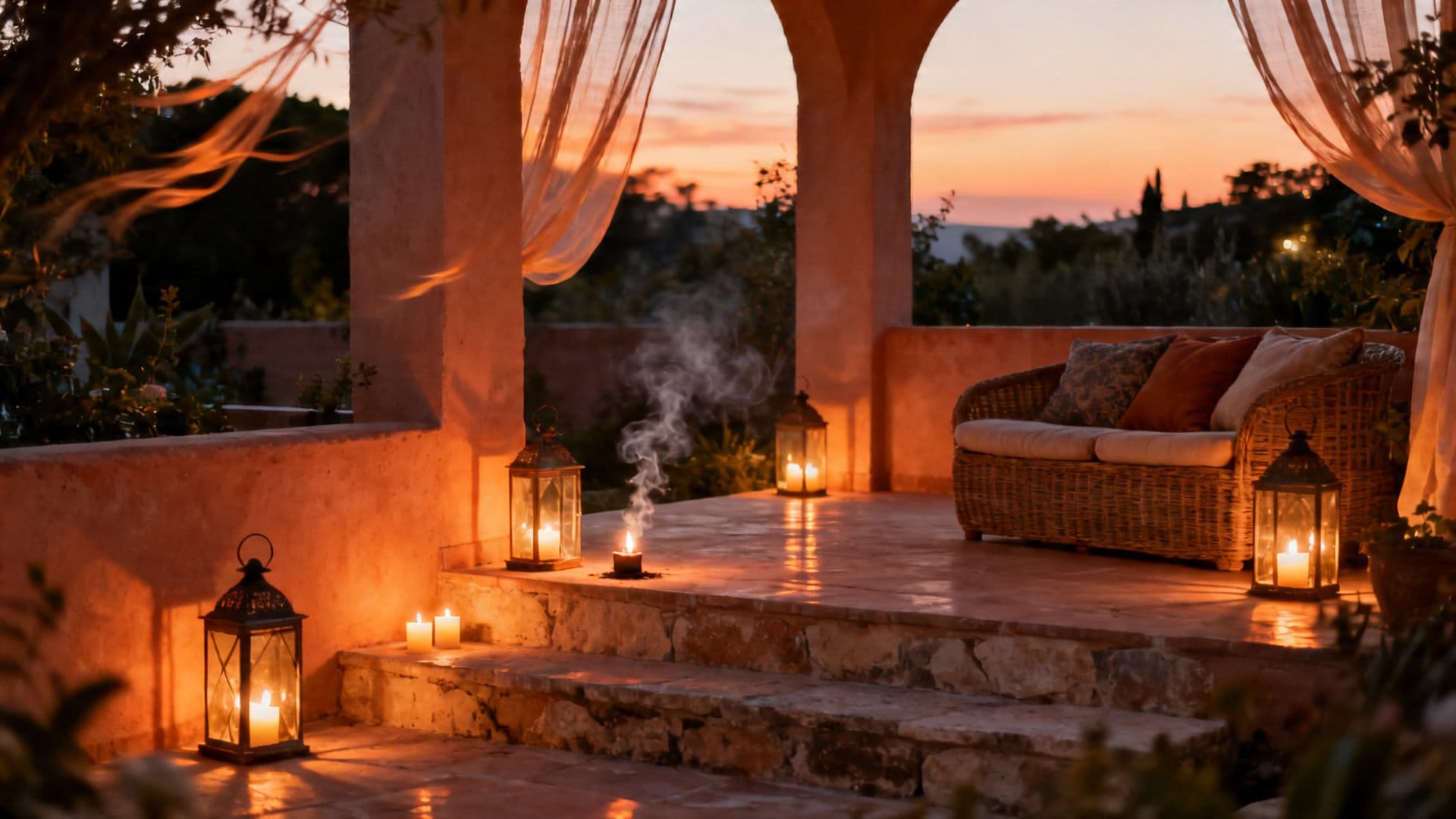
Warm, flickering light is the key to Mediterranean evening atmosphere. Lanterns, pillar candles, and café-style string lights layered at different heights create an intimate, organic glow that keeps the space feeling alive after sunset.
 Shop this look: cafe string lights on Amazon
Evening is when a Mediterranean garden truly comes into its own. The shift from bright afternoon sun to soft golden dusk is part of the whole sensory experience, and lighting plays a huge role in keeping that warmth alive after the sun goes down. This is not the place for harsh spotlights or cold LED strips, you want warm, flickering, intimate light that feels like it belongs to the garden rather than being imposed on it.
Cluster pillar candles on a low stone wall or a wooden table. Hang glass lanterns from a pergola or a low-hanging tree branch. Line a pathway with small terracotta oil lanterns. String warm-toned café lights overhead between two posts or along a fence line for a soft overhead glow that makes the whole space feel like a village square on a summer evening. I keep coming back to this approach because it costs very little but delivers an enormous amount of atmosphere.
Pro tip: Use lanterns in varying heights, some at ground level, some hanging, and some at eye level on a table or wall, to create layers of light that feel organic and unplanned. The visual effect is far more interesting than a single string of lights alone.
Once your lighting is sorted, it’s the smaller decorative details that will truly complete the Mediterranean mood.
&# 128214; You might also love:Japanese garden decor for a calm, minimalist space→What Are the Best Finishing Touches for a Mediterranean Garden?
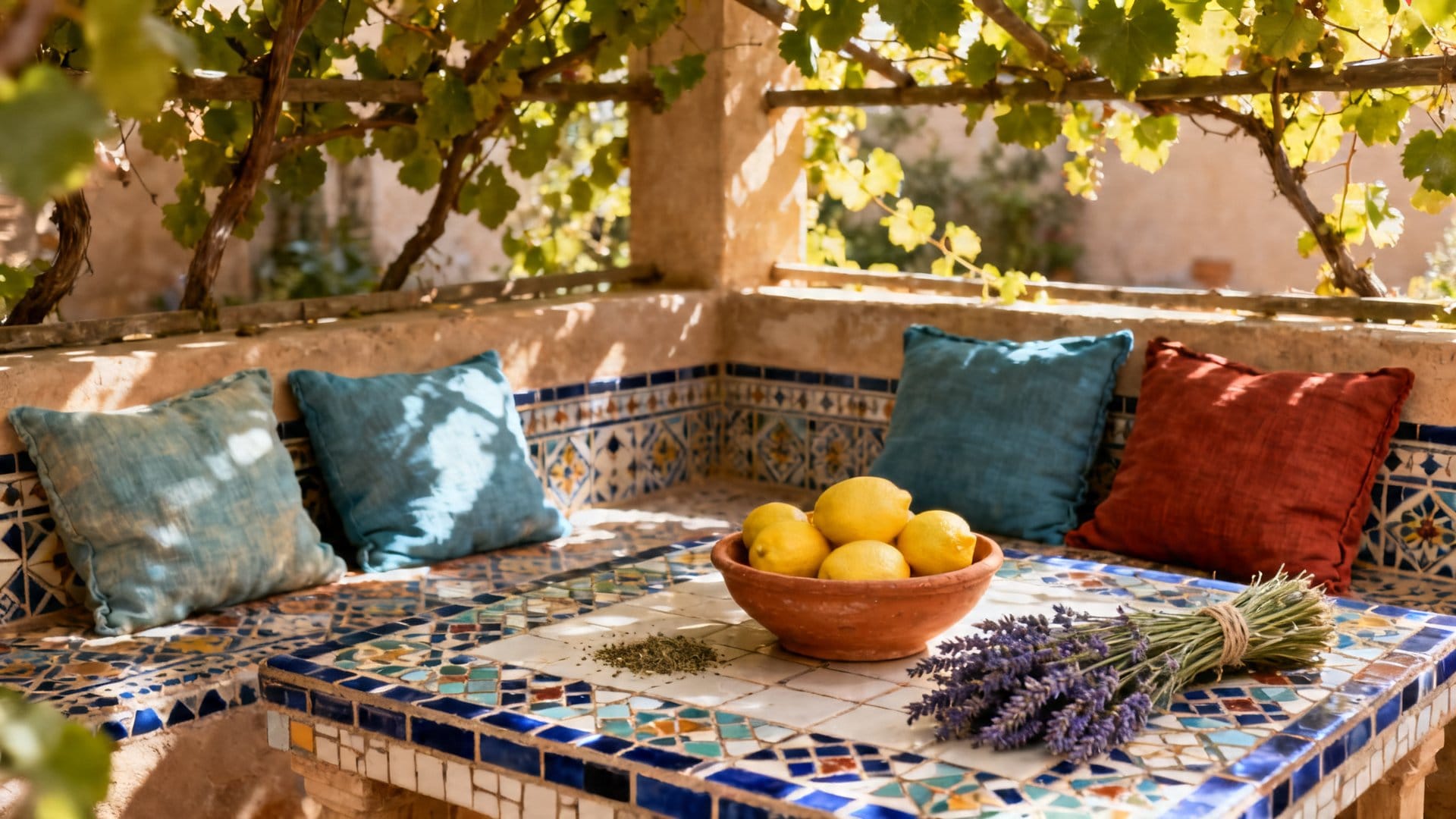
Hand-painted ceramic tiles, weather-resistant outdoor textiles, and fragrant plants near seating areas are the finishing touches that make a Mediterranean garden feel truly immersive. These sensory details are what guests notice most, even if they can’t quite name why the space feels so special.
 Shop this look: striped outdoor cushion covers on Amazon
The finishing details are what separate a good Mediterranean garden from one that genuinely transports you. Hand-painted ceramic tiles are one of the most effective tools in this style, a few colorful tiles set into a tabletop, used as stepping stones, or displayed on an exterior wall add pattern and artisan character without stressing the space. You can often find individual tiles at import home stores or online marketplaces that specialize in artisan ceramics.
Outdoor textiles deserve more attention than they usually get in garden styling. A weather-resistant cushion in a faded stripe of terracotta and cream on a wrought iron chair, a rough linen throw draped over a wooden bench, a jute rug under an outdoor dining table, these soft layers make the garden feel like an extension of your living room rather than a separate, formal outdoor zone. This works especially well in covered patio areas where textiles can stay out for longer stretches of the season without weather damage. I remember walking into a small courtyard where a single striped cushion and a woven rug did more for the mood than any expensive furniture ever could.
And don’t underestimate scent. A Mediterranean garden engages all the senses, and fragrance is a huge part of the experience. Lavender, rosemary, jasmine, and lemon verbena planted near seating areas mean that every time a breeze moves through, the air carries something beautiful. It’s one of those details that guests always notice even if they can’t quite name what makes the space feel so special.
The Quiet Magic of a Water Feature
If there’s one addition that ties the whole sensory experience together, it’s the gentle sound of moving water. A small tabletop fountain tucked among the terracotta pots, or a simple stone basin near a shaded seating corner, brings that classic courtyard feeling of a Mediterranean village. From what I’ve gathered, you don’t need anything elaborate here, even a compact rustic fountain adds a soft, trickling soundtrack that makes the space feel cool and calm on the hottest afternoons.
Final Thoughts
Creating your own version of Mediterranean garden decor doesn’t require a complete overhaul or a sprawling backyard, it just takes a thoughtful layering of warm materials, fragrant plants, and that easy, sun-drenched outdoor style that makes you want to linger a little longer. Start with a cluster of terracotta pots, add a lantern or two, and let the rest unfold at its own pace. Your outdoor space is yours to shape, and there’s no single right way to get there. Happy decorating!
Frequently Asked Questions
Authentic Mediterranean garden decor relies on a combination of natural materials, warm earthy tones, and drought-tolerant plants. Think terracotta pots, weathered stone or tile surfaces, wrought iron accents, and lush plantings of lavender, rosemary, olive trees, and bougainvillea. The overall effect comes from layering these elements organically rather than following a rigid, perfectly matched design scheme.
Absolutely, Mediterranean garden decor is highly adaptable and works beautifully in compact outdoor spaces like balconies and small patios. You can achieve the look with a few well-chosen terracotta pots filled with herbs and trailing plants, a mosaic side table, and some warm-toned textiles like cushions or an outdoor rug. The key is focusing on sensory details such as fragrant plants, textured surfaces, and warm lighting rather than trying to fill a large amount of space.
Mediterranean gardens thrive with plants that love sun and tolerate dry conditions, making lavender, rosemary, sage, thyme, and ornamental grasses great choices. Larger statement plants like olive trees, cypress, and bougainvillea instantly evoke the look and feel of southern European space. These plants are not only visually fitting but also practical, as they generally require less watering and maintenance once established.
The Mediterranean color palette is rooted in the natural space, drawing from warm terracotta oranges, sandy beiges, dusty whites, and sun-bleached yellows as a base. These earthy neutrals are then accented with the vibrant blues, cobalt, and turquoise seen in Greek tiles and Moroccan ceramics, as well as the deep purples and pinks of flowering plants like bougainvillea and lavender. This combination of warm and vivid tones is what gives Mediterranean spaces their characteristic sun-drenched, lively energy.
While a water feature is not strictly necessary, it is one of the most impactful additions you can make to a Mediterranean-style garden, as the sound of trickling water is deeply tied to the ambiance of this design tradition. Even a small tabletop fountain or a simple stone basin can evoke the feel of a classic Mediterranean courtyard without requiring a large budget or significant installation work. If a water feature isn’t feasible, you can compensate with other sensory elements like wind chimes, fragrant herbs, and soft outdoor lighting to create a similarly immersive atmosphere.