
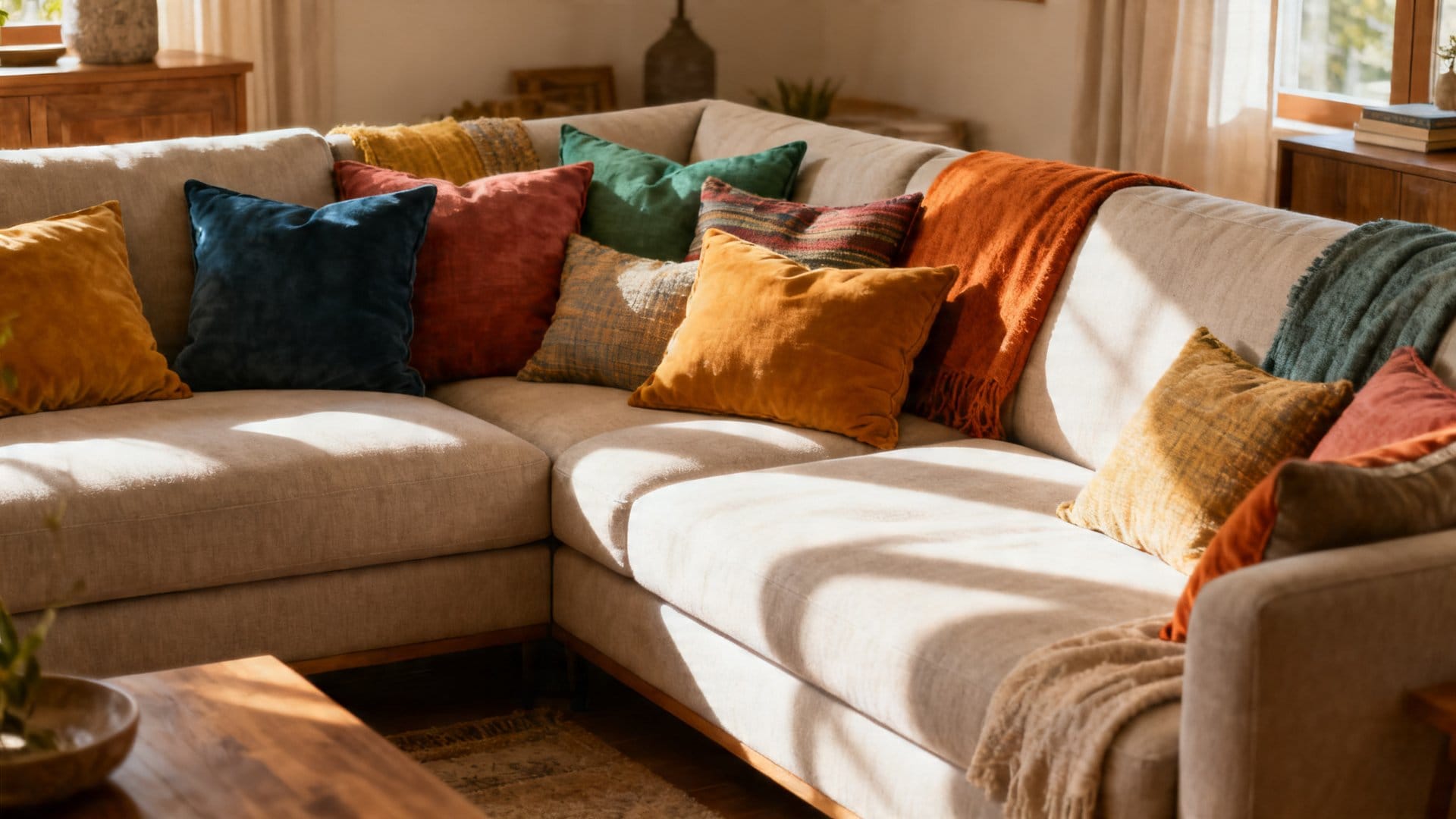
There is something quietly satisfying about walking into a living room and noticing that the pillows on the sectional just look right, not overdone, not sparse, but perfectly layered and full of personality. That feeling is not accidental, and it is absolutely something you can create in your own home. Knowing how to style sectional couch pillows for maximum visual impact is one of the most rewarding small projects you can take on, because the results are immediate and the process is genuinely fun. This article walks you through the key decisions, from color and scale to texture and arrangement, so your sectional becomes the heart of the room it was always meant to be.
Why Do Sectionals Need a Different Pillow Strategy?
Sectionals need a different pillow strategy because their large scale and multi-section layout create distinct visual zones that a standard sofa approach simply cannot address. Treating each arm, corner, and chaise as its own intentional area is what separates a flat, scattered look from one that feels truly styled.
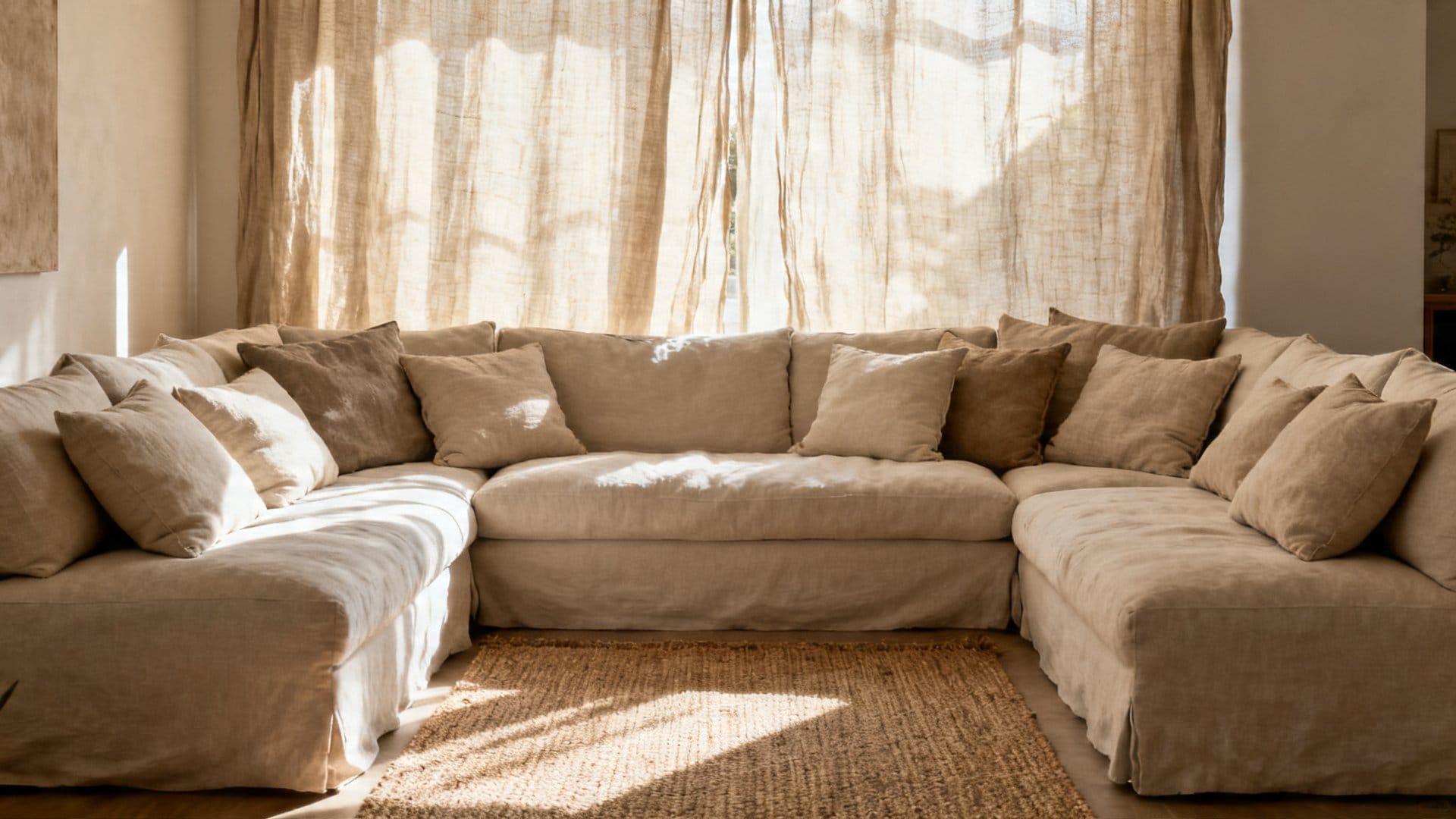 Shop this look: sectional pillows on Amazon
A sectional is not just a big sofa. It is a sprawling, L-shaped (or U-shaped) statement piece that covers a lot of visual ground, and that means your pillow approach needs to be intentional in a way that a standard two-cushion loveseat simply does not require.
One thing I’ve noticed is that people often treat their sectional like a regular sofa and just scatter a few pillows across it, and then wonder why it looks flat. The scale is different. The corners matter. The length of each arm creates natural “zones” that you can actually use to your advantage.
Layout Ideas
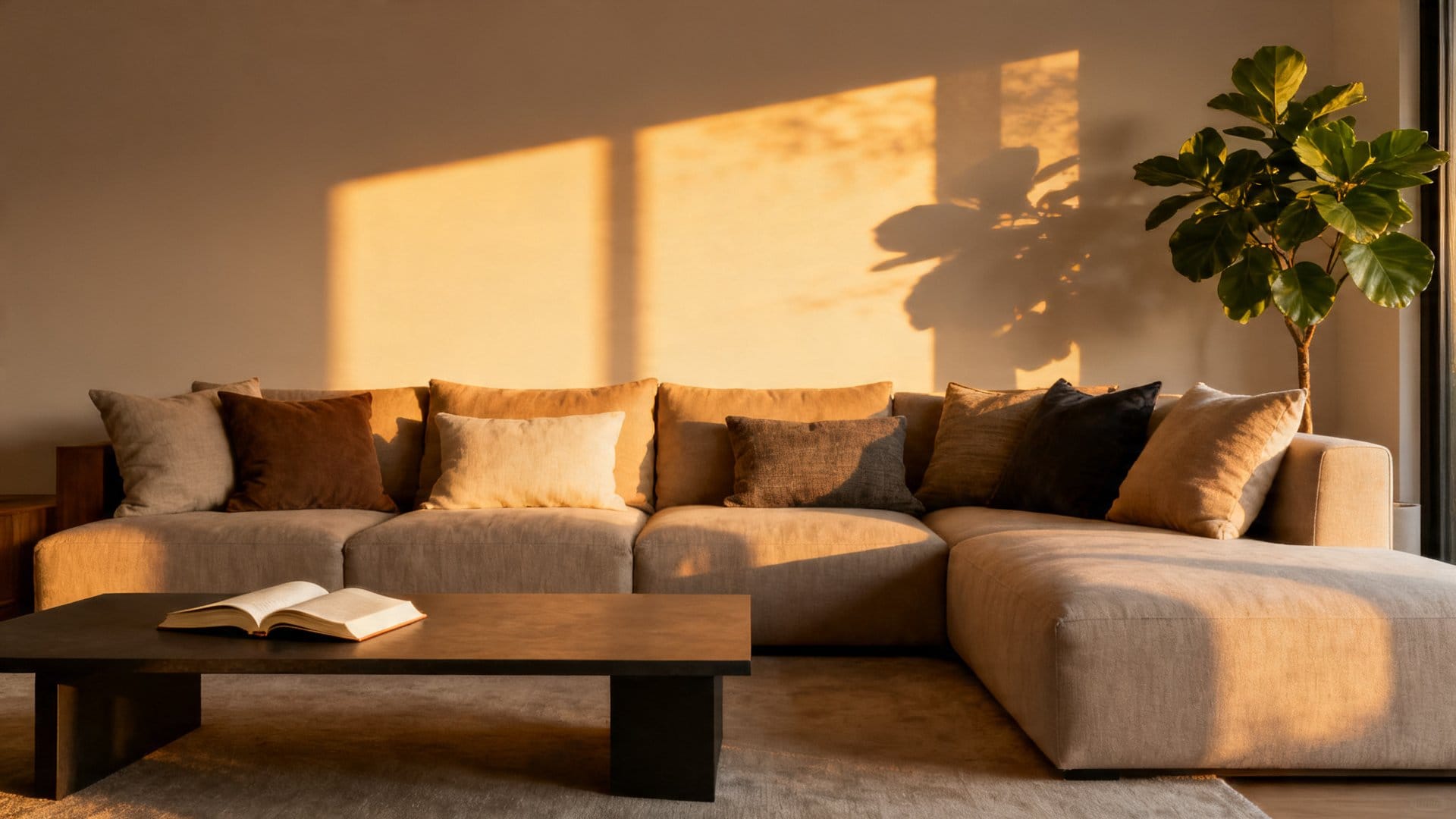
Think of your sectional in sections (fitting, right?). The corner seat is a natural anchor point, so start there with your largest, most eye-catching pillow. Then work outward toward each arm with progressively smaller or more textured pieces, creating a visual rhythm that feels intentional rather than random.
🛋️ Sofa styling basics:Decorative Pillows on a Couch→
How Do You Choose the Right Pillow Sizes for a Sectional?
The right pillow sizes for a sectional combine large anchors, medium mid-layer pieces, and smaller accent or lumbar pillows to create depth and visual balance. Using a mix of 24-inch, 20-inch, and 18-inch or lumbar pillows is the most reliable starting point for most standard sectionals.
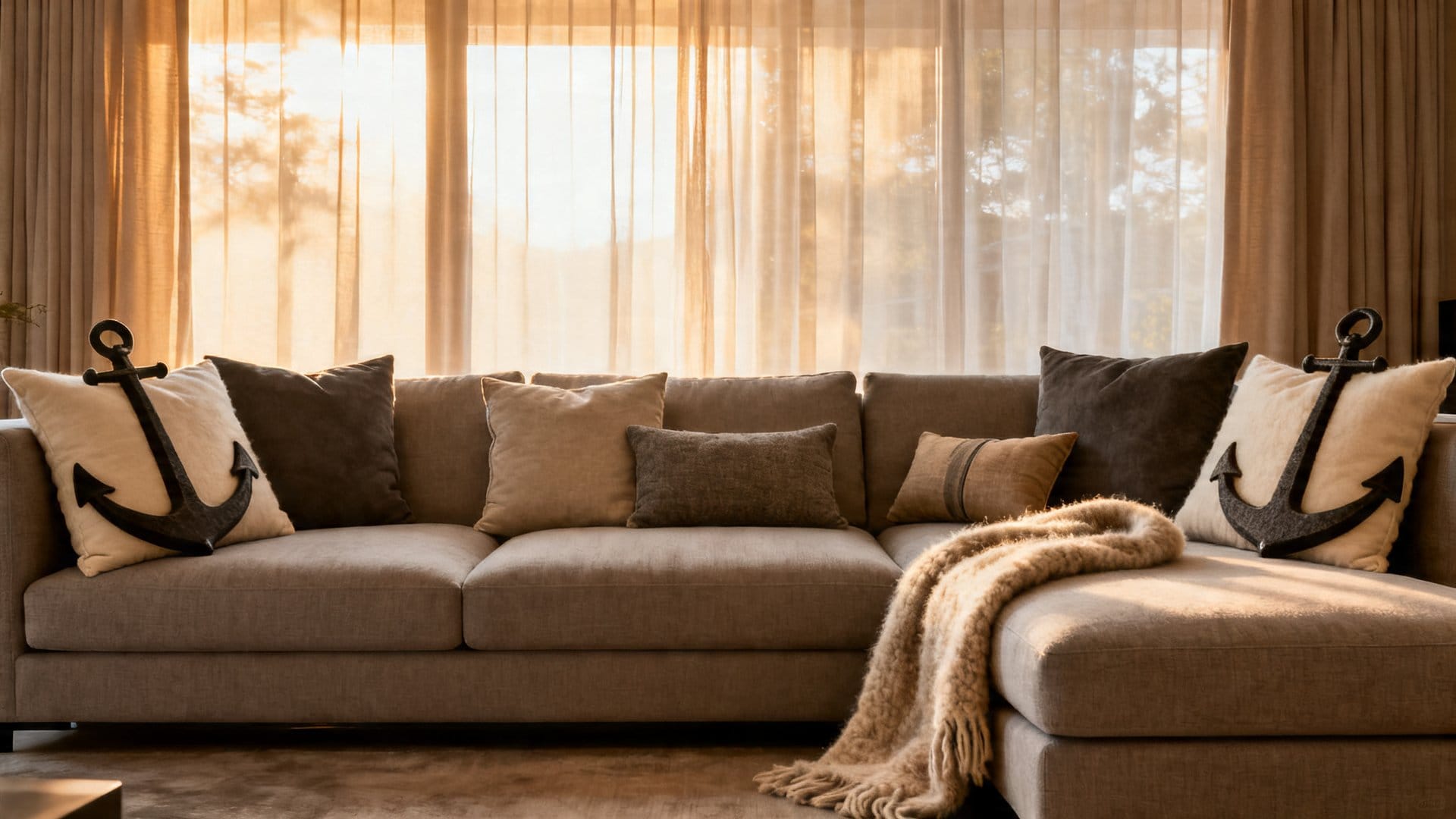 Shop this look: large pillows on Amazon
Size is probably the most underestimated factor for pillow styling. Too many small pillows on a large sectional look fussy and childlike, while one giant pillow sitting alone looks like a forgotten afterthought.
For most standard sectionals, a combination of 24-inch square pillows as anchors, 20-inch squares as mid-layer pieces, and 18-inch or lumbar pillows as accents creates a satisfying sense of depth. The lumbar pillow, that long rectangular shape, is especially useful along the back of a chaise section, where it bridges the gap between “decoration” and actual back support.
Pro tip: Always buy pillow inserts one size larger than your pillow cover. A 20-inch insert inside an 18-inch cover creates that plump, luxurious look that feels expensive without actually being so.
Once you have your sizes sorted, the next decision that shapes the entire look is color.
How Do You Build a Color Story That Feels Cohesive?
Building a cohesive color story means choosing two anchor colors already present in your room and adding one slightly unexpected accent shade. Limiting yourself to three colors and repeating each at least twice keeps the arrangement unified without feeling rigid.
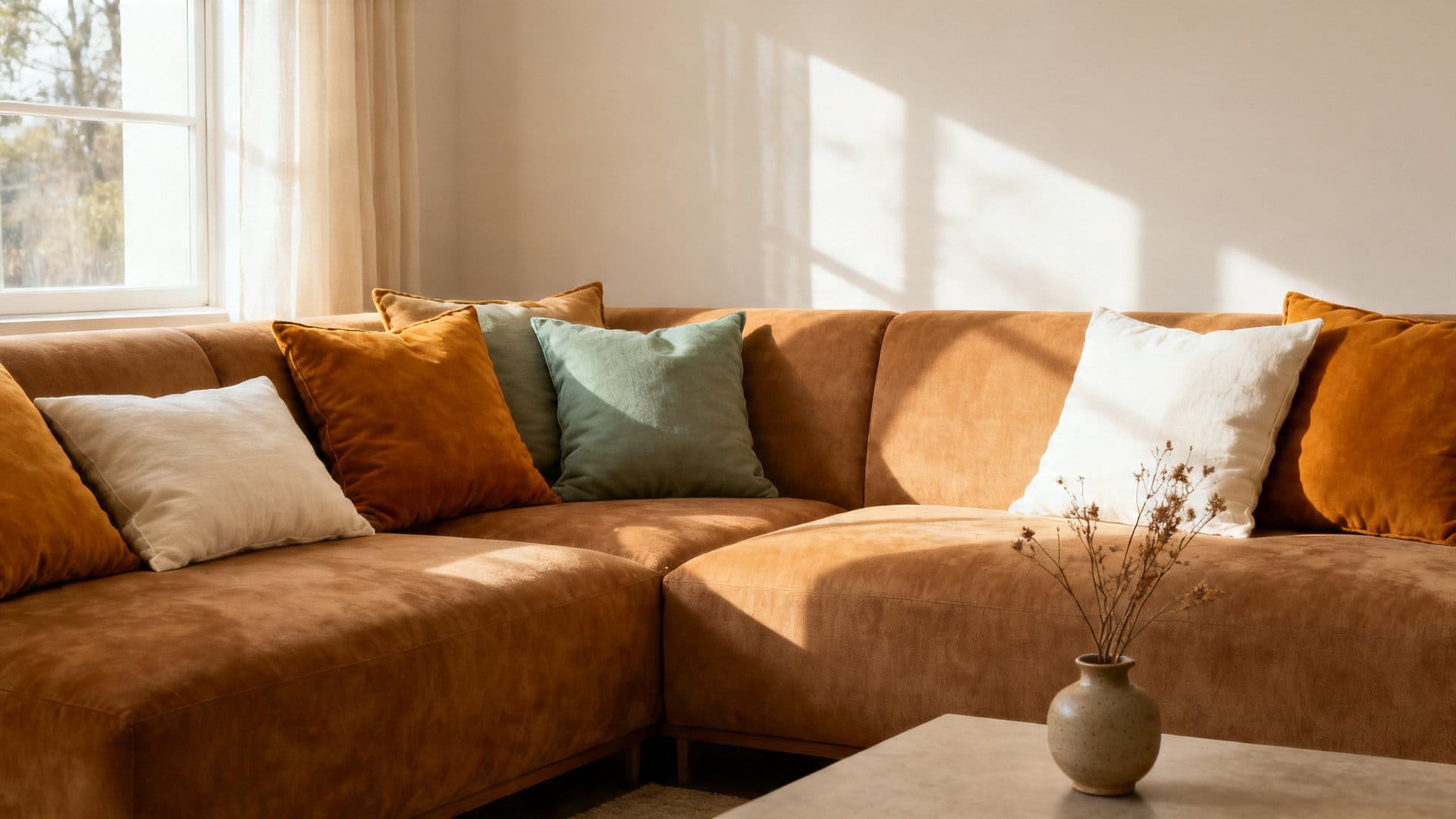 Shop this look: neutral pillows on Amazon
Color is where a lot of people either overthink or underthink their pillow choices. The goal is not to match everything perfectly, that reads as stiff and overly coordinated. Instead, you want to build a color story with a clear lead, a supporting role, and a small surprise.
Start by pulling one or two colors already present in your room, maybe the warm amber in your rug, or the dusty sage of your curtains. Let those become your anchor pillow colors. Then introduce one shade that is slightly unexpected: a rust-orange against a navy sectional, or a deep plum tucked into a neutral linen arrangement. I love how a single unexpected color wakes up an entire room without requiring any furniture changes.
Color Combinations Worth Trying
- Warm ivory, soft terracotta, and a single deep olive green for an earthy, grounded living room feel
- Slate blue, cream, and a touch of burnished gold for a Hamptons-inspired coastal look without going overboard on nautical clichés
- Charcoal, blush, and warm white for a modern setup that still feels soft and livable
- Mustard yellow, off-white, and a deep forest green for a bold, nature-inspired palette that photographs beautifully
The key is restraint, choose three colors maximum, and let them appear in varying proportions across your pillow arrangement so the eye has somewhere to travel.
With your color palette in place, there is one more layer that separates a good arrangement from a truly great one: texture.
🎨 More color combos:Pillows for a Grey Couch→Why Is Texture the Secret Ingredient Most People Skip?
Texture is the secret ingredient because it creates visual interest and depth even when your pillows share the same color palette. Mixing materials like velvet, boucle, linen, and woven covers makes a sectional feel layered and alive in a way that flat, uniform fabric never can.
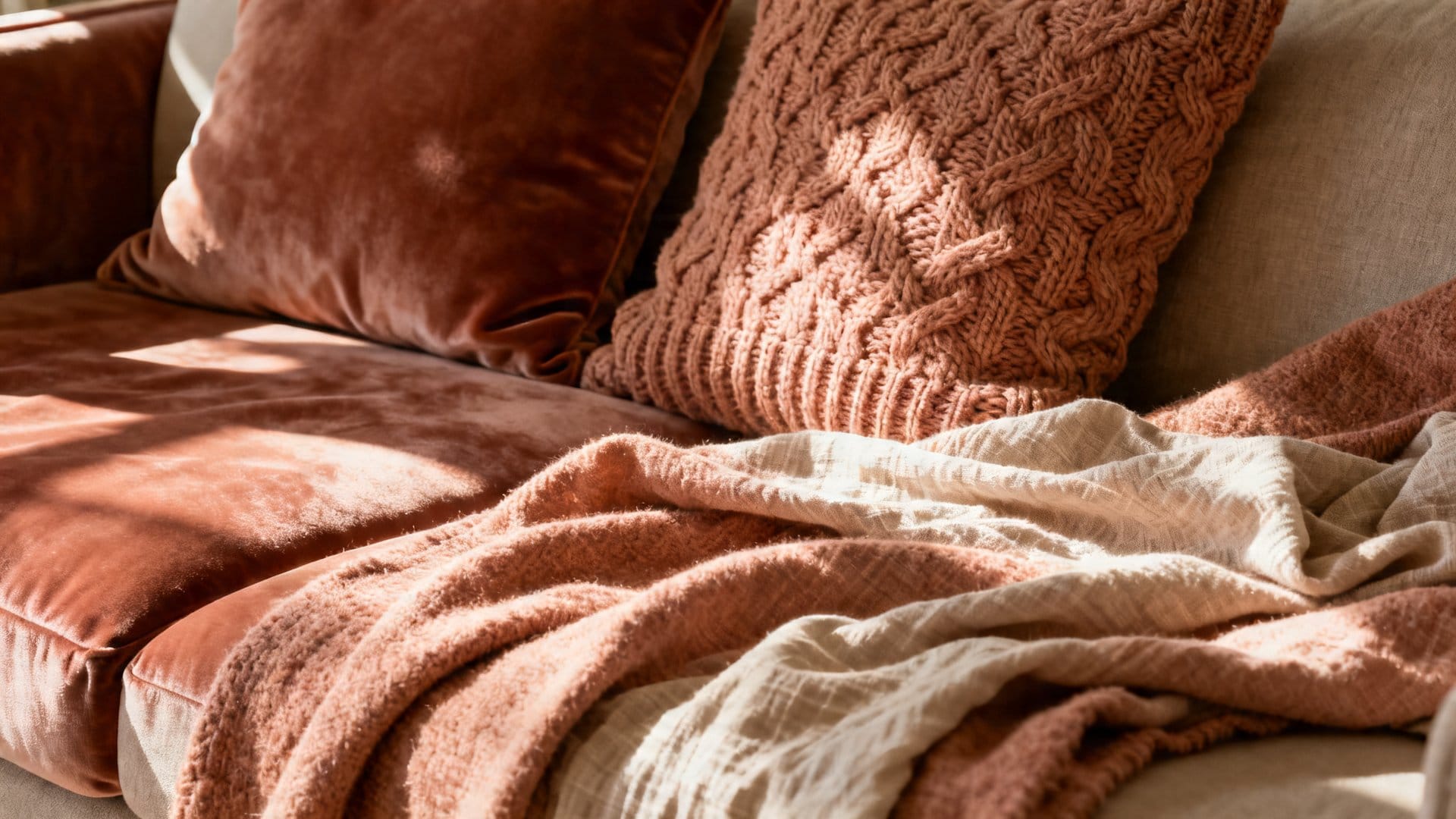 Shop this look: a lumbar pillow on Amazon
Here is a truth that changes everything: two pillows in the exact same color can look completely different depending on their texture. A smooth velvet and a chunky boucle sitting side by side create far more visual interest than two flat cotton pillows ever could, even if they are both the same shade of cream.
I keep coming back to this approach because it solves the problem of wanting a cohesive look without everything feeling matchy-matchy. Try layering a linen pillow with a woven jute-blend cover, then add a pillow with a subtle embroidered detail. The variation in surface catches light differently throughout the day, giving your sectional a living, breathing quality that flat fabric simply cannot achieve. A chunky knit pillow tucked into the corner of the chaise adds that cozy, tactile invitation that makes guests want to immediately sit down.
Pro tip: In rooms with a lot of hard surfaces, wood floors, glass coffee tables, metal accents, lean heavily into soft, tactile pillow textures like sherpa, velvet, or waffle-weave cotton to balance the visual weight of the room.
How to Arrange Sectional Couch Pillows Like a Pro?
Arranging sectional pillows like a pro means starting with your largest pillows at the outer arms and corner, then layering medium and small pillows in front of them from back to front. This graduated layering creates the depth and intentionality that interior stylists rely on.
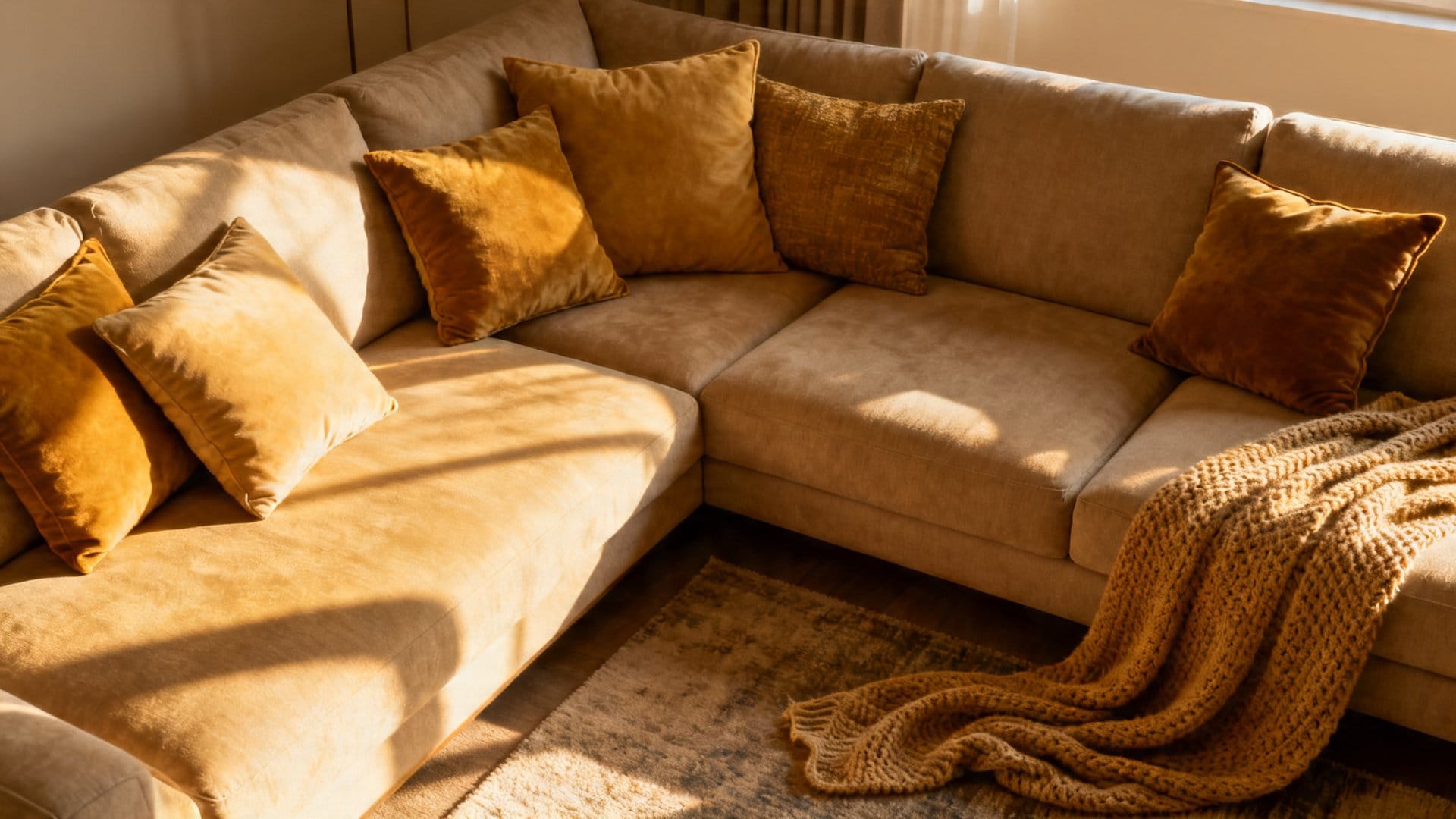 Shop this look: pillow covers on Amazon
Arrangement is where all your color and texture choices either come together beautifully or fall apart. The good news is that there is a simple framework that works for almost any sectional shape or size.
Start with your largest pillows at the outer arms and the corner seat. These are your anchors, they set the scale for everything else. Next, layer your medium pillows slightly in front of the anchors, angled very slightly inward to create depth. Finally, add your lumbar or smallest accent pillow in the front layer, especially on the chaise or the longest run of the sectional. This front-to-back layering is the same trick interior stylists use, and it is surprisingly easy once you see the logic behind it.
Styling Notes
Resist the urge to place pillows in perfectly symmetrical rows. A slight lean, a small overlap between two pillows, or one pillow placed horizontally while its neighbor sits upright, these small imperfections are what make a sectional look styled by a real person rather than a showroom mannequin. When you style sectional couch pillows for maximum visual impact, it is often the tiny “imperfect” details that make the whole arrangement feel warm and inviting.
How Do You Do Seasonal Swaps Without Starting Over Each Time?
The key to seasonal swaps is keeping two or three neutral anchor pillows year-round and rotating only two or three smaller accent pillows as the seasons change. This approach keeps your sectional feeling fresh without requiring a full overhaul or significant extra storage.
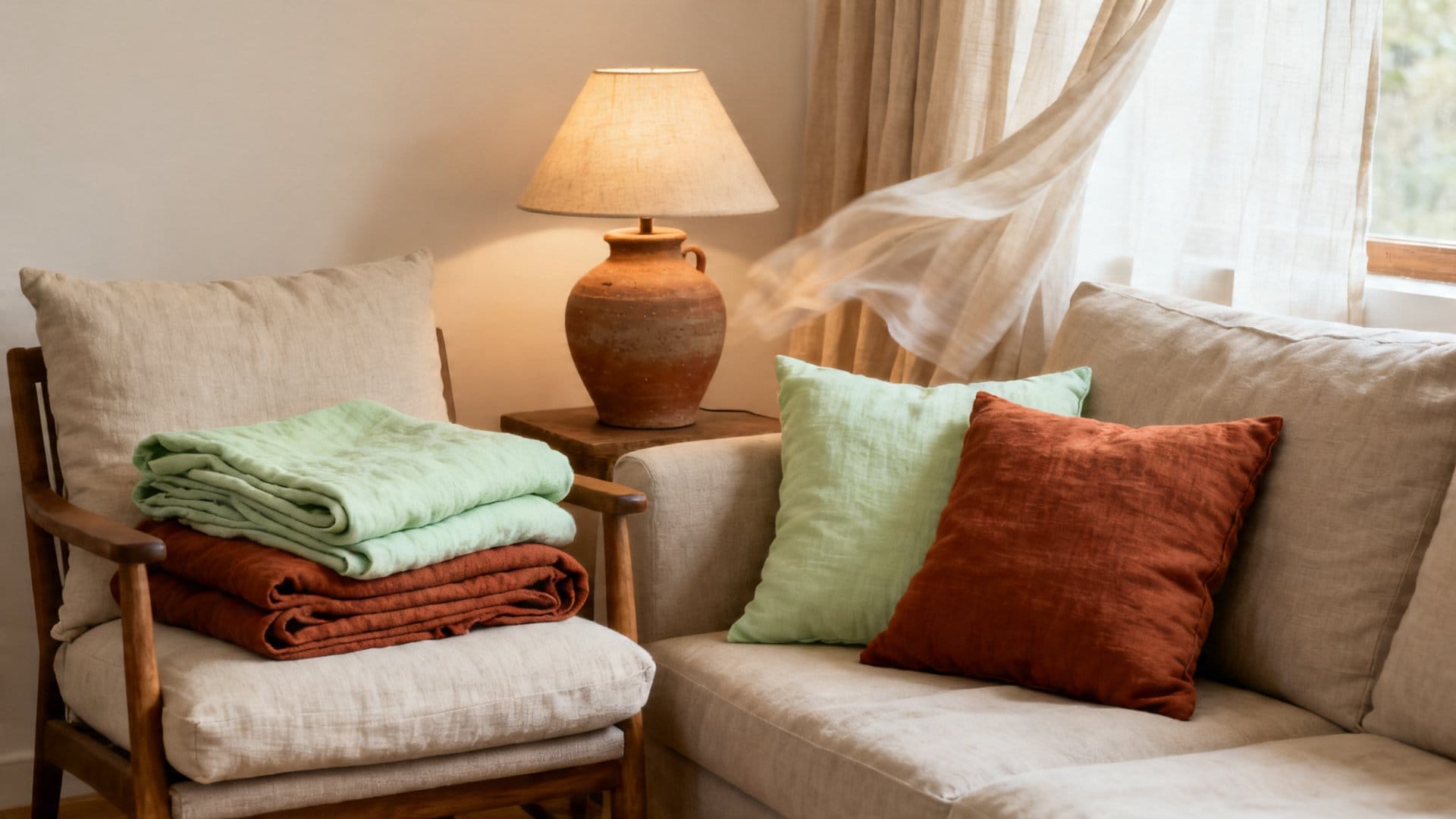
One of the smartest things you can do is build your pillow collection around a neutral foundation that stays year-round, then rotate in a small set of seasonal accents. This approach saves money, reduces storage headaches, and keeps your sectional feeling fresh without requiring a complete overhaul every few months.
For example, keep two or three large linen or boucle pillows as permanent fixtures, they work in every season and provide your anchor texture. Then swap out just two or three smaller accent pillows as the seasons shift. In fall, bring in deep amber velvet and a warm plaid. In winter, try a faux fur lumbar and a charcoal cable-knit. Come spring, swap to soft sage linen and a floral embroidered cover. A friend of mine tried something similar and said it completely changed how she felt about her living room, suddenly it felt alive and intentional all year long, not just during the holidays.
Pro tip: Store your off-season pillow covers (not the inserts, those stay) in a labeled fabric bin. Covers take up very little space, and keeping the inserts in use means they maintain their shape and loft year-round.
Beyond solid colors and textures, introducing pattern is the final tool that can improve your sectional styling, as long as you know when to stop.
✨ Keep the look going:Brown Couch Pillow Pairings→How Do You Mix Patterns and Prints Without Going Too Far?
Mixing patterns successfully comes down to varying the scale of each print so they occupy different visual frequencies and do not compete. Pairing a large geometric, a medium stripe, and a small floral, then filling remaining spots with solids, keeps the arrangement lively without tipping into chaos.
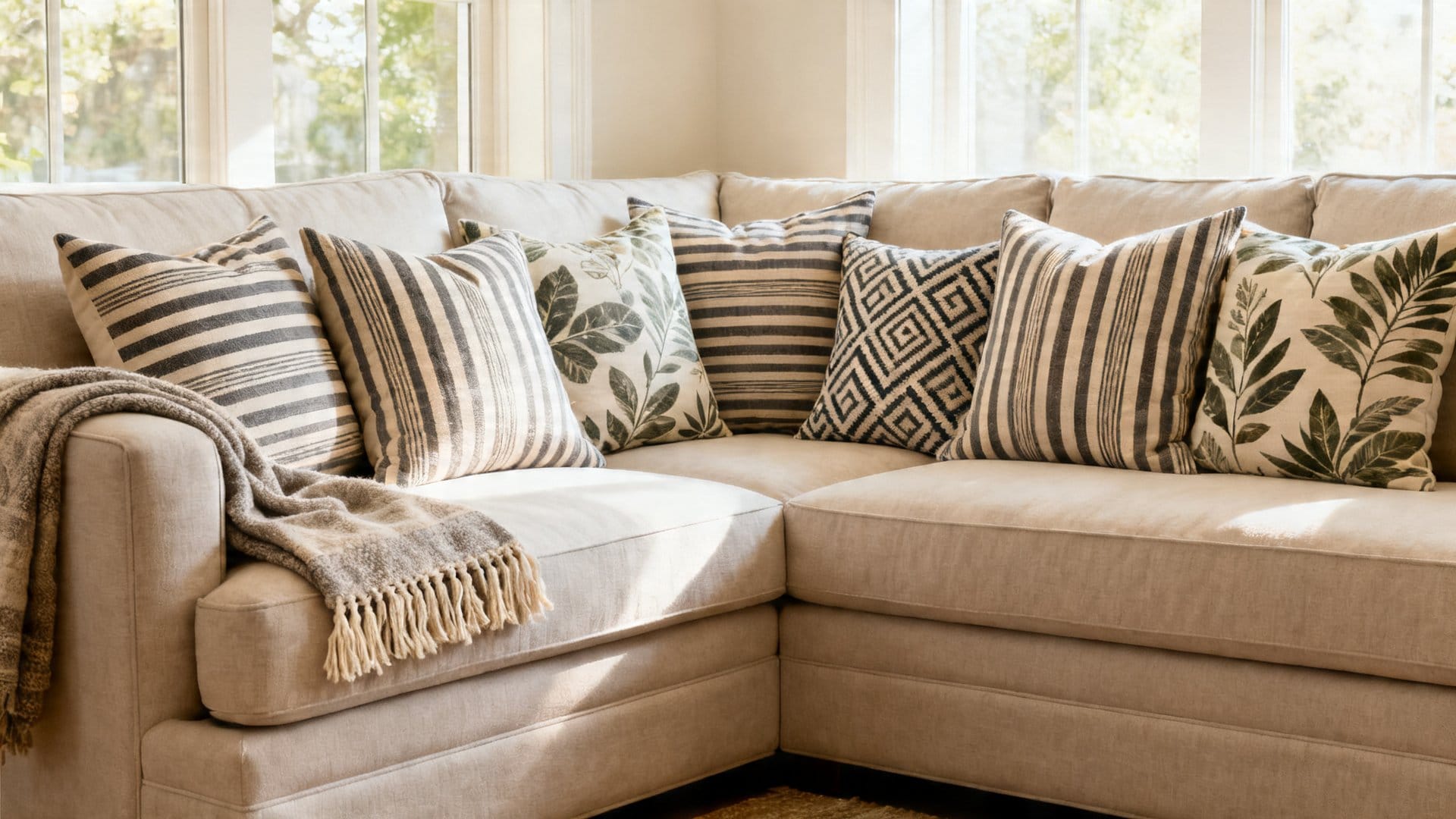
Mixing patterns is one of those things that looks effortless when done well and chaotic when overdone. The trick is to vary the scale of your patterns so they do not compete with each other. A large geometric print, a medium-scale stripe, and a small ditsy floral can coexist beautifully because each one occupies a different visual frequency.
A general rule of thumb: limit yourself to two patterned pillows per sectional section (the long side and the chaise each count as their own section). Fill the remaining spots with solid-colored pillows in your chosen palette. This gives the patterns room to breathe and prevents the sectional from looking like a quilt shop exploded across your living room. One thing I’ve noticed is that people who feel nervous about patterns often find that a single bold print pillow surrounded by solid companions is all they need, it becomes a focal point rather than a risk.
Final Thoughts
When you take the time to thoughtfully style sectional couch pillows for maximum visual impact, the whole room shifts, it feels more intentional, more personal, and more genuinely comfortable. Your sectional is probably the largest piece of furniture in your living room, and it deserves pillow styling that honors its presence rather than afterthoughts tossed on for the sake of it. Trust your instincts, lean into texture and color combinations that make you happy, and remember that there is no single “right” answer, just the arrangement that makes you smile when you walk into the room. Happy decorating!
Frequently Asked Questions
The ideal number of pillows for a sectional depends on its size and shape, but most L-shaped sectionals look best with seven to twelve pillows arranged in a deliberate, layered grouping. Rather than distributing them evenly across every cushion, cluster them at the corner and at each open end to create intentional focal points. The goal is to achieve a full, styled look without making the seating feel cluttered or unusable.
Sectionals benefit from a mix of sizes because the large scale of the furniture demands visual variety to avoid a flat, monotonous appearance. A common approach is to anchor each grouping with larger 22- or 24-inch pillows at the back, layer in standard 18- or 20-inch pillows in front of those, and finish with a smaller lumbar or 16-inch accent pillow at the front. This graduated layering creates depth and makes the arrangement look professionally styled rather than randomly assembled.
Start by identifying two or three colors already present in your room, from your rug, artwork, curtains, or wall color, and use your pillows to echo and connect those tones across the sectional. You do not need every pillow to match; instead, aim for a cohesive palette where colors repeat at least twice so the eye moves naturally around the space. Adding one slightly unexpected accent color can improve the arrangement from safe to genuinely striking without disrupting the overall harmony.
Perfectly matching pillows on a sectional tend to look more like a showroom floor display than a lived-in, thoughtfully decorated home. A more visually interesting approach is to coordinate pillows through a shared color palette or design theme while varying the patterns, textures, and sizes within that framework. Mixing a solid, a subtle geometric, and a bolder pattern in complementary colors creates the kind of layered, intentional look that feels both cohesive and full of personality.
On an L-shaped sectional, the most effective strategy is to treat the corner as the visual anchor of the arrangement and build outward from there, placing your largest or most eye-catching pillows at that central point. From the corner, create smaller groupings of two to three pillows at each open end of the sectional, using the layering technique of large-to-small from back to front. This approach draws the eye toward the corner, the natural gathering spot, while keeping the ends of the sectional looking intentional and finished rather than like an afterthought.