There’s a particular kind of stillness you feel when you step into a Japanese garden. The sound of water trickling over smooth stones, the way a single moss-covered lantern seems perfectly placed without any effort at all. That feeling doesn’t have to stay in a faraway travel memory. Japanese garden decor brings that same sense of peaceful, minimalist calm right into your own backyard or outdoor corner, and honestly, even a small patio or side yard can carry it beautifully. This article walks you through the core elements, from stone arrangements to water features to plant choices, so you can create your own quiet retreat at home. The best part? You don’t need a sprawling space or a design degree to pull it off.
What Is the Philosophy Behind Japanese Garden Design?
Japanese garden design is rooted in wabi-sabi, the philosophy of finding beauty in imperfection, impermanence, and simplicity. Every element earns its place, and intentional restraint is what gives these spaces their quiet, lasting power.
Before you start shopping for lanterns and bamboo, it helps to understand what makes a Japanese garden feel different from other garden styles like rustic outdoor decor. The guiding philosophy is rooted in wabi-sabi, the Japanese concept of finding beauty in imperfection, impermanence, and simplicity. Nothing is over-decorated. Nothing fights for attention. Every element earns its place.
I love how this philosophy actually takes pressure off the design process. You’re not trying to fill every inch of space. You’re selecting a few meaningful pieces and letting the negative space do just as much work as the objects themselves. That sense of intentional restraint is what gives Japanese garden spaces their quiet power, much like the calm you see in a modern garden decor approach.
&# 128218; Keep reading:Garden Decor: The Complete Guide to Beautiful Outdoor Styling→Why It Works
The minimalist approach means fewer decisions, less maintenance, and a garden that feels restful rather than busy. When you limit your palette, both in color and in materials, the eye can actually rest, and that translates into a genuine sense of calm every time you step outside.
How Do Stone and Gravel Form the Foundation of a Japanese Garden?
Stone is the single most defining material in Japanese garden decor. Smooth river rocks, flat stepping stones, and raked gravel work together to create structure, texture, and a sense of calm movement throughout the space.
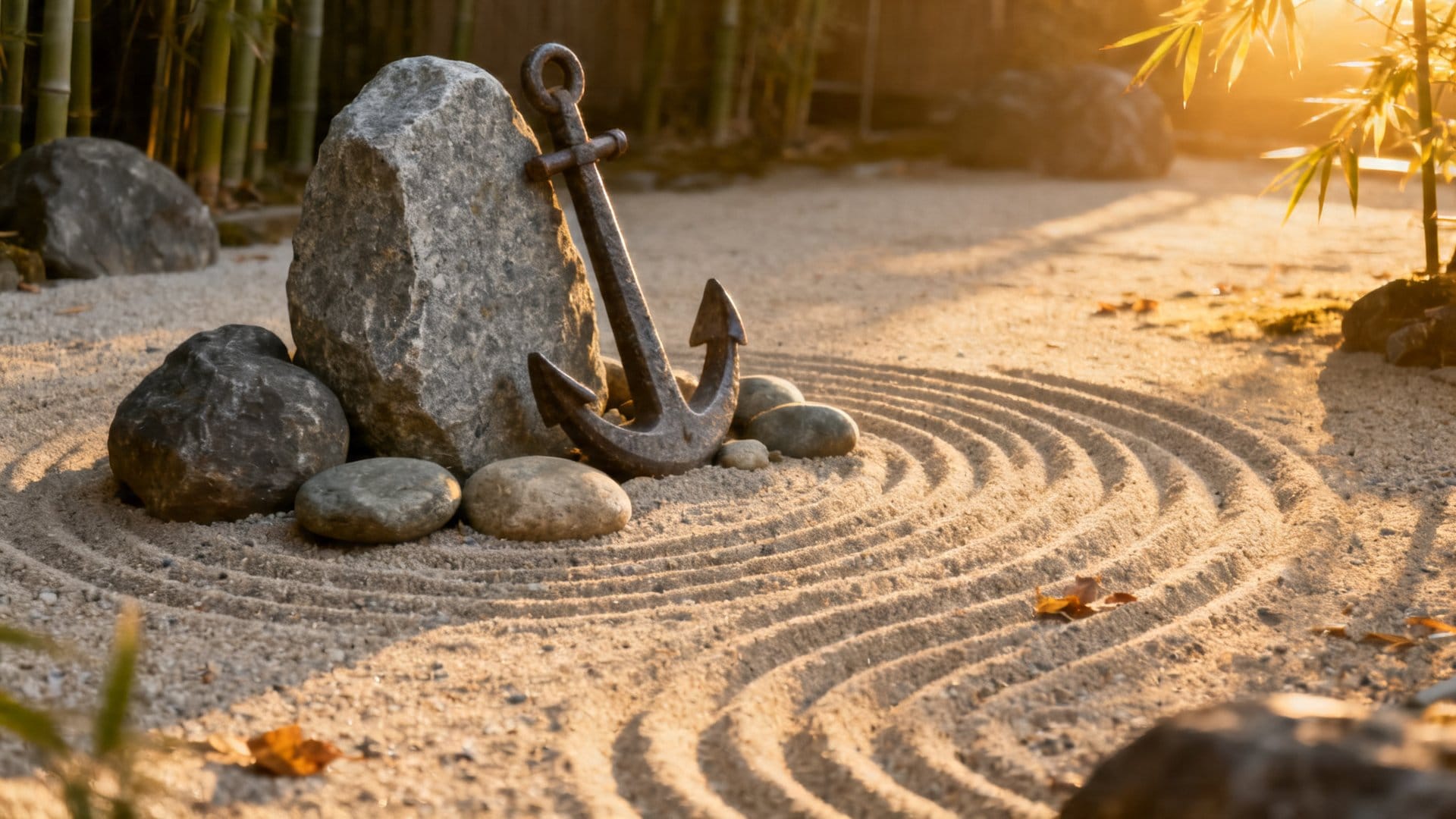
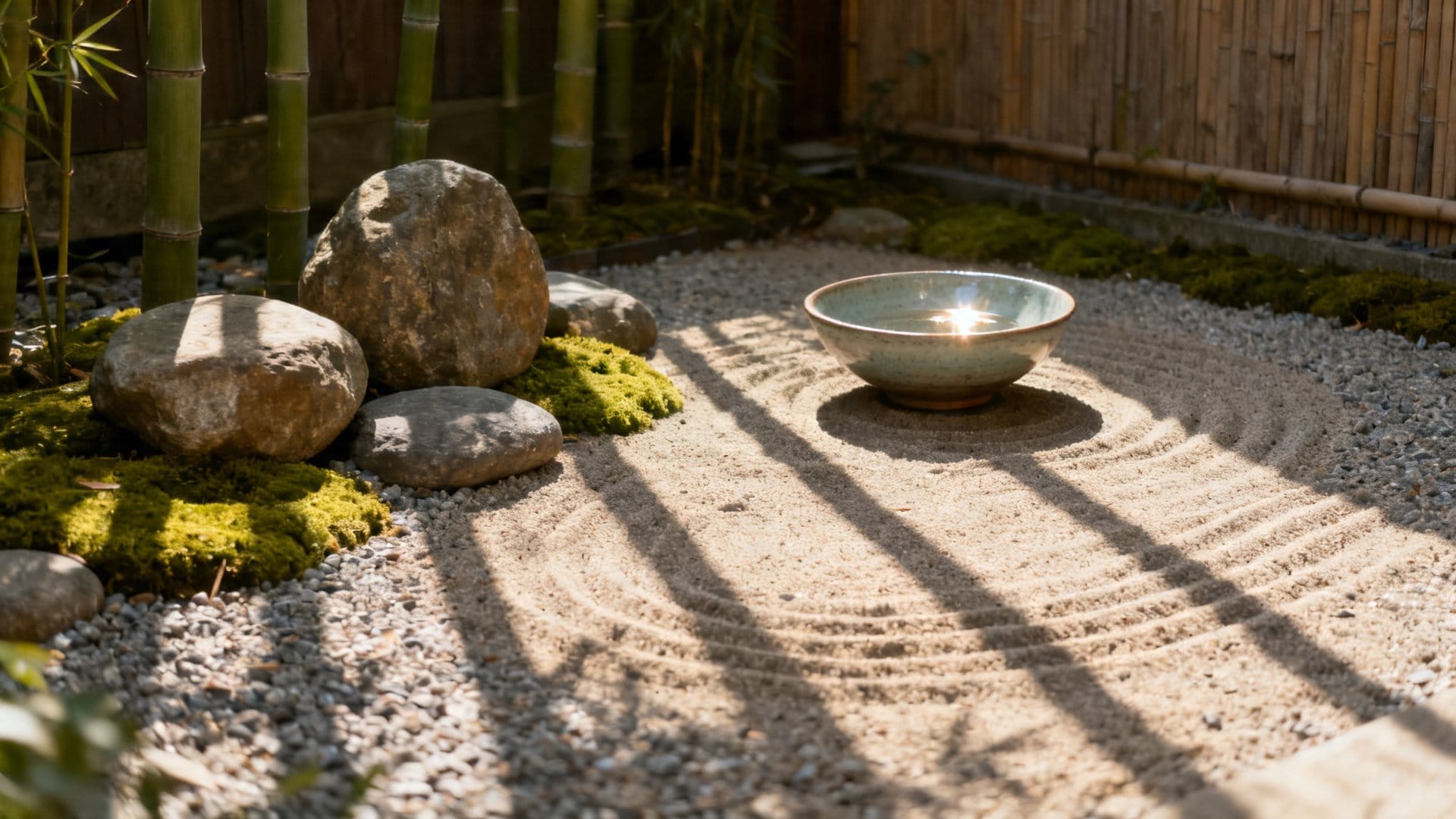
If there’s one material that defines Japanese garden decor more than any other, it’s stone. Smooth river rocks, rough-cut granite, flat stepping stones, and raked gravel all play distinct roles in creating that signature look. Gravel or decomposed granite raked into gentle wave patterns, a practice called karesansui or dry-space gardening, mimics the movement of water without a single drop.
You don’t need to commit to a full zen rock garden to use this idea. Even a small section of white or gray gravel bordered by dark river stones creates an instantly calming focal point. Flat stepping stones placed with deliberate spacing invite slow, mindful movement through the space, which is very much the point. One thing I’ve noticed is that using two or three sizes of stone together, a large anchor boulder, medium edging rocks, and fine gravel, gives the arrangement a natural, layered quality that single-size stone just can’t match. If you want to take the look further, a few natural outdoor accents tucked along a path let the stonework glow softly after dusk.
Pro tip: Resist the urge to place stones symmetrically. In Japanese garden design, odd numbers and asymmetrical groupings feel more natural and visually interesting, so try grouping stones in threes rather than pairs.
A simple, ready-made set is the easiest on-ramp if you want the raked-gravel look without sourcing every piece yourself. Look for a compact kit that includes fine sand, a small rake, and a few accent stones so you can practice the patterns before committing to a larger bed.
Once your stone foundation is in place, adding the element of water brings the space to life in a way that no other material can.
What Water Features Work Best in a Japanese Garden?
The best water features for a Japanese garden are small and understated, like a bamboo spout trickling into a stone basin or a compact recirculating pond. The goal is a soft, rhythmic sound that fades into the background rather than demanding attention.
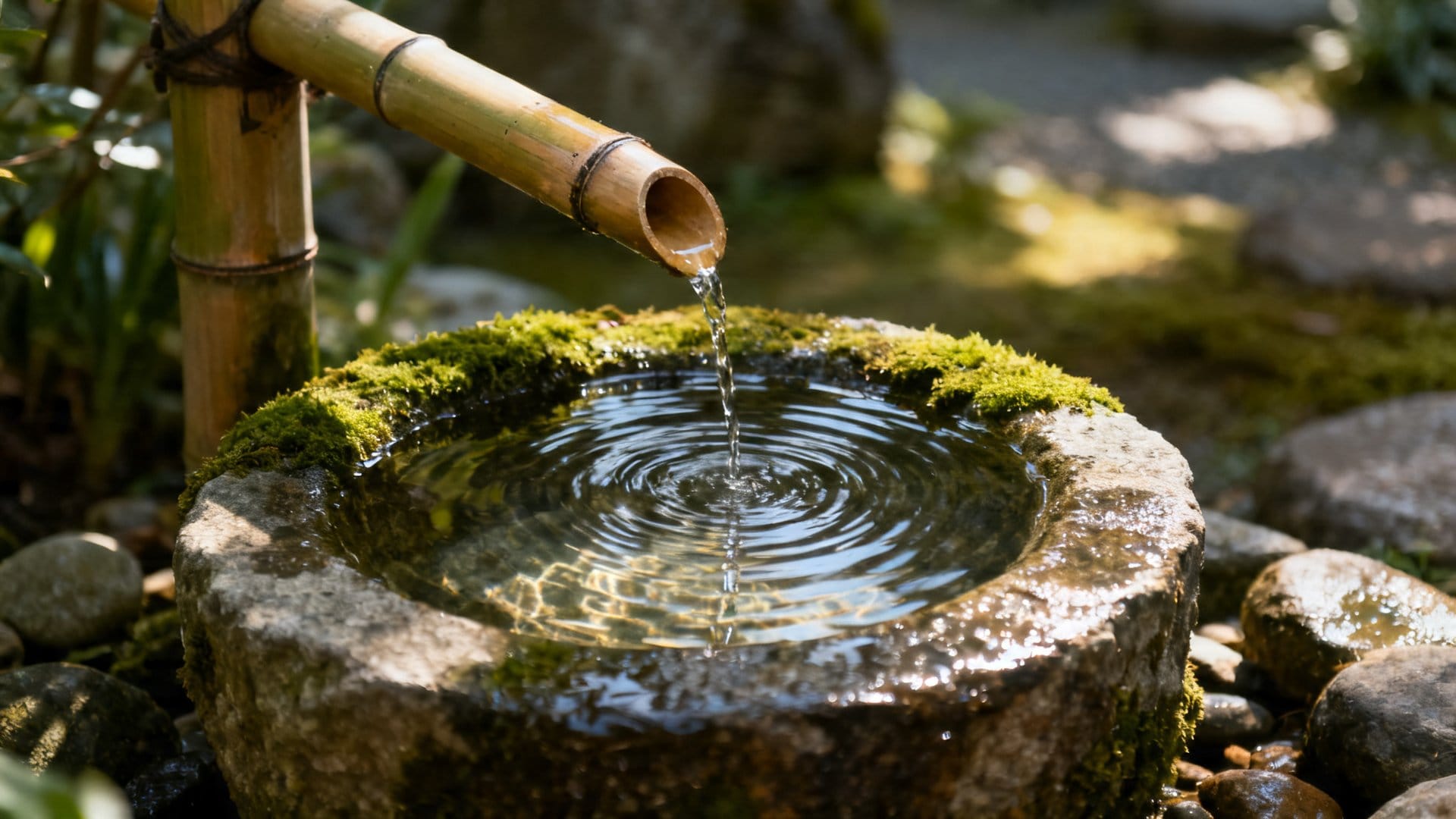
Water is a central element in Japanese garden design, but it’s used with restraint. The goal isn’t a dramatic waterfall or a loud fountain. It’s the gentle sound of water moving slowly, almost like a whisper in the background of your afternoon. A small bamboo water spout trickling into a stone basin, called a tsukubai, is one of the most iconic and achievable water features you can add. The same calming logic shows up in zen-inspired soaking tub designs, where the water is meant to soothe rather than impress.
These basin-and-spout combinations are compact enough for even a modest patio or garden corner. The sound they produce is soft and rhythmic, which research on sound environments consistently links to reduced stress. Beyond the tsukubai, a small recirculating pond edged with smooth stones and planted with a single water iris or lotus adds depth and movement without crowding the space. This works especially well in a shaded corner where the water can reflect soft, dappled light through tree branches overhead.
Pro tip: If you’re working with a very small space, a shallow ceramic bowl filled with water, a few floating river stones, and one small aquatic plant captures the spirit of a water feature beautifully, with no plumbing required.
A self-contained bamboo fountain is the most beginner-friendly way to add real flowing water. These recirculate the same water on a small pump, so you don’t need a pond or any in-ground plumbing, just a nearby outlet and a few minutes of setup.
Which Plants Bring Stillness and Structure to a Japanese Garden?
Japanese garden plants are chosen for structure and texture rather than abundance or bold color. A few carefully selected species, repeated consistently throughout the space, create a cohesive, restful atmosphere.
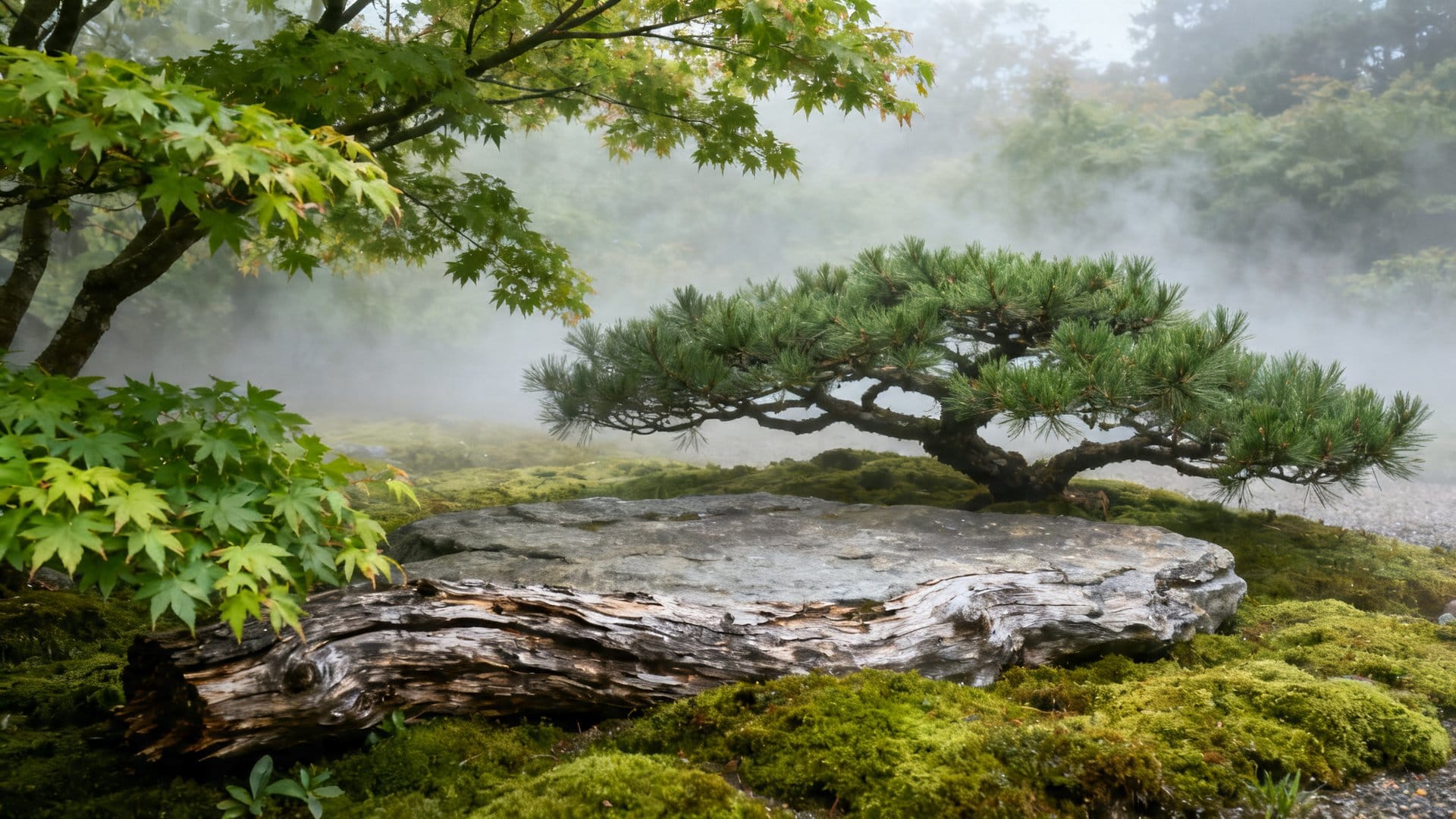
Plant choices in Japanese garden decor follow the same minimalist philosophy as everything else, with fewer species, chosen with care and pruned with intention. The goal is structure and texture over abundance and color. A few key plants carry the entire aesthetic, and a similar less-is-more mindset works wonders in a smaller home garden too.
Materials That Work
- Japanese maple: Its layered branching structure and delicate leaves create year-round visual interest, especially in fall when the foliage turns deep crimson or orange
- Moss: Grows naturally in shaded, moist spots and adds a soft, ancient-looking texture to stones, pathways, and ground covers, with no mowing ever
- Bamboo: Planted in a contained raised bed or large pot to control spreading, it creates a living privacy screen with a gentle rustling sound in the breeze
- Black pine or cloud-pruned shrubs: Shaped through careful pruning over time, these create sculptural focal points that look like living art
- Mondo grass: A low, grass-like ground cover that edges pathways cleanly without the maintenance demands of traditional lawn grass
The key is repetition over variety. Choose two or three of these plants and use them consistently throughout the space rather than introducing a dozen different species that compete for attention.
&# 10024; You might also love:24 Japandi Living Room Decor Ideas for Calm, Modern Style→
How Do You Choose Lanterns, Bridges, and Ornaments Thoughtfully?
Choose one or two ornamental pieces with intention rather than collecting many. A single stone lantern or a small wooden bridge placed deliberately will always look more considered than a scattered mix of accents.
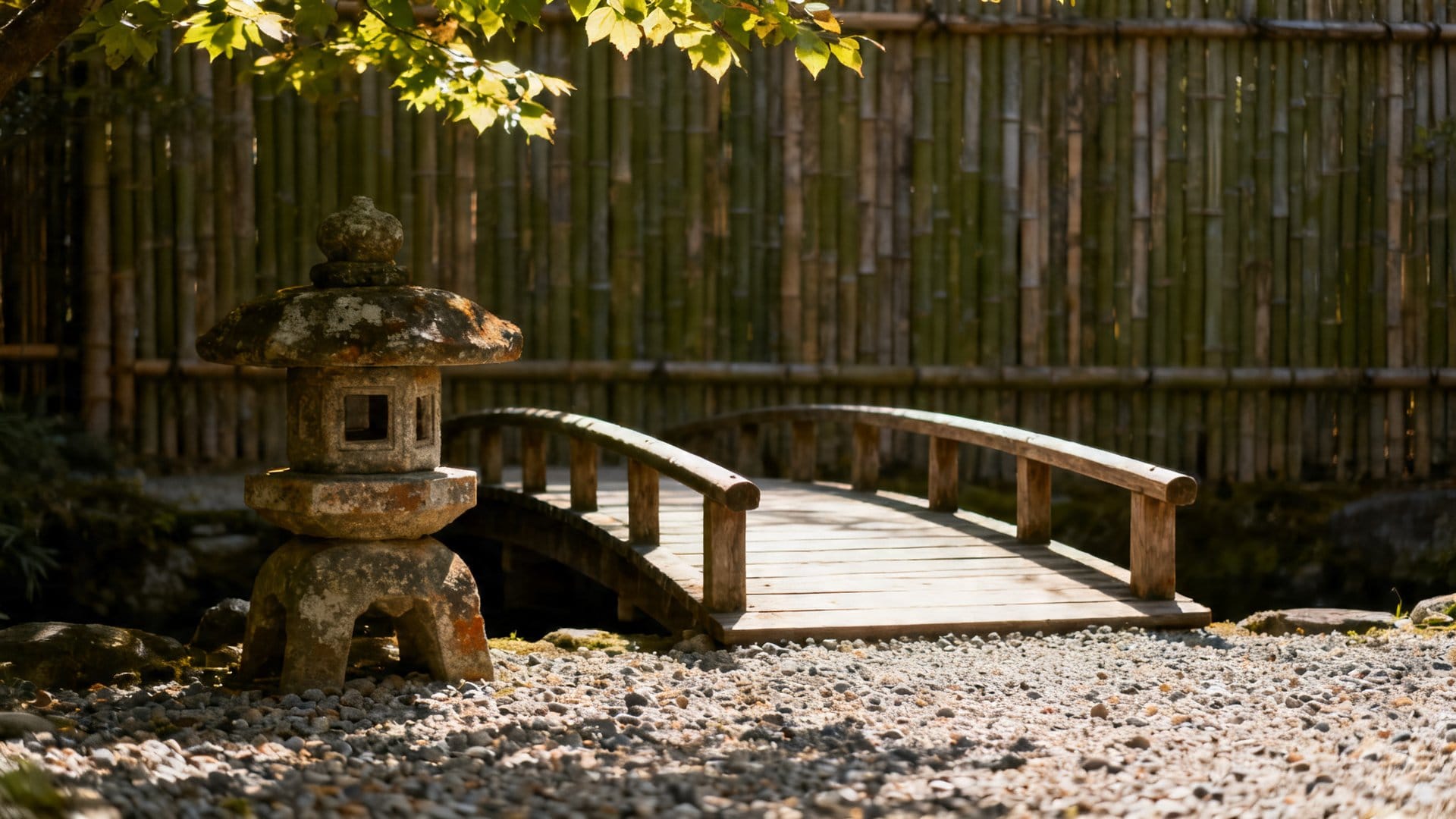
Japanese garden decor includes a handful of iconic ornamental elements, such as stone lanterns, wooden bridges, bamboo fences, and occasionally a small pagoda-style accent. These pieces anchor the space visually and add cultural depth, but they’re easy to overdo. One or two carefully chosen ornaments will always look more intentional than a collection of mismatched pieces scattered around. The same restraint applies to timeless vintage garden decor in any backyard style.
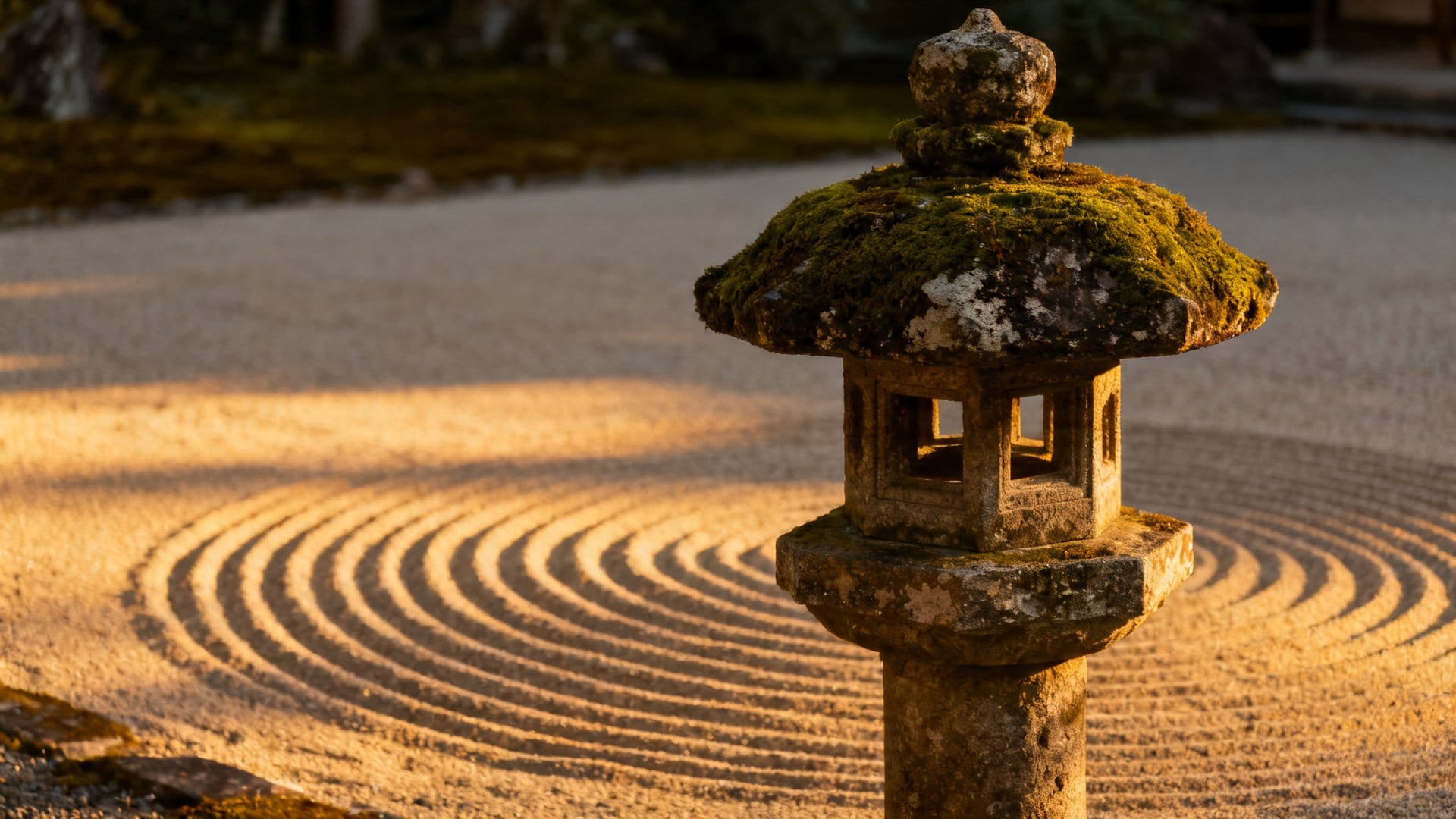
A stone lantern, or toro, is probably the single most recognizable Japanese garden element. Traditionally placed near water or along a pathway, it serves as both a functional light source and a sculptural focal point. Look for ones carved from natural granite or cast in a stone-like material that weathers gracefully over time. A small arched wooden bridge in natural cedar or dark-stained wood, even if it spans nothing more than a dry gravel stream, creates a sense of journey and transition within the garden. A friend of mine placed one over a shallow gravel bed in her backyard, and it completely changed how the whole space felt. Suddenly there was a reason to walk slowly and look around.
Pro tip: Place your stone lantern slightly off-center in relation to the nearest water feature or stone grouping. That small asymmetry is what keeps the arrangement feeling natural rather than staged.
If you’d like a true focal point, a weathered granite-look lantern reads as the most authentic. Choose a size that suits your space, since a tall lantern can overwhelm a tiny patio, while a low, squat one feels grounded in a gravel bed.
For a small bridge, a low arched cedar or dark-stained design works even over a dry gravel stream. Keep the span modest so it reads as a quiet transition rather than a centerpiece.
With your key structural elements in place, the next layer to consider is how color and texture tie the whole composition together.
How Do Color and Texture Work Within a Quiet Japanese Garden Palette?
Japanese garden design achieves richness through texture rather than color variety. Working within a restrained palette of greens, grays, and browns forces the eye to find beauty in the contrast between rough stone, smooth pebbles, and delicate foliage.
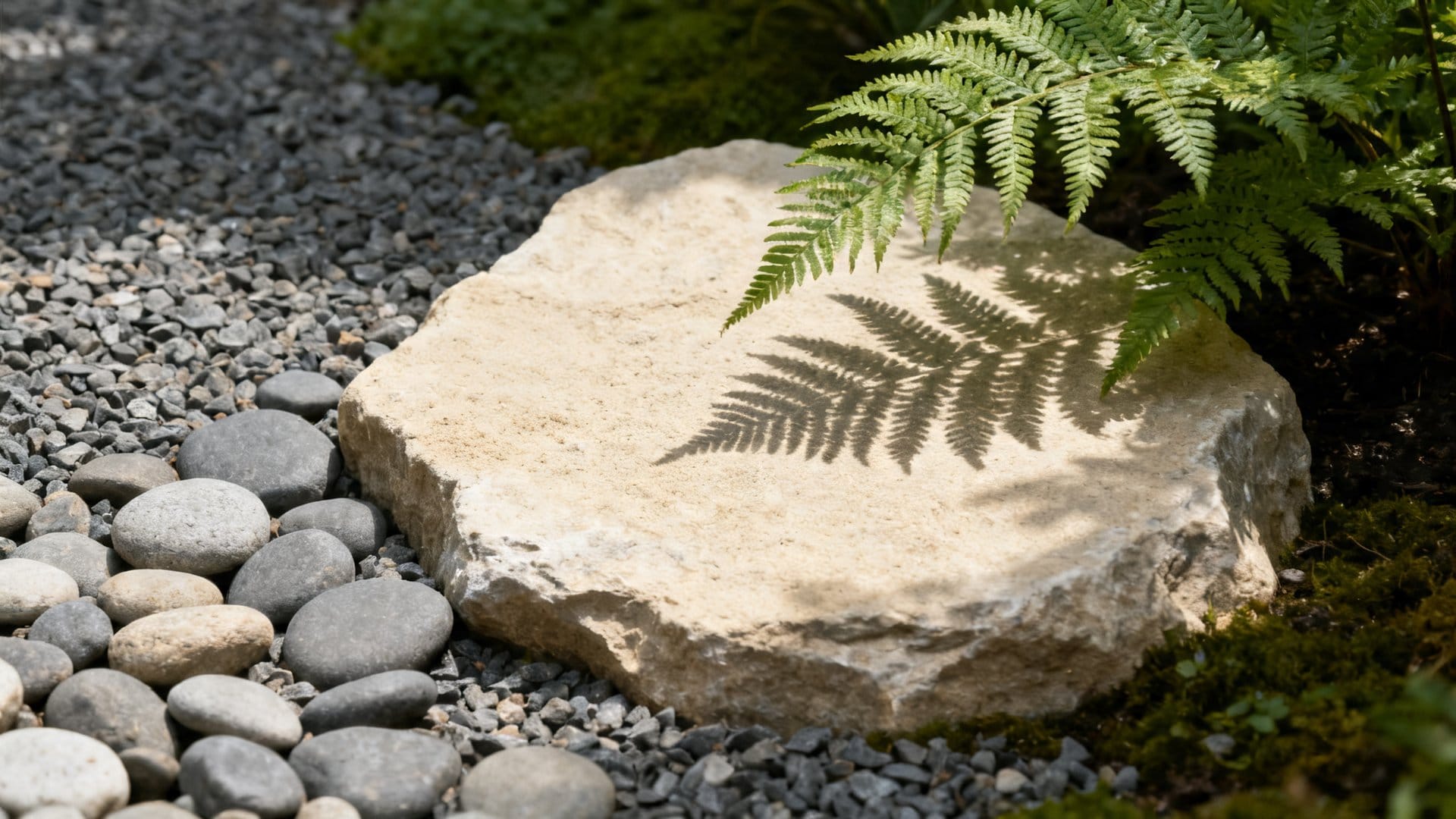
One of the most striking things about Japanese garden design is how much it achieves with a restrained color palette. You’re largely working with greens, grays, browns, and the occasional burst of color from a single flowering tree or seasonal bloom. That limitation is actually a creative gift, because it forces you to find richness in texture rather than color variety.
Think about the contrast between rough-hewn granite and smooth river pebbles, or between the feathery softness of Japanese maple leaves and the rigid geometry of a bamboo fence. The interplay of light and shadow across these textures shifts throughout the day, so the garden never looks quite the same twice. I keep coming back to this approach because it rewards slow looking. The more time you spend in a well-designed Japanese garden space, the more you notice, and it pairs naturally with a calm, minimalist styling philosophy indoors as well.
For any accent colors, keep them muted and natural. A single red-leafed Japanese maple against a backdrop of dark green moss and gray stone is all the color drama the space needs. If you add a ceramic pot or bowl, choose one in a matte, earthy glaze. Deep charcoal, warm terracotta, or aged celadon green all work beautifully within this palette.
&# 128064; More outdoor calm:19 Small Backyard Oasis Ideas That Feel Luxurious→
What Are the Best Small Space Solutions for Japanese Garden Decor?
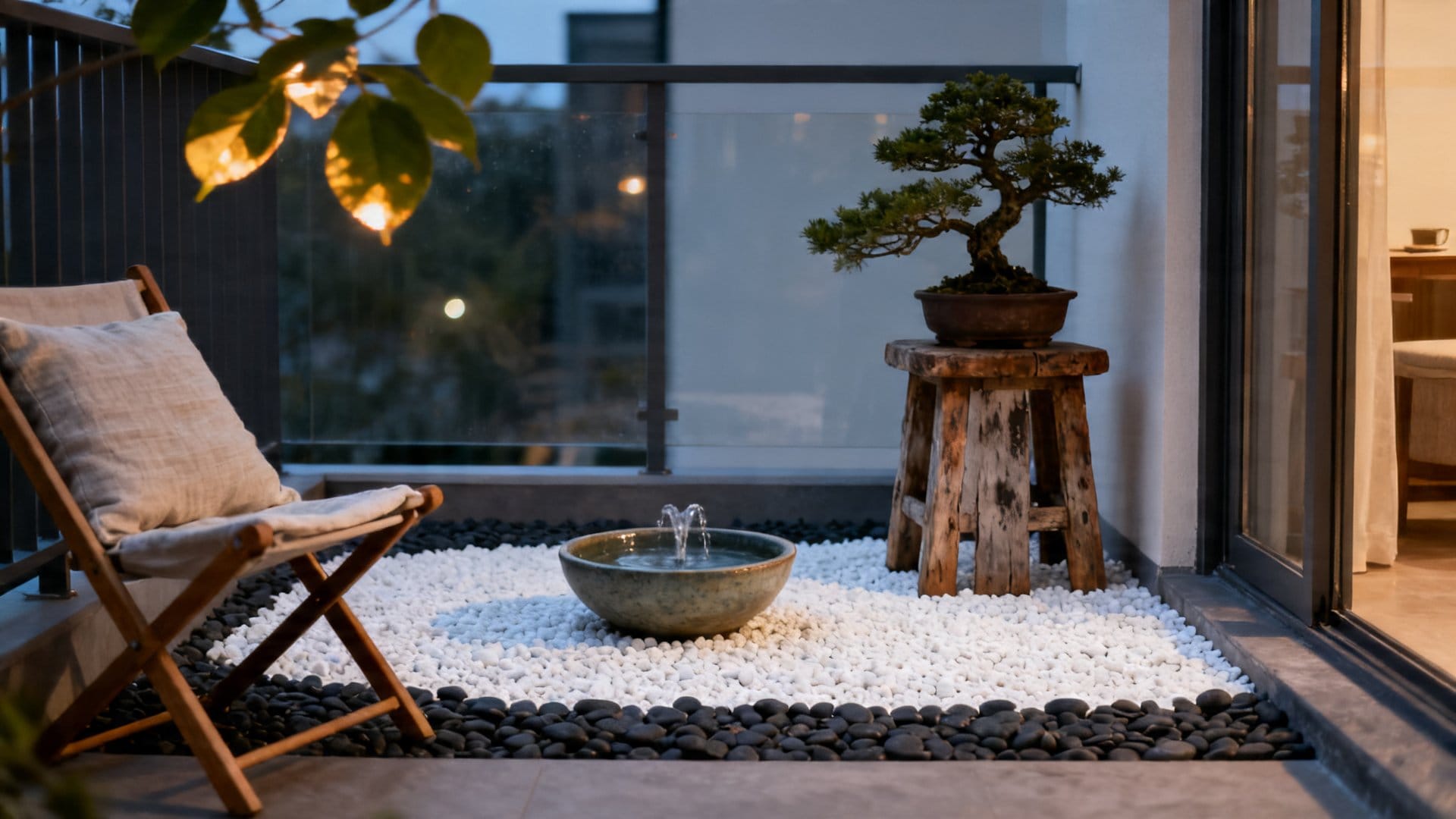
Japanese garden decor is one of the most small-space-friendly design styles available. Its minimalist principles mean you never try to fill more space than you have, so even a balcony or narrow side yard can become a peaceful retreat.
Small Space Tricks
- Use a large, shallow ceramic tray filled with fine gravel and three or four smooth stones as a tabletop zen garden on a balcony, deeply calming and completely portable
- A single potted Japanese maple in a matte stone-colored container becomes a complete focal point on a small patio without needing any surrounding garden bed
- Bamboo screening panels create an instant sense of enclosure and privacy on a balcony or fence line, reshaping even a utilitarian outdoor space
- A small recirculating tabletop water fountain with a bamboo spout brings the sound element of a full water feature into even the tightest outdoor corner
From what I’ve gathered, the easiest way to start with a small-space Japanese garden is to pick just one element, whether a stone lantern, a gravel tray, or a single specimen plant, and build from there. Restraint is the whole point, after all. If your outdoor area is a balcony or tiny deck, you’ll find plenty of crossover ideas in our balcony outdoor decor guide.
Final Thoughts
Japanese garden decor, with its peaceful minimalist design ideas, is less about following a strict set of rules and more about embracing a slower, more intentional way of seeing your outdoor space. Whether you have a sprawling backyard or a modest balcony, the principles of simplicity, natural materials, and quiet beauty translate well at any scale. Your version of a Japanese-inspired garden doesn’t need to be perfect. In fact, a little moss growing where you didn’t plan it, or a stone that tilts slightly with the seasons, only makes it more authentic. Trust your instincts, start small, and let the space evolve gently over time. Happy decorating!
Frequently Asked Questions
Not at all. Japanese garden design actually thrives in small, contained spaces because minimalism is at its core. Even a compact patio, balcony, or side yard can be turned into a peaceful retreat using a few well-chosen elements like a small stone arrangement, a potted bamboo plant, and a simple water feature. The key is intentional placement rather than filling every inch of space.
The foundational elements of Japanese garden decor include natural stone arrangements, water features like a small fountain or tsukubai (stone basin), lanterns, carefully chosen plants such as moss, bamboo, or Japanese maple, and gravel or sand that can be raked into patterns. You don’t need all of these at once. Even two or three elements placed thoughtfully can capture the peaceful, minimalist aesthetic that defines this garden style.
Wabi-sabi is a Japanese philosophy that finds beauty in imperfection, impermanence, and simplicity. It’s the reason a moss-covered stone or a weathered lantern feels more at home in a Japanese garden than something brand new and polished. In practical terms, this means you don’t need to seek out perfect, pristine materials; aged, asymmetrical, or naturally worn pieces often create a more authentic and calming atmosphere. Embracing this mindset also takes the pressure off achieving a flawless design and encourages a more organic, evolving garden space.
Plants commonly used in Japanese garden design include Japanese maple, bamboo, moss, pine, ornamental grasses, and flowering plants like azaleas or cherry trees if space allows. The emphasis is on plants that offer texture, seasonal change, and a sense of natural restraint rather than bold, showy blooms. For smaller spaces, potted bamboo, creeping moss between stepping stones, or a single dwarf Japanese maple can deliver a strong visual impact without crowding the area.
The balance between minimalism and emptiness comes down to intentionality. Every element you include should feel purposeful, and negative space (areas left deliberately open) is actually a design feature, not a gap to fill. Using varying textures, such as smooth river stones alongside rough gravel and soft moss, creates visual interest without adding clutter. Grouping elements in odd numbers, a traditional Japanese design principle, also helps arrangements feel naturally complete rather than sparse.