There is something about the idea of saying your vows surrounded by climbing roses, soft afternoon light, and the gentle hum of a summer garden that feels almost too beautiful to be real. And yet, with the right planning, it absolutely can be. This summer garden wedding planning guide is here to walk you through everything, from choosing the perfect outdoor venue to managing the unpredictable things that only nature can throw at you. If you are still gathering inspiration, our dreamy summer garden wedding ideas are a lovely place to start dreaming. Whether you are just starting to dream or already deep in the details, you will find practical, grounding advice that makes the whole process feel less overwhelming and a whole lot more joyful.
How Do You Choose the Right Garden Venue for a Summer Wedding?
The right garden venue for a summer wedding combines natural beauty with practical features like shade, power access, and a strong focal point for your ceremony. Look for spaces with mature plantings, layered landscaping, and infrastructure that supports your guest count comfortably.
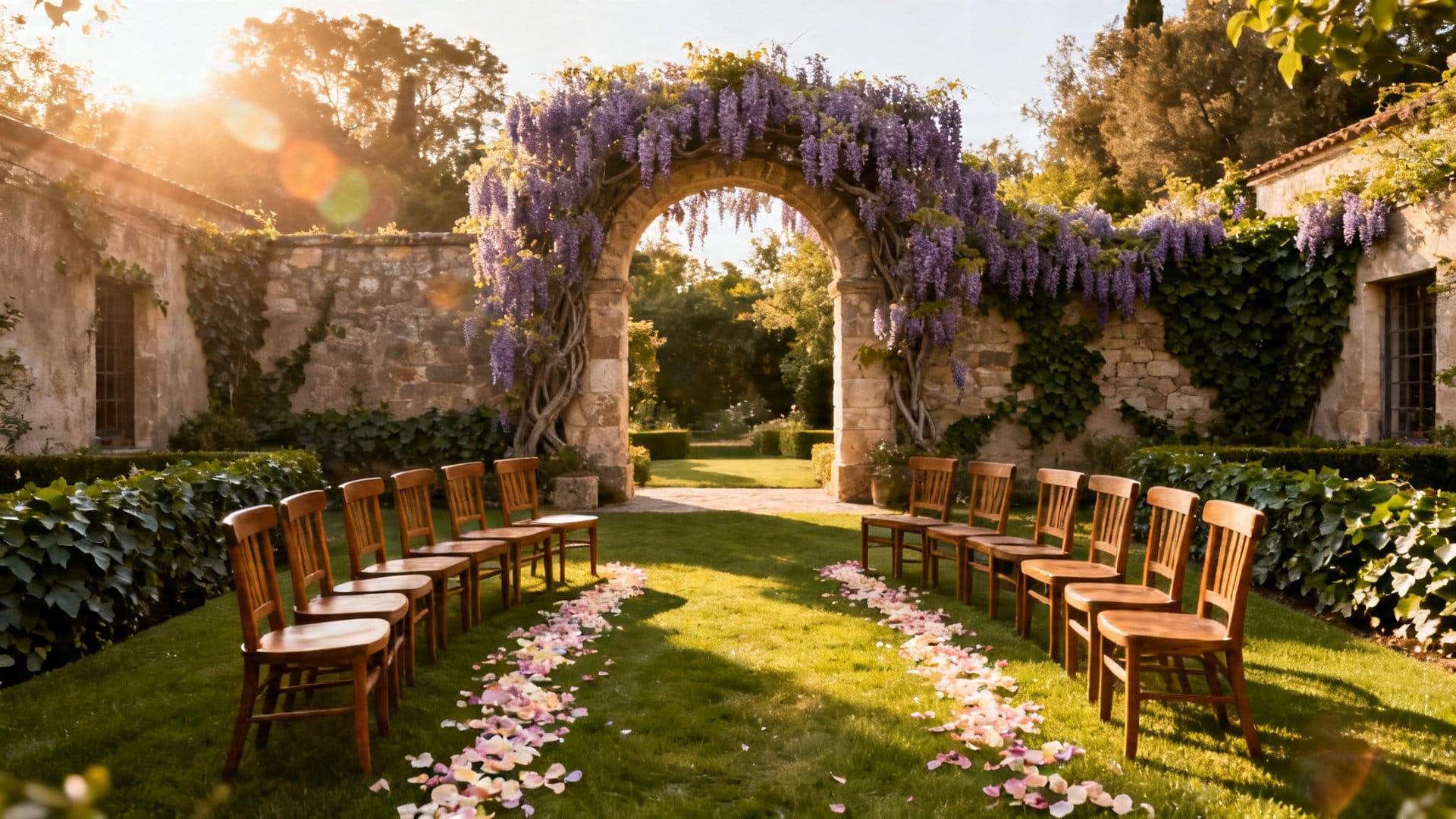 Shop this look: a garden wedding arch on Amazon
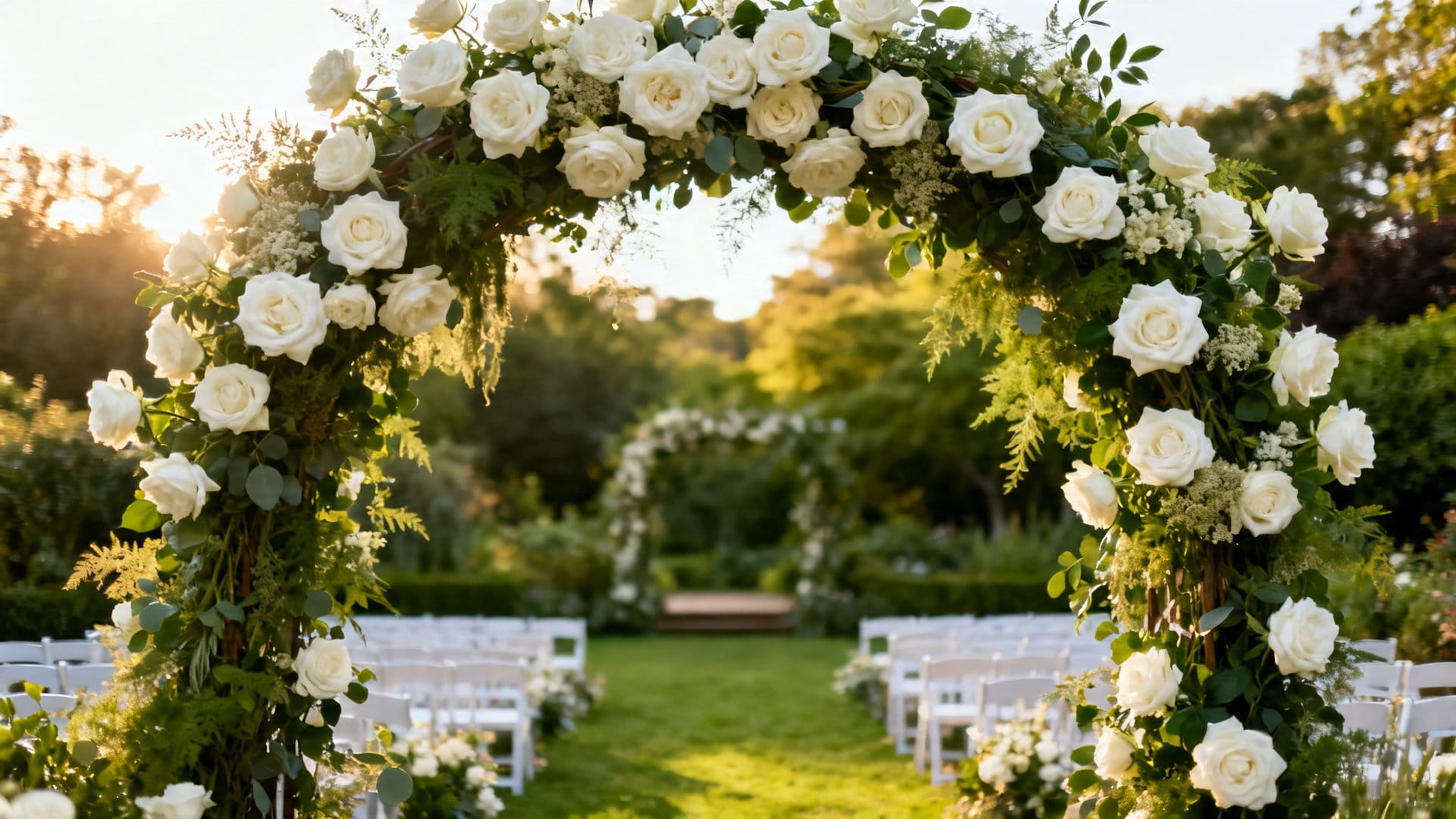
The venue sets the entire tone of your day, and for a garden wedding, the details really do matter beyond just “it looks pretty.” You want to think about natural shade, the direction of afternoon light, and whether the space has a natural focal point, such as a pergola draped in wisteria, a stone archway, or even a grand old oak tree that frames your ceremony perfectly. If you are weighing different outdoor settings, our ultimate summer garden party hosting guide walks through how the right space shapes everything that follows.
One thing I have noticed when visiting garden venues is that the most magical ones often have layers: a path that leads somewhere, a change in elevation, hedgerows that create intimacy. A flat, open lawn can feel exposed and windswept, while a tiered garden with mature plantings feels like a living, breathing backdrop. For more on building that lush, layered feel, the complete guide to beautiful outdoor styling is full of grounding ideas.
What to Consider Before You Book
Ask the venue about their peak bloom season and whether it aligns with your wedding date, because a rose garden in mid-July looks nothing like the same space in late August. Also confirm access to power for catering and lighting, restroom facilities for guests, and whether they allow outside vendors. These practical details can make or break your experience on the day.
Once you have found a venue that feels right, the next decision that shapes your entire day is when, exactly, to hold it.
When Is the Best Time to Schedule Your Summer Wedding Date?
Mid-July is often the sweet spot for a summer wedding, offering reliable warmth, long evenings, and flowers at their lush peak. A late afternoon ceremony start, around 4:30 to 5:00 p.m., gives you flattering light and cooler temperatures for guests.
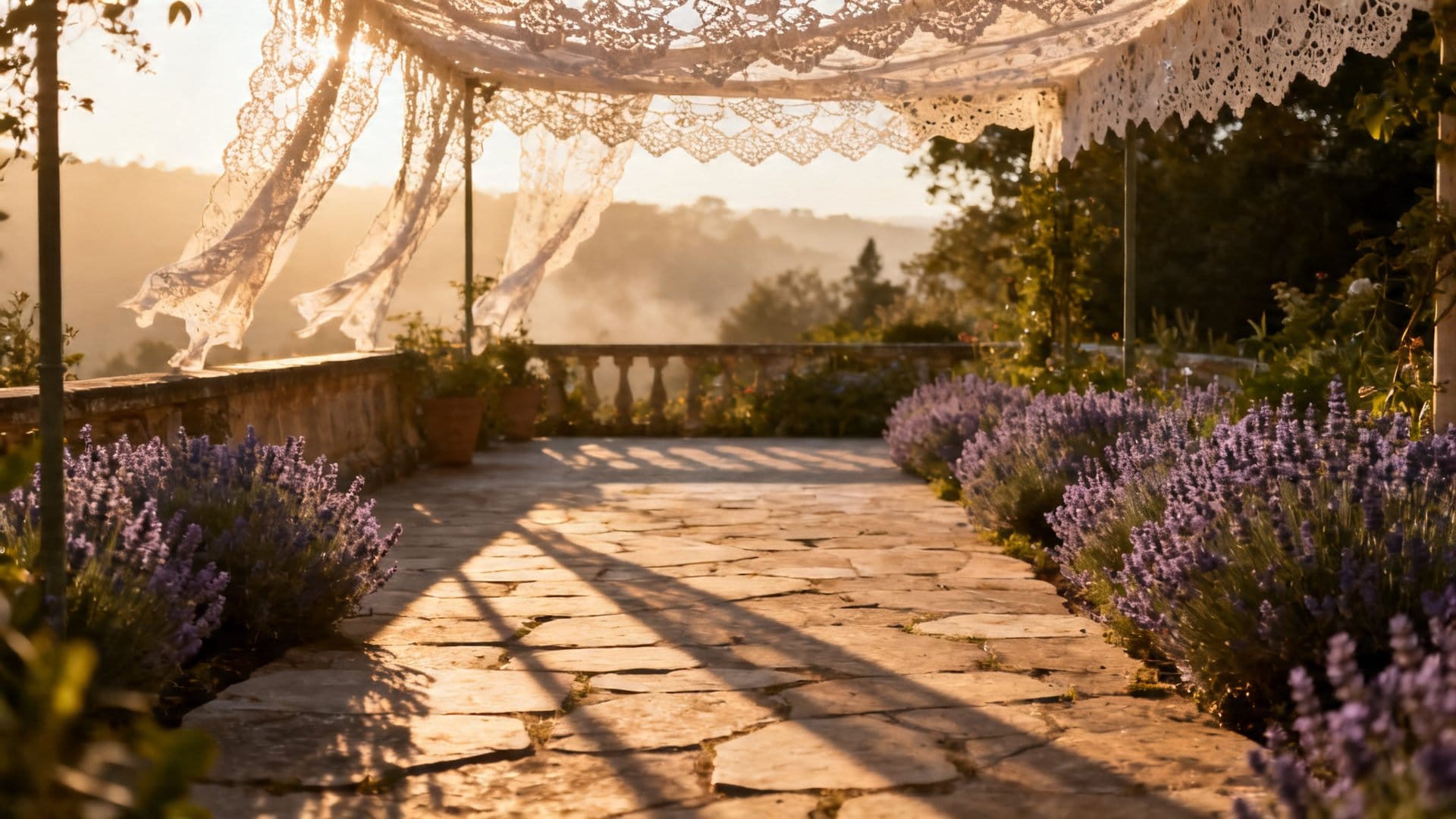 Shop this look: a shade umbrella on Amazon
Summer spans a wide range of conditions, and not all summer dates are created equal for an outdoor celebration. Early June can still bring surprise rain and cool evenings, while late August often delivers the dry, golden warmth that photographs like a dream. I keep coming back to the idea that mid-July tends to be the sweet spot in many regions, with long evenings, reliable warmth, and flowers still at their lush peak. Our summer garden guide breaks down how each stretch of the season behaves if you want help narrowing your date.
Think carefully about your ceremony start time as well. A noon ceremony in direct summer sun can be genuinely uncomfortable for guests in formal attire. A 4:30 or 5 p.m. start gives you that gorgeous slanted afternoon light, cooler temperatures, and a natural flow into an evening reception as the sun sets behind the treeline.
&# 10024; Plan the palette:See our summer garden party color palettes→Pro tip: Check the historical weather data for your specific region during your chosen weekend, not just average temperatures, but rainfall frequency. Two or three years of data can tell you a lot about what to realistically expect and help you decide whether a tent is a smart investment rather than an afterthought.
What Should You Know About Garden Wedding Florals?
Garden wedding florals shine when they prioritize texture and seasonal variety alongside color. A mix of cultivated blooms and wild-looking fillers creates a romantic, natural aesthetic that feels effortless and photographs beautifully.
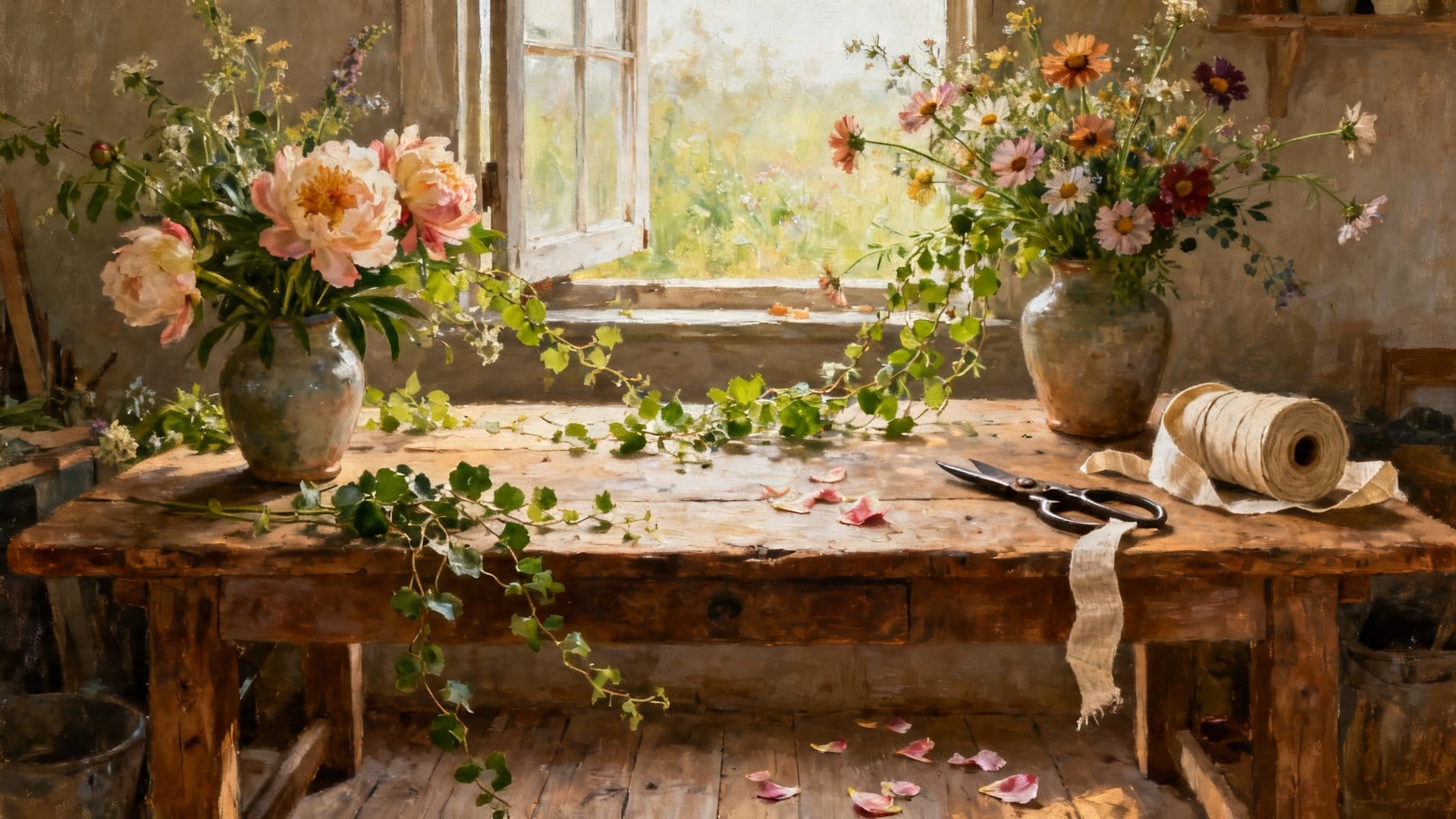 Shop this look: flower vases on Amazon · 2 Pack Boho Artificial Flowers Plants Bouquet…
Flowers are the heart of any summer garden wedding, but the most memorable floral designs go beyond the expected bouquet of white roses. Think about texture as much as color: feathery astilbe next to the waxy smoothness of ranunculus, the wild looseness of sweet peas spilling over a ceremony arch, or clusters of lavender tucked between peonies for a scent that guests will remember long after the day is over. If you are choosing blooms for the season, our guide to summer flowers covers what thrives in warm weather.
I love how a “garden-gathered” aesthetic feels, as though someone simply walked through the grounds and collected armfuls of whatever was blooming. This style actually works beautifully with a mix of cultivated blooms and softer, more wild-looking fillers like Queen Anne’s lace, chamomile, and trailing greenery. It feels romantic without being fussy, and it photographs with a natural softness that more structured arrangements sometimes lack. For a romantic, layered look, a summer rose garden offers endless inspiration.
Color Combinations Worth Considering
Rather than defaulting to all-white or blush-and-white palettes, consider the warmth of apricot and dusty mauve together, or the unexpected elegance of deep plum paired with soft sage and cream. These combinations feel fresh against a green garden backdrop and create visual depth in your photos that monochromatic schemes sometimes miss.
&# 128247; You might also love:23 garden party decoration ideas for a celebration→
How Should You Dress for a Garden Wedding?
Dressing for a garden wedding means choosing lightweight, breathable fabrics and practical footwear suited to outdoor terrain. Comfort and style work best together when you plan for warm temperatures, soft ground, and the freedom to move throughout the day.
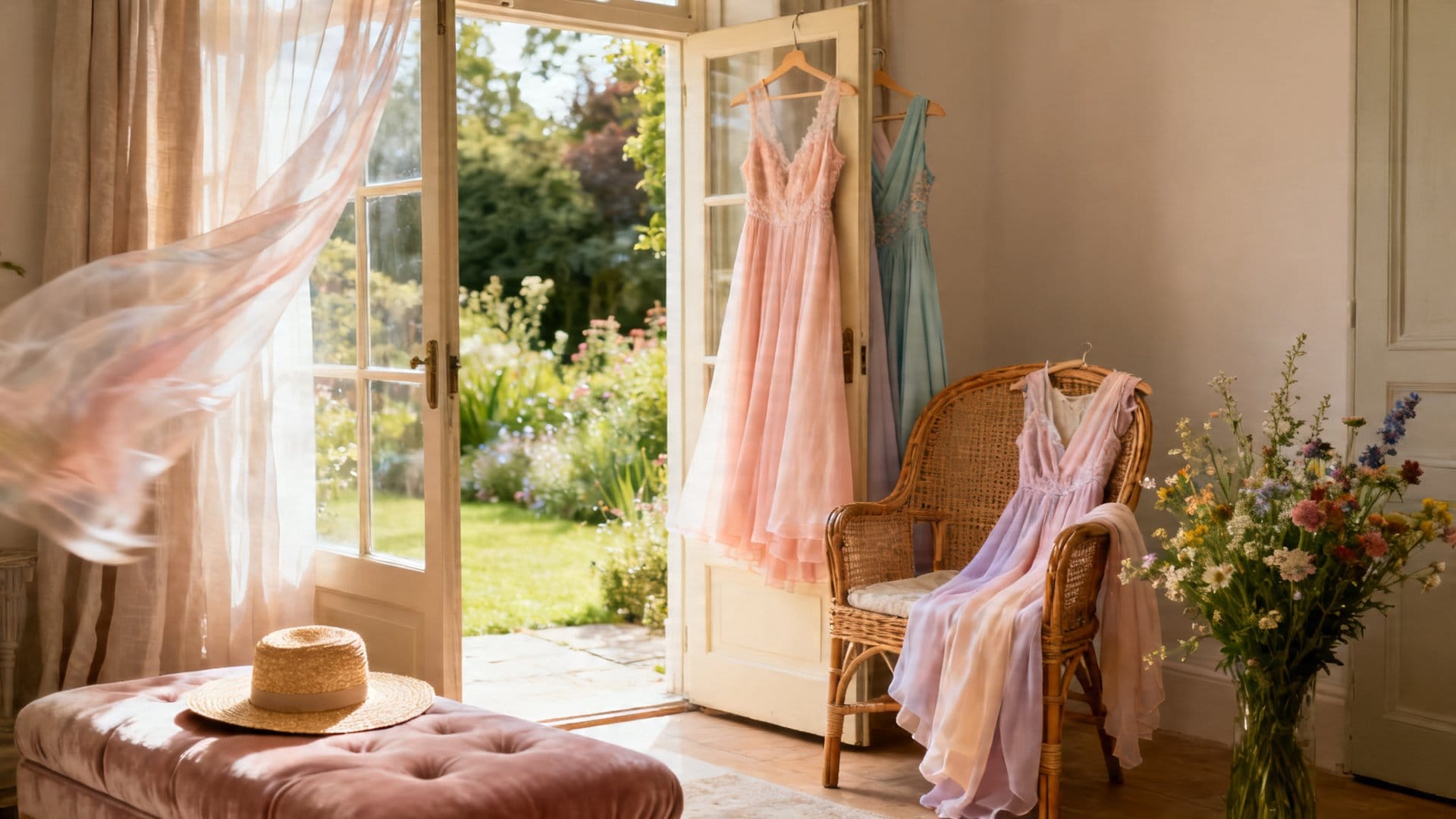 Shop this look: block-heel wedges on Amazon
Choosing what to wear for a summer garden wedding, whether you are the bride, a bridesmaid, or a guest, requires balancing style with genuine practicality. Lightweight fabrics like chiffon, silk charmeuse, and cotton eyelet breathe beautifully in warm weather and move gracefully in an outdoor breeze. Heavy satin or thick lace can feel suffocating by the second hour of a warm afternoon reception.
For brides especially, consider the ground you will be walking on. A long train that photographs beautifully on a ballroom floor can become a grass-stained, mud-catching challenge in a garden setting. A detachable train gives you the drama for the ceremony and the freedom to dance barefoot on the lawn later, which, honestly, is one of the most magical moments a summer garden wedding can offer.
Pro tip: Ask your bridesmaids to wear block-heel or wedge shoes rather than stilettos, since thin heels sink into soft ground and become a genuine hazard on lawn surfaces. A low block heel looks polished and keeps everyone comfortable throughout the day.
With your florals and attire sorted, it is time to turn your attention to the one element no amount of planning can fully control: the weather.
How Do You Plan for Weather at a Garden Wedding?
The best approach is to build a weather contingency plan into your original budget and design, not as an afterthought, but as a genuine part of your event. A well-chosen tent, clear vendor communication, and a designated weather watcher can keep your day relaxed no matter what the sky does.
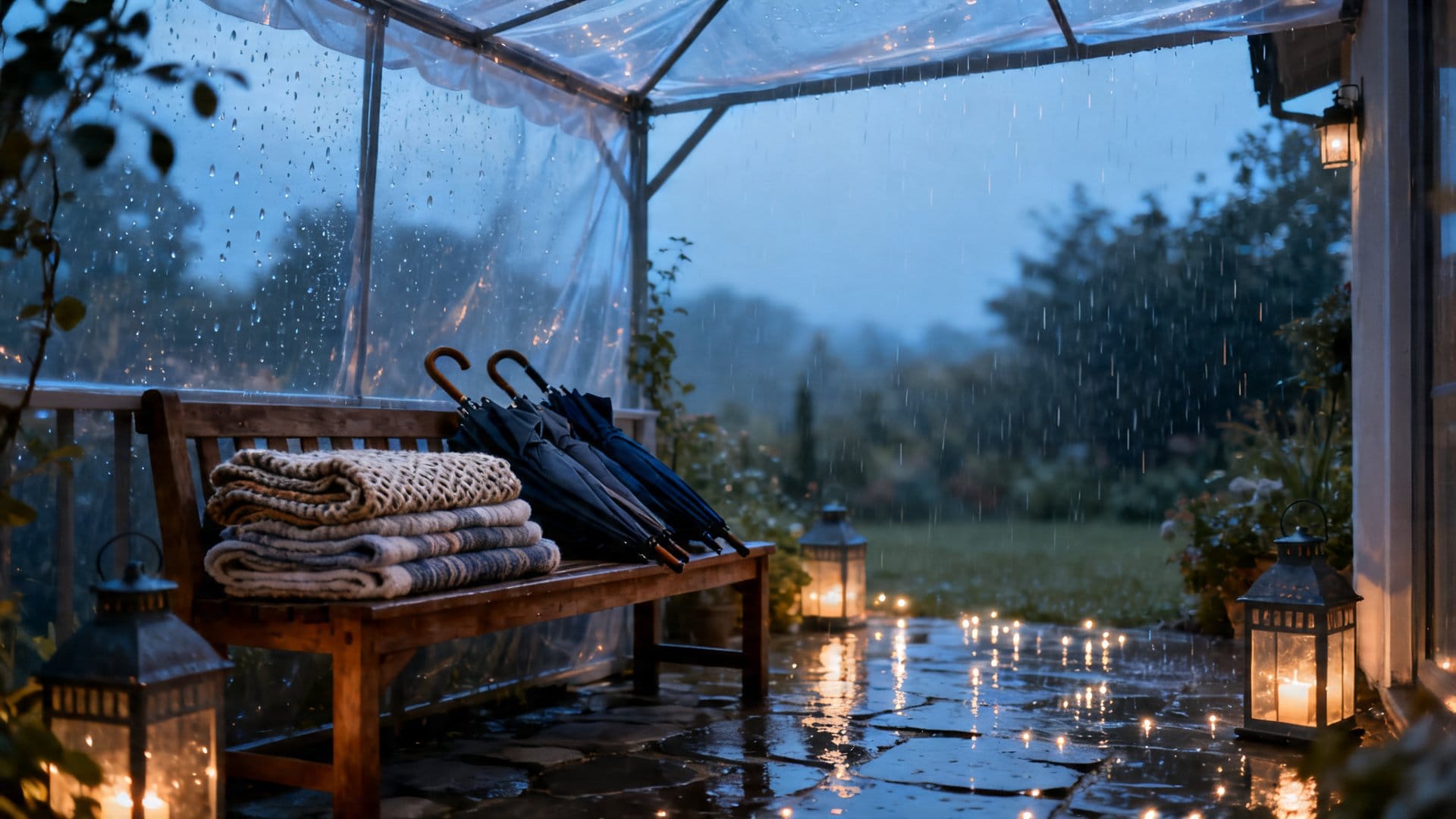 Shop this look: outdoor string lights on Amazon
Every outdoor wedding carries some weather uncertainty, and a summer garden wedding is no exception. Rather than hoping for the best and leaving it at that, build a weather contingency plan into your original budget and timeline, not as a backup, but as a genuine part of your design.
A well-chosen tent does not have to feel like a compromise. Sailcloth tents with their warm, creamy fabric and wooden poles feel romantic and intentional rather than corporate. String lights hung inside a tent canopy on a warm summer evening create an atmosphere that rivals any ballroom, and our summer garden party lighting ideas for outdoor weddings are full of ways to get that glow right. A friend of mine had her entire reception under a sailcloth tent after an unexpected afternoon shower, and every single guest said it felt more magical than if the sky had been clear.
Quick Fixes for Common Summer Challenges
- Place small baskets of personal fans at ceremony seats, choosing ones in your wedding colors or tied with ribbon for a thoughtful, cohesive touch
- Set up misting stations or a shaded cocktail hour lounge with cold towels and chilled beverages to keep guests refreshed between ceremony and reception
- Use hurricane glass lanterns over candles rather than open flames, since summer breezes are beautiful until they blow out every centerpiece at once
- Stake all floral arrangements and signage securely, because even a gentle consistent wind can topple a tall centerpiece or send an escort card display into chaos
- Have a designated “weather watcher” among your vendors who monitors the forecast and communicates updates to your coordinator in the final 48 hours
A little preparation in this area goes a long way toward keeping your day relaxed and joyful, no matter what the sky decides to do.
How Do You Style Your Reception to Honor the Garden Setting?
The most beautiful garden receptions feel like a natural extension of the outdoor space rather than a separate event dropped into it. Long harvest tables, natural linens, low floral centerpieces, and organic textures all help the reception feel rooted in its surroundings.
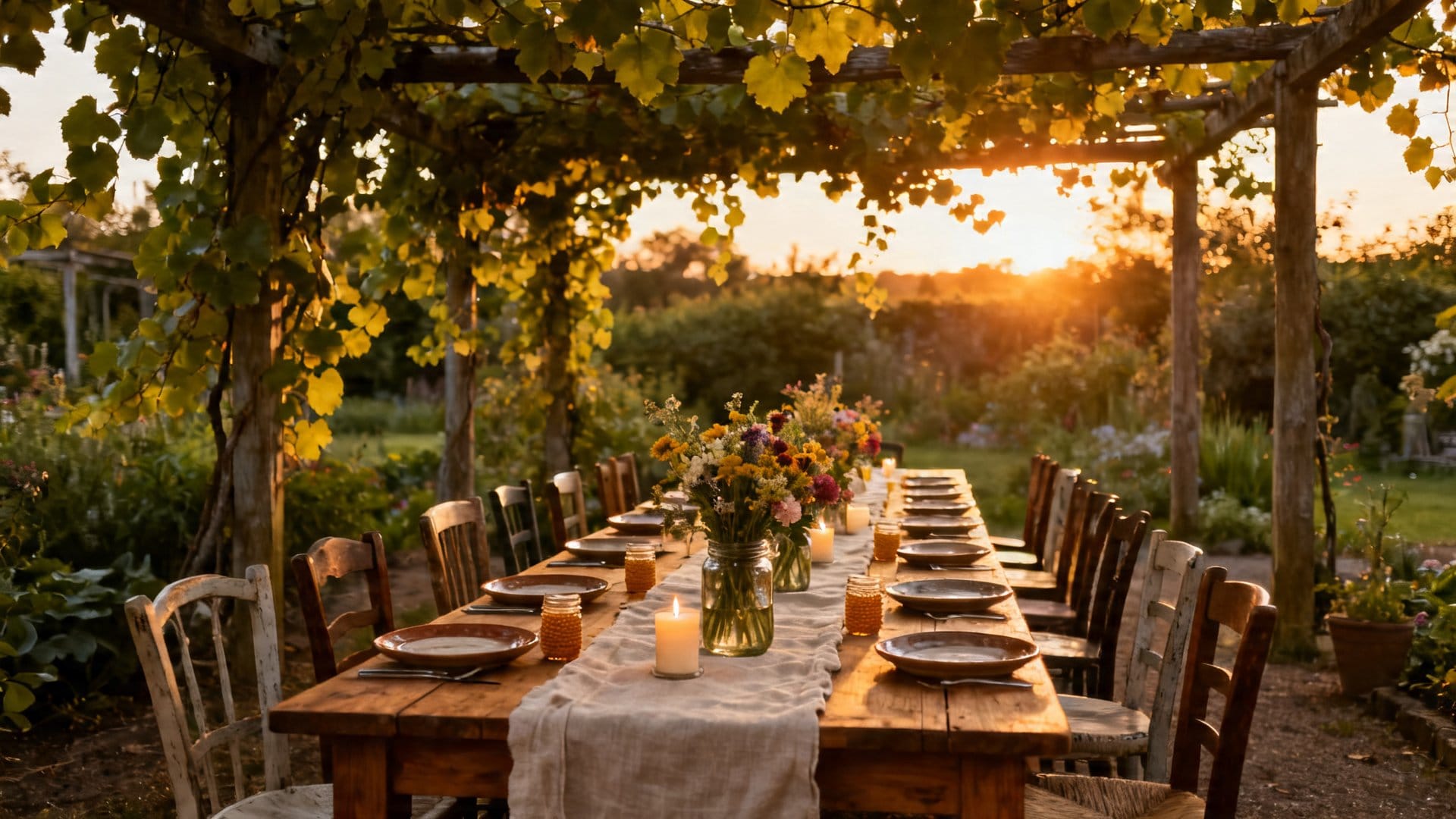 Shop this look: a faux linen table runner on Amazon
The most beautiful garden wedding receptions feel like an extension of the space rather than a separate event dropped into it. Long harvest-style tables with linen runners in soft sage or warm ivory feel more natural in a garden setting than round tables with stiff tablecloths. For more table inspiration, our wedding table decor ideas translate beautifully to summer too. Mix in wooden chargers, terracotta candle holders, and low, lush floral centerpieces that guests can see over, because intimacy matters at a dinner table.
From what I have gathered, the easiest way to bring the garden inside your reception space is through height variation in your tablescapes. Pair low, sprawling floral arrangements with tall, slender taper candles in mismatched candlesticks for a collected-over-time feel. Add small potted herbs like rosemary or thyme as place card holders, since they double as a fragrant sensory detail and a gift guests can take home at the end of the night.
Pro tip: Use natural linen napkins rather than polyester alternatives, because they drape more softly, photograph with a beautiful texture, and feel luxurious against the skin in a way that synthetic fabrics simply do not.
Final Thoughts
Planning a summer garden wedding is one of the most rewarding creative projects you will ever take on, and the beauty of it is that nature does so much of the heavy lifting for you. This summer garden wedding planning guide has walked you through the key elements (venue, timing, florals, fashion, weather, and styling) because each piece connects to create the whole picture. Trust your instincts, lean into the natural setting, and remember that the moments guests remember most are rarely the perfectly executed details. They are the warm evening air, the scent of flowers, and the feeling of being somewhere genuinely beautiful. Happy planning, and here’s to your most magical summer day yet!
Frequently Asked Questions
Late afternoon, typically between 4:00 and 6:00 PM, is generally considered the ideal time for a summer garden wedding ceremony. The light is softer and more flattering for photography, the heat of the day has begun to ease, and the garden setting tends to look its most magical in that warm, golden hour glow. Avoiding midday ceremonies also helps keep guests comfortable and reduces the risk of heat-related issues.
The most important step is securing a contingency option before you finalize your venue, whether that means a tent rental agreement, a nearby indoor space, or a venue that already has a covered structure on the property. You should also communicate your backup plan clearly to vendors and guests in advance so everyone knows exactly what to expect if the weather turns. Having a designated point person, such as your wedding coordinator, to make the final weather call on the day itself can also take a huge amount of stress off your plate.
Summer is one of the most abundant seasons for blooms, giving you a wide range of options including garden roses, peonies, dahlias, lavender, sweet peas, and hydrangeas, all of which thrive in warm weather and complement an outdoor setting beautifully. Working with a florist who specializes in seasonal and locally grown flowers can help you get the freshest arrangements while also managing costs. It is also worth considering the heat tolerance of your chosen flowers, as some blooms wilt quickly in direct sun and may need extra care or strategic placement throughout the day.
Ideally, you should begin planning at least 12 to 18 months ahead of your desired summer date, especially since popular outdoor venues and in-demand vendors tend to book up quickly for the peak wedding season. Starting early gives you the time to compare venues properly, lock in your preferred vendors, and handle logistical details like permits, rentals, and guest accommodations without feeling rushed. If you are working with a shorter timeline, focusing first on securing the venue and photographer will help you build the rest of your plan around those two cornerstones.
A well-stocked emergency kit for a summer outdoor wedding should include practical essentials like sunscreen, insect repellent, a small handheld fan or battery-powered fans, blotting papers, pain relievers, a basic sewing kit, fashion tape, and stain remover wipes. You might also consider adding items specific to a garden setting, such as flat shoe alternatives for guests work through grass or gravel, and a small umbrella or two for unexpected light showers. Keeping this kit easily accessible with a trusted bridesmaid or coordinator ensures that small mishaps can be handled quickly without disrupting the flow of your day.