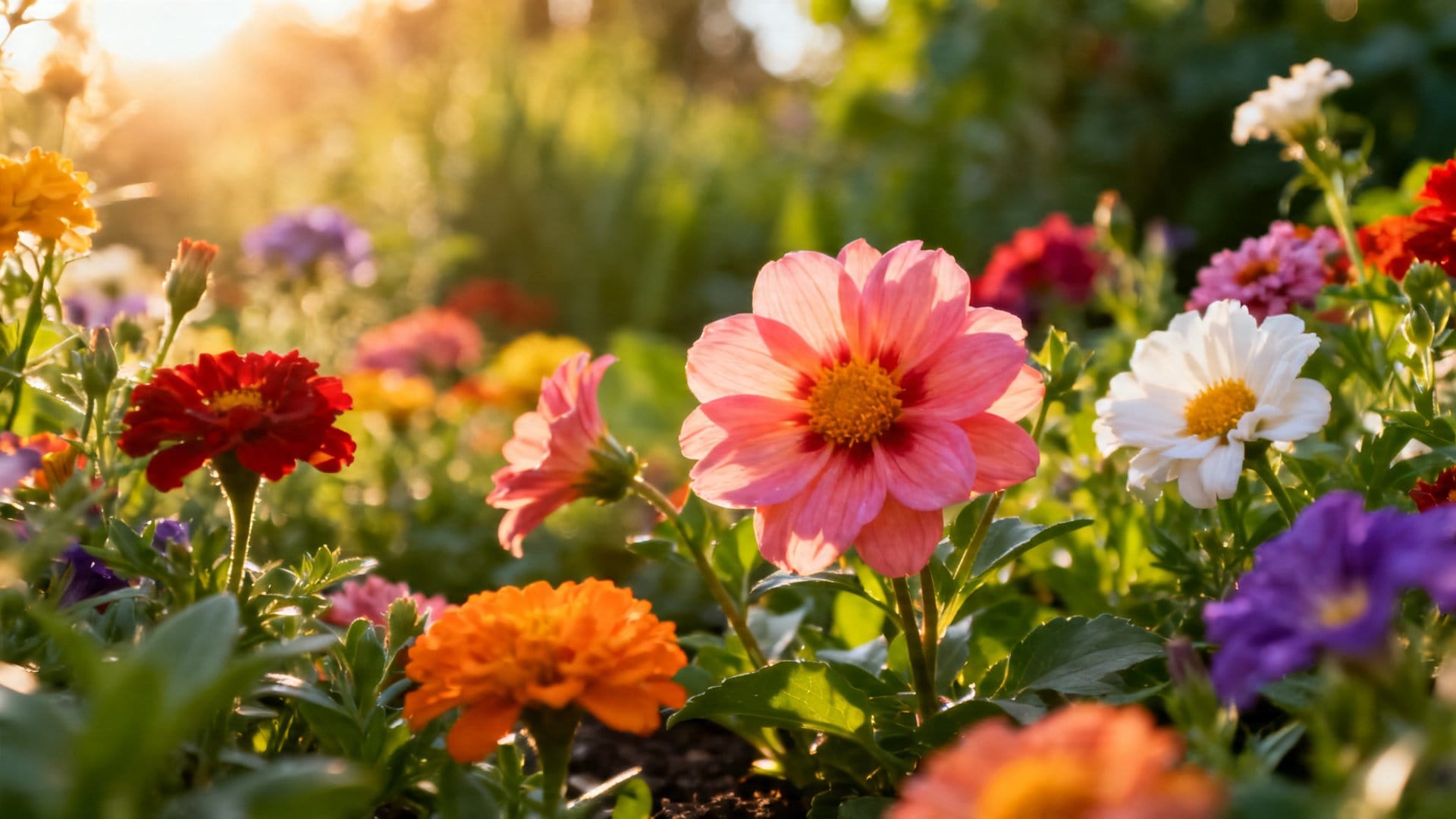
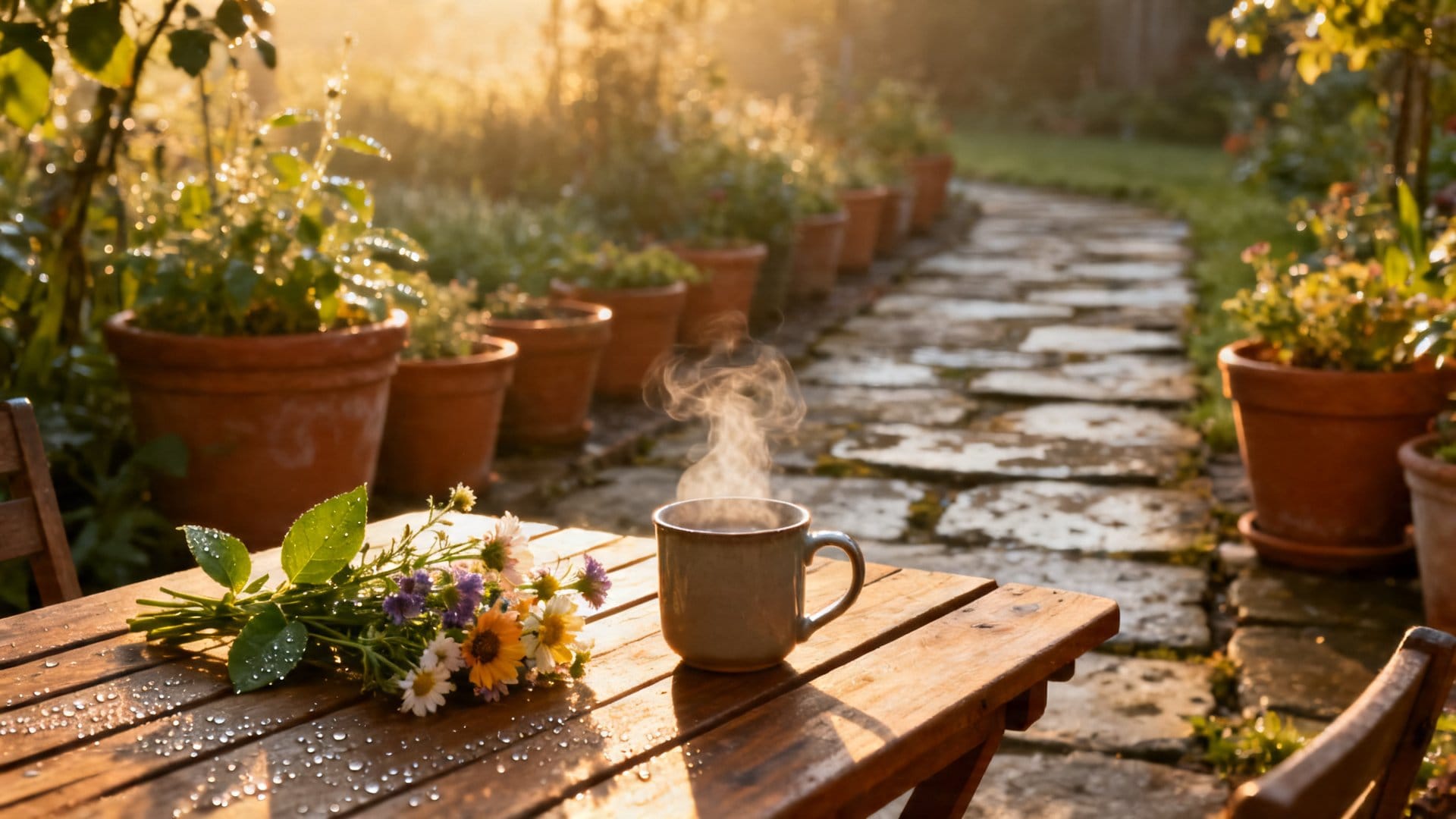
There is something quietly magical about standing in your garden on a warm morning, coffee in hand, watching the first summer blooms open up to the sun. Whether you have a sprawling backyard or a few cheerful containers on a porch, summer flowers have a way of making everything feel more alive. This guide to summer flowers for your garden covers everything from choosing the right varieties to pairing colors that sing together. If you have ever felt a little overwhelmed at the garden center, surrounded by a sea of plant tags and Latin names, this is the friendly nudge you need to get started with confidence.
&# 128218; Start here: New to the season? Ourcomplete summer garden guide→Why Are Summer Blooms Worth Every Bit of Effort?
Summer blooms are worth the effort because they change an ordinary outdoor space into something genuinely restorative. The long days and warmth of the season allow flowers to thrive quickly, rewarding even modest effort with weeks of color and fragrance.
 Shop this look: garden decor on Amazon
Summer is the season when gardens truly come into their own. The long days, the warmth soaking into the soil, the hum of bees moving from flower to flower, it all adds up to something that feels genuinely restorative. Growing summer flowers is not just about curb appeal; it is about creating a space that feels good to be in every single day.
One thing I have noticed is that people often underestimate how much a simple border of flowers can change the mood of an outdoor space. It does not have to be elaborate or perfectly planned to feel beautiful. Even a few well-chosen varieties planted with care can bring weeks of color and fragrance that lift your whole yard.
Why It Works
Summer flowers tend to be among the most forgiving and fast-rewarding plants you can grow. Many annuals go from transplant to full bloom in just a few weeks, which means you get visible results quickly, a real encouragement if you are newer to gardening or just need a boost of motivation after a slow spring.
Once you understand why summer flowers are so rewarding, the next step is figuring out which ones are right for your particular space and style.
How Do You Choose the Right Summer Flowers for Your Garden Style?
Choosing the right summer flowers starts with identifying the mood you want your garden to have. Your preferred aesthetic, whether cottage-style and romantic or bold and modern, should guide every decision, from plant height to bloom color to texture.
 Shop this look: flower seed variety packs on Amazon · 15 Bundles Artificial Fall Flowers UV Resistant… · 24pcs Faux Yellow Spring flowers With Stems,…
Before you head to the garden center, it helps to have a loose vision of the mood you want to create. Are you drawn to a wild, cottage-garden feel with flowers spilling over each other in a glorious tangle? Or do you prefer something more structured, with clean lines and a select color palette? Knowing this shapes every choice you make, from plant height to bloom color to texture.
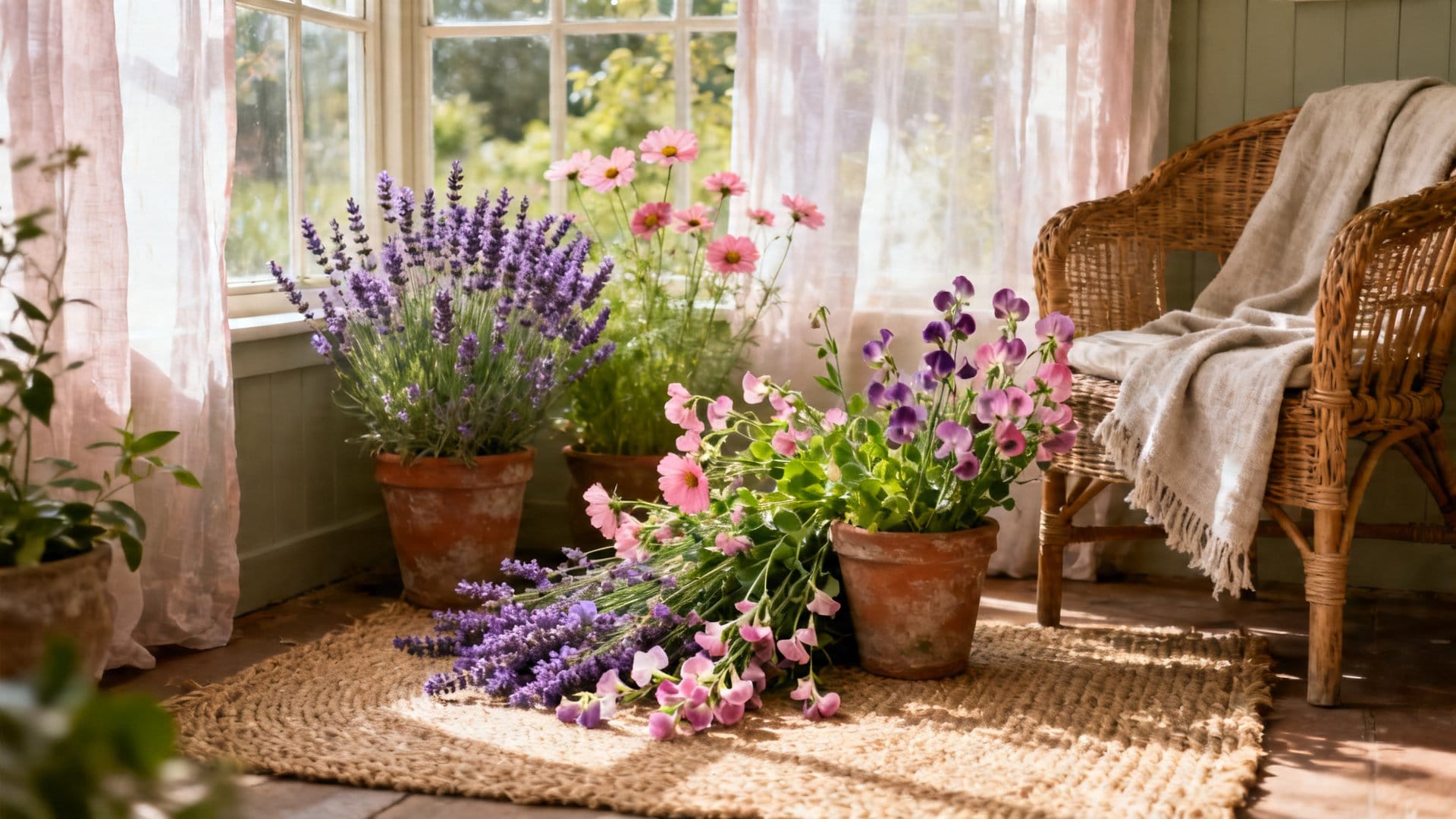
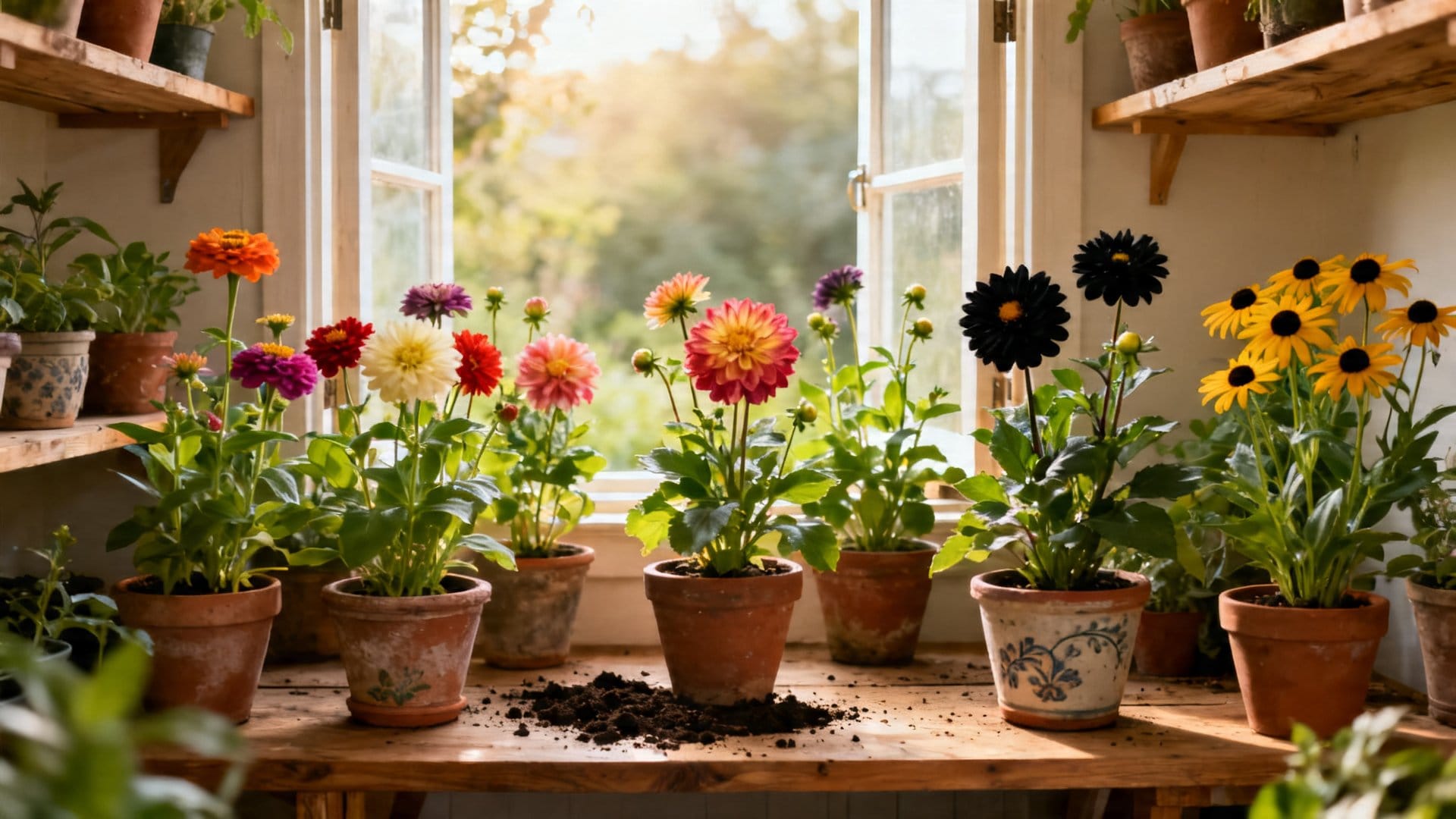
For a cottagecore or English garden aesthetic, think lavender, cosmos, sweet peas, and foxglove. These soft, romantic bloomers layer beautifully and feel effortlessly natural together. For more of that look, our cottage summer garden ideas lean fully into the romance. If you lean toward something bolder and more modern, zinnias, dahlias, and black-eyed Susans bring graphic punch and saturated color that hold their own even in a minimal space design.
Pro tip: Choose at least one tall variety, one mid-height variety, and one low-growing or trailing plant for every bed or container. This layering creates depth and makes even a small planting feel lush and intentional rather than flat.
What Are the Best Summer Flowers to Plant for Season-Long Color?
The best summer flowers for season-long color include a mix of early, mid, and late bloomers such as lavender, zinnias, dahlias, and continuous-flowering marigolds. Combining varieties with staggered bloom times keeps your garden in near-constant color from June through September.
 Shop this look: planters on Amazon · 15 Bundles Artificial Fall Flowers UV Resistant… · 24pcs Faux Yellow Spring flowers With Stems,…
Not all summer flowers bloom at the same time or for the same duration, and that is actually a wonderful thing. A dedicated summer rose garden is one lovely way to anchor a long bloom season, too. With a little planning, you can keep your garden in near-constant color from June all the way through September.
Top Picks by Bloom Time
- Early summer: Lavender and salvia open first and bring soft purples that pair beautifully with white or pale yellow companions like yarrow
- Midsummer peak: Zinnias, sunflowers, and coneflowers hit their stride in July and August, offering bold, long-lasting color that holds up in heat
- Late summer into fall: Dahlias and rudbeckia (black-eyed Susans) carry the garden through August and September with warm golds and deep burgundies
- Continuous bloomers: Petunias, marigolds, and impatiens flower almost nonstop from planting until the first frost, making them the reliable backbone of any summer display
- For fragrance: Sweet alyssum and nicotiana release their scent in the evening, making them perfect near a patio or seating area where you can actually enjoy it
I love how a well-sequenced planting like this keeps surprising you all season long. Just when one wave of blooms starts to fade, another variety steps forward, and the garden feels fresh again. If you want to map this out before you plant, these summer flower garden layout ideas are a great starting point without any extra effort on your part.
With your flower selections in mind, it is time to think about the conditions that will help them perform at their best.
How Do Soil, Sun, and Spacing Set Your Flowers Up to Thrive?
Getting soil, sun, and spacing right is the foundation of a healthy summer garden. Most summer flowers need well-draining, compost-enriched soil, at least six to eight hours of direct sun, and enough space between plants for good air circulation.
 Shop this look: potting mix and compost on Amazon · Flowers for Delivery Prime Preserved Flowers… · Preserved Flowers for Delivery, Orange Flower…
Here is where a lot of gardeners quietly go wrong, not from lack of effort, but from skipping the preparation step. The most beautiful flowers in the world will struggle if the soil is compacted, waterlogged, or nutrient-poor. Taking an afternoon to prepare your beds properly before planting is genuinely the most valuable thing you can do for your summer garden.
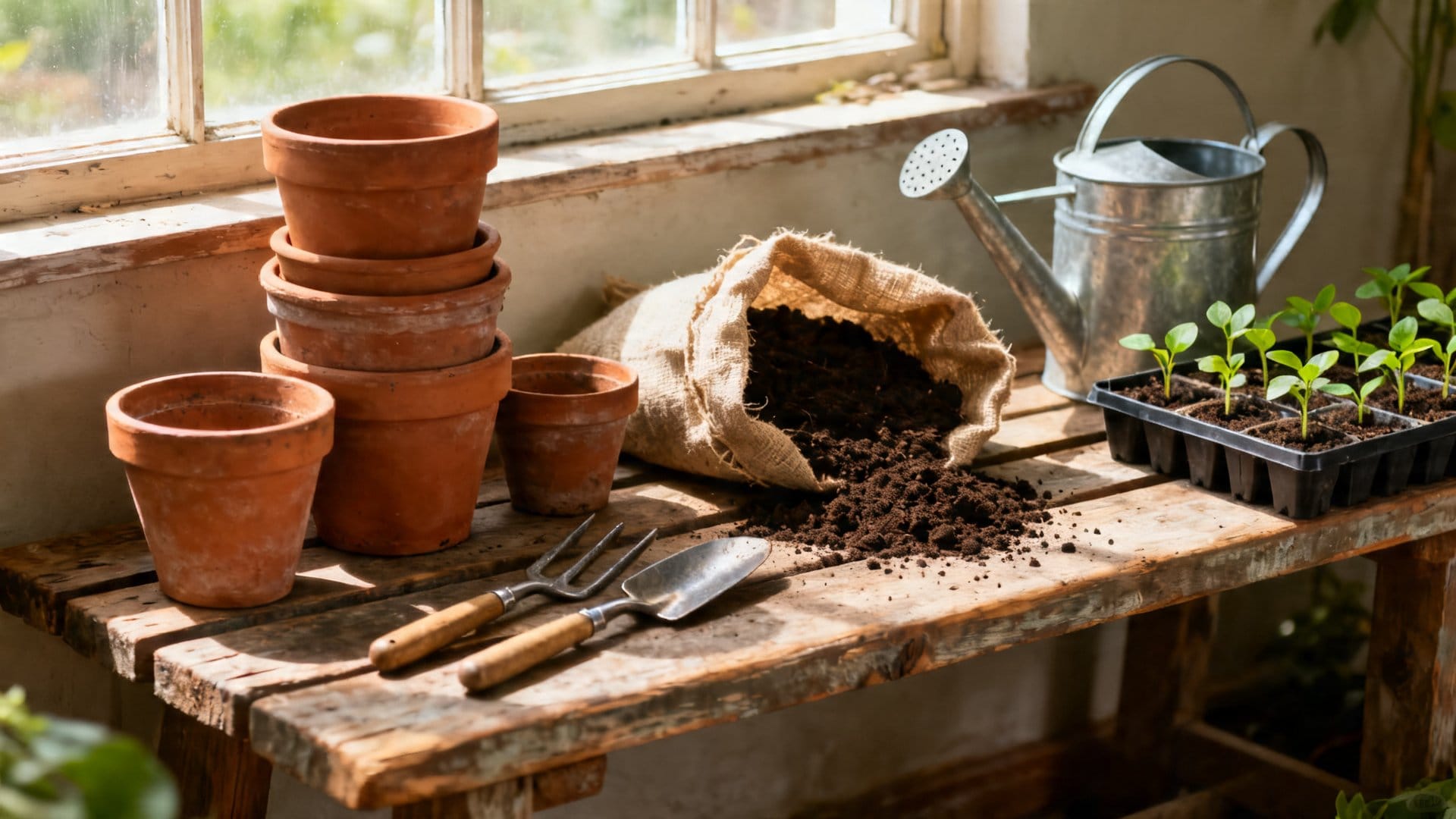
Most summer flowers prefer well-draining soil enriched with compost, a solid six to eight hours of direct sunlight per day, and enough space between plants to allow good air circulation. Crowding plants together might look lush at first, but it invites disease and competition for water and nutrients. A general rule of thumb: if the plant tag says space twelve inches apart, trust it.
From what I have gathered, the easiest way to improve almost any garden soil quickly is to work in a generous layer of compost, at least two to three inches, before planting. It improves drainage in heavy clay soils and helps sandy soils retain moisture. It is the one step that pays off more than almost anything else you can do.
Styling Notes
If you are working with containers rather than garden beds, choose pots that are at least twelve inches deep for most flowering annuals, and always use a high-quality potting mix rather than garden soil, which compacts too easily in containers. Self-watering pots are a genuinely useful option for busy households, they take the guesswork out of watering and keep moisture levels more consistent through summer heat waves.
Which Color Combinations Make Summer Gardens Sing?
The most effective summer garden color combinations use analogous schemes, colors that sit next to each other on the color wheel, or soft, romantic palettes of lavender, blush, and white. The abundance of green foliage acts as a natural buffer, making even bold combinations look harmonious outdoors.
 Shop this look: annual flower seed mixes on Amazon
Color is where gardening becomes genuinely creative, and it is also where a lot of people freeze up. The good news is that summer flowers are remarkably forgiving for color, the abundance of green foliage acts as a natural buffer between shades that might clash indoors but look perfectly at ease in the garden.
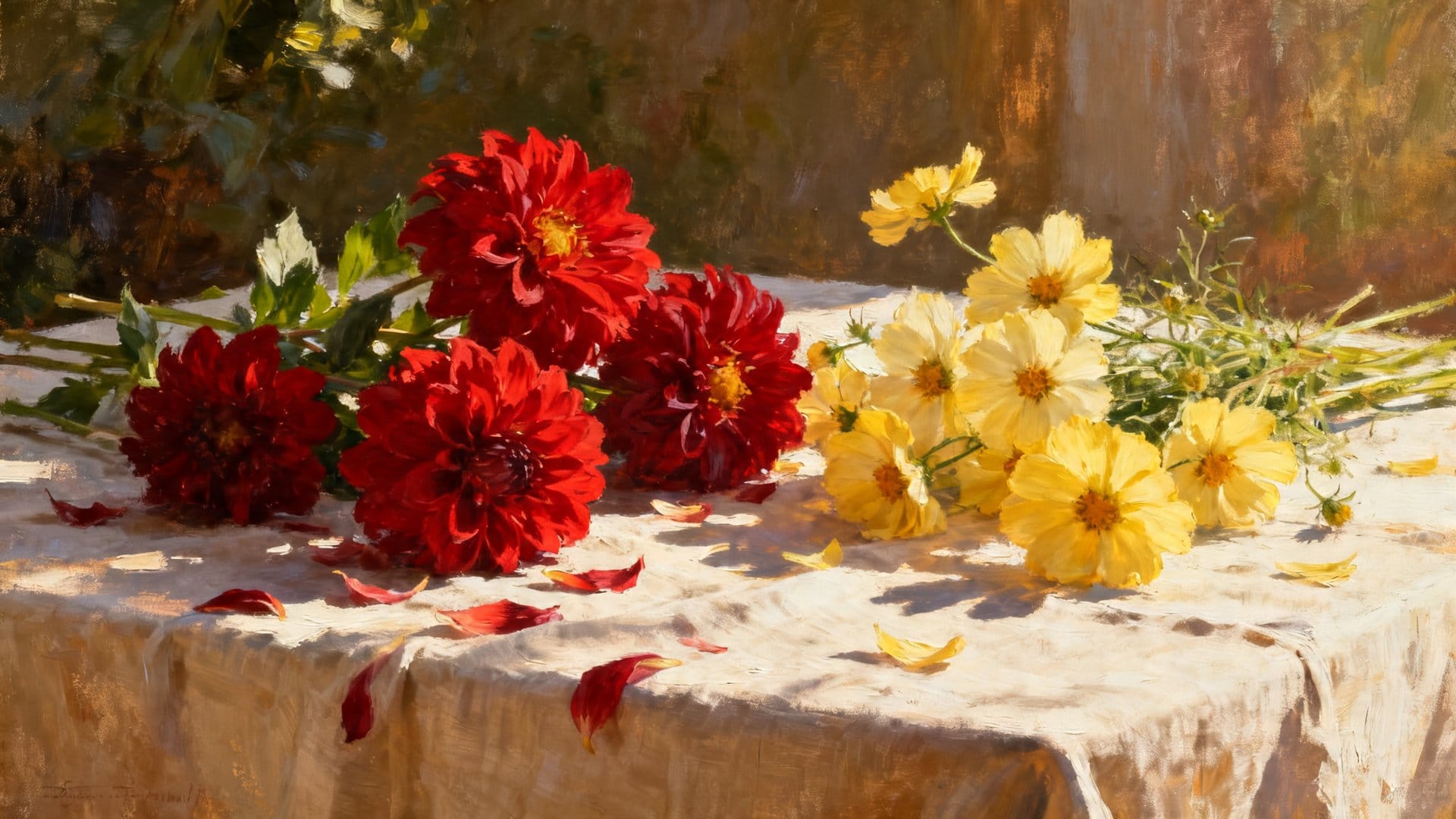
That said, a little intentionality goes a long way. Some of the most beautiful summer garden combinations I have seen lean into analogous color schemes, colors that sit next to each other on the color wheel. Think warm oranges, golden yellows, and deep reds planted together for a sunset-inspired border that practically glows in late afternoon light. Or try soft lavender, blush pink, and creamy white for a palette that feels cool and romantic even on the hottest days.
A friend of mine tried something similar in her front yard last summer, a simple combination of purple verbena, pale yellow lantana, and white sweet alyssum edging the bed, and it looked like something out of a garden magazine. If you like planning your shades ahead, these seasonal color palettes make it easy. She told me she spent less than an afternoon planting it, and it bloomed right through September.
Pro tip: Add at least one plant with interesting foliage rather than flowers, dusty miller, coleus, or ornamental sweet potato vine, to give your eye a place to rest and make the blooms around it pop even more by contrast.
Getting your plants in the ground is a great milestone, but the care you give them through the season is what keeps them looking their best.
How Should You Handle Watering, Feeding, and Deadheading Through the Season?
Summer flowers thrive with deep, infrequent watering, a slow-release fertilizer at planting time, and regular deadheading to extend bloom periods. Building a simple routine around these three tasks is all it takes to keep most summer flowers healthy and flowering through the heat of the season.
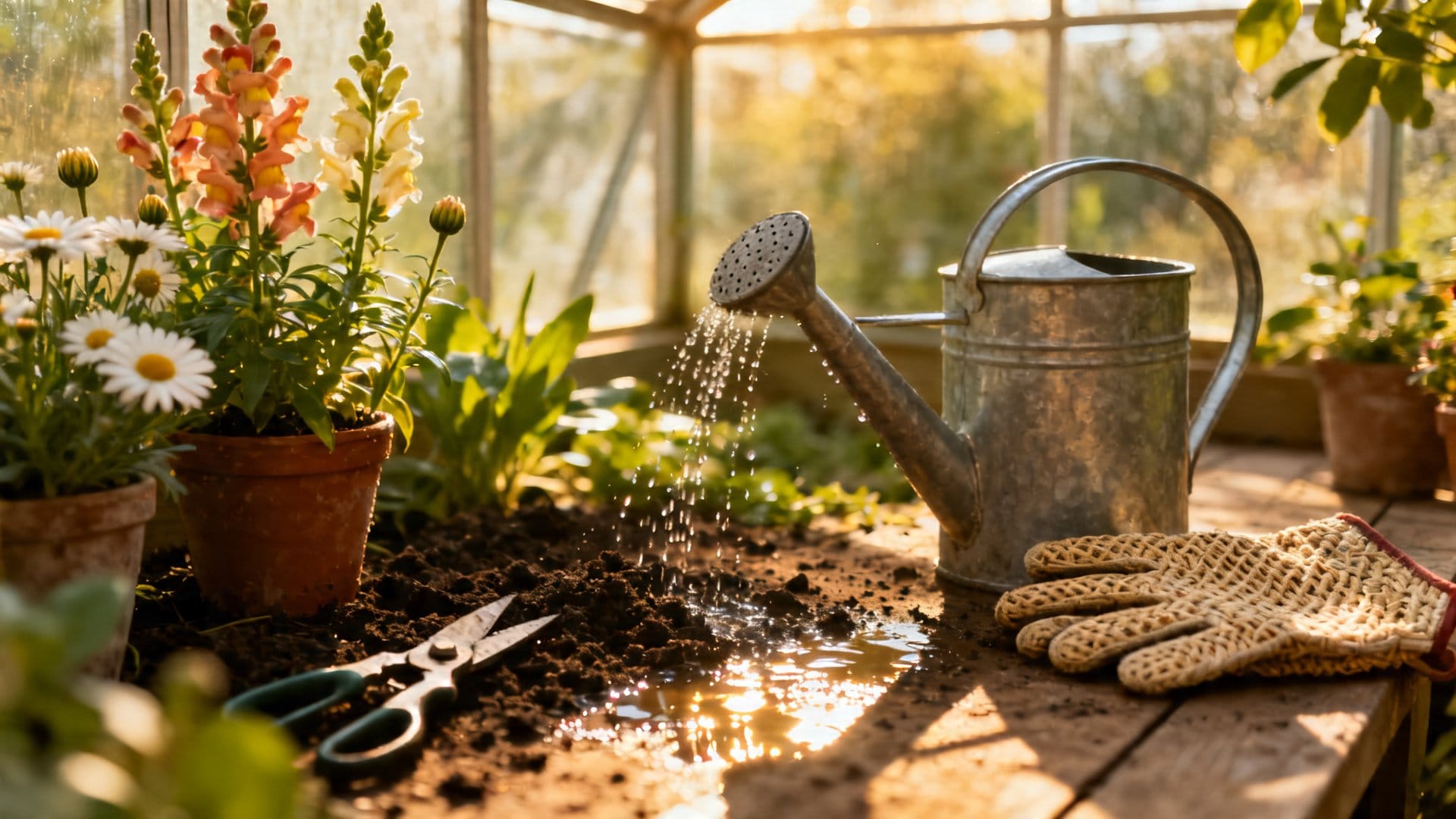 Shop this look: garden pruning snips on Amazon
Planting is only the beginning. Keeping summer flowers healthy and blooming through the heat of July and August takes a little consistent attention, but it is much simpler than it sounds once you build a rhythm around it.
Most summer annuals prefer deep, infrequent watering over a daily light sprinkle. Watering deeply, soaking the soil to a depth of six inches or so, encourages roots to grow downward, which makes plants more drought-tolerant and resilient overall. Early morning is the ideal time to water, giving foliage a chance to dry before evening and reducing the risk of fungal issues.
Feeding matters more than many gardeners realize. A balanced, slow-release fertilizer worked into the soil at planting time gives your flowers a steady source of nutrition through the season. For container plantings, a liquid fertilizer applied every two weeks through summer keeps things blooming vigorously when nutrients leach out with regular watering.
Pro Tips
Deadheading, removing spent blooms before they go to seed, is the single most effective way to keep most summer flowers blooming longer. It signals the plant to keep producing flowers rather than putting energy into seed production. For zinnias, dahlias, and cosmos especially, regular deadheading can double the length of your bloom season. It only takes a few minutes every few days and becomes a genuinely pleasant garden ritual.
&# 10024; You might also love: Want a little extra charm in a tight spot? Thesesummer fairy garden ideas→
Can You Do Small Space and Container Gardening with Summer Flowers?
Yes, summer flowers are well suited to small spaces and containers, and some of the most striking displays are created on balconies and small patios. Thoughtful plant selection and creative use of vertical space and grouped containers can produce an abundant, garden-like effect even in the tightest spots.
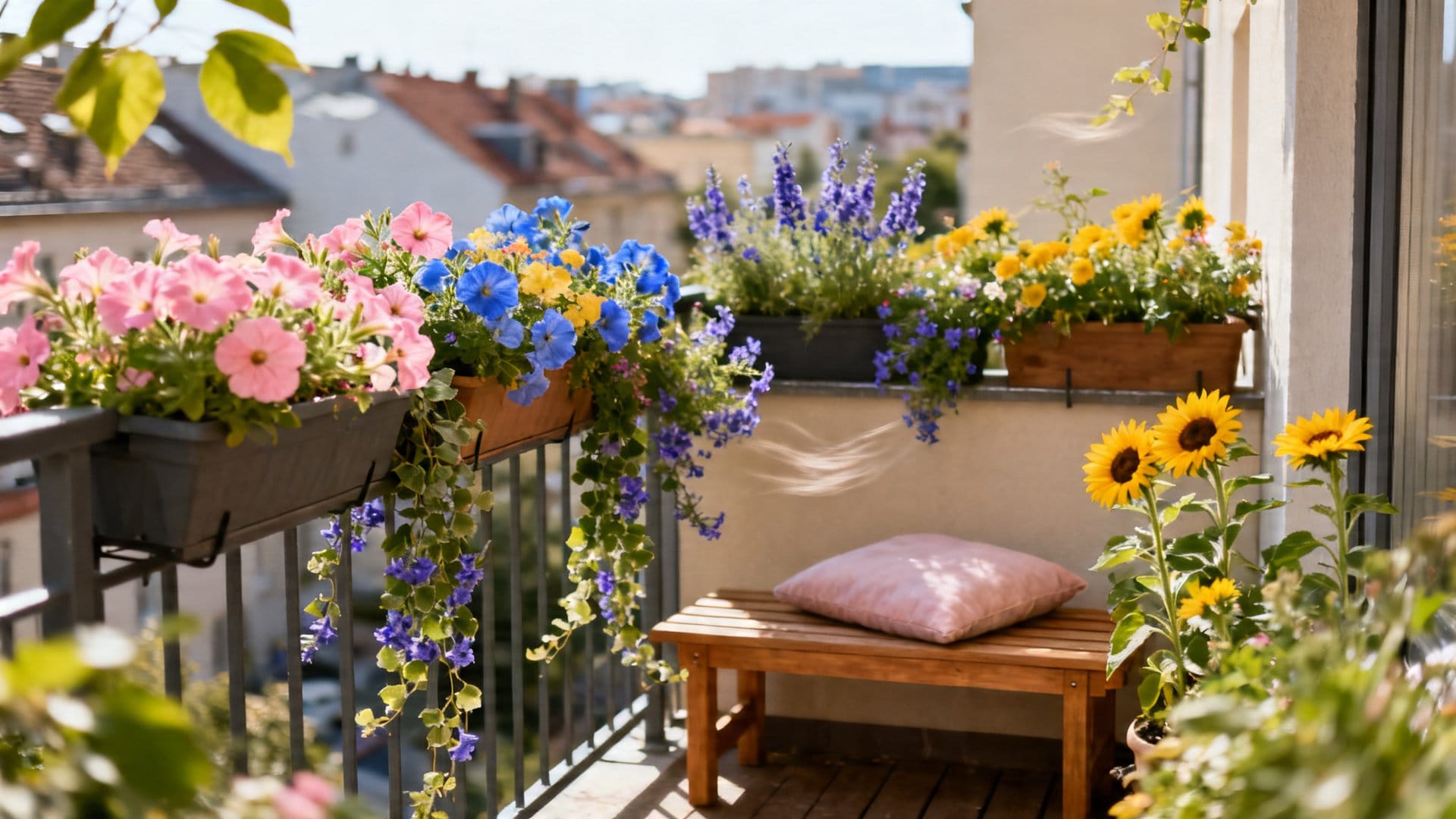 Shop this look: window box planters on Amazon · Flowers for Delivery Prime Preserved Flowers… · Preserved Flowers for Delivery, Orange Flower…
Not everyone has a sprawling garden, and honestly, some of the most charming summer flower displays I have ever seen have been on apartment balconies or small front stoops. Summer flowers for your garden do not require a lot of square footage, they require thoughtful choices and a little creativity with vertical space and containers.
Window boxes filled with trailing petunias and upright geraniums bring cottage-garden warmth to even the most urban setting. A cluster of three mismatched pots in graduating heights, planted with a tall thriller like a dwarf dahlia, a mounding filler like calibrachoa, and a trailing spiller like bacopa, creates a layered, abundant look that feels far bigger than its footprint. This works especially well on a small porch or patio where a single large arrangement can anchor the whole space.
I keep coming back to this approach because it is so adaptable. You can move containers around as the season shifts, tuck them into spots that need color, or bring them closer to a seating area when you want to enjoy the fragrance. It gives you a flexibility that in-ground planting simply does not. These tiny patio decorating ideas pair perfectly with a few well-grouped pots.
Pro tip: Group containers of different heights together rather than spacing them out. Clustering pots creates a sense of abundance and makes a small collection of plants feel like a real garden moment rather than a few lonely pots scattered around a patio.
Final Thoughts
Summer flowers for your garden are one of the most joyful, accessible ways to make your outdoor space feel truly alive, and you do not need a green thumb or a big budget to do it beautifully. Whether you are filling a wide garden bed with dahlias and sunflowers or tucking petunias into a window box above the kitchen sink, every bloom you plant is a small act of care for yourself and your home. Start with a few varieties that speak to you, give them good soil and steady water, and let the season do the rest. Happy planting!
Frequently Asked Questions
Beginners tend to have the most success with low-maintenance summer flowers like zinnias, marigolds, sunflowers, and black-eyed Susans, as these varieties are forgiving, drought-tolerant, and bloom reliably with minimal fuss. These flowers thrive in full sun and only need regular watering and occasional deadheading to keep producing blooms all season long. Starting with a few of these confidence-boosting plants is a great way to build your gardening skills before experimenting with more demanding varieties.
Most summer flowers should be planted after the last frost date in your region, which typically falls between late March and mid-May depending on your climate zone. Starting seeds indoors six to eight weeks before your last frost date gives you a head start, while transplanting established seedlings outdoors once nighttime temperatures stay consistently above 50°F ensures the best chance of survival. Always check the specific planting instructions on your seed packets or plant tags, as some varieties like petunias prefer cooler conditions while others like zinnias thrive only in warm soil.
When pairing summer flowers, consider combining plants with complementary bloom times, varying heights, and colors that either harmonize or create bold contrast, for example, pairing tall purple salvia with low-growing yellow marigolds creates both visual depth and a striking color combination. It also helps to group plants with similar sunlight and water needs together so that caring for your garden bed is simpler and more efficient. Repeating one or two key colors or flower shapes throughout a bed ties the whole design together and gives your garden a polished, intentional look.
Most summer flowers need about one inch of water per week, though container plants and those planted in sandy soil may need watering every day during peak summer heat. Deep, infrequent watering is generally better than shallow daily watering because it encourages roots to grow deeper into the soil, making plants more resilient during dry spells. During extreme heat waves, watering in the early morning, adding a layer of mulch around the base of plants, and providing temporary shade cloth can all help your flowers survive without wilting or going into stress.
Deadheading is the practice of removing spent or faded blooms from a plant, which signals to the plant to produce more flowers rather than putting energy into developing seeds. Many popular summer flowers like petunias, dahlias, and roses benefit significantly from regular deadheading and will bloom far more abundantly when it is done consistently throughout the season. However, not all flowers require it, self-cleaning varieties like impatiens and some modern marigold hybrids naturally drop their old blooms on their own, making them a great low-maintenance choice for gardeners who prefer a more hands-off approach.